Side-by-side IQ profile
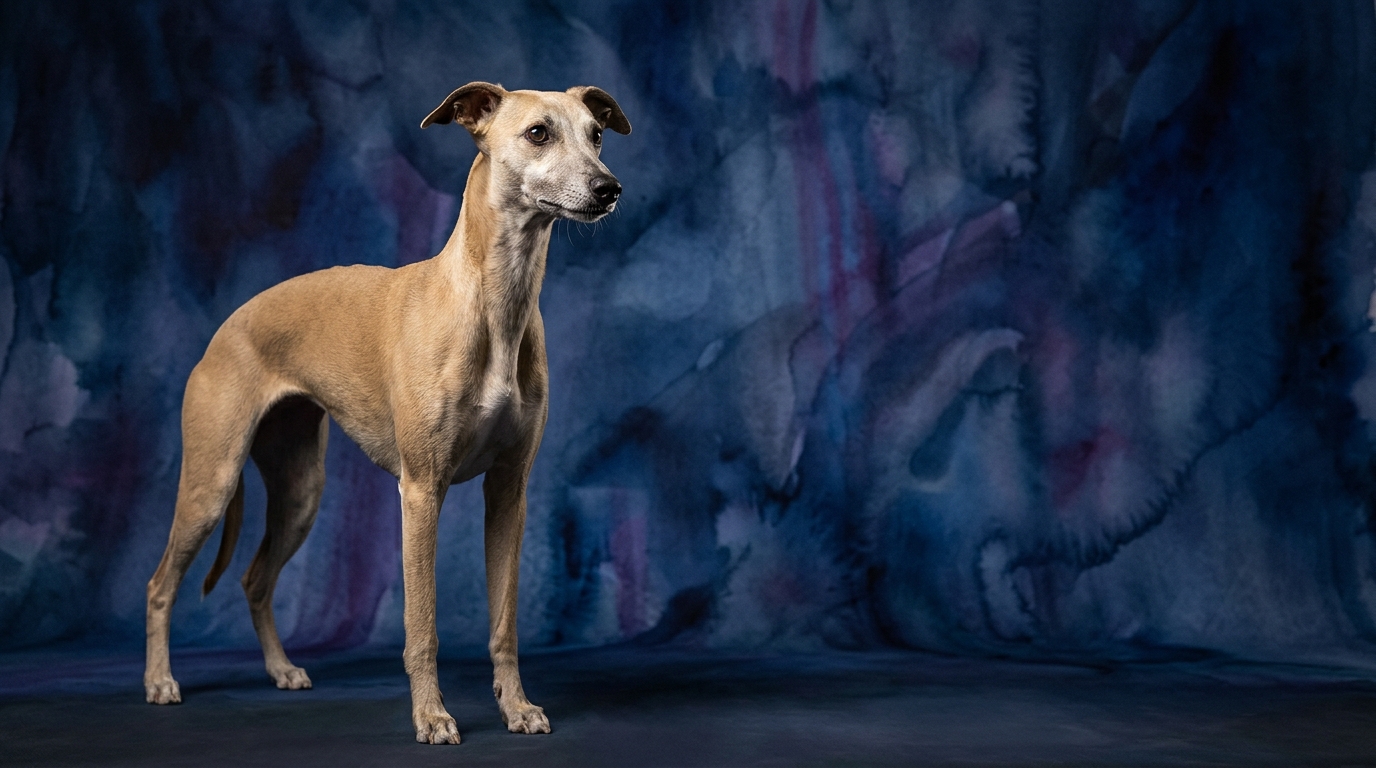
The Whippet, ranked #51 by Coren, demonstrates a distinct cognitive profile shaped by its sighthound lineage. Its Problem Solving at 3/5 suggests an ability to navigate moderately complex situations, often relying on keen observation rather than intricate logical steps. For instance, they might figure out how to access a desired treat by simple nudging or pawing, but deeper puzzle engagement requires more direct guidance. Their Training Speed of 2/5 indicates they learn at their own pace, requiring patience and positive reinforcement, as their independent nature means compliance isn't always immediate.
Where the Whippet truly excels is in Social Intelligence, scoring 4/5. They are remarkably adept at reading human cues and forming profound, empathetic bonds, often anticipating their owner's moods and offering quiet companionship. Their Instinctive Drive, an exceptional 5/5, manifests as a powerful prey drive, influencing their focus and behavior intensely around moving objects. Memory, rated 3/5, allows them to retain routines and familiar people, though detailed recall of specific, complex past events might not be their strongest suit.
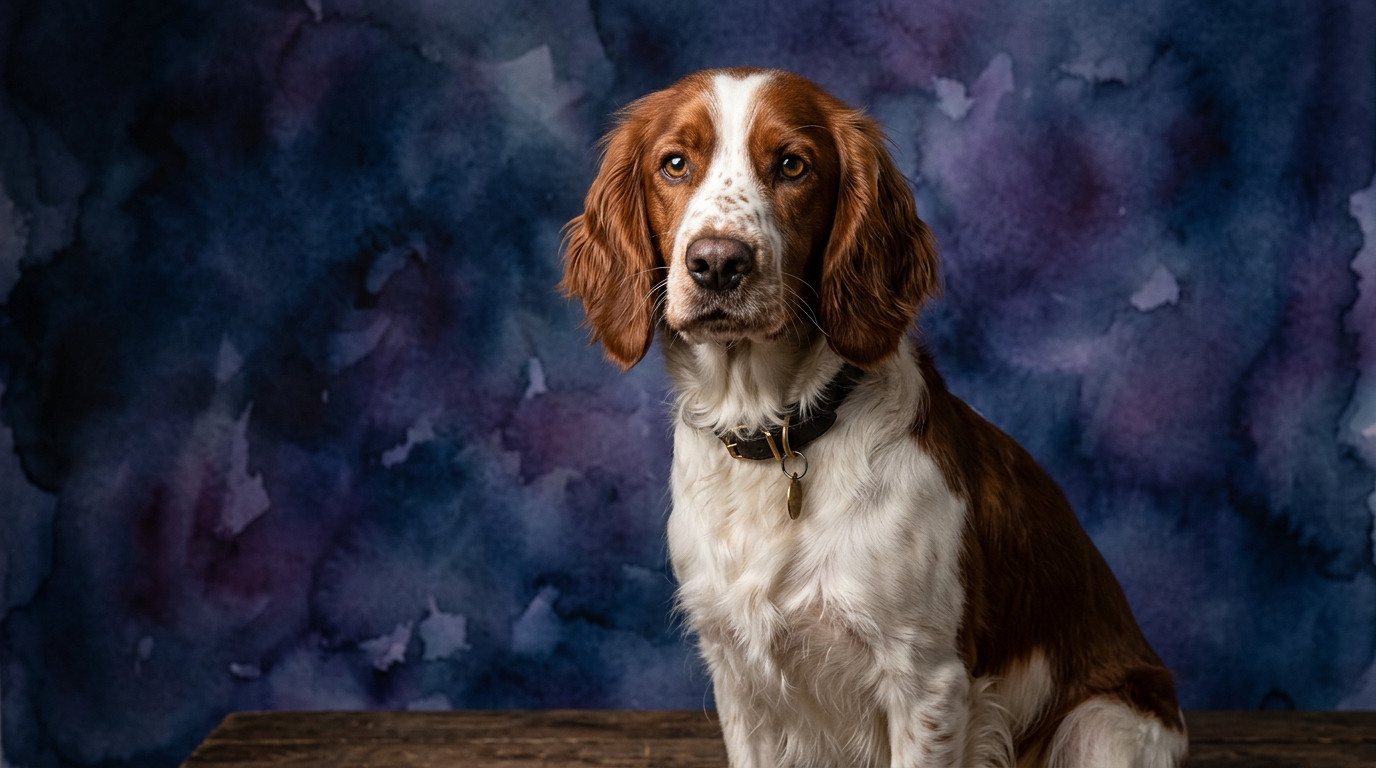
The Welsh Springer Spaniel, with a Coren Rank of #31, showcases a cognitive makeup geared for collaborative work and adaptability. Their Problem Solving score of 4/5 points to a breed that actively engages with mental challenges, often systematically working through puzzles or seeking solutions to achieve a goal, reflecting their resourceful hunting background. Training Speed, at 4/5, highlights their readiness to learn and biddable nature; they typically pick up new commands quickly and relish the interaction of training sessions, motivated by praise and the opportunity to work alongside their human.
Social Intelligence, at 3/5, means they are generally friendly and adaptable, enjoying interaction but perhaps focusing more on engaging in activities rather than purely emotional nuance. Their Instinctive Drive, scored 3/5, is rooted in flushing and retrieving, making them keen on scent work and interactive games rather than solely visual pursuit. This drive is often channeled positively into training and play. Memory, at 4/5, indicates a breed that effectively retains information, remembering complex command sequences, past training, and object locations, which significantly aids their roles in hunting and advanced obedience.
Where Whippet wins cognitively
The Whippet's primary cognitive advantage lies in its exceptional Social Intelligence (4/5) and unparalleled Instinctive Drive (5/5). Their social acumen allows them to form incredibly close, almost intuitive bonds with their human companions, often anticipating needs or reacting to subtle emotional cues with remarkable accuracy. This deep understanding of human social dynamics makes them extraordinarily empathetic housemates, offering comfort and companionship without needing constant direction. Their profound instinctive drive, while requiring careful management, means Whippets excel in activities that tap into their sighthound nature like lure coursing, where their ability to focus intensely on a moving target and execute explosive speed demonstrates a specialized form of problem-solving tied directly to their ancient purpose. This laser-like focus, driven by instinct, is a distinct cognitive strength.
Where Welsh Springer Spaniel wins cognitively
The Welsh Springer Spaniel shines with superior Problem Solving (4/5), Training Speed (4/5), and Memory (4/5). These combined attributes make them highly adaptable and capable learners. Their problem-solving prowess means they are more likely to independently figure out how to open a gate, retrieve a toy from a difficult spot, or understand the sequence of actions required to earn a reward. This isn't just about trial and error; it's about active engagement with their environment to achieve a goal. Their quick training speed is a direct result of their biddable nature and ability to rapidly associate commands with actions and rewards. Coupled with their strong memory, they retain these learned behaviors over long periods, building a robust repertoire of skills for various dog sports.
Which is easier to train and why
Comparing ease of training, the Welsh Springer Spaniel clearly holds an advantage due to its higher scores in Training Speed (4/5) and Problem Solving (4/5), alongside a more moderate Instinctive Drive (3/5). Welsh Springers are typically eager to please, actively seeking engagement with their owners during training sessions. They quickly form associations between commands, actions, and rewards, and their strong memory ensures these lessons stick. For instance, teaching a Welsh Springer Spaniel a multi-step retrieve sequence or complex obedience routine often progresses rapidly because they enjoy the mental stimulation and collaboration.
The Whippet, with a Training Speed of 2/5 and a potent Instinctive Drive of 5/5, presents a different training dynamic. While capable of learning, their independent sighthound nature means they often require more patience and consistency. They might understand a command but choose not to comply if a more compelling sensory input, like a squirrel, captures their attention. Training a Whippet often involves making the desired behavior more rewarding than external distractions, relying heavily on high-value treats and short, engaging sessions to maintain focus against their intrinsic desire for independent pursuit. Their training success often hinges on an owner's ability to creatively motivate and manage their powerful chase instinct.
Which suits active owners vs relaxed owners
For owners seeking a companion for active pursuits that involve structured learning and collaboration, the Welsh Springer Spaniel is often a better match. Their moderate instinctive drive can be channeled into activities like hiking, scent work, or dog sports, where their problem-solving skills and training speed are highly beneficial. They thrive on having a "job" and enjoy consistent engagement, making them ideal for owners who enjoy regular, varied outdoor activities and training sessions. Their energy is sustained and directed, requiring an owner who can provide consistent mental and physical stimulation.
The Whippet, conversely, can appeal to both active and more relaxed owners, but with different expectations. For active owners, their extreme speed and intense instinctive drive make them perfect for lure coursing or competitive racing, activities that are short bursts of intense effort. However, between these bursts, Whippets are famously calm and enjoy extended periods of rest. For relaxed owners, their quiet demeanor, high social intelligence, and propensity for napping make them excellent, low-maintenance house companions, provided their fundamental need for a good sprint and a secure yard is met. Their activity pattern is more "on/off" compared to the sustained energy of a sporting spaniel.
The Verdict
Choose the Whippet if you appreciate a quiet, empathetic companion that excels in short, intense bursts of activity and forms deep, intuitive bonds, and you are prepared to manage a strong chase instinct with patient, positive training.
Opt for the Welsh Springer Spaniel if you seek an enthusiastic, biddable partner for varied outdoor activities and enjoy engaging in structured training and dog sports, valuing their quick learning and robust memory for collaborative tasks.
🧠 Find Your Pet's IQ Score
Our Pet IQ Lab assessment covers 25+ tests across 5 cognitive dimensions — personalized to your breed.
Take the Full IQ Test →Frequently Asked Questions
Do Whippets and Welsh Springer Spaniels require different types of mental stimulation?
Absolutely. Whippets benefit from activities that engage their keen sight and chase instinct, like lure coursing or playing with fast-moving toys in a secure area. Welsh Springer Spaniels thrive on problem-solving games, scent work, and learning new commands, which tap into their drive for collaborative tasks and their strong memory.
How does the Coren rank difference (Whippet #51 vs Welsh Springer Spaniel #31) manifest in daily life?
The difference in Coren rank largely reflects their biddability and ease of command acquisition. A Welsh Springer Spaniel (rank #31) will generally pick up new commands with fewer repetitions and respond more reliably to known commands, especially under distraction, compared to a Whippet (rank #51), which may require more consistent reinforcement and patience.
Is one breed more independent than the other based on their IQ profiles?
Yes, the Whippet's lower Training Speed (2/5) and powerful Instinctive Drive (5/5) suggest a more independent cognitive approach, especially when their prey drive is activated. The Welsh Springer Spaniel's higher Training Speed (4/5) and Problem Solving (4/5) combined with a moderate Instinctive Drive (3/5) indicate a more cooperative and less independently driven mindset, making them generally more inclined to work with their human.