Side-by-Side Cognitive Profiles
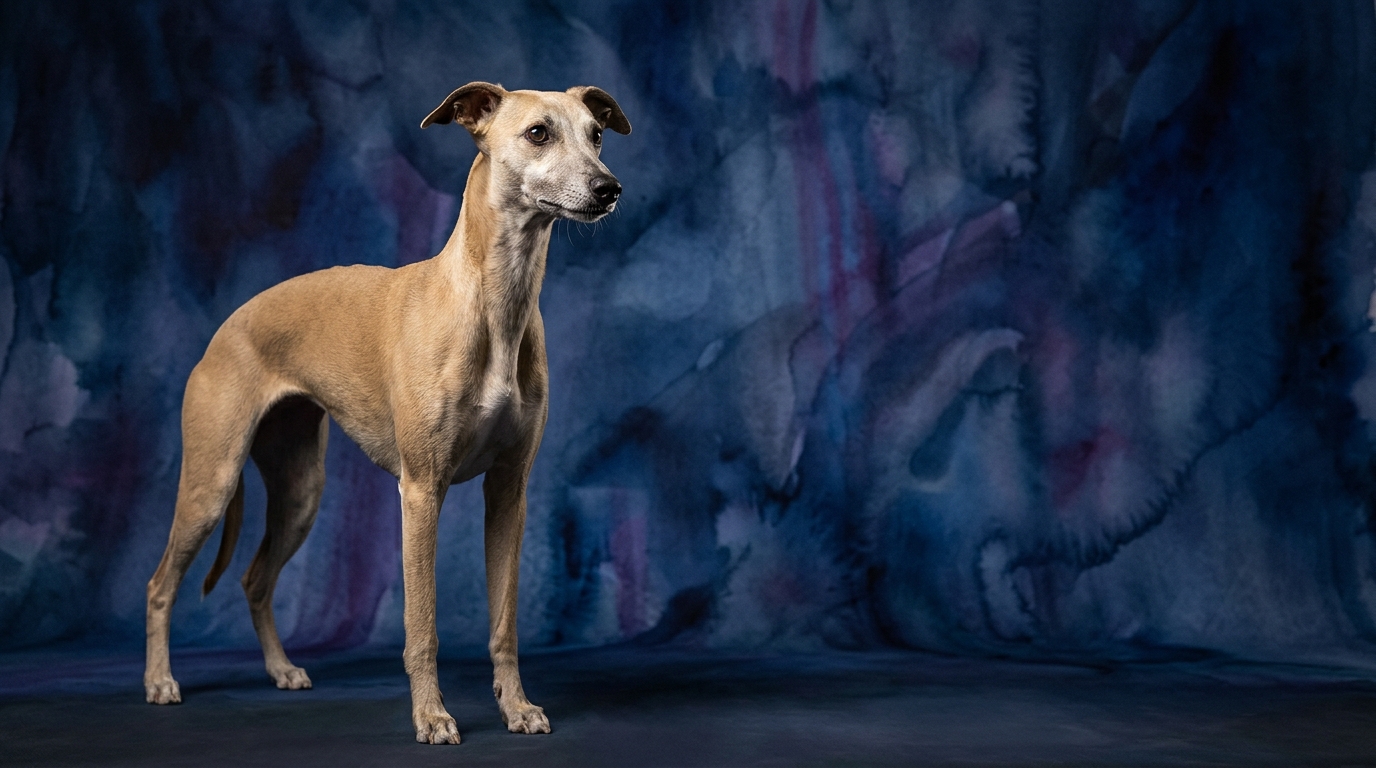
The Whippet, a sighthound originating from England, presents a nuanced cognitive profile. Their Problem Solving ability is rated at a moderate 3/5, suggesting they can tackle challenges with some ingenuity but may not consistently devise complex solutions independently. Training Speed, at 2/5, indicates they can take longer to grasp new commands and routines compared to other breeds, often requiring more patience and repetition from their trainers. Social Intelligence stands out at 4/5, highlighting their strong capacity for reading and responding to human cues and social dynamics within a household. Their Instinctive Drive is notably high at 5/5, reflecting a powerful innate urge for chasing and movement, a hallmark of their sighthound heritage. Memory is assessed at 3/5, indicating a respectable ability to recall learned behaviors and experiences over time.
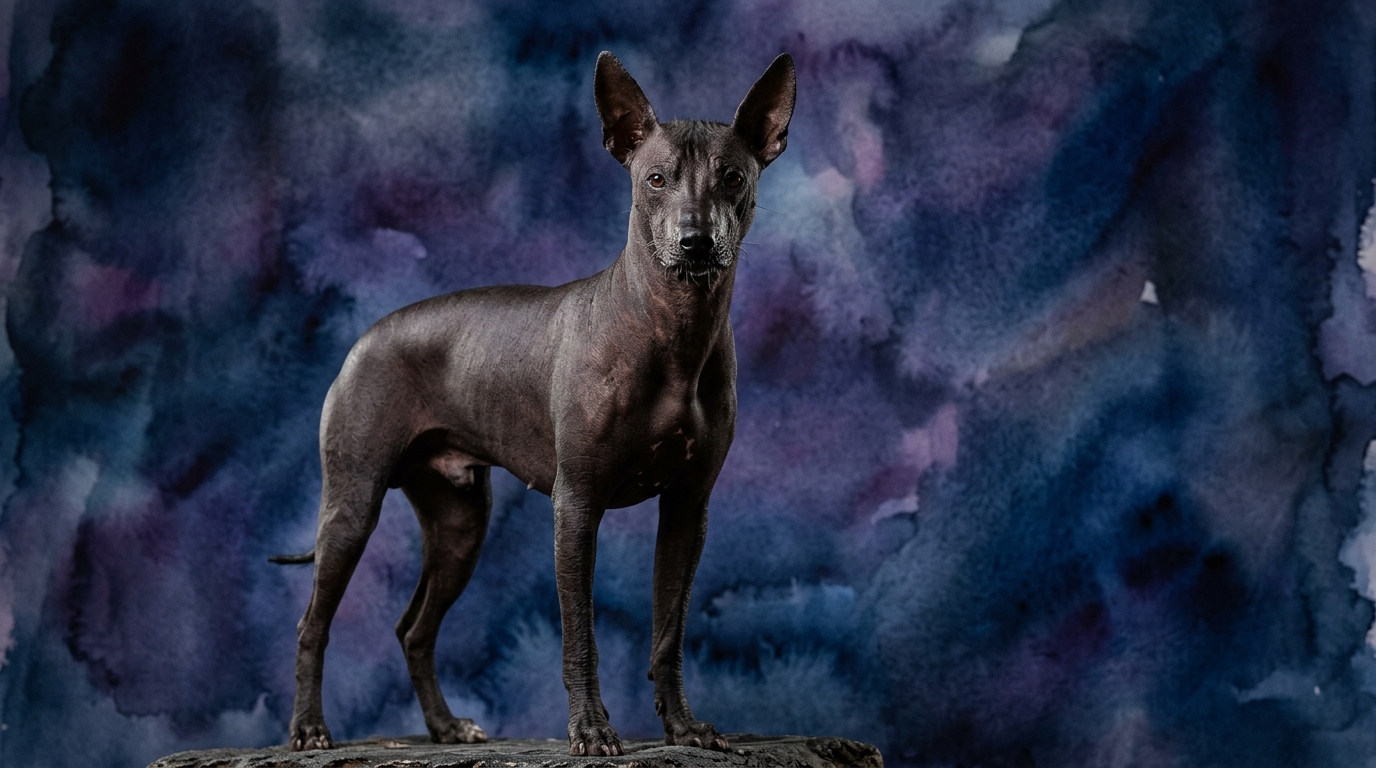
In contrast, the Xoloitzcuintli, an ancient breed from Mexico, offers a more balanced cognitive spread. Their Problem Solving ability matches the Whippet at 3/5, demonstrating a similar capacity for navigating moderate environmental puzzles. Training Speed is rated at 3/5, suggesting they typically pick up new skills at an average pace, making them somewhat more responsive to instruction than Whippets. Social Intelligence is also at 3/5, indicating a solid, but not exceptional, ability to interact with humans and other animals. Their Instinctive Drive is moderate at 3/5, meaning they possess natural urges without the overwhelming intensity seen in breeds bred for specific high-drive tasks. Memory, like the Whippet, is rated at 3/5, allowing them to retain training and experiences reliably.
Where the Whippet Excels Cognitively
The Whippet's cognitive strengths lie primarily in their social intelligence and profound instinctive drive. With a Social Intelligence score of 4/5, Whippets demonstrate a superior ability to attune to human emotions and social structures within a family. This manifests as a deep sensitivity to their owners' moods, often leading to a remarkably empathetic companionship where they seem to anticipate needs or offer comfort. They are adept at understanding social cues, making them generally well-adjusted family members who integrate smoothly into a household's routine and dynamics. This strong social awareness contributes to their reputation as affectionate and gentle companions.
Furthermore, the Whippet's Instinctive Drive, rated at a powerful 5/5, is a defining cognitive characteristic. While this drive is often associated with their incredible speed and desire to chase, it also underpins their focus and persistence when engaged in activities that tap into these inherent urges. This isn't just about physical speed; it's a cognitive inclination towards specific types of engagement. For owners who can provide appropriate outlets, such as lure coursing or ample opportunities for safe, off-leash running, this intense drive translates into a breed that is deeply satisfied and cognitively engaged when pursuing these activities. It's a focused, almost meditative state for them when their primal instincts are fulfilled.
Where the Xoloitzcuintli Shows Cognitive Advantage
The Xoloitzcuintli holds a distinct cognitive advantage in its Training Speed, scoring 3/5 compared to the Whippet's 2/5. This difference suggests that Xolos generally process and internalize new commands and routines more readily. While not the fastest learners among all breeds, their average training speed means they often require fewer repetitions and respond more consistently to positive reinforcement methods. This makes the initial stages of obedience training potentially less demanding for an owner, as the Xolo may connect actions with consequences more swiftly, leading to quicker mastery of basic cues.
Beyond specific scores, the Xoloitzcuintli's balanced cognitive profile, particularly its moderate Instinctive Drive (3/5), can be an advantage for certain lifestyles. Unlike the Whippet's intense prey drive, the Xolo's more measured instincts mean they might be less prone to sudden, overwhelming urges to chase or bolt. This cognitive balance can translate into a dog that is generally more adaptable to various environments and less intensely focused on a single, high-energy output. Their moderate social intelligence also means they are observant and interactive without necessarily demanding constant, deep emotional engagement, offering a comfortable equilibrium for owners seeking a steady, self-possessed companion.
Which Breed Is Easier to Train and Why?
When considering ease of training, the Xoloitzcuintli generally presents a less challenging experience due to its higher Training Speed (3/5) compared to the Whippet (2/5). This means a Xolo typically requires fewer repetitions to understand and execute new commands. Their moderate instinctive drive (3/5) also plays a role; while they have natural urges, these are less intense and often more manageable than the Whippet's profound 5/5 drive. A Xolo is less likely to be completely consumed by the scent or sight of a small animal during a training session, allowing for better focus on the handler and the task at hand.
The Whippet's lower Training Speed and very high Instinctive Drive can make training more of an exercise in patience and management. Their sighthound instincts mean their attention can be incredibly difficult to redirect once something moving catches their eye, making off-leash reliability a significant challenge without extensive, consistent training in secure environments. While they are sensitive and respond well to positive reinforcement, their innate desire to run and chase often overrides immediate obedience cues, demanding a trainer who understands and respects this powerful cognitive inclination. Training a Whippet often involves channeling their drives rather than suppressing them, which requires a specific approach.
Suits Active Owners vs. Relaxed Owners
The Whippet, despite its reputation as a '40 mph couch potato,' is best suited for owners who can genuinely accommodate its profound instinctive drive (5/5). While they enjoy lounging, their cognitive satisfaction hinges on regular, intense bursts of physical activity where they can fully express their sighthound nature. Owners who are active in structured dog sports like lure coursing, or who have access to large, securely fenced areas for daily sprints, will find a deeply fulfilled Whippet. Their high social intelligence (4/5) also makes them ideal for owners who enjoy a highly interactive, empathetic companion who thrives on close family bonds and social outings where they can observe and engage.
The Xoloitzcuintli, with its more balanced cognitive profile (Problem Solving 3/5, Training Speed 3/5, Social Intelligence 3/5, Instinctive Drive 3/5, Memory 3/5), offers a versatile companionship that can suit a wider range of owners, including those with a more relaxed lifestyle. While they still require regular exercise and mental stimulation to prevent boredom, their moderate instinctive drive means their needs are generally less intense and focused than a Whippet's. They are content with daily walks, playtime in a yard, and engaging in household activities. Their moderate social intelligence means they are affectionate and connected without being overly demanding, making them excellent companions for individuals or families who appreciate a calm, observant, and resilient presence.
The Verdict
Choose the Whippet if you are an owner who appreciates a deeply social, empathetic companion and can provide consistent, high-intensity outlets for their powerful natural chasing instincts.
Opt for the Xoloitzcuintli if you seek a resilient, adaptable companion with a balanced cognitive profile, offering a good training aptitude and moderate exercise needs for a comfortable, interactive family life.
🧠 Find Your Pet's IQ Score
Our Pet IQ Lab assessment covers 25+ tests across 5 cognitive dimensions — personalized to your breed.
Take the Full IQ Test →Frequently Asked Questions
Are Whippets difficult to train?
Whippets have a Training Speed of 2/5, indicating they can take more time to learn new commands compared to other breeds. Their strong instinctive drive also means they may require consistent, patient training methods that account for their natural sighthound tendencies, especially regarding off-leash reliability.
Do Xoloitzcuintli dogs need a lot of exercise?
Xoloitzcuintli have a moderate instinctive drive (3/5), meaning they require regular exercise but not necessarily intense, prolonged activity. Daily walks, playtime, and mental stimulation are generally sufficient to keep them content and cognitively engaged.
Which breed is more affectionate, Whippet or Xoloitzcuintli?
Whippets, with their Social Intelligence of 4/5, tend to be very attuned to their human companions and often display a high degree of empathy and affection. Xoloitzcuintli have a Social Intelligence of 3/5, making them affectionate and connected, but perhaps with a slightly more independent or reserved demeanor compared to the Whippet's demonstrative nature.