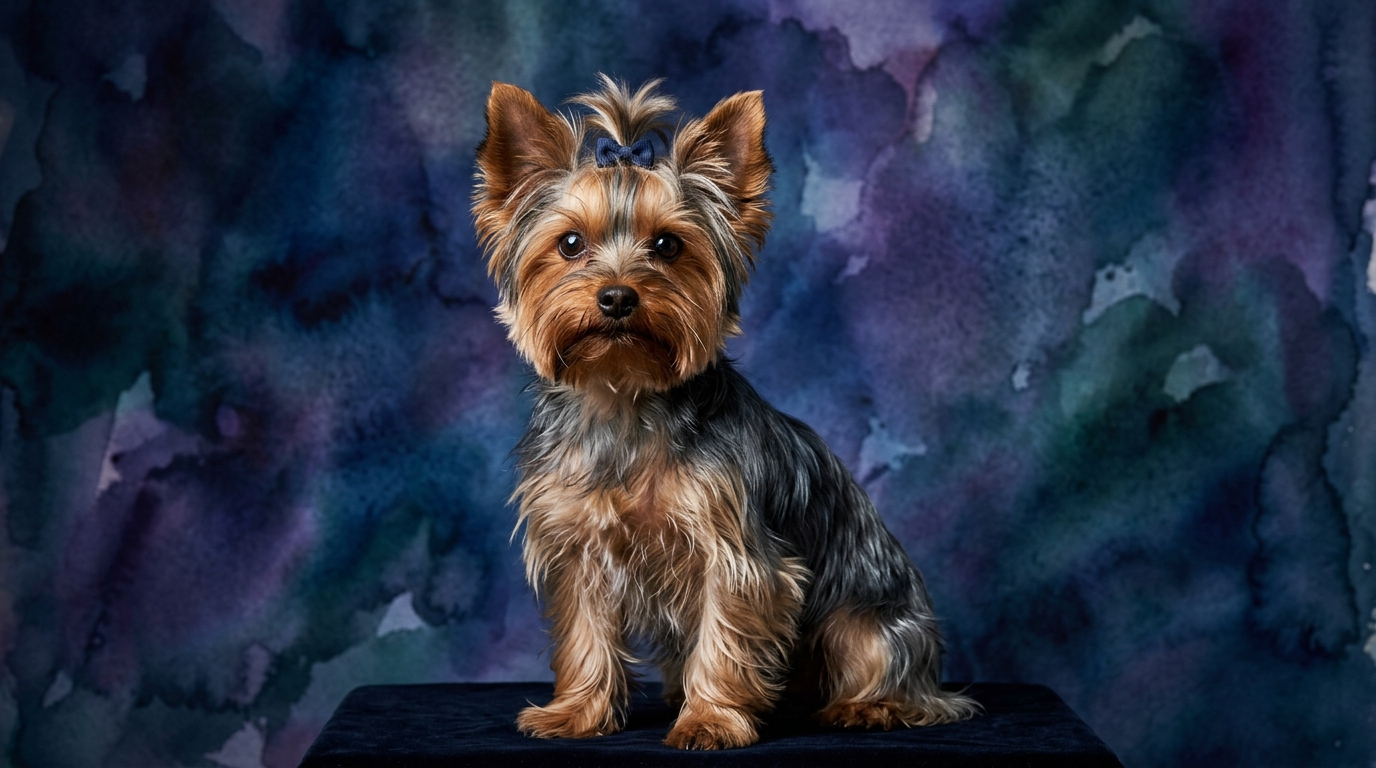
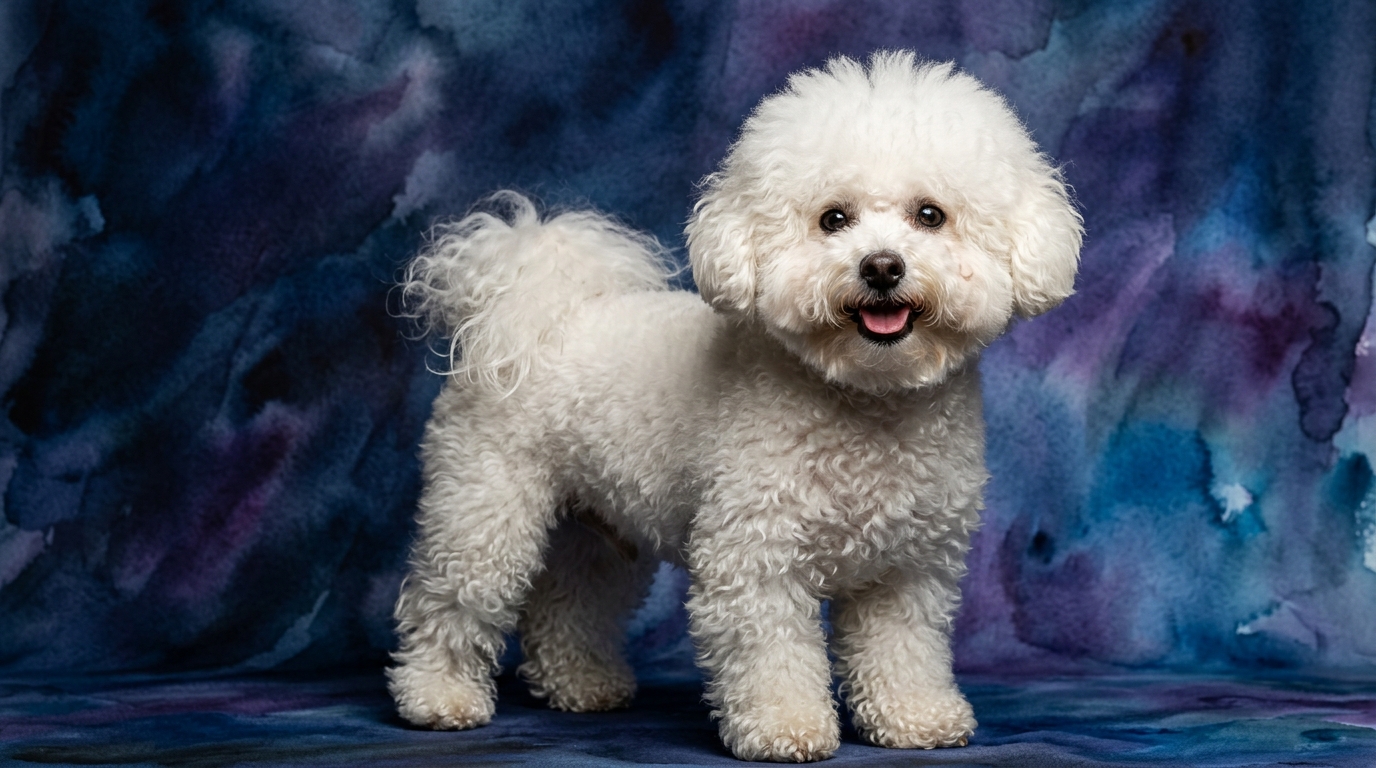
Side-by-Side IQ Profile: Yorkshire Terrier vs. Bichon Frisé
The Cosmic Pet’s IQ Lab provides a fascinating framework for understanding the unique cognitive strengths of different breeds. For the Yorkshire Terrier, a breed with a Coren rank of #27, their profile reveals a blend of terrier tenacity and sharp wit. Their Problem Solving is rated at 3/5, indicating a practical resourcefulness, particularly in navigating physical challenges. Training Speed is a commendable 4/5, showing a rapid capacity for learning new commands. Social Intelligence stands at 4/5, reflecting their attunement to family dynamics and strong bonds. Instinctive Drive, at 4/5, highlights their inherent alertness and prey drive, a nod to their working heritage. Finally, their Memory is strong at 4/5, ensuring learned behaviors are well-retained over time.
In contrast, the Bichon Frisé, with a Coren rank of #45, presents a cognitive profile centered on companionship and social harmony. Their Problem Solving also scores 3/5, though it often manifests as charming their way to solutions rather than independent physical action. Training Speed is 3/5, suggesting they require more patience and positive reinforcement during lessons. Where they truly excel is in Social Intelligence, scoring an exceptional 5/5, indicating profound empathy and a deep desire for connection. Their Instinctive Drive is considerably lower at 2/5, making them less prone to independent pursuits. Memory is rated at 3/5, sufficient for routines and frequently practiced commands, especially when linked to positive social experiences.
Where the Yorkshire Terrier Wins Cognitively
The Yorkshire Terrier’s cognitive strengths distinctly outshine the Bichon Frisé in areas demanding rapid command assimilation and proactive environmental engagement. Their superior training speed (4/5 vs. 3/5) allows for quicker mastery of new tasks and faster responses to cues. This is bolstered by their better memory (4/5 vs. 3/5), ensuring learned behaviors are retained with greater fidelity. Furthermore, their robust instinctive drive (4/5 vs. 2/5) provides a strong internal motivation for exploration and engagement, translating into eagerness for activities like scent work or agility. While both score 3/5 in problem-solving, the Yorkie's manifests as more independent, persistent efforts to overcome physical obstacles, a direct reflection of their terrier heritage.
Where the Bichon Frisé Wins Cognitively
The Bichon Frisé demonstrates a clear cognitive advantage in social interaction and emotional attunement, scoring an exceptional 5/5 in social intelligence compared to the Yorkshire Terrier's 4/5. This translates into an unparalleled ability to read and respond to human emotions, making them exquisitely sensitive and empathetic companions. They excel at understanding subtle non-verbal cues and adapting their behavior to maintain household harmony, often anticipating their owner's moods. Their significantly lower instinctive drive (2/5 vs. 4/5 for the Yorkie) means they are inherently less prone to independent pursuits like chasing or excessive barking, making them more consistently focused on human companionship and adaptable to various social settings.
Which is Easier to Train and Why
For owners prioritizing rapid command acquisition and reliable recall, the Yorkshire Terrier generally offers a more straightforward training experience. Their higher training speed (4/5) and memory (4/5) mean they typically learn and retain commands like “sit” or “stay” with fewer repetitions. However, their strong instinctive drive and independent terrier spirit necessitate consistent, engaging training to prevent distractions from overriding learned behaviors. A Yorkie might quickly learn a command but requires sustained mental stimulation and clear boundaries to remain focused. Without this, their innate curiosity or prey drive can lead to selective hearing.
The Bichon Frisé, with a training speed and memory of 3/5, requires more patience and a gentler, positive reinforcement-focused approach. While not as quick to grasp new concepts, their exceptional social intelligence (5/5) makes them highly motivated by pleasing their human companions. A Bichon might take longer to learn “come” but will respond reliably once they understand it leads to praise and affection. Their lower instinctive drive makes them less prone to chasing or wandering, simplifying off-leash training in secure areas. Behavioral differences mean a Yorkie might become stubborn if bored, while a Bichon might disengage if training feels harsh. The Bichon’s intrinsic desire for companionship also means addressing separation anxiety is crucial.
Which Suits Active Owners vs. Relaxed Owners
Active owners seeking a companion thriving on structured activity and mental engagement will find a better match in the Yorkshire Terrier. Their robust instinctive drive (4/5) and quick training speed (4/5) mean they benefit from regular, varied activities like daily walks, puzzle toys, and consistent training sessions. An owner who enjoys teaching tricks, scent work, or even agility will appreciate the Yorkie’s tenacity and agility. They require an owner prepared to productively channel their energy and curiosity, preventing boredom-induced behaviors. While capable of deep affection, their independent streak means they can be content with slightly less constant physical contact, provided their cognitive and physical needs are adequately met through structured engagement.
Conversely, the Bichon Frisé is an ideal companion for more relaxed owners who prioritize constant companionship and gentle interaction. Their superior social intelligence (5/5) ensures their primary contentment stems from being an integral part of the family, sharing spaces, and receiving affection. While they enjoy moderate walks and playful sessions, they lack the Yorkie’s intense drive for strenuous activity or independent exploration. A relaxed owner who is often present, perhaps working from home, perfectly suits a Bichon, as their happiness is intrinsically tied to human proximity. Their lower instinctive drive (2/5) means they are generally content with a cozy spot near their person, requiring less management of innate urges and being less prone to independent mischief.
The Verdict
Opt for a Yorkshire Terrier if you desire a spirited, quick-witted companion who thrives on consistent mental engagement, enjoys structured training, and possesses an independent, tenacious spirit for exploration.
Select a Bichon Frisé if your priority is an exceptionally affectionate, adaptable, and socially brilliant friend who flourishes with constant companionship and gentle guidance, valuing human connection above all else.
🧠 Find Your Pet's IQ Score
Our Pet IQ Lab assessment covers 25+ tests across 5 cognitive dimensions — personalized to your breed.
Take the Full IQ Test →Frequently Asked Questions
Do Yorkshire Terriers bark more than Bichon Frisés?
Generally, yes. Yorkshire Terriers' higher instinctive drive and alertness (4/5) mean they are more prone to barking at perceived threats or novel stimuli, whereas Bichon Frisés (2/5 instinctive drive) are typically less vocal.
Which breed is better for first-time dog owners?
The Bichon Frisé often presents an easier entry for first-time owners due to their exceptional social intelligence and lower instinctive drives, making them more forgiving and adaptable. Yorkshire Terriers, while trainable, require a more experienced hand to manage their independent terrier spirit.
How do their problem-solving abilities compare in daily life?
Both breeds score 3/5, but manifest differently: Yorkies tend to independently figure out physical obstacles with tenacity, while Bichons are more likely to "solve" problems by charming or engaging their humans to get what they want.