Side-by-Side IQ Profile: Yorkshire Terrier vs. Glen of Imaal Terrier
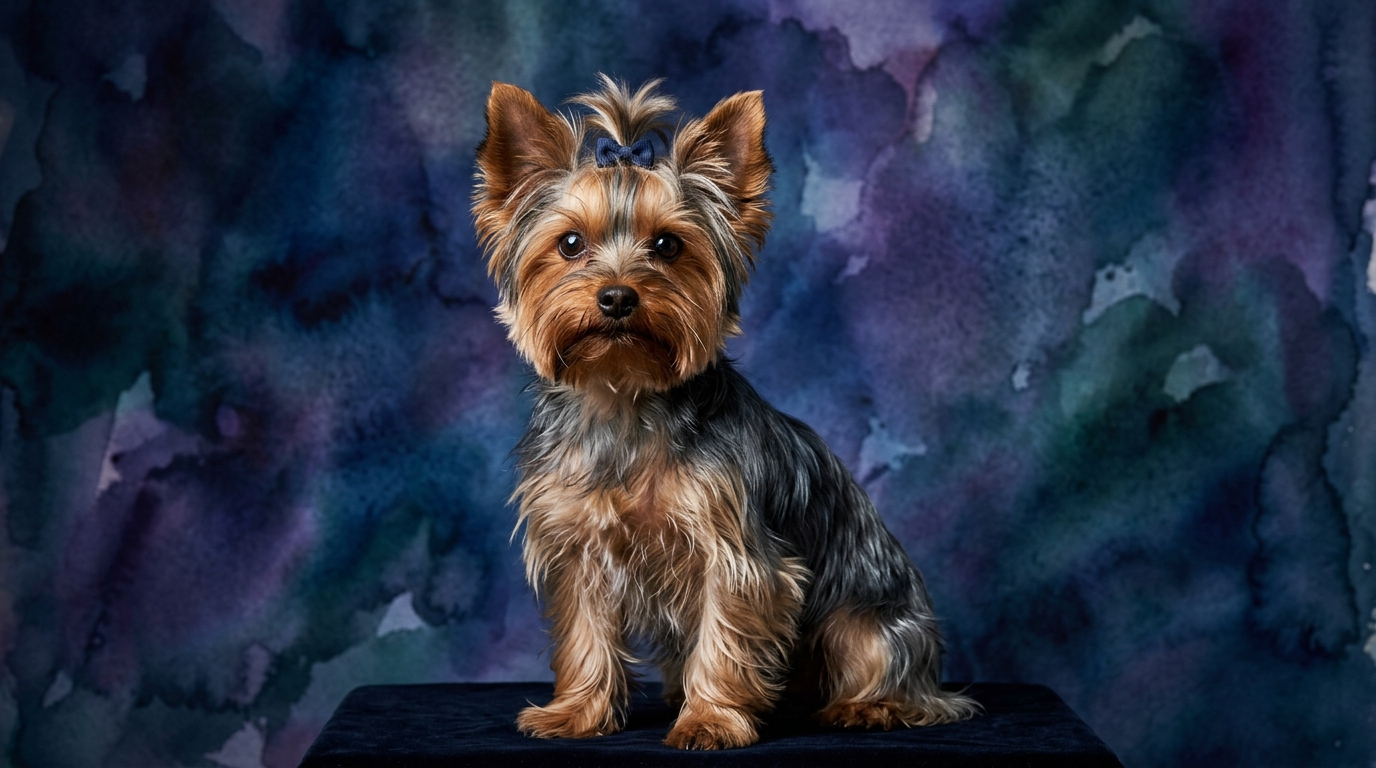
The Cosmic Pet Pet IQ Lab employs a five-dimensional framework to assess canine intelligence, offering a granular view of each breed’s cognitive makeup. For the Yorkshire Terrier, we observe a balanced profile with particular strengths in adaptability and social engagement. Their Problem Solving is rated 3/5, indicating an ability to navigate household puzzles and adapt to new situations effectively, though not necessarily seeking out complex intellectual challenges. Training Speed shines at 4/5, suggesting a quick grasp of new commands and an eagerness to learn. Social Intelligence also scores 4/5, reflecting their keen awareness of human moods and their capability for nuanced social interaction. Instinctive Drive is a notable 4/5, demonstrating a strong terrier prey drive alongside a pronounced desire for interactive play and companionship. Finally, their Memory is rated 4/5, enabling consistent recall of learned behaviors and recognition of familiar people and places.
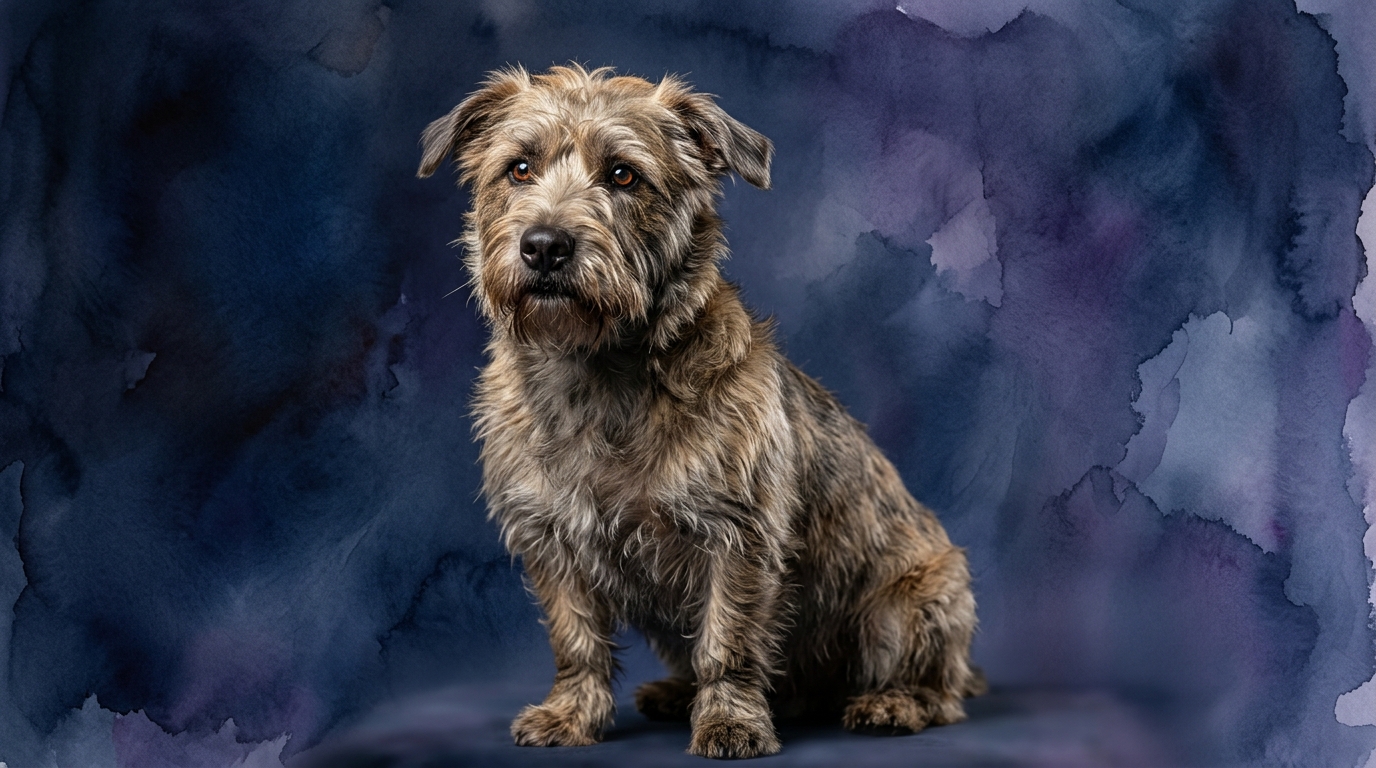
In contrast, the Glen of Imaal Terrier presents a profile reflecting its working heritage, characterized by independence and focused determination. Their Problem Solving capability stands at 3/5, similar to the Yorkie, indicating practical ingenuity, especially when it involves achieving a specific goal or overcoming an obstacle. Training Speed is rated 3/5, signifying a steady learning pace that requires consistent, patient instruction to solidify new behaviors. Social Intelligence is 3/5, suggesting they observe human behavior and respond appropriately but tend towards a more self-reliant nature, less overtly seeking constant human mirroring than some companion breeds. Their Instinctive Drive is also 3/5, showcasing a focused, persistent prey drive without the same outward exuberance or broad engagement seen in some other terriers. Memory scores 3/5, indicating reliable retention of routines and commands, though perhaps requiring more reinforcement over time compared to breeds with higher scores.
Where the Yorkshire Terrier Wins Cognitively
The Yorkshire Terrier’s cognitive profile shows distinct advantages in areas crucial for a highly interactive companion. Their Training Speed of 4/5 significantly outpaces the Glen’s 3/5, meaning a Yorkie will typically grasp new commands and routines more rapidly, often showing enthusiastic engagement in learning sessions. This quicker acquisition translates into a more fluid training experience for owners. Furthermore, the Yorkie’s Social Intelligence at 4/5 gives them a clear edge. They are highly attuned to human emotions and social cues, often anticipating desires and reacting with empathetic responses, making them exceptionally responsive and engaging companions. This deeper social connection allows for more complex non-verbal communication and a tighter bond.
Beyond social acumen, the Yorkshire Terrier’s higher Instinctive Drive (4/5) manifests as a more versatile and outwardly expressive engagement with their environment and people. While still possessing a terrier’s prey drive, it's often channeled into playful pursuits and an eagerness for interactive games, making them more overtly 'game' for varied activities. Their 4/5 Memory score also means they retain learned behaviors and experiences more robustly, contributing to more consistent recall and a greater capacity for remembering complex sequences or routines over extended periods, which can be invaluable in maintaining training and navigating daily life.
Where the Glen of Imaal Terrier Wins Cognitively
While the Glen of Imaal Terrier’s individual cognitive scores might not always surpass the Yorkie's, its unique combination of attributes reveals distinct strengths, particularly in its specific application of problem-solving and its independent spirit. The Glen’s Problem Solving (3/5), coupled with its focused Instinctive Drive (3/5), allows for a tenacious, methodical approach to tasks. This breed excels at persistent, independent effort when faced with a challenge, particularly those that tap into its original badger-hunting purpose, demonstrating resilience and a steady resolve rather than frantic energy. This translates into a dog that can focus intently on a task until completion, often requiring less human intervention than breeds that might seek constant guidance.
The Glen of Imaal Terrier’s moderate Social Intelligence (3/5) can be interpreted as a cognitive win for owners who appreciate a dog with a strong sense of self-possession and less demand for constant social validation. They observe and understand their human companions but maintain a degree of independence, making them less prone to separation anxiety or needing continuous reassurance. This self-reliance means they are comfortable entertaining themselves or resting quietly without constant human interaction, a valuable trait for owners seeking a companion that is present but not overly demanding of attention. Their overall cognitive profile speaks to a dog that is sturdy, self-sufficient, and possesses a quiet determination.
Which is Easier to Train and Why?
Based on their respective IQ profiles, the Yorkshire Terrier is generally easier to train compared to the Glen of Imaal Terrier. The Yorkie's Training Speed of 4/5 indicates a rapid acquisition of new commands and routines, often showing enthusiasm for learning sessions. This is further bolstered by their 4/5 Social Intelligence, which means they are highly attuned to their owner’s cues and moods, often demonstrating a strong desire to please and engage in cooperative learning. Their excellent Memory (4/5) ensures that once a behavior is learned, it is retained consistently, making training efforts more lasting.
In contrast, the Glen of Imaal Terrier's Training Speed of 3/5 suggests a more deliberate learning pace. While capable of learning, they require more consistent repetition and patience. Their 3/5 Social Intelligence means they are less likely to be motivated purely by a desire to please, often preferring to make their own choices. Training a Glen benefits from understanding their independent nature; it's about convincing them that complying is in their best interest, rather than expecting eager subservience. Owners should be prepared for a more gradual process, relying on positive reinforcement and clear, consistent communication to build a strong foundation.
Which Suits Active Owners vs. Relaxed Owners?
The cognitive profiles of these two breeds offer insights into which might better suit different owner lifestyles. The Yorkshire Terrier, with its higher Social Intelligence (4/5) and versatile Instinctive Drive (4/5), thrives with owners who are active in social engagement and enjoy integrating their dog into daily activities. They flourish when their humans provide consistent interaction, varied play, and regular training challenges. An owner who enjoys interactive games, walks, and having their dog as a constant, responsive companion in social settings would find the Yorkie's cognitive makeup aligns perfectly with their lifestyle. They are not necessarily 'active' in the sense of needing miles of running, but 'active' in their need for mental and social stimulation.
The Glen of Imaal Terrier, with its more independent Social Intelligence (3/5) and focused Instinctive Drive (3/5), is suited for owners who appreciate a dog with a strong sense of self and a more measured approach to social interaction. While they need regular physical exercise to satisfy their terrier instincts, their social demands might be lower than a Yorkie’s. They are well-suited for owners who enjoy focused activities like scent work or earthdog trials, or those who value a canine companion that is resilient and comfortable with periods of self-sufficiency. They are not 'relaxed' in terms of being sedentary, but their 'relaxed' nature pertains to their social independence, making them a good fit for owners who lead a more independent lifestyle themselves and appreciate a dog that doesn't constantly demand attention.
The Verdict: When to Choose Each Breed
The Verdict
Choose the Yorkshire Terrier if you seek a highly interactive, quick-to-learn companion deeply attuned to family dynamics, thriving on consistent social engagement and varied mental stimulation.
Opt for the Glen of Imaal Terrier if you value a resilient, independent, and tenacious terrier with a steady temperament, capable of focused work and comfortable with a degree of self-sufficiency.
🧠 Find Your Pet's IQ Score
Our Pet IQ Lab assessment covers 25+ tests across 5 cognitive dimensions — personalized to your breed.
Take the Full IQ Test →Frequently Asked Questions
Do Yorkshire Terriers and Glen of Imaal Terriers have similar energy levels?
While both are terriers, their energy manifests differently. Yorkshire Terriers typically have a more outwardly expressive energy, often channeling their drive into interactive play and social engagement. Glen of Imaal Terriers possess a focused, tenacious energy, often calmer but with a deep-seated drive for specific tasks, requiring consistent outlets for their working instincts.
Which breed is better for first-time dog owners?
The Yorkshire Terrier, with its higher Training Speed and Social Intelligence, is generally more forgiving and easier to train for first-time owners who can provide consistent social interaction. The Glen of Imaal Terrier's independent nature and more deliberate learning pace may require more experience and patience from an owner familiar with terrier traits.
Are either of these breeds prone to common behavioral challenges related to their IQ?
Yorkshire Terriers' high instinctive drive and social intelligence can lead to demand barking or over-attachment if not managed with consistent training and boundaries. Glen of Imaal Terriers' independence and focused drive mean they may exhibit stubbornness or single-mindedness if their instincts aren't channeled appropriately, requiring an owner who understands their intrinsic motivations.