Side-by-Side IQ Profile
At The Cosmic Pet Pet IQ Lab, we analyze canine cognition across five key dimensions, providing a granular view of a breed's mental aptitudes. While both the Yorkshire Terrier and the Greater Swiss Mountain Dog share a 'problem solving' score of 3/5, indicating practical intelligence for everyday challenges rather than complex abstract thought, their cognitive profiles diverge notably in other areas, revealing distinct mental strengths.
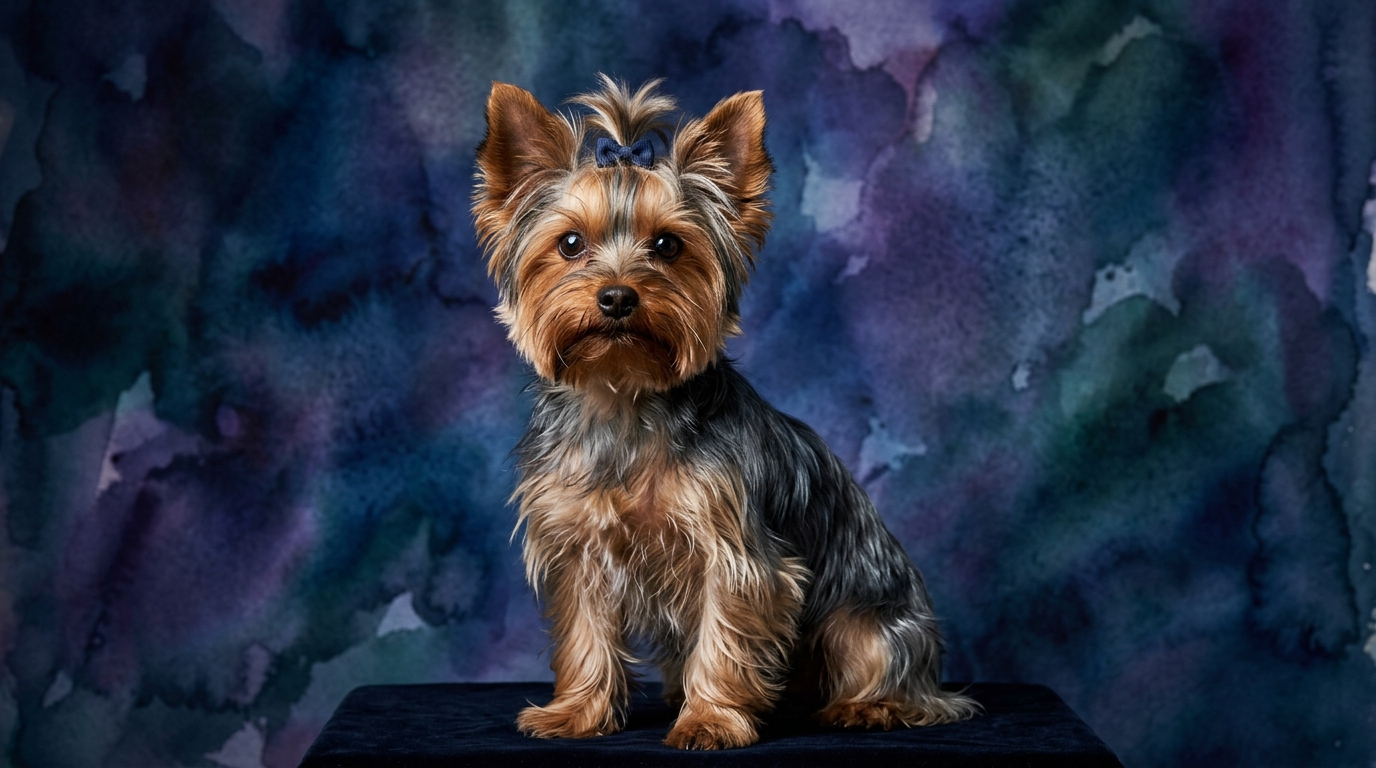
The Yorkshire Terrier, a Coren-ranked #27 breed, showcases a vibrant mental agility. Their 'training speed' is 4/5, signifying a rapid grasp of commands and responsiveness. 'Social intelligence' also scores 4/5, reflecting a strong capacity to interpret human cues and form deep bonds. A 'memory' of 4/5 ensures reliable recall, while an 'instinctive drive' of 4/5 points to a keen terrier nature, including a notable prey drive and vigilance.
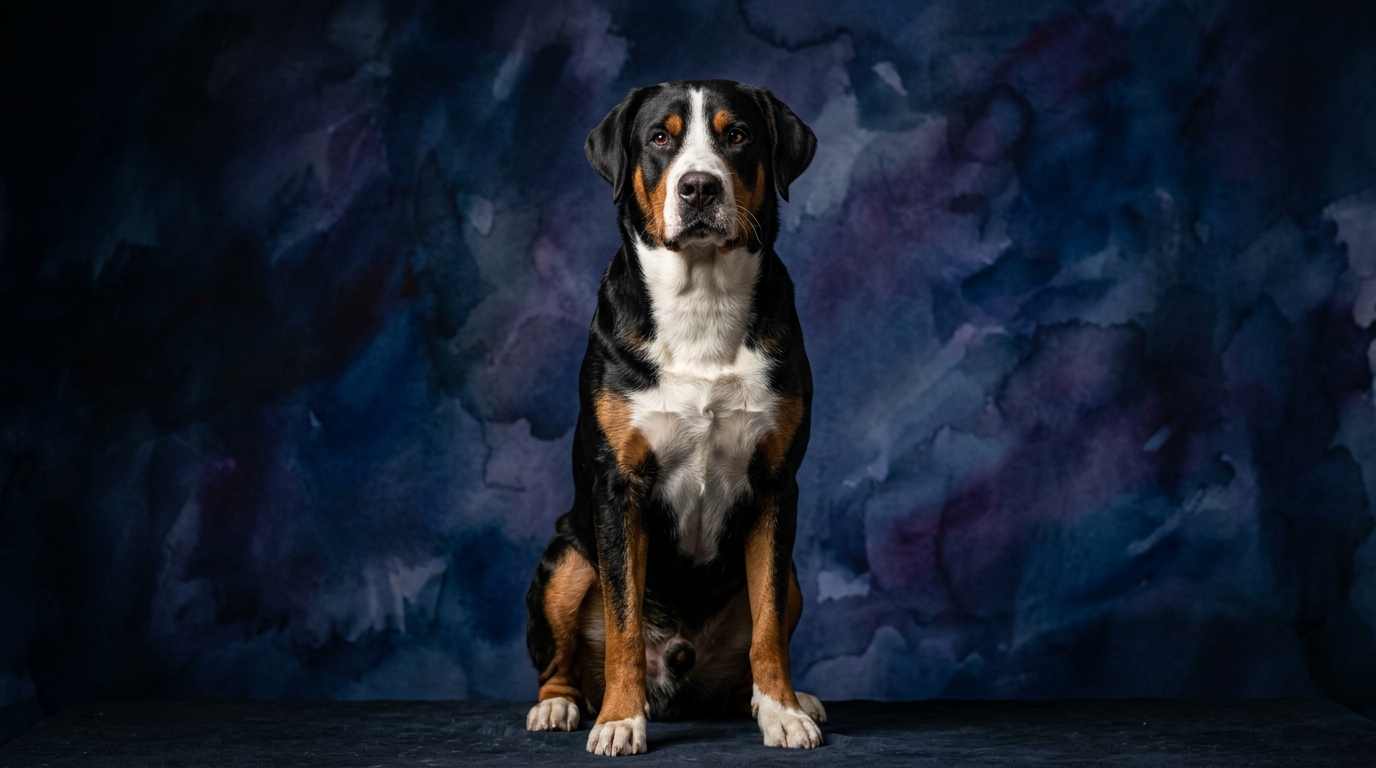
Conversely, the Greater Swiss Mountain Dog, though not Coren-ranked, exhibits a more deliberate cognitive style. Their 'training speed' is 3/5, suggesting steady learning that benefits from consistency. 'Social intelligence' at 3/5 indicates devotion to family but a reserved approach with strangers, highlighting the need for early socialization. A 'memory' of 3/5 implies adequate retention, and an 'instinctive drive' of 3/5 reflects their working dog heritage with traits like pulling or guarding, generally less intense than a terrier's hunting instincts.
Where Yorkshire Terrier Wins Cognitively
The Yorkshire Terrier distinguishes itself cognitively in domains requiring quick adaptation and social nuance. Their superior 'training speed' (4/5 vs. Swissy's 3/5) means they typically master new commands with fewer repetitions, making them highly responsive to positive reinforcement. This swift learning curve allows for a broader range of tricks and obedience skills to be taught efficiently, appealing to owners who enjoy dynamic training.
The Yorkie's elevated 'social intelligence' (4/5) further enhances their ability to connect with humans, adeptly interpreting subtle cues and fostering intuitive bonds. This social acumen contributes to their adaptability in various family settings and public interactions, given proper socialization. Moreover, their 'memory' at 4/5 ensures established behaviors are retained reliably, reducing the need for constant refreshers compared to breeds with lower memory scores.
Where Greater Swiss Mountain Dog Wins Cognitively
While the Greater Swiss Mountain Dog's scores might appear numerically lower, their cognitive profile offers distinct strengths, particularly in temperament and reliability. Their 'problem solving' score of 3/5, matching the Yorkie's, signifies a practical intelligence well-suited for navigating daily routines without requiring complex abstract reasoning, providing a steady and dependable presence.
A key advantage lies in their 'instinctive drive' at 3/5, notably lower than the Yorkie's 4/5. This moderate drive means they are less prone to intense prey instincts or constant vigilance, often resulting in a more composed and predictable companion less driven by impulse. Their 'social intelligence' and 'memory' at 3/5 contribute to a stable character, fostering profound loyalty within their family unit and ensuring consistent, valued companionship.
Which Is Easier to Train and Why
For ease of training, the Yorkshire Terrier generally offers a more rapid experience due to their 'training speed' of 4/5. Yorkies quickly grasp commands and are often eager to engage, making basic obedience and trick training rewarding. However, their robust 'instinctive drive' (4/5) necessitates early, consistent positive reinforcement to manage terrier traits like a strong prey drive or vocal alerts, ensuring good habits are instilled firmly.
The Greater Swiss Mountain Dog, with a 'training speed' of 3/5, requires a more patient, consistent approach. They learn steadily but benefit from more repetitions to solidify commands. While not as quick, their lower 'instinctive drive' (3/5) often means fewer distractions from small prey, allowing them to focus better once they understand the task. Their working heritage makes them responsive to purposeful tasks, like carrying items, with a steady, determined effort.
Behaviorally, Yorkies can exhibit a feisty independence, requiring firm boundaries to prevent 'small dog syndrome.' Swissys, while generally steady, possess an independent streak and protective nature. Their larger size means foundational obedience and leash manners are critical early on. Ultimately, the Yorkie excels in speed of acquisition, while the Swissy rewards patient training with dependable loyalty.
Which Suits Active Owners vs. Relaxed Owners
Matching a dog's cognitive needs with an owner's lifestyle is crucial. Active owners will find the Yorkshire Terrier an enthusiastic partner for varied training, agility, or brisk walks. Their high 'instinctive drive' (4/5) and 'social intelligence' (4/5) mean they thrive on constant interaction and mental challenges, quickly becoming bored if under-stimulated. They are ideal for individuals seeking a portable, spirited companion for adventures.
The Greater Swiss Mountain Dog also requires significant activity, but their profile suggests a different pace. Their robust build and 'instinctive drive' (3/5) suit activities like hiking, carting, or long, steady walks. While lacking the Yorkie's quick-fire mental agility, they appreciate purposeful tasks and sustained physical exertion. Active owners seeking a powerful, dependable companion for strenuous outdoor excursions will find the Swissy an excellent fit, provided they commit to consistent exercise.
For more relaxed owners, the choice involves nuanced considerations. A Yorkie's smaller size allows for indoor play, but their constant mental engagement and potential vocalness require a present owner. Their quick learning is beneficial, but their sharp memory ensures inconsistent rules are remembered. The Swissy, despite its size, can be calm indoors once adequately exercised. Their 'social intelligence' (3/5) and moderate 'instinctive drive' (3/5) lead to a more reserved demeanor, making them less demanding of constant attention, provided their foundational needs are met with substantial daily outdoor activity.
The Verdict
Choose the Yorkshire Terrier if you seek a spirited, quick-witted companion eager for constant engagement and fast-paced learning, thriving in dynamic social environments.
Opt for the Greater Swiss Mountain Dog if you desire a steadfast, powerful companion with a calm demeanor, valuing consistent routines and purposeful outdoor activities.
🧠 Find Your Pet's IQ Score
Our Pet IQ Lab assessment covers 25+ tests across 5 cognitive dimensions — personalized to your breed.
Take the Full IQ Test →Frequently Asked Questions
Does the Coren ranking indicate overall intelligence?
The Coren ranking primarily measures obedience and working intelligence, reflecting how quickly a breed learns and obeys commands. It doesn't encompass the full spectrum of canine cognition, such as problem-solving in novel situations or social intelligence, which our Pet IQ Lab scores address more broadly.
How important is early socialization for these breeds?
Early socialization is crucial for both, but for different reasons. For the Yorkshire Terrier, it helps channel their high social intelligence and instinctive drive, preventing excessive timidity or bossiness. For the Greater Swiss Mountain Dog, it's vital to develop their social intelligence and ensure they are comfortable and well-adjusted around strangers and new environments, given their naturally more reserved disposition.
Can a Greater Swiss Mountain Dog live in an apartment?
While their size suggests otherwise, a Greater Swiss Mountain Dog can adapt to apartment living if their significant exercise and mental stimulation needs are consistently met. Daily long walks, playtime, and purposeful activities are essential to keep them content and prevent boredom, which could lead to destructive behaviors.