Side-by-Side IQ Profile: Yorkshire Terrier vs. Japanese Chin
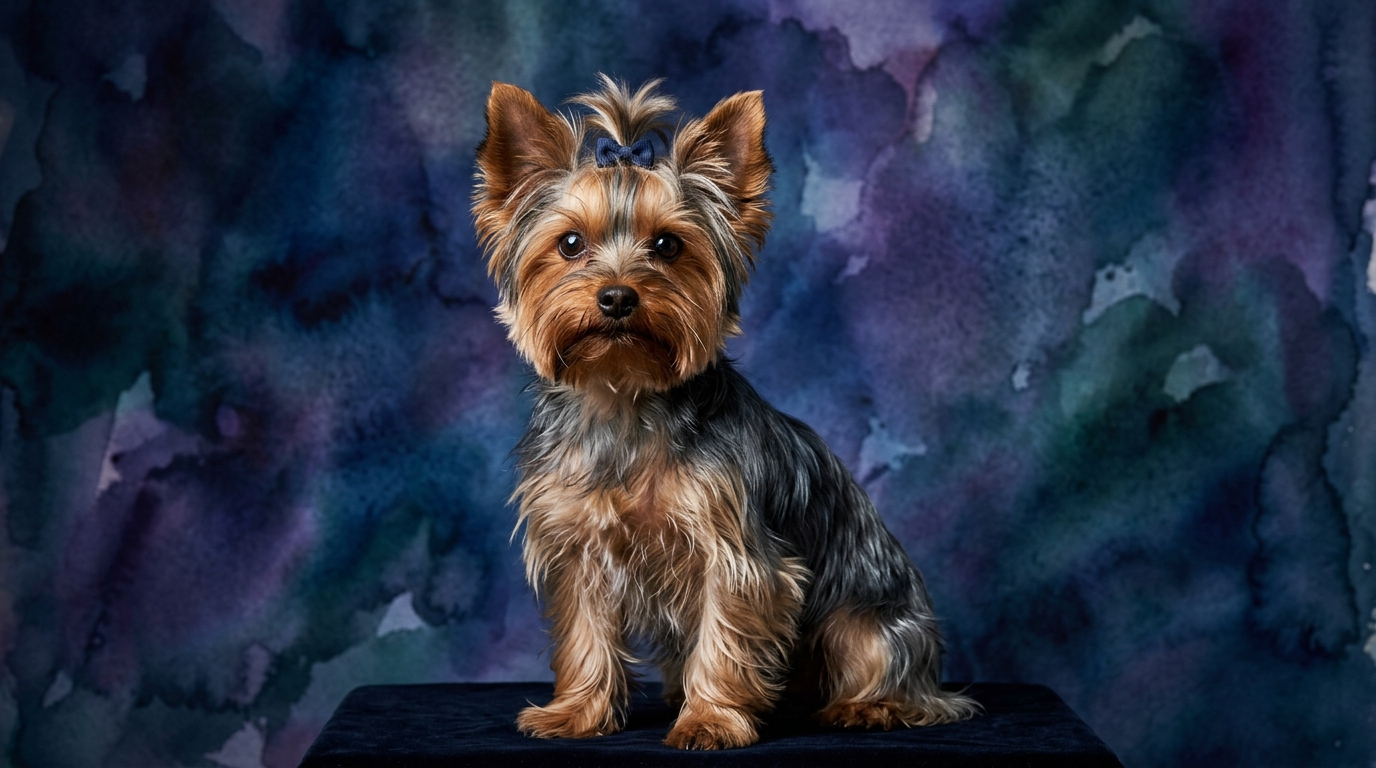
At The Cosmic Pet Pet IQ Lab, we evaluate canine intelligence across five key dimensions. For the Yorkshire Terrier, a breed with a Coren ranking of #27, its profile reveals a Problem Solving ability of 3/5, indicating it is adept at navigating minor daily obstacles and understanding basic cause-and-effect, though not inclined towards complex abstract challenges. Its Training Speed is a notable 4/5, signifying a quick grasp of new commands and routines. Social Intelligence also scores 4/5, reflecting its perceptiveness to human cues and strong relational bonding. A robust Instinctive Drive of 4/5 fuels its curiosity and engagement with the environment, while its Memory, also 4/5, ensures consistent retention of learned behaviors and experiences.
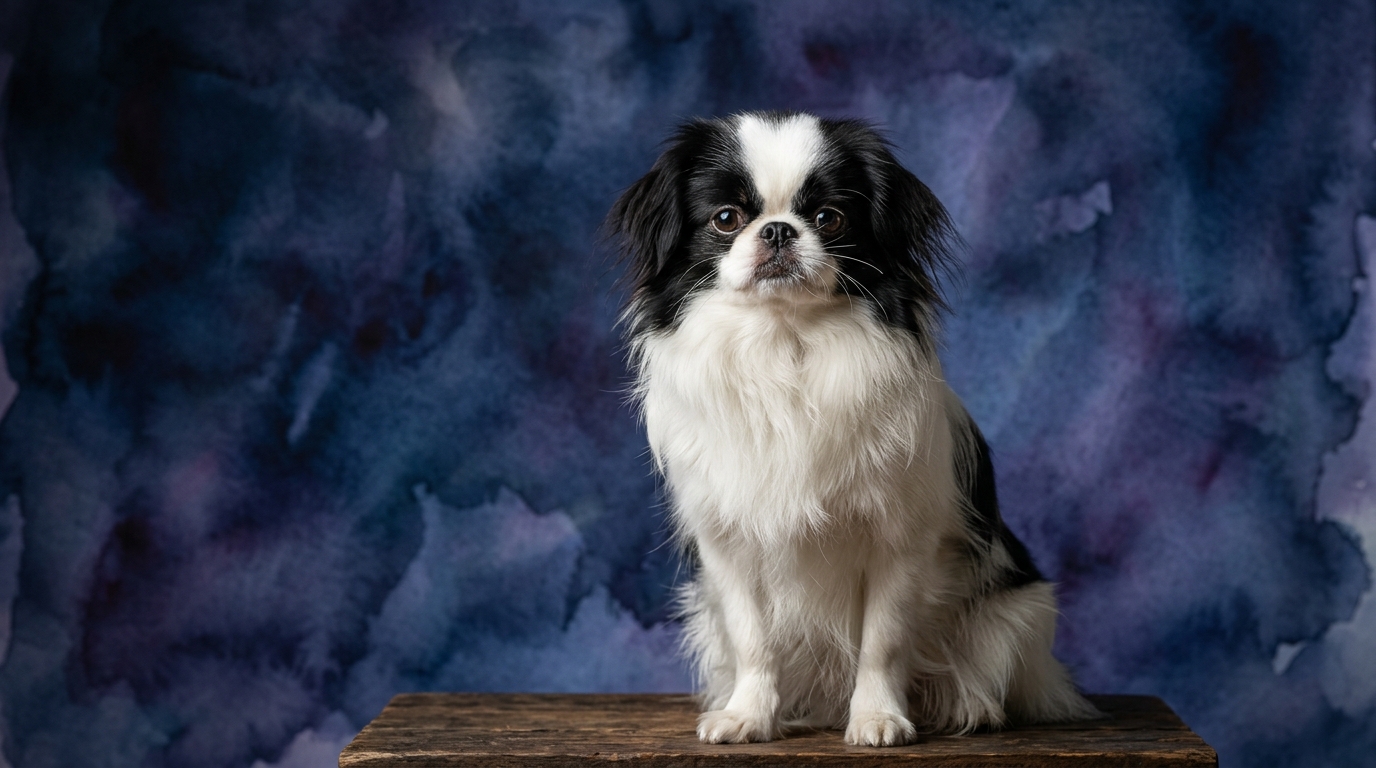
The Japanese Chin, a breed not Coren-ranked, presents a more uniformly moderate cognitive profile across all dimensions. Its Problem Solving ability is rated at 3/5, suggesting it can handle straightforward daily challenges without undue stress but typically doesn't seek out complex mental puzzles. Training Speed is 3/5, meaning it learns at a steady, moderate pace, requiring patience and gentle reinforcement. Social Intelligence also stands at 3/5, allowing it to connect with its family and recognize routines, though it might be more reserved than overtly demonstrative. Its Instinctive Drive is 3/5, indicating a balanced interest in its surroundings without strong prey drives or intense exploratory urges. Finally, its Memory is 3/5, adequate for remembering essential routines and basic commands, contributing to its role as a stable companion.
Where the Yorkshire Terrier Wins Cognitively
The Yorkshire Terrier demonstrates a clear cognitive edge in several key areas, largely attributable to its terrier heritage and the specific scores in our IQ evaluation. Its Training Speed, rated at 4 out of 5, means it typically grasps new commands and routines with impressive alacrity. Owners often find these dogs are quick studies, eager to engage in learning sessions and respond to cues, making the process of teaching basic obedience or even tricks a rewarding experience. This responsiveness is further bolstered by its 4/5 Social Intelligence. Yorkies are astute observers of human behavior, adept at interpreting subtle cues and forming deep, reciprocal bonds with their family members. They navigate household dynamics with a keen understanding, often anticipating needs and reacting to emotional shifts, which contributes to their reputation as highly interactive companions.
Furthermore, their Instinctive Drive, also at 4 out of 5, signifies a robust internal motivation for engagement and exploration. This isn't just about chasing small prey; it manifests as a persistent curiosity, a desire to 'work' or play with purpose, whether it's solving a puzzle toy or participating in agility-like games. Coupled with a strong Memory (4/5), the Yorkshire Terrier consistently retains learned behaviors and experiences, ensuring that training efforts yield lasting results. This combination of quick learning, social perceptiveness, inherent drive, and robust recall positions the Yorkie as a cognitively engaged and responsive companion, ready for a variety of mental challenges.
Where the Japanese Chin Wins Cognitively
While the Japanese Chin's scores across the board are a steady 3 out of 5, this consistent, moderate profile represents a unique cognitive advantage for specific living situations. Rather than excelling in high-intensity cognitive tasks or demonstrating a strong drive for complex problem-solving, the Chin's 'win' lies in its balanced and often undemanding mental approach. Its 3/5 in Problem Solving indicates a capacity to handle everyday situations without becoming overwhelmed or overly persistent in challenging scenarios, leading to a generally calm demeanor.
The moderate Training Speed (3/5) means it is receptive to learning, but without the intense drive that might lead to boredom or destructive behaviors if not constantly stimulated. This translates to an animal that is content with a more relaxed training pace, fostering a bond based on mutual affection rather than rigorous command-and-response. Similarly, its 3/5 Social Intelligence allows it to be a perceptive and affectionate companion without the demanding need for constant social engagement that some breeds exhibit. The Japanese Chin's instinctive drives are also moderate (3/5), meaning it is less prone to strong prey drives or incessant exploration, making it naturally suited to indoor living and less likely to seek out trouble. This breed's cognitive strengths manifest in its ability to adapt gracefully to a peaceful home environment, providing companionship that is present and observant, yet not requiring constant mental exertion from its owners. Its balanced memory (3/5) ensures it remembers routines and family members, contributing to its role as a stable and predictable presence.
Which is Easier to Train, and Why?
When considering ease of training, the Yorkshire Terrier generally presents a more straightforward path for owners, primarily due to its higher scores in Training Speed (4/5) and Instinctive Drive (4/5). These breeds typically show a quicker uptake of new commands and a greater eagerness to participate in structured learning sessions. Their inherent terrier drive means they often respond well to reward-based training that taps into their desire for engagement and mental stimulation, making them receptive to activities like obedience, trick training, or even mini-agility. Their 4/5 Social Intelligence also means they are attentive to their handler's moods and instructions, often working to please.
Conversely, the Japanese Chin, with its consistent 3/5 across cognitive dimensions, requires a more patient and nuanced approach. While capable of learning, its moderate Training Speed suggests that repetition and consistent positive reinforcement over time are key. These dogs are often more motivated by comfort, affection, and gentle interaction rather than a strong drive for 'work' or high-energy tasks. Their moderate instinctive drive means they may not find traditional obedience drills as inherently stimulating, sometimes preferring to observe or simply enjoy quiet companionship. Therefore, while both breeds are trainable, the Yorkie typically offers a more responsive and faster learning curve for owners seeking a dog that readily engages in formal training, whereas the Chin thrives with a gentle, relationship-focused approach that respects its more laid-back mental pace.
Suitability for Active vs. Relaxed Owners
The distinct cognitive profiles of the Yorkshire Terrier and Japanese Chin naturally align with different owner lifestyles. For active owners who enjoy consistent engagement and mental stimulation with their pet, the Yorkshire Terrier proves to be an excellent match. Its 4/5 Instinctive Drive fuels a desire for purposeful activity, whether it's exploring new environments, participating in structured play, or learning new tricks. Coupled with its 4/5 Social Intelligence and Training Speed, a Yorkie thrives on interaction, responding enthusiastically to invitations for walks, games, or training sessions. These are dogs that genuinely enjoy being involved in their human's daily activities, making them suitable for individuals or families who can dedicate time to regular mental and physical exercise.
On the other hand, the Japanese Chin, with its consistently moderate 3/5 scores, is an ideal companion for more relaxed owners. Its lower instinctive drive and moderate social intelligence mean it is perfectly content with a calmer routine, enjoying quiet companionship on the sofa or a gentle stroll around the block. This breed doesn't demand constant mental stimulation or vigorous exercise to be content; instead, it finds satisfaction in the peaceful rhythm of home life. Owners who appreciate a serene presence and a dog that is self-sufficient in its downtime, yet still affectionate and observant, will find the Japanese Chin's temperament and cognitive makeup perfectly suited to their tranquil lifestyle.
The Verdict
For owners seeking a highly interactive, quick-to-learn companion eager for engagement and training, the Yorkshire Terrier's spirited cognitive profile is an excellent choice.
If a serene, observant, and moderately active companion that thrives on calm affection and a relaxed routine is desired, the Japanese Chin offers a perfectly balanced mental approach.
🧠 Find Your Pet's IQ Score
Our Pet IQ Lab assessment covers 25+ tests across 5 cognitive dimensions — personalized to your breed.
Take the Full IQ Test →Frequently Asked Questions
Are Yorkshire Terriers good at learning tricks?
Yes, Yorkshire Terriers excel at learning tricks due to their 4/5 Training Speed and 4/5 Memory. They enjoy mental engagement and respond well to consistent, positive reinforcement, often picking up new behaviors quickly.
Do Japanese Chins need a lot of mental exercise?
Japanese Chins have a moderate (3/5) instinctive drive and problem-solving ability, meaning they don't require intense mental exercise. They appreciate gentle interaction and puzzle toys but are content with a calmer routine, finding satisfaction in observant companionship.
How does the Coren ranking apply to these breeds?
The Yorkshire Terrier's Coren rank of #27 reflects its capacity for obedience and working intelligence, indicating it learns new commands efficiently. The Japanese Chin is not Coren-ranked, which suggests its cognitive strengths are more aligned with its role as a companion, valuing adaptability and calm presence over traditional working tasks.