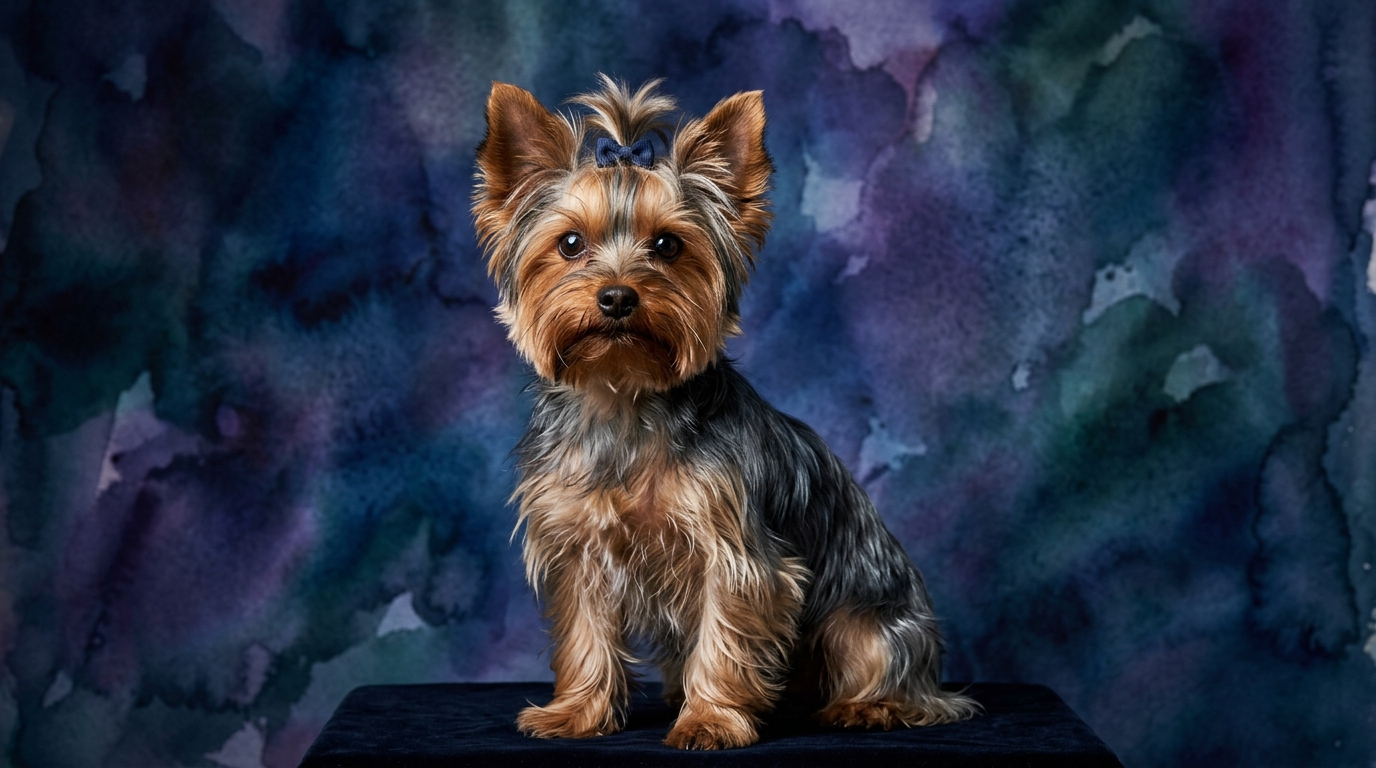
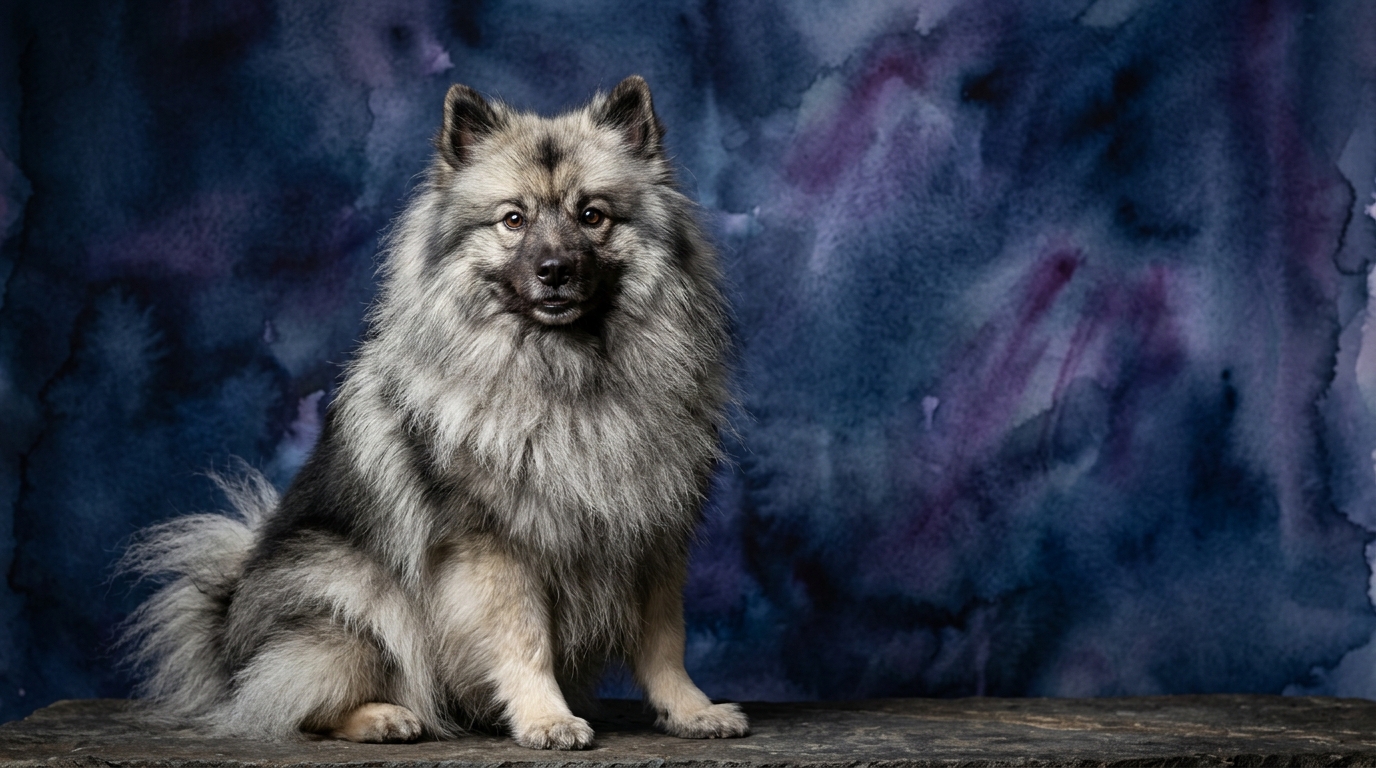
Side-by-side IQ profile
**Yorkshire Terrier (Coren Rank #27):** This breed’s cognitive makeup is tailored for alert companionship and lively interaction.
**Problem Solving (3/5):** Yorkies show moderate aptitude for novel situations, learning through trial and error, especially with rewards. They are clever enough for daily navigation but might not consistently excel at complex, abstract puzzles, favoring pragmatic, direct solutions.
**Training Speed (4/5):** This breed quickly grasps new commands and routines. Their eagerness and focus, when motivated, make them responsive students, enabling swift progress in obedience and trick training by forming rapid associations.
**Social Intelligence (4/5):** Yorkies possess a finely tuned ability to read human emotions and social cues. They form deep bonds, understanding subtle shifts in tone or body language, contributing to their reputation as interactive, adaptable companions who communicate empathetically.
**Instinctive Drive (4/5):** Reflecting their terrier heritage, Yorkies have a strong innate drive for chasing, digging, and vocalizing. Their persistence in pursuing perceived “prey” or exploring is pronounced, requiring mindful channeling.
**Memory (4/5):** This breed retains learned behaviors, routines, and experiences effectively. They remember commands and environmental layouts, contributing to consistent performance once behaviors are established.
**Keeshond (Coren Rank #16):** The Keeshond’s intelligence is characterized by thoughtful independence and remarkable retention.
**Problem Solving (4/5):** Keeshonden display strong capacity for independent thought and problem-solving, often devising their own strategies. They understand causal relationships, adapting to new situations with thoughtful consideration, making them adept at complex environments.
**Training Speed (4/5):** Like Yorkies, Keeshonden learn new commands and behaviors quickly. They are attentive and grasp concepts rapidly when training is engaging and positive, allowing for swift progress in formal obedience.
**Social Intelligence (3/5):** Keeshonden exhibit moderate social intelligence, generally interacting well but potentially less acutely attuned to subtle emotional shifts. They are affectionate, but their interpretation of complex human social dynamics might be more direct, valuing clear communication.
**Instinctive Drive (3/5):** Their historical role as watchdogs means Keeshonden have a moderate instinctive drive, primarily expressed through vigilance and barking. Their drive for chasing or digging is less pronounced compared to terriers.
**Memory (5/5):** Keeshonden possess exceptional memory. They recall past events, commands, and routines with remarkable accuracy and longevity. This strong recall contributes to retaining complex training and remembering people/places, making them very consistent.
Where Yorkshire Terrier wins cognitively
The Yorkshire Terrier's cognitive profile shines particularly in areas of social intelligence and a balanced instinctive drive. With a 4/5 in social intelligence, Yorkies typically outperform the Keeshond's 3/5, indicating a more nuanced understanding of human emotional states and social cues. This translates to a dog often more instinctively responsive to a handler's mood, fostering a deeply empathetic bond. Their 4/5 instinctive drive, while requiring management, provides a lively enthusiasm for interaction and play that can be powerfully motivating in training, often surpassing the Keeshond's more moderate 3/5 drive for physical activities beyond vigilance. The Yorkie's slightly higher social intelligence gives it an edge in intuitive communication, often anticipating desires or reacting to subtle shifts in household dynamics before explicit commands, making them adept at becoming integrated, intuitive family members.
Where Keeshond wins cognitively
The Keeshond's cognitive strengths are most prominent in problem-solving and memory. Scoring a 4/5 in problem-solving, the Keeshond edges out the Yorkshire Terrier's 3/5, suggesting a greater capacity for independent thought and strategic planning when faced with new challenges. This breed is more likely to methodically work through a puzzle or devise a clever solution to achieve a desired outcome, rather than relying solely on trial and error. Furthermore, the Keeshond boasts an exceptional 5/5 in memory, surpassing the Yorkie's still impressive 4/5. This superior recall means a Keeshond is likely to retain complex sequences of commands, remember specific people or places, and adhere to established routines with remarkable consistency over extended periods. This makes them incredibly reliable once a behavior is learned, requiring less frequent refreshers for previously mastered tasks, and allows them to build a vast mental library of experiences.
Which is easier to train and why
Both breeds share a 4/5 score in training speed, indicating rapid learning. However, ease of training differs based on other cognitive traits. The Yorkshire Terrier's higher social intelligence (4/5) and strong instinctive drive (4/5) make them particularly eager to please and highly motivated by interactive play or food. Their responsiveness to subtle cues often means they anticipate expectations, making early obedience and trick training flow smoothly. Conversely, the Keeshond's superior problem-solving (4/5) and strong memory (5/5) enable them to master complex tasks and retain them for life. Yet, their slightly lower social intelligence (3/5) and moderate instinctive drive (3/5) mean they might be less inherently driven by human approval and more independent, sometimes requiring more creative engagement from the trainer. While both learn quickly, the Yorkie offers a more consistently enthusiastic partner for basic obedience due to its social attunement, whereas the Keeshond excels in retaining and performing advanced tasks once its independent mind is convinced.
Which suits active owners vs relaxed owners
The choice for active versus relaxed owners depends on how their cognitive profiles translate into daily needs. Yorkshire Terriers, with their 4/5 instinctive drive, possess a lively, tenacious spirit. They thrive with owners who channel this drive into regular playtime, walks, and mental stimulation. Their higher social intelligence (4/5) means they genuinely enjoy being involved in family activities and can become bored if unstimulated, potentially leading to vocalization or mischief. They require consistent, engaging interaction. Keeshonden, scoring 3/5 in instinctive drive, are active and alert, historically vigilant. Their exceptional memory (5/5) and problem-solving (4/5) mean they benefit greatly from mental challenges and consistent routines. They need daily walks and exploration, but their activity level is more about steady engagement than high-octane bursts. They suit owners who enjoy teaching new things or providing a structured environment. While appreciating companionship, their slightly lower social intelligence (3/5) might make them content with more independent contemplation, fitting owners who appreciate a dog that can entertain itself after its needs are met. Active owners seeking a dynamic, highly interactive companion might lean towards a Yorkie, while owners who appreciate a thoughtful, consistent learner with moderate activity could find a Keeshond a better fit.
The Verdict
When seeking a deeply responsive and emotionally attuned companion who thrives on close interaction and spirited play, the Yorkshire Terrier is an excellent choice.
For owners prioritizing a highly intelligent, independent thinker with remarkable memory for complex tasks and a steady, watchful presence, the Keeshond will prove to be an exceptionally rewarding partner.
🧠 Find Your Pet's IQ Score
Our Pet IQ Lab assessment covers 25+ tests across 5 cognitive dimensions — personalized to your breed.
Take the Full IQ Test →Frequently Asked Questions
Do Yorkshire Terriers and Keeshonden have similar learning speeds?
Both breeds share a training speed score of 4/5, indicating they generally pick up new commands and routines quickly. However, the Yorkie's social intelligence might make it more eager to please, while the Keeshond's superior memory helps it retain complex lessons for longer.
Which breed is better at understanding human emotions?
The Yorkshire Terrier, with a social intelligence score of 4/5, generally exhibits a more nuanced ability to read and respond to human emotions and social cues compared to the Keeshond's 3/5. This makes Yorkies often more instinctively empathetic and attuned to their owners' moods.
Can a Keeshond be trained for advanced tasks more easily than a Yorkshire Terrier?
While both are capable, the Keeshond's superior problem-solving (4/5) and exceptional memory (5/5) give it an edge in mastering and retaining complex, multi-step tasks over the long term. Their independent thought process allows them to excel in more intricate challenges once motivated.