Side-by-Side Cognitive Profiles
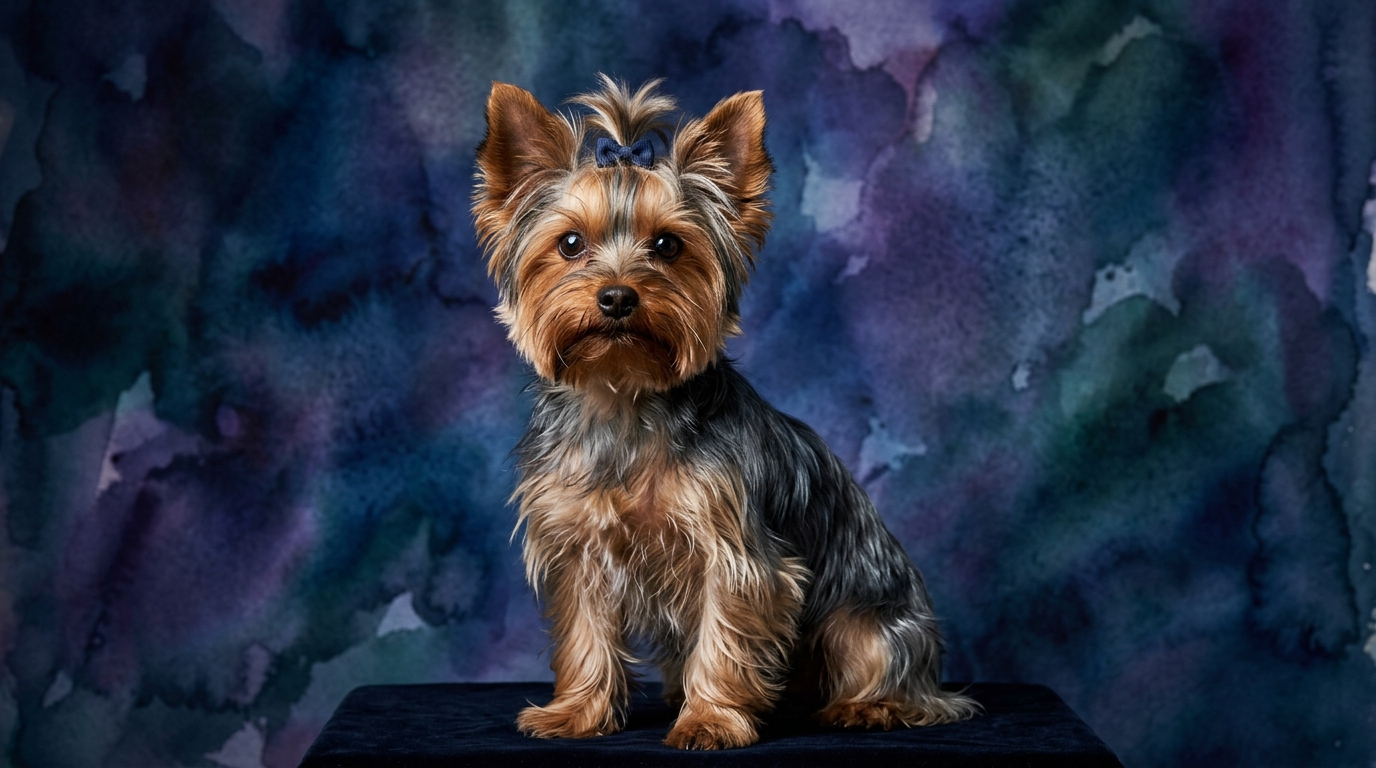
The Cosmic Pet Pet IQ Lab employs a five-dimensional framework to assess canine intelligence, providing a nuanced perspective beyond simple rankings. For the Yorkshire Terrier, a breed with a Coren ranking of #27, its profile includes a Problem Solving score of 3/5, a Training Speed of 4/5, Social Intelligence at 4/5, an Instinctive Drive of 4/5, and Memory also at 4/5. This suggests a dog that is moderately adept at tackling novel challenges, quick to grasp new concepts, highly attuned to social cues, driven by strong innate behaviors, and possesses a solid recall of information and experiences.
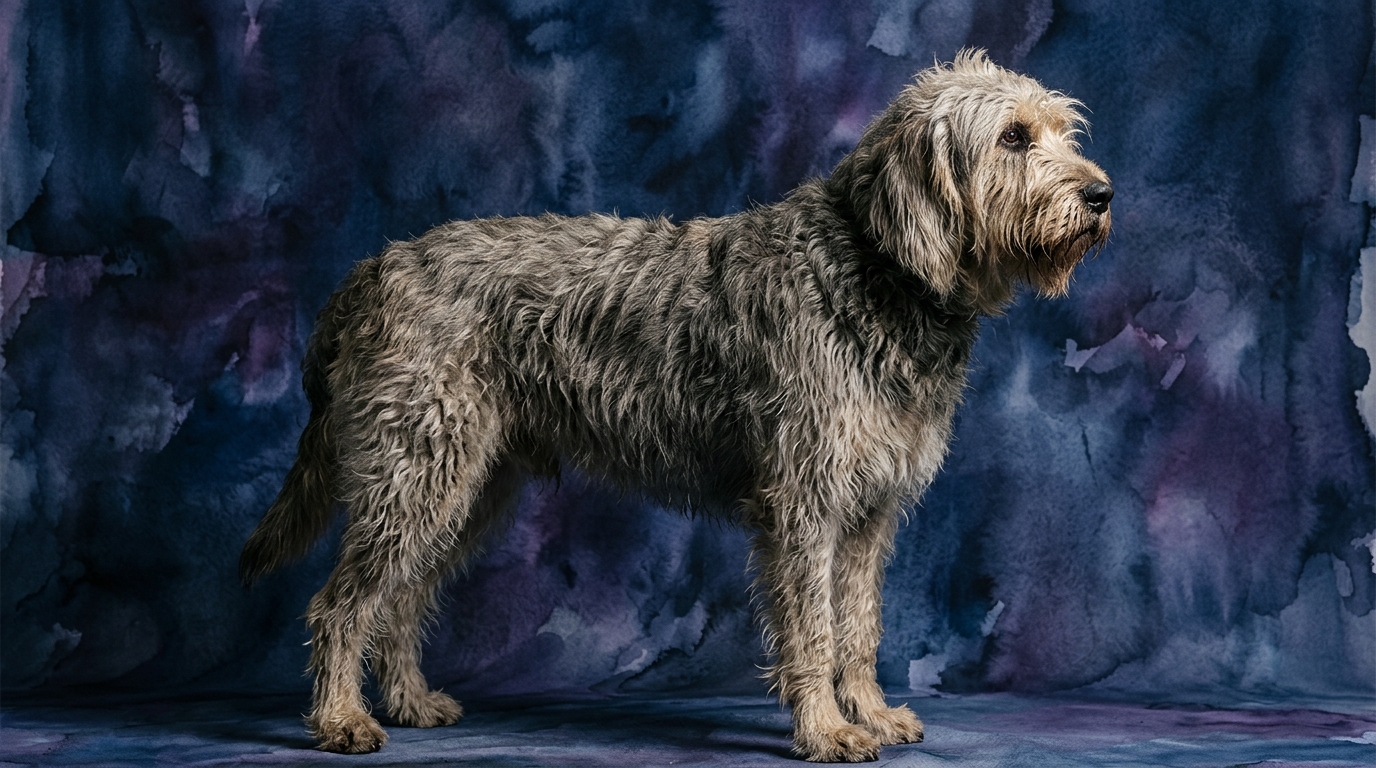
In contrast, the Otterhound, a breed not Coren-ranked, presents a more uniform cognitive landscape. Across all five dimensions—Problem Solving, Training Speed, Social Intelligence, Instinctive Drive, and Memory—the Otterhound consistently scores 3/5. This indicates a dog that demonstrates a steady, capable, but perhaps less outwardly dynamic cognitive approach compared to the Yorkshire Terrier. Its abilities are competent, but without the peaks seen in specific areas for its terrier counterpart, hinting at a more specialized or singularly focused intellectual framework tied to its ancient purpose.
Where the Yorkshire Terrier Excels Cognitively
The Yorkshire Terrier’s cognitive strengths are evident in its superior Training Speed (4/5), Social Intelligence (4/5), Instinctive Drive (4/5), and Memory (4/5). These higher scores suggest a dog that is remarkably responsive and adaptable in a domestic setting. Their quicker training speed means they typically form associations between commands and actions with fewer repetitions, making them efficient learners of obedience and tricks. This responsiveness is often fueled by their high social intelligence, which makes them eager to engage with and please their human companions, readily picking up on subtle cues and intentions.
Furthermore, the Yorkshire Terrier’s robust memory (4/5) ensures that learned behaviors and routines are retained effectively, contributing to a consistent and predictable companion. Their instinctive drive (4/5), while sometimes manifesting as a tenacious terrier will, also empowers them with a determined approach to problem-solving within their immediate environment, such as figuring out how to retrieve a toy from a tight space or navigating complex indoor layouts. This combination of quick learning, social attunement, and reliable memory makes them particularly well-suited for owners who enjoy interactive engagement and consistent mental stimulation.
Where the Otterhound Demonstrates Unique Cognitive Strengths
While the Otterhound's scores are consistently 3/5, its cognitive strengths lie in a specialized form of intelligence deeply rooted in its heritage as a scent hound. Its Problem Solving (3/5) is particularly geared towards complex olfactory puzzles, requiring sustained focus and deductive reasoning to follow a faint scent trail over varied and challenging terrain. This isn't about quick, adaptable problem-solving in a generalized sense, but rather a methodical, perseverant application of intellect to a specific, demanding task.
The Otterhound's Instinctive Drive (3/5) is a powerful, persistent force dedicated almost exclusively to scent work, making it relentless in the pursuit of a target odor rather than a broad, generalized prey drive. This single-mindedness, combined with its Memory (3/5) for scent patterns and past trails, represents a unique cognitive aptitude. It requires a high degree of olfactory discrimination, pattern recognition, and long-term retention of scent information, allowing them to 'read' a landscape through their nose over extended periods. This specialized cognitive engagement is a profound strength, even if it doesn't translate to higher scores in general metrics.
Training Dynamics: Yorkshire Terrier vs. Otterhound
When it comes to ease of training, the Yorkshire Terrier typically holds an advantage due to its higher Training Speed (4/5) and Social Intelligence (4/5). These traits foster a dog that is generally more receptive to traditional obedience training, often displaying an eagerness to please and responding well to positive reinforcement. They quickly form associations between commands and actions, making the learning process relatively smooth and rewarding for both dog and owner. Their attentiveness to human cues means they are frequently looking to their handler for direction.
Conversely, the Otterhound's consistent 3/5 scores, particularly in Training Speed and Social Intelligence, highlight a more independent and often scent-driven learning style. While capable of learning, their profound instinct to follow a captivating scent can make them appear less attentive to human commands, especially when outdoors. Their training demands significant patience, consistency, and a deep understanding of their innate drive. Successful training often involves incorporating scent games and activities that tap into their natural inclinations, transforming potential distractions into motivational tools rather than expecting immediate, unwavering obedience in the face of compelling odors.
Matching Cognitive Profiles to Lifestyles
The Yorkshire Terrier, despite its small stature, is not simply a 'lap dog'; its 4/5 Instinctive Drive and Memory indicate a need for consistent mental stimulation and engagement. These dogs thrive with owners who enjoy teaching new tricks, engaging in interactive play, and providing predictable, mentally enriching routines. While they can adapt to more relaxed indoor lifestyles, their cognitive vitality requires regular intellectual challenges beyond mere physical exercise, making them suitable for owners who enjoy active cognitive partnership, regardless of intense physical demands. They appreciate brisk walks and opportunities for exploration, but their primary fulfillment comes from mental engagement.
The Otterhound, with its consistent 3/5 scores across all dimensions, particularly its specialized Instinctive Drive, demands a purposeful and active lifestyle centered around its powerful nose and endurance. They are best suited for owners who can accommodate their need for long, exploratory walks in varied environments, engaging scent games, or even participation in tracking and scent work sports. A relaxed owner who cannot provide consistent outlets for their profound olfactory drive and physical stamina would likely find an Otterhound challenging, as their innate need to explore scents will not diminish, potentially leading to boredom or destructive behaviors if unfulfilled. They are less about high-intensity bursts and more about sustained, methodical exploration.
The Verdict
Select a Yorkshire Terrier if you seek a responsive companion eager to learn, thrive on social interaction, and appreciate consistent mental engagement within a dynamic home environment.
Opt for an Otterhound if you are an owner prepared to facilitate a dog's profound drive for scent exploration and endurance, valuing a steadfast companion with specialized cognitive strengths in tracking.
🧠 Find Your Pet's IQ Score
Our Pet IQ Lab assessment covers 25+ tests across 5 cognitive dimensions — personalized to your breed.
Take the Full IQ Test →Frequently Asked Questions
Do Yorkshire Terriers or Otterhounds adapt better to apartment living?
Yorkshire Terriers typically adapt better to apartment living due to their smaller size and lesser need for vast outdoor spaces, provided they receive sufficient mental stimulation and daily walks. Otterhounds, with their larger size and strong scenting drive, generally require more room and consistent access to outdoor areas for exploration.
Which breed is more prone to independent thinking?
The Otterhound is generally more prone to independent thinking, largely due to its historical role requiring it to make decisions while tracking a scent without constant human direction. Yorkshire Terriers, while possessing terrier tenacity, are often more inclined to work cooperatively with their human companions.
How do their memory scores impact daily life?
The Yorkshire Terrier's 4/5 memory score means they typically recall commands, routines, and experiences quickly, making daily life predictable and training efficient. The Otterhound's 3/5 memory is proficient for remembering scent trails and learned associations, but they might be perceived as less focused on arbitrary human commands if a compelling scent is present.