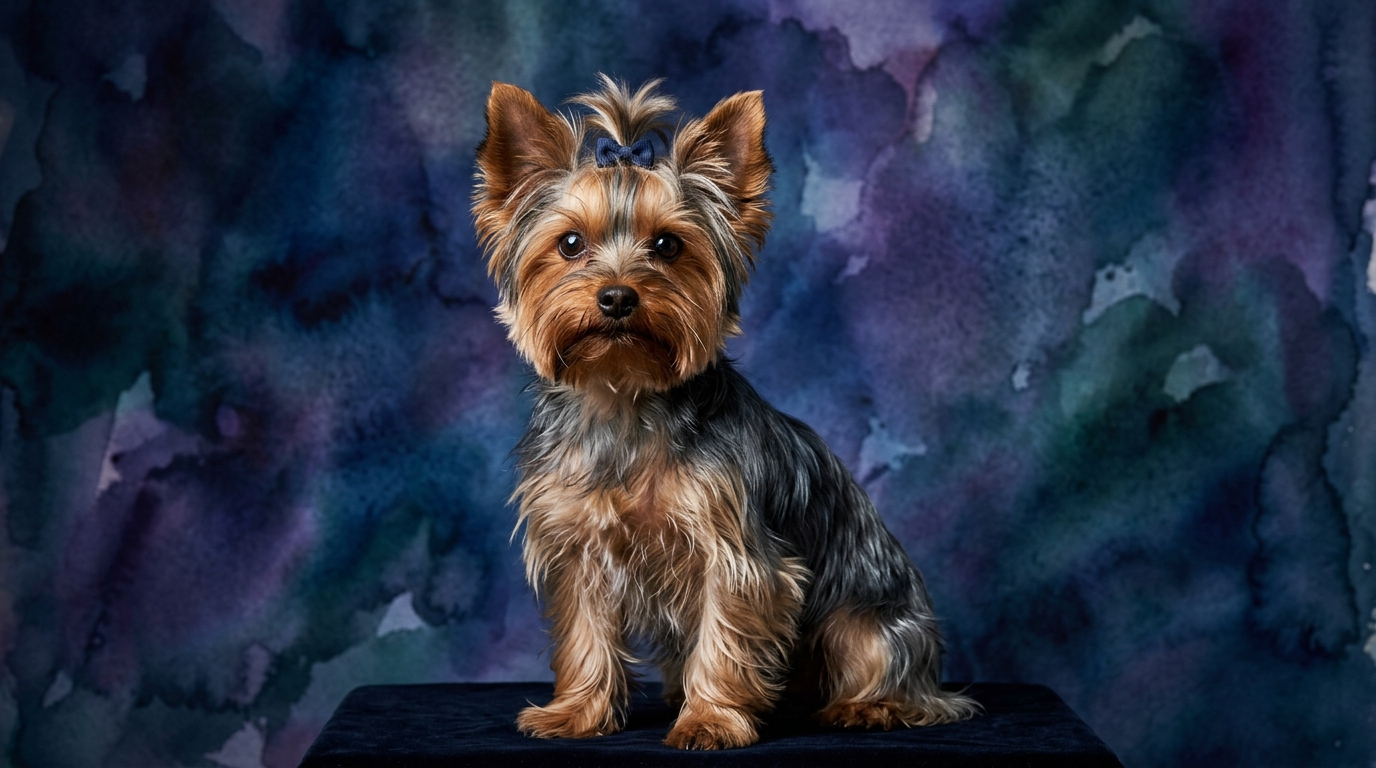
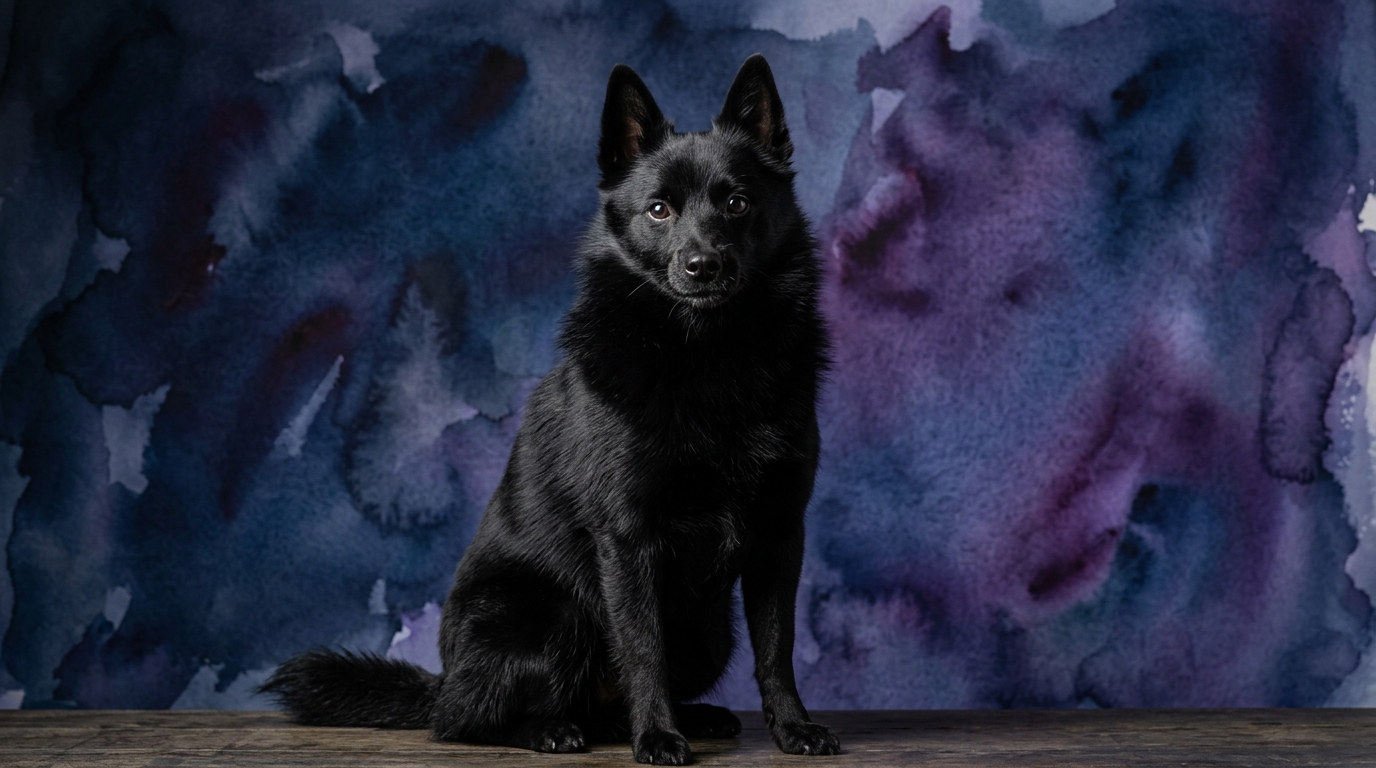
Side-by-Side Cognitive Profile
The Cosmic Pet Pet IQ Lab employs a multi-dimensional framework to assess canine cognition, moving beyond simple 'smart' labels to reveal a nuanced understanding of each breed's mental landscape. For the Yorkshire Terrier, our data places them at Coren rank #27, indicating a solid capacity for understanding new commands.
Breaking down the Yorkshire Terrier's IQ dimensions, we see Problem Solving at 3/5, suggesting they can navigate moderate challenges but might not independently devise complex strategies. Their Training Speed is 4/5, meaning they grasp new behaviors quite readily and respond well to consistent instruction. Social Intelligence also scores 4/5, highlighting their attunement to human cues and emotional states, making them generally cooperative companions. An Instinctive Drive of 4/5 reflects their terrier heritage, manifesting as a propensity for chasing or exploring, which requires appropriate outlets. Finally, their Memory is 4/5, indicating a good capacity to retain learned information and routines over time.
The Schipperke, on the other hand, registers a higher Coren rank at #15, placing them among breeds that typically understand new commands very quickly. Their cognitive profile presents a different set of strengths, emphasizing keen intellect and retention.
The Schipperke excels with a Problem Solving score of 5/5, indicating an exceptional ability to analyze situations and independently find solutions, often with creative flair. Their Training Speed is also 5/5, meaning they learn new tasks with remarkable swiftness, often requiring fewer repetitions than many other breeds. However, their Social Intelligence is 3/5, suggesting a more independent nature; while they form strong bonds, they may be less driven by constant human approval and more by the task itself or their own agenda. Their Instinctive Drive is 3/5, a moderate level that, while present, is less overtly intense than some working breeds. Crucially, their Memory is 5/5, signifying an outstanding ability to recall commands, experiences, and routines, making them excellent at retaining complex sequences and long-term learning.
Where the Yorkshire Terrier Wins Cognitively
The Yorkshire Terrier's cognitive strengths lie primarily in their balanced social engagement and adaptable learning style. With a Social Intelligence score of 4/5, they are often more attuned to their owners' moods and intentions, making them generally more eager to please and cooperative in daily interactions. This responsiveness can translate into a smoother integration into family life, as they are often more forgiving of handler inconsistencies and more motivated by positive human feedback.
Their moderate Problem Solving (3/5) and Instinctive Drive (4/5) mean they are less likely to 'outsmart' their owners or develop independent, disruptive strategies. Instead, they thrive on clear, consistent guidance and routine. This makes them particularly suitable for owners who appreciate a companion that is receptive to instruction and finds comfort in established patterns, rather than constantly pushing boundaries or seeking complex mental puzzles to solve on their own terms. Their good Memory (4/5) further solidifies their ability to maintain these established routines effectively.
Where the Schipperke Wins Cognitively
The Schipperke's cognitive profile demonstrates a clear advantage in raw intellectual power and learning efficiency. Their perfect 5/5 scores in Problem Solving, Training Speed, and Memory indicate a formidable capacity for rapid learning, complex task mastery, and long-term retention. This breed can quickly analyze novel situations, devise effective strategies, and remember intricate sequences of commands or behaviors with remarkable precision.
This exceptional cognitive toolkit allows Schipperkes to excel in activities requiring precision, agility, and independent thought, such as advanced obedience, trick training, or dog sports. They are adept at understanding complex cues and retaining large repertoires of learned actions. Their ability to solve problems independently means they are not simply following commands but often understanding the underlying goal, which can be both a blessing and a challenge for an owner. For those seeking a canine partner capable of mastering sophisticated tasks and engaging in deep, stimulating mental work, the Schipperke's cognitive prowess is a distinct advantage.
Which Is Easier to Train and Why
When considering ease of training, both breeds offer distinct experiences. The Schipperke boasts a perfect 5/5 in Training Speed and Memory, meaning they absorb new commands and retain them exceptionally quickly. An experienced trainer will find them incredibly efficient learners, capable of mastering complex tasks in fewer repetitions than most breeds. However, their Social Intelligence score of 3/5 indicates a more independent disposition; they might be less motivated solely by owner praise and more by the intrinsic challenge or specific, high-value rewards. Their high problem-solving could also lead them to 'figure out' how to circumvent rules if they don't perceive a clear benefit, requiring a trainer who is consistently engaging and clear.
The Yorkshire Terrier, with a Training Speed of 4/5 and Memory of 4/5, is also a responsive learner. What often makes them 'easier' for a novice owner is their higher Social Intelligence (4/5). They are generally more eager to please, more attuned to their owner's emotional state, and more motivated by positive reinforcement and approval. This social drive can smooth over initial training hurdles, as they are often more forgiving of inconsistent handling and more inclined to cooperate. While they may not learn quite as rapidly as a Schipperke, their willingness to engage and work alongside their human partner can make the training journey feel more straightforward and less demanding for an owner new to dog training.
Which Suits Active Owners vs. Relaxed Owners
The choice between a Yorkshire Terrier and a Schipperke largely depends on an owner's lifestyle and their willingness to engage with a dog's specific cognitive needs. For truly active owners who enjoy structured activities, mental challenges, and consistent engagement, the Schipperke is an excellent match. Their exceptional Problem Solving (5/5), Training Speed (5/5), and Memory (5/5) mean they thrive on learning new tricks, participating in dog sports like agility or obedience, and solving complex puzzles. An owner who can provide this high level of mental stimulation will find the Schipperke a rewarding, intellectually stimulating companion, but a lack of such engagement can lead to boredom and potentially mischievous problem-solving aimed at entertaining themselves.
The Yorkshire Terrier, while still requiring consistent engagement due to their Instinctive Drive (4/5) and good Memory (4/5), can often adapt more readily to a somewhat more relaxed owner, provided mental stimulation is still a priority. Their higher Social Intelligence (4/5) makes them content with being a central part of family life and participating in less formal, but consistent, interactive play and short training sessions. They are excellent companions for owners who enjoy regular walks, consistent routines, and plenty of affectionate interaction, but who might not be looking for a dog that constantly demands complex intellectual challenges. They are generally more adaptable to varying levels of activity, as long as their need for companionship and moderate mental exercise is met.
Training Tips for Both Breeds
For Yorkshire Terriers, leverage their social intelligence and eagerness to please. Positive reinforcement, clear communication, and consistent routines will yield the best results. Focus on short, fun training sessions that build on success, and integrate training into daily interactions to strengthen your bond. Early socialization is crucial to help them develop confidence and good manners.
Training a Schipperke requires an owner who appreciates their quick wit and independent streak. They thrive on challenge and variety, so incorporate puzzle toys, advanced obedience, and even scent work to keep their brilliant minds engaged. Be consistent and fair, as they will quickly spot any loopholes. Their excellent memory means once they learn something, it tends to stick, but their lower social intelligence means you need to make training intrinsically rewarding for them, not just reliant on praise.
The Verdict
Choose a Yorkshire Terrier if you seek a highly social, adaptable companion eager to please and thrive on consistent, affectionate guidance, fitting well into a moderately active household.
Opt for a Schipperke if you are an active owner prepared to provide extensive mental stimulation and complex training, appreciating a dog with exceptional problem-solving skills and a quick, independent mind.
🧠 Find Your Pet's IQ Score
Our Pet IQ Lab assessment covers 25+ tests across 5 cognitive dimensions — personalized to your breed.
Take the Full IQ Test →Frequently Asked Questions
Are Schipperkes more difficult to live with due to their high intelligence?
Schipperkes are not necessarily more difficult, but they are more demanding of mental engagement. Their high problem-solving and memory mean they can get bored easily and might invent their own entertainment if not adequately stimulated, which can manifest as mischievous behavior. Owners prepared for this level of cognitive interaction will find them highly rewarding companions.
Do Yorkshire Terriers learn tricks easily?
Yes, Yorkshire Terriers learn tricks quite readily due to their good Training Speed (4/5) and Memory (4/5). Their higher Social Intelligence (4/5) also makes them eager to please their owners, which can motivate them to pick up new behaviors quickly when positive reinforcement is used consistently.
Which breed is better for first-time dog owners?
For first-time dog owners, the Yorkshire Terrier might be a slightly more approachable choice due to their higher social intelligence and eagerness to please, making the initial training process feel more cooperative. Schipperkes, while brilliant, require a more experienced hand to channel their independent problem-solving skills effectively and ensure their complex cognitive needs are met.