Side-by-Side Cognitive Profiles
The Cosmic Pet Pet IQ Lab provides a nuanced look at canine intelligence across five key dimensions, offering a clear framework to compare the Yorkshire Terrier and the Scottish Terrier. Understanding these specific cognitive scores reveals how each breed processes information, learns, and interacts with their environment and human companions.
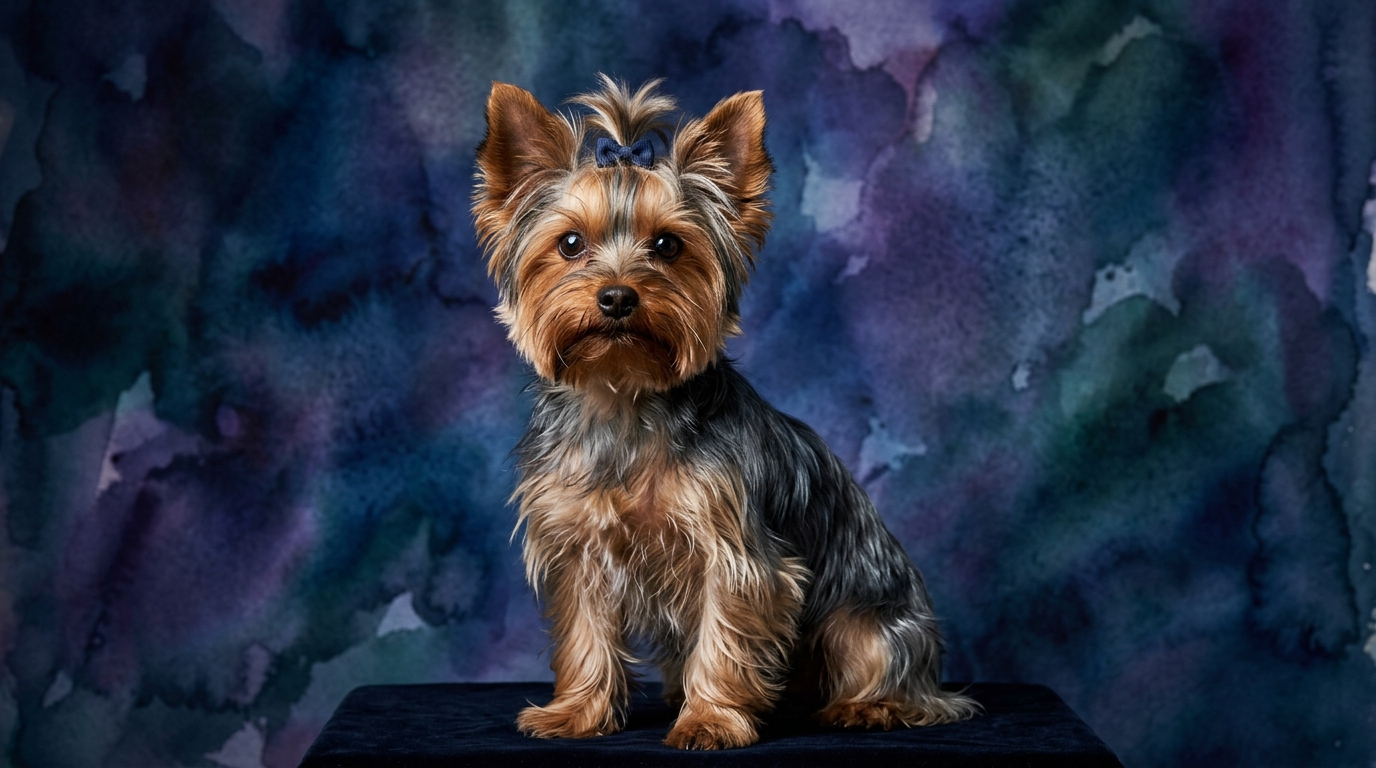
The Yorkshire Terrier, ranking #27 on the Coren scale, demonstrates a notable capacity for understanding new commands quickly and obeying them reliably, positioning them among breeds that respond well to consistent training. Their Problem Solving is rated 3/5, indicating a moderate aptitude for navigating novel situations and devising solutions to simple environmental puzzles, often relying on a blend of observation and trial-and-error. With a Training Speed of 4/5, Yorkies grasp new instructions with fewer repetitions, thriving on positive reinforcement due to their eagerness to please. Their Social Intelligence is 4/5, displaying a strong awareness of human emotions and cues, forming deep bonds and adjusting behavior to household dynamics. An Instinctive Drive of 4/5 means they retain a robust terrier heritage, manifesting as a keen interest in small, scurrying objects and an alert response to environmental changes. Finally, their Memory is 4/5, indicating a strong capacity to recall learned commands, routines, and specific people or places, contributing significantly to their training retention.
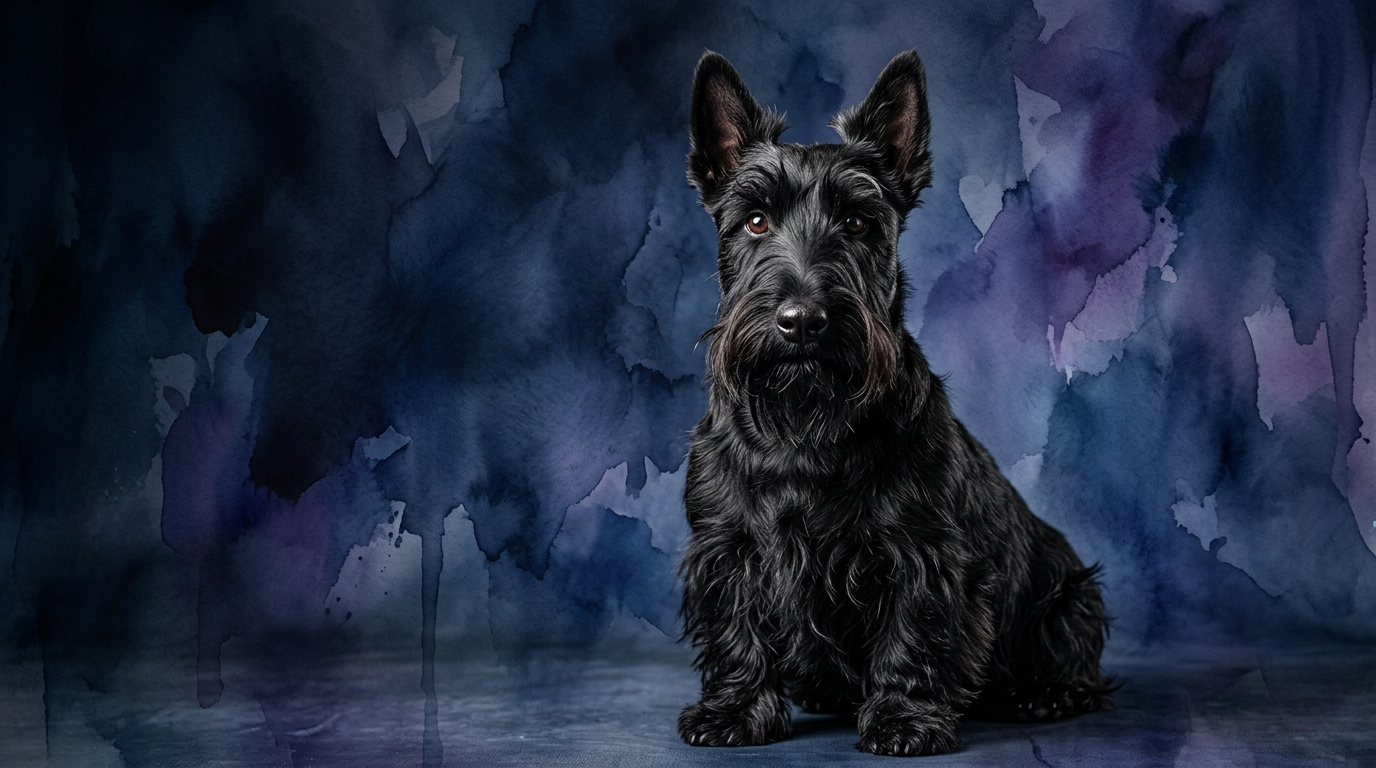
In contrast, the Scottish Terrier, with a Coren ranking of #65, presents a respectable but more independent cognitive profile, suggesting they learn at their own pace and often require more patient, consistent training methods. Their Problem Solving mirrors the Yorkie at 3/5, demonstrating a moderate ability to tackle straightforward environmental challenges, often rooted in a determined nature that persists until a goal is achieved. However, their Training Speed is 3/5, meaning Scotties typically require more repetition and engaging approaches during training, as their independent spirit might lead them to consider whether a command aligns with their own agenda before complying. Social Intelligence is 3/5; while they form profound attachments to their immediate family, they tend to be more reserved with strangers and their expressions of affection can be subtle. Their Instinctive Drive is also 3/5, reflecting their historical role as hunters with a persistent, determined nature, often manifesting as a focused pursuit of interesting scents or a steadfast guarding of their territory. Their Memory is 3/5, exhibiting a sound recall for routines, people, and places, though perhaps not with the same rapid application as a Yorkshire Terrier, influenced by their independent streak.
Where the Yorkshire Terrier Wins Cognitively
The Yorkshire Terrier clearly takes the lead in several key cognitive domains, making them a particularly engaging companion for those who appreciate a responsive mind. Their training speed, rated at 4/5, significantly surpasses the Scottish Terrier's 3/5, meaning a Yorkie will typically master new commands and tricks with fewer repetitions. This isn't merely about quick learning; it reflects an eagerness to engage with their human trainers and a strong desire to please, driving faster acquisition of behaviors.
Furthermore, their social intelligence, also at 4/5, indicates a more finely tuned awareness of human emotional states and social cues. A Yorkie often seems to 'read' their owner's mood, adapting their behavior to offer comfort or solicit play, fostering a deeply interactive relationship. This heightened social awareness contributes to their adaptability within a family setting, making them more overtly communicative and responsive to household dynamics. Their superior memory (4/5 vs. 3/5) also means they retain these learned behaviors and social understandings over longer periods, requiring less frequent refreshers and building a more consistent behavioral repertoire. This combination of rapid learning, strong social acuity, and reliable memory positions the Yorkshire Terrier as a breed that can achieve a wider range of trained behaviors and participate more actively in complex social interactions.
Where the Scottish Terrier Wins Cognitively
While the Yorkshire Terrier excels in trainability and social responsiveness, the Scottish Terrier offers a unique set of cognitive strengths rooted in their independent and persistent nature. Their problem-solving capacity, rated equally at 3/5, often manifests differently; a Scottie's approach is typically characterized by a steadfast determination. They may not find a solution immediately, but their inherent tenacity means they will often persist longer at a task, methodically trying different approaches until they achieve their objective. This isn't about speed, but about an unyielding focus once they've set their mind to something.
Their instinctive drive, also 3/5, while slightly lower than the Yorkie's 4/5, is expressed with a profound sense of purpose. A Scottish Terrier following a scent trail or guarding their perceived territory will do so with an unwavering commitment that can be impressive. This drive, combined with their robust memory (3/5), allows them to recall complex scent patterns or territorial boundaries with precision, making them excellent at tasks requiring focus and endurance. They also possess a discerning social intelligence (3/5) that, while not as overtly demonstrative as a Yorkie's, allows them to form incredibly deep, loyal bonds with their chosen family members. Their affection is often earned and expressed in a more understated, yet profoundly steadfast, manner, reflecting a strong inner conviction rather than a desire to constantly please. This deep-seated loyalty and independent problem-solving make the Scottish Terrier a compelling choice for those who appreciate a dog with a strong, self-assured personality and a methodical approach to their environment.
Which Is Easier to Train and Why
Based on the IQ lab profiles, the Yorkshire Terrier is generally easier to train than the Scottish Terrier. The primary reason lies in their respective training speed and social intelligence scores. The Yorkie's training speed of 4/5 indicates a quicker uptake of commands and a greater willingness to perform desired actions. They often find joy in pleasing their owners, which translates into fewer repetitions needed to solidify a behavior. Their social intelligence (4/5) further enhances this, as they are more attuned to human cues and emotional responses, making them highly receptive to positive reinforcement and clear communication. A Yorkie is more likely to engage readily in training sessions, viewing them as an opportunity for interaction and reward.
In contrast, the Scottish Terrier's training speed is 3/5, and their social intelligence is also 3/5. This suggests they require more patience and consistency. Scotties are known for their independent, sometimes stubborn, streak. They might understand a command but choose whether to obey based on their current motivation or perceived benefit. Their social intelligence, while present, doesn't translate into the same eager-to-please attitude; instead, they often decide if a command aligns with their own agenda. Training a Scottie requires a more creative approach, often leveraging their strong drive and turning training into a game or a puzzle they feel motivated to solve on their own terms, rather than simply complying. This difference in intrinsic motivation and responsiveness to human direction makes the Yorkie the more straightforward student.
Active Owners vs. Relaxed Owners: A Cognitive Match
The choice between a Yorkshire Terrier and a Scottish Terrier often hinges on an owner's lifestyle and their preference for canine engagement. For active owners, particularly those who enjoy consistent interaction, training, and a dog that thrives on social engagement, the Yorkshire Terrier is often a fitting match. Their higher social intelligence (4/5) and faster training speed (4/5) mean they excel in activities like canine sports, learning tricks, and participating actively in family outings. They enjoy being the center of attention and can adapt readily to new experiences when guided by their human companions. Their instinctive drive (4/5), while present, is often channeled into playful pursuits and alert watchdog duties, making them energetic and enthusiastic participants in daily life.
Conversely, for owners who appreciate a more self-contained, independent companion, the Scottish Terrier aligns well with a relaxed yet consistent lifestyle. While they enjoy walks and playtime, their lower social intelligence (3/5) and instinctive drive (3/5) mean they might not constantly seek overt interaction or be as overtly demonstrative. They are content with their own company for periods and often prefer to observe rather than actively participate in every family activity. Their methodical problem-solving and memory (both 3/5) suggest they appreciate routines and a predictable environment. A relaxed owner who values a dog's strong individual personality and is willing to respect their sometimes reserved nature will find the Scottie a deeply rewarding, steadfast companion who offers quiet loyalty.
The Verdict
Choose a Yorkshire Terrier if you seek a highly responsive, eager-to-please companion who thrives on social interaction and learns new commands with impressive speed. Their adaptability and overt affection make them excellent for active households desiring a dog that participates readily in many aspects of family life.
Choose a Scottish Terrier if you appreciate a dog with a strong, independent spirit, a steadfast loyalty, and a methodical approach to their world. They are best suited for patient owners who value a more reserved yet deeply devoted companion and are prepared for a dog with a distinct personality.
🧠 Find Your Pet's IQ Score
Our Pet IQ Lab assessment covers 25+ tests across 5 cognitive dimensions — personalized to your breed.
Take the Full IQ Test →Frequently Asked Questions
Are Yorkshire Terriers prone to stubbornness?
While Yorkies possess an instinctive drive, their higher training speed and social intelligence generally mean they are less prone to overt stubbornness compared to some terrier breeds. They are more motivated by pleasing their owners and positive reinforcement, making them quite amenable to direction.
Do Scottish Terriers require a lot of mental stimulation?
Scottish Terriers do benefit from mental stimulation, particularly activities that engage their problem-solving skills and instinctive drive, like puzzle toys or scent work. While they might not demand constant engagement, consistent mental challenges prevent boredom and channel their independent energy constructively.
Which breed is better with children?
Both breeds can be good with older, respectful children, but their temperaments differ. Yorkshire Terriers, with their higher social intelligence and adaptability, often adjust well to family dynamics and can be more playful. Scottish Terriers can be more reserved and prefer a quieter interaction, making supervision crucial to ensure mutual respect.