Side-by-Side IQ Profile
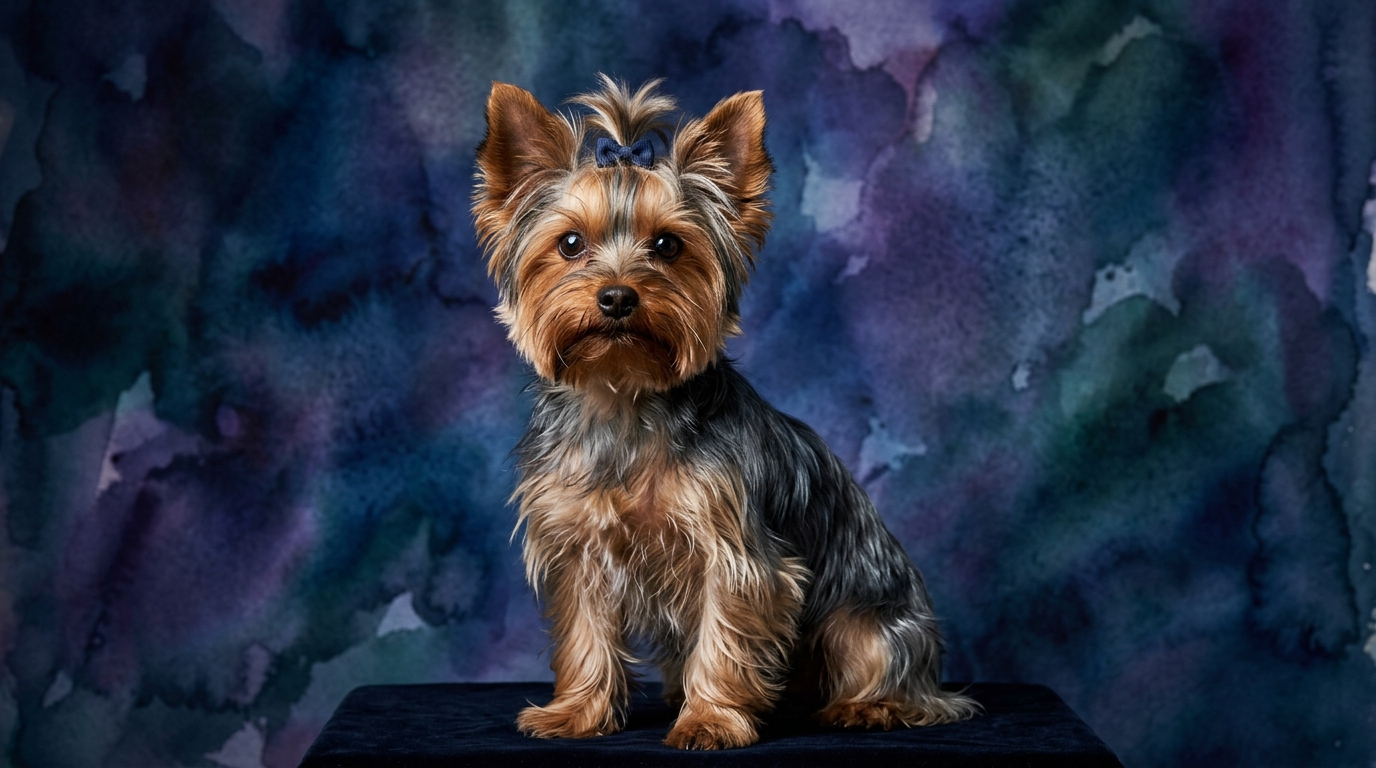
**Yorkshire Terrier (Coren Rank #27)**: Yorkies show a moderate Problem Solving (3/5) capacity, often using persistence in novel situations. Their Training Speed (4/5) is commendable, as they pick up commands quickly, driven by a desire to engage. With high Social Intelligence (4/5), they keenly interpret human emotions, adapting their interactions. A pronounced Instinctive Drive (4/5) reflects their terrier heritage, manifesting as determination and a strong prey instinct. Their Memory (4/5) is generally strong for routines and learned behaviors, aiding consistent training.
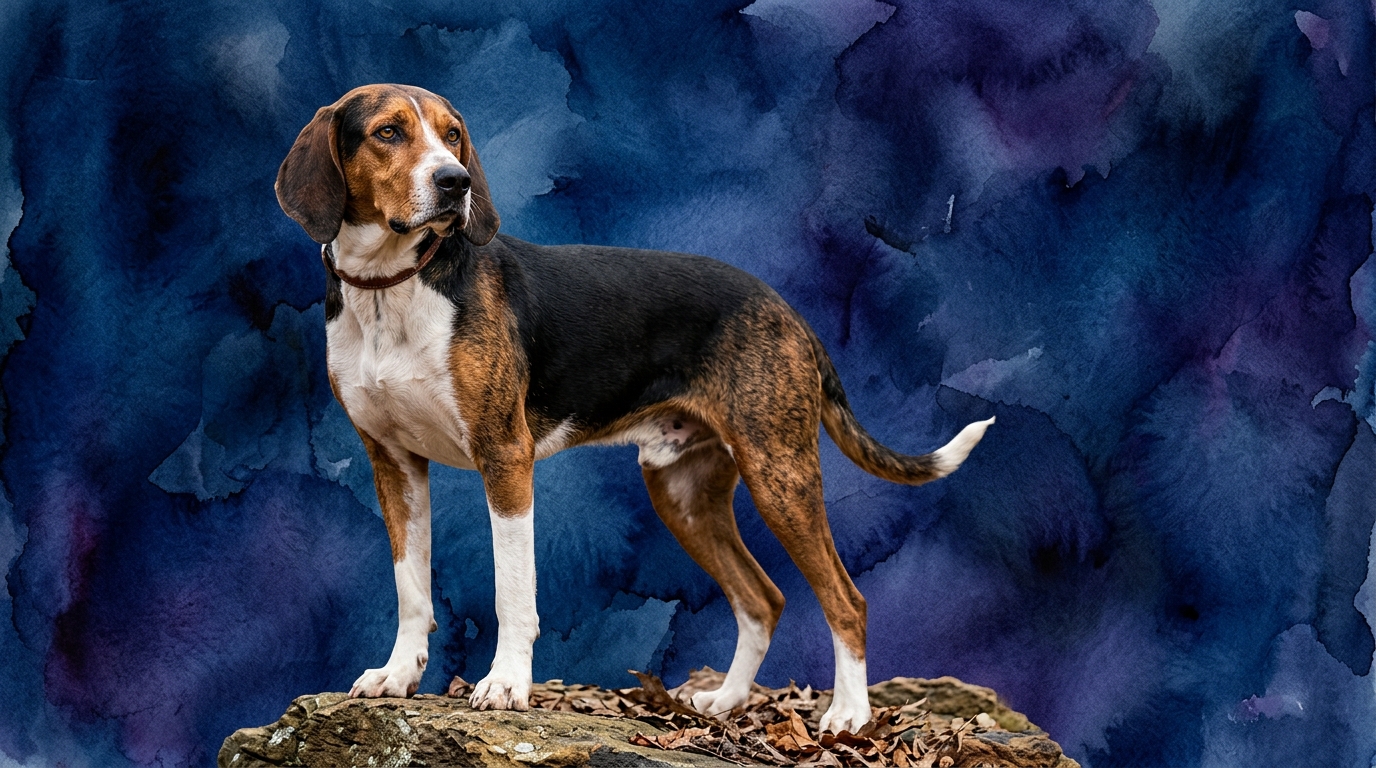
**Treeing Walker Coonhound (Not Coren-ranked)**: Coonhounds exhibit moderate Problem Solving (3/5), particularly for tracking-related obstacles, showing ingenuity in following scent. Their Training Speed (3/5) is moderate, requiring patience due to easy distraction by scents. Social Intelligence (3/5) is amiable within a pack, but they may be less attuned to subtle human emotional shifts. Their Instinctive Drive (3/5) is profoundly specialized around scent, dictating much of their behavior with immense focus. Memory (3/5) is moderate for tasks, yet exceptionally strong for scent trails and associated locations.
Where Yorkshire Terrier Wins Cognitively
The Yorkshire Terrier consistently surpasses the Treeing Walker Coonhound in cognitive dimensions vital for a companion animal. Their Training Speed of 4/5, compared to the Coonhound's 3/5, indicates a significantly quicker grasp of obedience commands and a greater eagerness to perform for human interaction. This responsiveness is rooted in their history as close companions.
Furthermore, the Yorkie's Social Intelligence, rated 4/5 versus the Coonhound's 3/5, highlights their superior ability to interpret human emotions and social cues, fostering nuanced communication and deep bonds. Finally, the Yorkie's Memory score of 4/5, against the Coonhound's 3/5, suggests a more robust general recall for routines, boundaries, and learned behaviors, making them more consistent in varied domestic settings.
Where Treeing Walker Coonhound Wins Cognitively
While general cognitive scores might seem lower, the Treeing Walker Coonhound's true mental strength lies in their specialized instinctive drive and problem-solving within their field. Their Instinctive Drive, rated 3/5, is intensely concentrated on olfactory tasks, making them unparalleled in scent detection and tracking. This specialized drive allows them to follow complex trails for miles with unwavering focus.
Their Problem Solving (3/5) manifests as practical ingenuity in navigating obstacles to maintain a scent trail, demonstrating persistent, goal-oriented intelligence unique to their purpose. This specialized cognitive strength enables them to perform multi-stage tasks in their working environment, far beyond most companion breeds. Their memory, while generally 3/5, is exceptionally strong for scent profiles and successful hunt locations.
Which is Easier to Train and Why
For typical companion dog behaviors, the Yorkshire Terrier is generally easier to train. Their 4/5 Training Speed indicates a quicker uptake of commands and a greater willingness to respond to human instruction, reinforced by their 4/5 Social Intelligence. A Yorkie often requires fewer repetitions for commands like "sit" or "stay" and performs them consistently, looking to their owner for guidance. Their 4/5 Memory further solidifies learned behaviors, reducing the need for frequent refreshers.
Conversely, the Treeing Walker Coonhound, with a 3/5 Training Speed, demands more patience. Their instinctive drive, heavily focused on scent, often diverts their attention from human-directed tasks. A compelling scent overrides conventional commands, making sustained focus challenging. Their moderate 3/5 Social Intelligence means they might need clearer, more direct communication. While capable of learning, their independent nature and powerful nose necessitate engaging, short training sessions in low-distraction environments. Off-leash reliability is notably challenging due to their strong drive to follow trails.
Which Suits Active Owners vs Relaxed Owners
The distinct cognitive profiles and drives of these breeds dictate their suitability for different owner lifestyles.
For **relaxed owners** seeking an adaptable indoor companion, the Yorkshire Terrier is often ideal. Their spirited energy and 4/5 instinctive drive channel into playful interactions and companionship, not relentless physical exertion. High Social Intelligence (4/5) ensures they thrive on close human interaction, content with indoor games, short walks, and cuddle sessions. Their moderate problem-solving (3/5) means they enjoy mental stimulation without constantly demanding complex challenges. A relaxed owner can easily meet a Yorkie's needs, appreciating their ability to settle and be an affectionate indoor presence, adapting well to apartment living.
The Treeing Walker Coonhound is unequivocally better suited for **active owners** who can accommodate immense stamina and a specialized drive. Their 3/5 instinctive drive is intensely focused on physical activity, particularly tracking, requiring substantial daily exercise beyond casual strolls. They need opportunities to engage their powerful noses and bodies through long hikes, scent work, or dog sports. A relaxed owner would be overwhelmed by their unmet energy, potentially leading to destructive behaviors or vocalization. Their moderate social intelligence (3/5) means they are amiable but require a job or outlet for their physical and olfactory talents for fulfillment. Active owners who enjoy outdoor adventures will find a loyal, enduring partner in a Treeing Walker Coonhound.
The Verdict
Opt for a Yorkshire Terrier if you seek a highly adaptable, socially astute companion eager for close interaction and consistent obedience training within a varied domestic environment. They thrive with owners who appreciate their perceptive nature and can provide engaging play and moderate activity.
Select a Treeing Walker Coonhound if you are an active individual or family committed to providing extensive daily exercise and outlets for their powerful scenting instincts and endurance. They are ideal for those who value a dedicated, robust partner for outdoor adventures and specialized scent work.
🧠 Find Your Pet's IQ Score
Our Pet IQ Lab assessment covers 25+ tests across 5 cognitive dimensions — personalized to your breed.
Take the Full IQ Test →Frequently Asked Questions
Are Yorkshire Terriers difficult to house train?
While Yorkies have a 4/5 training speed, their small bladders and sometimes stubborn terrier nature can make house training require extra consistency and patience. Frequent potty breaks and positive reinforcement are key to success.
Can a Treeing Walker Coonhound live in an apartment?
A Treeing Walker Coonhound can technically live in an apartment, but it's not ideal as they require immense daily exercise and mental stimulation to prevent boredom and destructive behaviors. They thrive with ample outdoor space and an owner dedicated to long, active outings.
Do Yorkshire Terriers bark a lot?
Yorkshire Terriers, with their 4/5 instinctive drive and terrier heritage, can be prone to barking at novel sounds, visitors, or perceived threats. Early training and consistent management can help moderate this vocal tendency, but some degree of alertness barking is common.