
Unpacking Their Cognitive Profiles: A Side-by-Side Look
The Cosmic Pet Pet IQ Lab evaluates canine intelligence across five critical dimensions, providing a granular view of a breed's cognitive strengths. For the Yorkshire Terrier, our data reveals a balanced yet agile mind: a Problem Solving score of 3/5 indicates they are adept at navigating everyday puzzles and learning from experience, capable of figuring out how to access a coveted toy or bypass a minor obstacle. Their Training Speed stands at a commendable 4/5, reflecting a quick grasp of new commands and routines, often eager to please and responsive to consistent instruction.
Social Intelligence for the Yorkshire Terrier also scores 4/5, highlighting their strong attunement to human emotions and social cues, forming deep bonds and often anticipating their owner's moods. An Instinctive Drive of 4/5 underscores their historical role as ratters, manifesting as a persistent curiosity, a keen awareness of their surroundings, and a readiness to alert their household to novel stimuli. Finally, their Memory at 4/5 suggests they retain learned behaviors and routines effectively, making long-term training efforts highly rewarding.
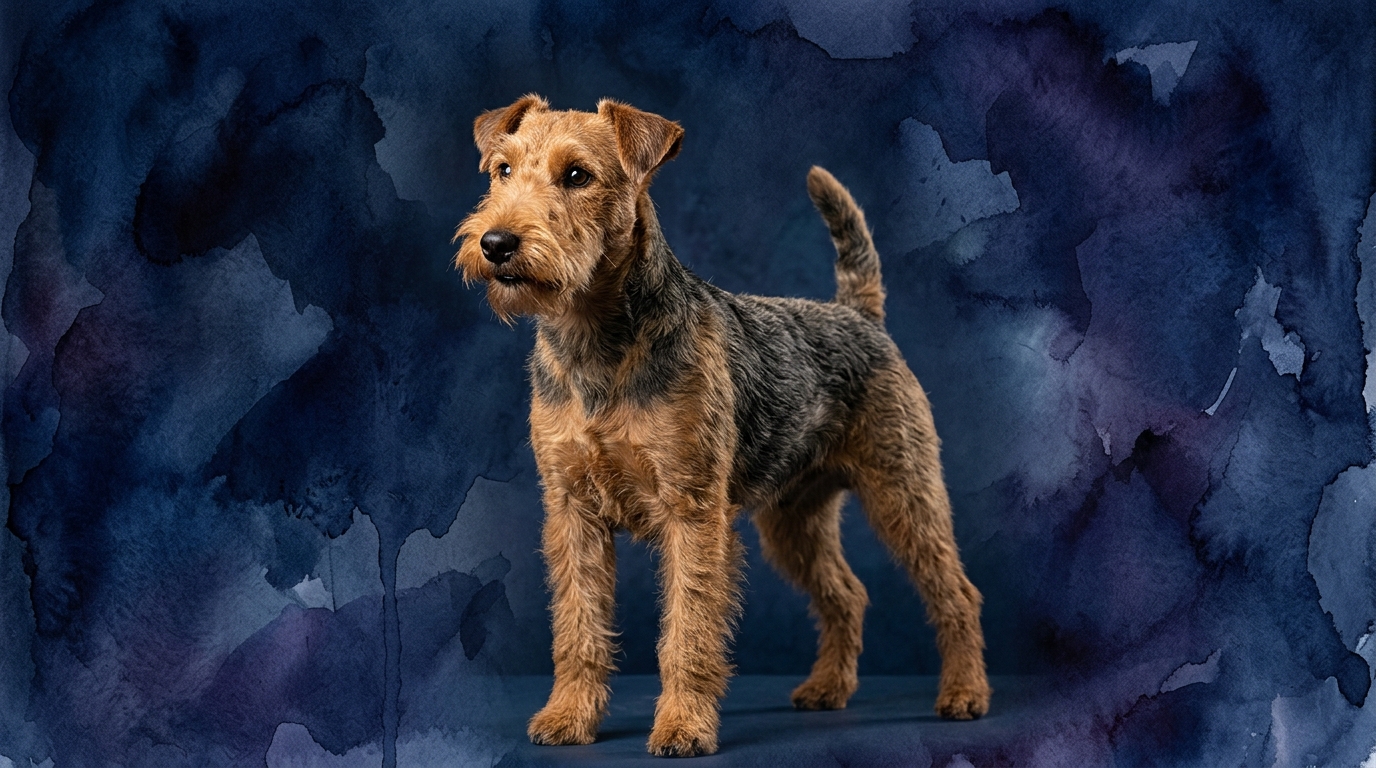
Turning to the Welsh Terrier, we observe a profile that, while still reflecting the terrier spirit, presents a different set of cognitive priorities. They share the Yorkshire Terrier's Problem Solving score of 3/5, demonstrating a similar capacity for practical reasoning and independent thought when faced with challenges, though perhaps with a more robust, 'get-it-done' approach. Their Training Speed is rated 3/5, indicating they are capable learners but typically require more repetition and patience compared to their smaller counterpart, often needing a compelling reason to comply.
The Welsh Terrier's Social Intelligence also registers 3/5, suggesting they are friendly and interactive but often exhibit a more independent streak, less driven by constant human validation and more comfortable with their own pursuits. Their Instinctive Drive, at 3/5, is present but perhaps less intense or overtly persistent than some other terriers, manifesting as an interest in exploring and a moderate prey drive suitable for their original working roles without being overwhelming. Lastly, a Memory score of 3/5 means they retain core commands and routines, though perhaps with less immediate recall for less frequently practiced cues than a breed with a higher memory score.
The Yorkshire Terrier's Cognitive Edge
The Yorkshire Terrier demonstrates distinct cognitive advantages, particularly in areas that foster close human companionship and sophisticated training. Their superior Training Speed (4/5 vs. Welsh Terrier's 3/5) means they typically absorb new commands and tricks with remarkable alacrity. This isn't just about raw speed; it's a combination of their eagerness to engage and their capacity to quickly associate actions with desired outcomes, making complex obedience or even agility exercises more accessible from an early age.
Furthermore, the Yorkie's higher Social Intelligence (4/5 vs. 3/5) translates into a profound ability to read and respond to human nuances. They often anticipate their owner's intentions, pick up on subtle mood shifts, and use this understanding to tailor their behavior, fostering an exceptionally empathetic bond. This social acumen, combined with their 4/5 Memory, allows them to build a rich tapestry of shared experiences and learned expectations, remembering specific routines, people, and even past interactions with impressive detail, contributing to their reputation as highly adaptable and emotionally resonant companions.
Their Instinctive Drive, also rated 4/5, while shared with the Welsh Terrier in Problem Solving, manifests differently in its intensity and focus for a smaller breed. For the Yorkie, this drive often fuels their tenacity in learning, their alert nature as watchdogs, and their persistent, focused engagement in tasks, making them surprisingly formidable despite their size. This cognitive persistence, coupled with their other strengths, positions the Yorkshire Terrier as a highly trainable and deeply connected companion for those seeking a responsive and mentally agile partner.
The Welsh Terrier's Unique Intellectual Strengths
While the Welsh Terrier's scores might appear numerically lower in some dimensions, their cognitive profile offers a distinct set of advantages, particularly for owners who appreciate a more self-reliant and robust canine companion. Their consistent Problem Solving score of 3/5, matching the Yorkie, highlights an independent resourcefulness. This isn't just about figuring out a puzzle; for a Welsh Terrier, it often involves a pragmatic, determined approach to challenges, demonstrating a sturdy independence in decision-making that can be highly valuable in varying environments.
The Welsh Terrier's Social Intelligence at 3/5, while suggesting less overt people-pleasing than the Yorkie, actually indicates a robust independence. They form strong bonds, but often without the constant need for validation, making them less prone to separation anxiety and more comfortable entertaining themselves. This self-sufficiency means they are capable of thriving in households where owners may not be able to provide continuous, intense interaction, fostering a relationship built on mutual respect rather than constant dependency.
Their Instinctive Drive, also 3/5, while slightly lower than the Yorkie's, reflects a well-balanced working drive that is significant for their physical capabilities without being overwhelming. This drive often manifests as a keen interest in exploration, a joy in scent work, and a robust physical stamina, making them excellent partners for outdoor adventures. Their memory, also 3/5, is perfectly adequate for retaining essential commands and routines, promoting a reliable, if not lightning-fast, comprehension of their world. These combined traits paint a picture of a terrier that is intelligent, capable, and possesses a sturdy mental resilience, ideal for active individuals seeking a companion with a strong, independent spirit.
Training Dynamics: Yorkie's Responsiveness vs. Welsh Terrier's Resolve
When it comes to ease of training, the Yorkshire Terrier generally holds an advantage, primarily due to its higher scores in Training Speed (4/5), Social Intelligence (4/5), and Memory (4/5). Their quicker grasp of new commands means fewer repetitions are needed, and their strong desire to please, stemming from their social acumen, makes them highly motivated by positive reinforcement. A Yorkie is often more attuned to an owner's voice and body language, allowing for more nuanced communication during training sessions. They remember cues and routines with impressive consistency, which streamlines the process of building a complex repertoire of behaviors.
Conversely, the Welsh Terrier, with its 3/5 scores across Training Speed, Social Intelligence, and Memory, presents a different training challenge. While certainly trainable and capable of learning, they require a more patient, consistent, and creative approach. Their more independent nature means they are less inherently driven by human approval; instead, they often need to be convinced that a task is worthwhile or rewarding from their perspective. This can manifest as a classic 'terrier stubbornness' where they might understand a command but choose not to execute it if their interest wanes.
Effective training for a Welsh Terrier often involves short, engaging sessions, varied rewards, and a firm but fair handler who understands how to tap into their natural curiosity and desire for activity. Unlike the Yorkie who might thrive on praise alone, a Welsh Terrier might need a high-value treat or a quick game of fetch as a reward to maintain focus. While both breeds benefit from early socialization and positive reinforcement, the Yorkie's cognitive makeup typically allows for a smoother, faster progression through training milestones, making them a slightly more forgiving choice for novice trainers.
Matching Lifestyles: Activity Levels and Cognitive Needs
Considering the interplay of their cognitive profiles and physical attributes, the Yorkshire Terrier often suits a broader range of lifestyles, including those of more relaxed owners, while still thriving with active engagement. Their 4/5 Instinctive Drive manifests as a keen alertness and a desire for mental stimulation, but their smaller size means their physical exercise needs can often be met with indoor play, short walks, and puzzle toys. Their high Social Intelligence (4/5) means they cherish interaction and companionship, making them content to cuddle on the couch after a stimulating walk or play session, deeply integrated into family life.
However, for owners seeking a more robust partner for consistent outdoor adventures, the Welsh Terrier presents a compelling option, despite its 3/5 Instinctive Drive. This moderate drive, combined with their sturdy build, translates into a dog that enjoys and benefits from significant physical activity, such as hiking, jogging, or extended games of fetch. They possess the stamina and resilience to keep pace with active individuals, and their 3/5 Social Intelligence means they are content to work alongside their owner without demanding constant attention, appreciating shared activities more than continuous physical contact.
Therefore, a more relaxed owner, or one living in a smaller space, might find the Yorkshire Terrier's cognitive needs and physical demands easier to manage, offering rich companionship within a more contained environment. An active owner, particularly one who enjoys outdoor pursuits and appreciates a dog with a strong, independent spirit that thrives on purposeful activity, would likely find the Welsh Terrier to be an incredibly rewarding and capable companion, providing a balanced intellectual and physical partnership.
The Verdict
Choose the Yorkshire Terrier if you seek a highly responsive, emotionally attuned companion eager to learn and deeply integrate into your family's social fabric, thriving on consistent interaction and mental engagement within a more compact frame.
Opt for the Welsh Terrier if you value an independent, robust companion with a sturdy intellect and a zest for outdoor adventures, requiring a patient yet firm training approach and enjoying a partnership built on shared activities and mutual respect.
🧠 Find Your Pet's IQ Score
Our Pet IQ Lab assessment covers 25+ tests across 5 cognitive dimensions — personalized to your breed.
Take the Full IQ Test →Frequently Asked Questions
Are Yorkshire Terriers prone to being yappy due to their alertness?
Yorkshire Terriers, with their 4/5 Instinctive Drive and keen Social Intelligence, are naturally alert and can be vocal guardians of their home. While they are quick to alert, consistent training from an early age can help manage excessive barking, channeling their protective instincts appropriately.
Do Welsh Terriers do well in apartments despite their active nature?
Welsh Terriers can adapt to apartment living if their significant need for physical and mental exercise is consistently met. Daily vigorous walks, play sessions, and opportunities for exploration are crucial to prevent boredom and ensure they are well-adjusted in smaller spaces.
How do their problem-solving abilities compare in practical terms?
Both breeds score 3/5 in Problem Solving, meaning they are equally capable of figuring out practical challenges. A Yorkie might apply this to manipulating objects for attention, while a Welsh Terrier might use it to navigate complex outdoor terrains or outsmart a squirrel, reflecting their differing physical contexts and priorities.