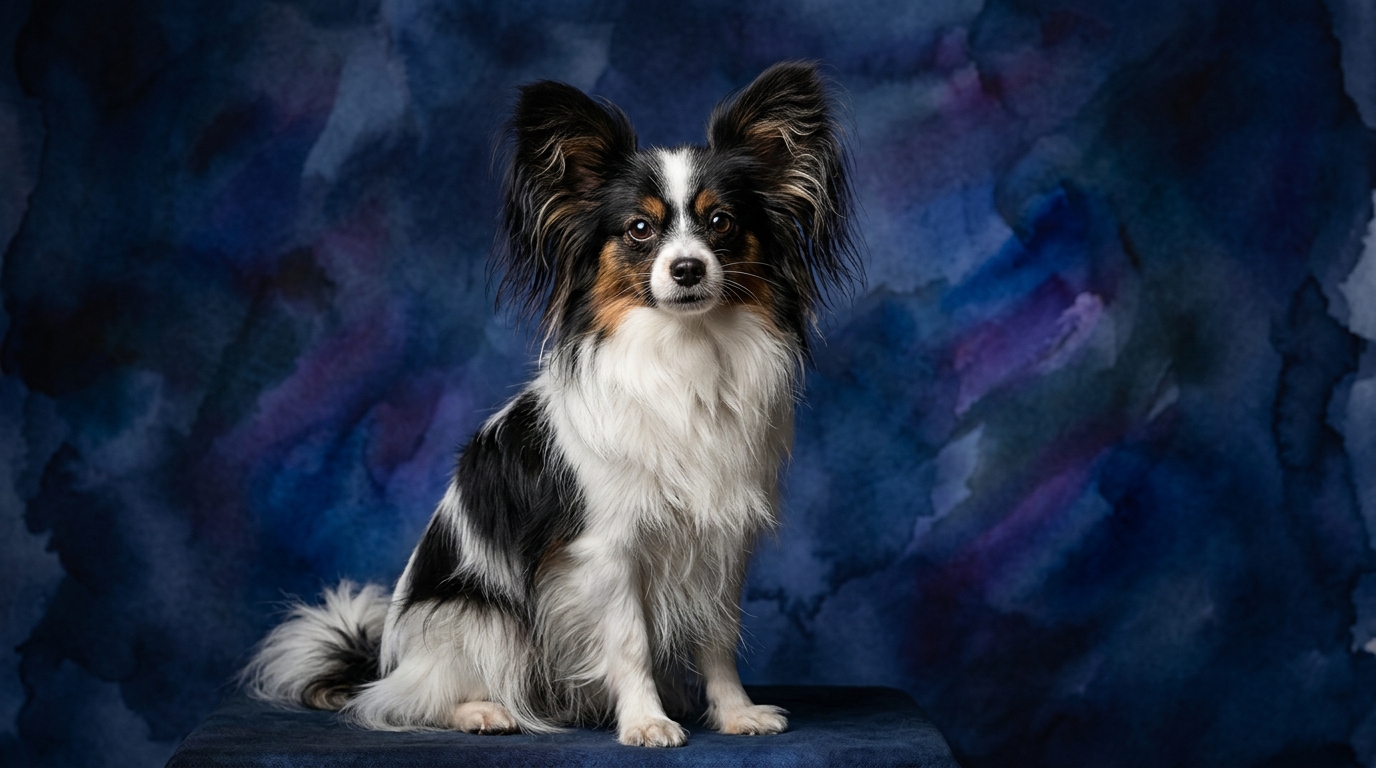
Cosmic Synergy
Why Cancer & Papillon Click
The Cancer owner finds deep fulfillment in nurturing the delicate, affectionate Papillon. Their home becomes a haven where the Papillon, originating from the refined courts of France and Belgium, feels safe and cherished, reciprocating with boundless love and loyalty, which a Cancerian soul craves. The tiny Papillon, despite being a toy breed, possesses an astonishing intellect – ranking highest among its group in cognitive ability. This means they're not just lap warmers; they thrive on mental engagement. For a Cancer owner, who often enjoys quiet, focused activities at home, discovering the depth of their Papillon's mind can be a delightful journey, transforming simple companion life into an intellectually stimulating partnership. The Papillon’s intuitive nature often means they pick up on their Cancerian's moods, offering comforting snuggles when needed and playful antics to lighten the atmosphere, creating a deep, unspoken bond.
Real Talk
Where It Gets Tricky
While the Papillon's brilliance is a gift, it can also present a unique challenge for the deeply sensitive Cancer. A Papillon isn't content to simply exist; their sharp minds need stimulation, and if bored, they can become mischievous or even a little demanding. This isn't stubbornness in a bad way, but a manifestation of their high intellect – they need a 'job', even if it's just learning new tricks, embodying a working dog's cognitive capacity in a companion's body. A Cancer owner, while patient, can sometimes retreat into their shell, and a high-energy, brainy Papillon might feel a slight disconnect if their mental needs aren't met, potentially leading to small bouts of attention-seeking behavior. Furthermore, these tiny dynamos, despite being small and part of the toy group, regularly win agility championships against much larger working breeds, competing on cognitive speed, not physical power. Cancer might need to stretch their comfort zone to ensure their Papillon's physical and mental energy are adequately channeled, lest their quiet home life feel a little too static for their clever companion.
Training Tip for Cancer Owners
Harness your natural Cancerian patience and nurturing spirit for training. Papillons thrive on positive reinforcement and affection, so harshness will only make them retreat. Instead of traditional commands, frame training as a fun, bonding game, perhaps teaching them names for their toys or new, elaborate tricks. Integrate short, joyful brain-game sessions throughout the day, always ending on a successful, happy note, reinforcing their trust in your gentle guidance.
Life Together
A Day in the Life
A Cancer's home with a Papillon often begins with soft stirrings and a gentle nuzzle. Your Papillon, perhaps perched regally on a nearby armchair, observes your morning routine with keen intelligence. While you tend to your day, whether working from home or tending your garden, your little companion is never far, a comforting, watchful presence. Midday might see a burst of playful energy – a thrilling game of 'find the treat' or a quick session of learning a new parlor trick, showcasing their remarkable cognitive speed. Even though small, their need for a stimulating walk is there, but it's more about sniffing out new information and exploring than covering vast distances. Evenings are the true Cancerian haven: your Papillon curled on your lap or nestled beside you on the sofa, absorbing your peaceful energy, offering quiet companionship and the occasional affectionate lick, perfectly content in the secure, loving sanctuary you provide.
Questions & Answers
Common Questions
While your Papillon will adore the cozy, secure haven you provide and crave your affection, remember their brilliant minds are built for more than just cuddles. They need daily mental stimulation through training, puzzle toys, and engaging play to truly thrive. Balance your Cancerian love for home with your Papillon's need for intellectual engagement, and you'll have the happiest companion.
Lean into your Cancerian intuition and empathy. A Papillon's 'stubbornness' is often their clever way of communicating boredom or a need for mental stimulation. Instead of feeling hurt or frustrated, try to interpret their behavior. Offer a short training session, a new puzzle toy, or a quick game. Your gentle, consistent approach, paired with positive reinforcement, will re-establish harmony and deepen your bond, understanding it's intelligence seeking engagement, not defiance.
Curious How Smart Your Papillon Really Is?
Explore the Papillon's cognitive profile — problem-solving, memory, social intelligence and more.
Discover your dog's IQ →