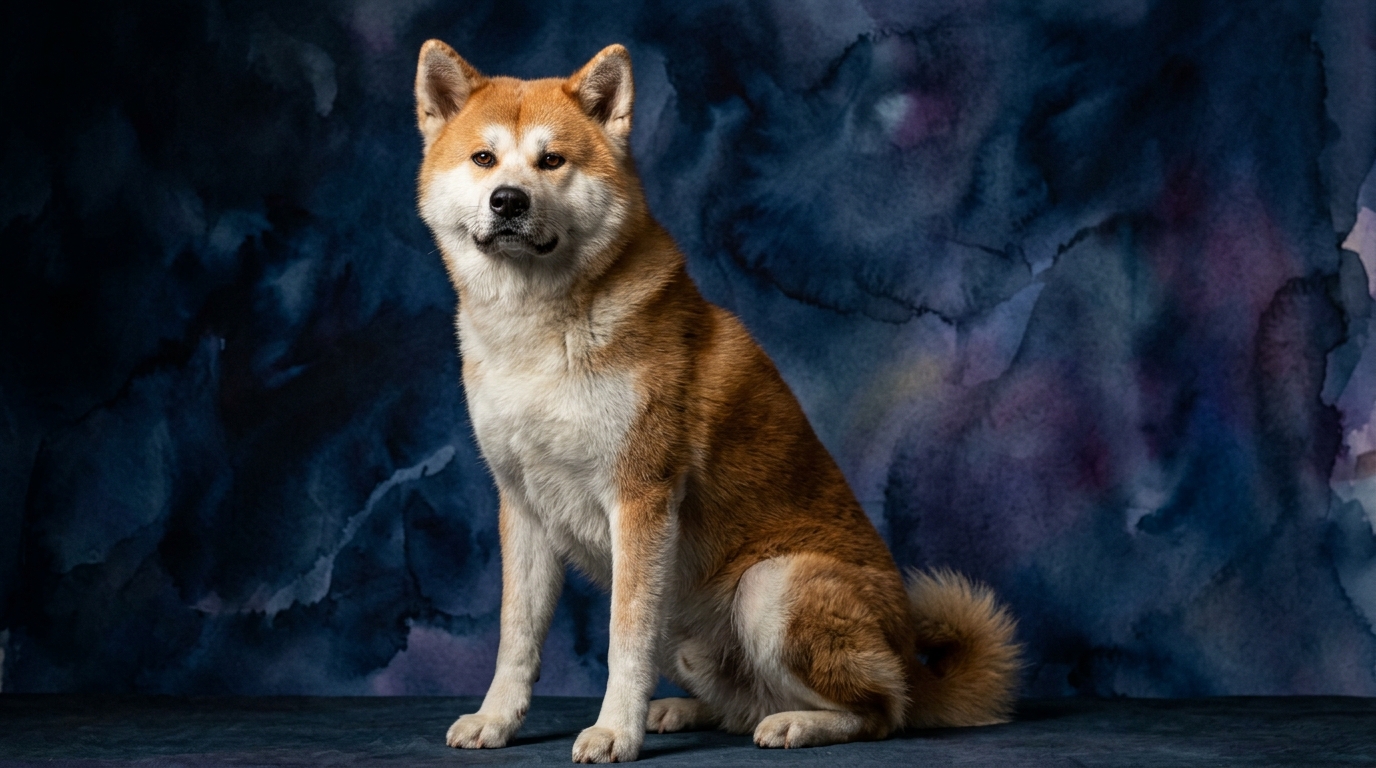
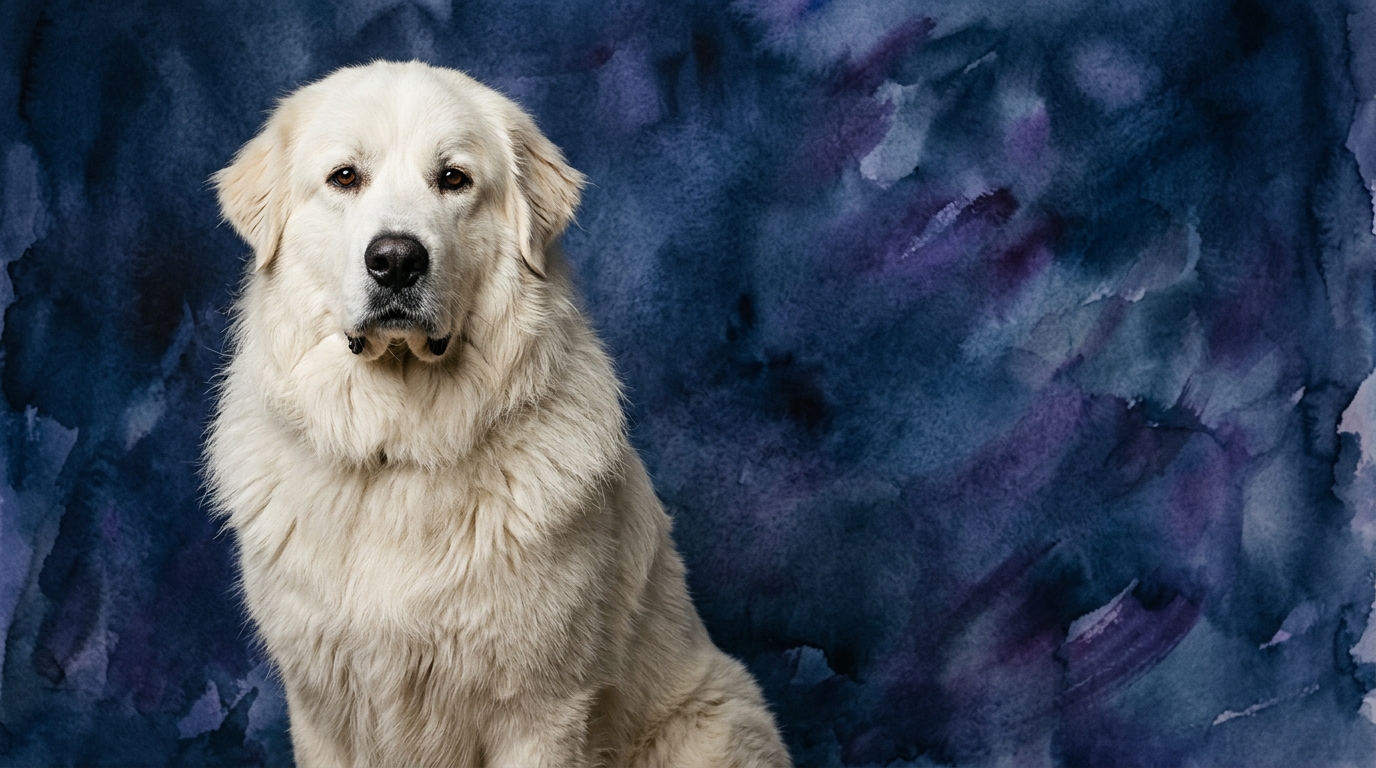
Side-by-Side Cognitive Profiles
To truly appreciate the minds of the Akita and Great Pyrenees, we must dissect their cognitive dimensions. The Akita, ranking #54 on the Coren intelligence scale, presents a profile marked by strong internal drives and memory. The Great Pyrenees, at #64, offers a different blend of independence and cooperative learning.
The Akita's cognitive breakdown includes: Problem Solving (3/5), indicating a moderate capacity for independent thought where solutions often stem from their strong will rather than pure analytical processing; Training Speed (2/5), reflecting an independent nature that requires significant motivation and consistent, firm guidance; Social Intelligence (3/5), characterized by a reserved and discerning approach, loyal to family but aloof with strangers; Instinctive Drive (5/5), an exceptional strength encompassing powerful guarding, prey drive, and territoriality, guiding much of their behavior; and Memory (4/5), a strong ability to retain learned behaviors and experiences over extended periods, influencing future interactions.
The Great Pyrenees' cognitive profile reveals: Problem Solving (3/5), a moderate ability to independently make decisions, especially related to their guardian role, like deterring predators; Training Speed (3/5), a moderate capacity for learning, where they respond best to patient, gentle methods that build trust rather than demanding strict obedience; Social Intelligence (3/5), showing a calm and watchful demeanor, gentle with family but reserved with strangers, often informed by protective instincts; Instinctive Drive (3/5), moderate drives primarily centered on livestock guardianship, expressed with calm, watchful persistence; and Memory (3/5), a moderate ability to remember routines, people, and places, sufficient for their daily duties and consistency.
Where the Akita Excels Cognitively
The Akita holds a distinct cognitive advantage in two crucial areas: instinctive drive and memory. Scoring an exceptional 5/5 in instinctive drive, the Akita exhibits a profound depth of innate behavioral programming. This translates into an almost primal sense of purpose, whether guarding their home or exhibiting a strong prey drive. This robust internal compass means Akitas often operate with a clear, self-directed agenda, making them decisive and formidable in their roles. Their actions are frequently underpinned by these powerful, inherent impulses, shaping their responses to their environment and interactions. Complementing this, the Akita's 4/5 memory score indicates a superior ability to retain information and experiences. They form lasting associations, remembering past events, people, and training cues with remarkable clarity. This strong recall contributes to their consistency once a behavior is established and means they rarely forget a lesson. This cognitive strength allows them to build complex mental maps of their world and react based on a rich tapestry of remembered interactions and learned patterns, making them reliable in their established routines and discerning in their judgments.
Where the Great Pyrenees Wins Cognitively
While the Akita excels in instinctive drive and memory, the Great Pyrenees finds its cognitive edge primarily in its training speed, scoring a 3/5 compared to the Akita's 2/5. This seemingly modest difference reflects a critical distinction in their approach to learning and human instruction. The Great Pyrenees, despite its independent nature, tends to be more receptive to consistent, patient training efforts. Their willingness to engage, while not overtly enthusiastic, is often more cooperative once trust is established and the purpose of the training is understood, even if implicitly. This slight advantage in training speed suggests a breed that, while not blindly obedient, can integrate new commands and behaviors into its repertoire with a bit more fluidity and less resistance than the Akita. Their learning process is less about dominance and more about gentle guidance, allowing them to absorb lessons at a slightly quicker pace when approached with understanding. Both breeds share an equal 3/5 score in problem-solving and social intelligence, indicating similar capacities for independent thought and navigating social interactions, but the Pyrenees' moderate training speed offers a smoother path for owners aiming for foundational obedience and manners.
Training Dynamics: Akita vs. Great Pyrenees
When assessing ease of training, the Great Pyrenees generally presents a more manageable experience for owners, primarily due to its slightly higher training speed score of 3/5 compared to the Akita's 2/5. The Akita’s strong independence and profound instinctive drive (5/5) mean they are often more inclined to make their own decisions rather than readily comply with commands. Their training requires immense patience, consistency, and a deep understanding of their self-willed nature. Akitas will question the necessity of a command and may only perform if they see a clear benefit or if the handler's leadership is unequivocally established. This isn't a lack of ability to learn, but rather a lack of inherent desire to please for pleasure alone, making the training process a constant negotiation.
In contrast, the Great Pyrenees, while also an independent thinker accustomed to making decisions as a guardian, typically responds better to positive reinforcement and a calm, persuasive approach. Their independence stems from their historical role of protecting livestock autonomously, but their desire to avoid conflict and maintain harmony often makes them more amenable to learning when the training is gentle and consistent. They may not be flashy performers, but their moderate training speed means they absorb lessons effectively when approached with respect for their thoughtful nature, leading to a more cooperative training dynamic overall.
Matching Breeds to Lifestyles: Active vs. Relaxed Owners
The choice between an Akita and a Great Pyrenees significantly hinges on an owner's lifestyle, particularly their activity level and desired level of engagement. An Akita, with its exceptionally strong instinctive drive (5/5) and robust physical presence, is best suited for active, experienced owners who can consistently provide structured mental and physical stimulation. Their high energy and need for purpose mean they thrive with consistent training, challenging activities, and a clear leadership structure. Owners who enjoy regular, vigorous walks, engage in dog sports, or are prepared to manage their powerful natural instincts will find a rewarding partnership. Their reserved social intelligence (3/5) also means they are not typically eager for broad social outings, preferring the company of their immediate family.
Conversely, the Great Pyrenees, with its moderate instinctive drive (3/5) and calmer disposition, is often a better fit for more relaxed owners. While they require regular exercise to maintain health, their activity needs are generally lower than an Akita's. Their historical role as a watchful, rather than constantly active, guardian translates into a preference for patrolling their territory and observing rather than constant high-intensity engagement. They appreciate a predictable routine and a secure environment, making them content with moderate daily walks and ample yard space for their watchful duties. Their moderate social intelligence (3/5) aligns with a family that values a serene, protective presence without the demand for constant social interaction beyond their immediate circle.
The Verdict
Choose an Akita if you are an experienced dog owner seeking a highly independent, strong-willed companion who thrives on clear leadership, consistent training, and challenging engagement, and you appreciate a dog with profound loyalty and protective instincts.
Choose a Great Pyrenees if you seek a calm, watchful, and gentle guardian with a moderate activity level, valuing a steady presence and a dog that, while independent, responds well to patient, positive reinforcement training within a relaxed family environment.
🧠 Find Your Pet's IQ Score
Our Pet IQ Lab assessment covers 25+ tests across 5 cognitive dimensions — personalized to your breed.
Take the Full IQ Test →Frequently Asked Questions
Is an Akita hard to train?
Akitas present a training challenge due to their independence and strong will, scoring 2/5 in training speed. They learn but require consistent, firm, and patient guidance from an seasoned owner who can establish clear leadership and motivate them effectively.
Do Great Pyrenees need a lot of exercise?
Great Pyrenees have moderate exercise needs, aligning with their 3/5 instinctive drive. They benefit from daily walks and a secure yard for patrolling, but they are not high-energy dogs requiring intense, constant activity like some other working breeds.
Which breed is better with strangers?
Both breeds score 3/5 in social intelligence, indicating a reserved approach to strangers. Akitas can be wary and protective, while Great Pyrenees are typically calm but watchful. Neither is inherently inclined to be overtly friendly with unknown individuals.