Side-by-Side IQ Profile
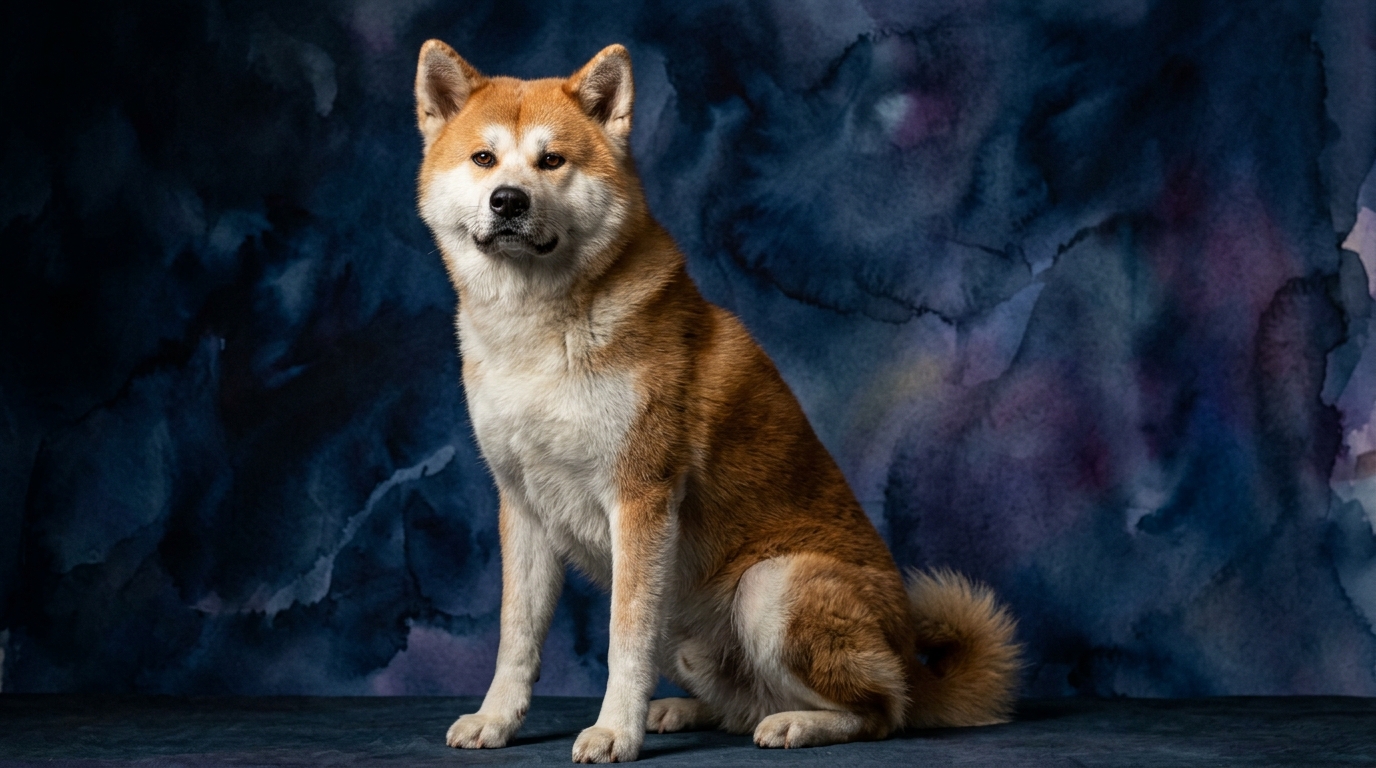
**Akita's Cognitive Blueprint:** The Akita, a powerful Working breed, displays a Problem Solving score of 3/5, indicating an ability to independently navigate challenges, often preferring their own methods. Their Training Speed, at 2/5, suggests a slower assimilation of new commands, often stemming from a strong will and the need to perceive genuine value in the instruction. Social Intelligence is 3/5, reflecting an understanding of cues applied selectively, primarily within their trusted inner circle, manifesting as loyalty rather than broad amiability. A dominant Instinctive Drive of 5/5 underscores their profound heritage as guardians and hunters, deeply influencing their behavioral responses and focus. Their Memory, a robust 4/5, means they retain learned experiences and routines with remarkable clarity, shaping long-term behavior and relationships.
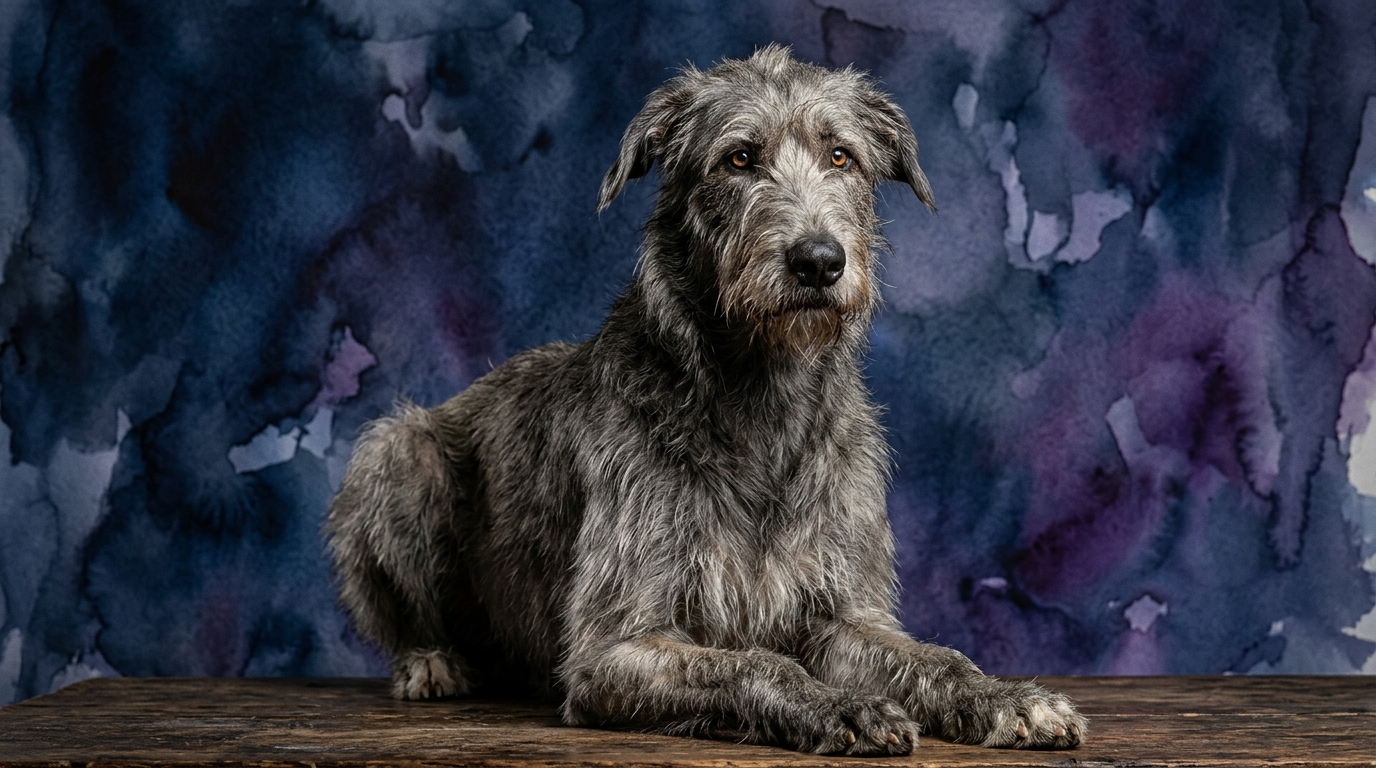
**Irish Wolfhound's Cognitive Blueprint:** The Irish Wolfhound, a dignified Hound, presents a balanced cognitive profile with Problem Solving at 3/5, indicating a capacity to manage situations, often in a more direct or less complicated manner than the Akita. Their Training Speed of 3/5 suggests a reasonable pace for acquiring new information, often aided by their cooperative nature. Social Intelligence is also 3/5, pointing to a good grasp of social dynamics, typically expressed through a gentle and tolerant demeanor towards those within their social sphere. An Instinctive Drive of 3/5, while present as a sighthound's prey drive, is often balanced by their calm temperament indoors, without the overwhelming intensity seen in some working breeds. Their Memory, rated 3/5, signifies a solid ability to recall commands and experiences, making consistent reinforcement key to their learning.
Where Akita Wins Cognitively
The Akita's superior Instinctive Drive (5/5) and strong Memory (4/5) grant it a distinct cognitive advantage in domains requiring unwavering purpose and precise recall. Their profound instinctive drive is not merely raw power; it represents a deeply ingrained understanding of duty, territory, and protection, translating into a focused, resolute commitment to tasks they deem crucial. This dominant drive, combined with a robust memory, means an Akita who has learned a specific routine or encountered a particular perceived threat will recall it with remarkable clarity, shaping their future responses with precision. For instance, in roles demanding independent decision-making based on past observations, like a watchful guardian, the Akita's high instinctive drive to protect, coupled with its excellent memory of established boundaries and suspicious patterns, makes it exceptionally effective, requiring less constant human oversight once parameters are set. Their problem-solving, while 3/5, is often filtered through this lens of intense instinct and memory, allowing them to devise solutions that serve their protective or independent agenda with conviction.
Where Irish Wolfhound Wins Cognitively
The Irish Wolfhound's cognitive strength lies in its balanced and adaptable profile, particularly its moderate Training Speed (3/5) and more agreeable Instinctive Drive (3/5), which fosters a different kind of cognitive flexibility. While lacking the extreme highs of the Akita, their consistent 3/5 across problem-solving, training speed, social intelligence, and memory indicates a well-rounded and less specialized cognitive toolkit. This balance allows them to adapt more readily to diverse living situations and social dynamics without the overriding intensity of a dominant, singular drive. Their moderate training speed, combined with a generally agreeable temperament, means they are often more receptive to varied training methods and less prone to the stubborn independence that can characterize breeds with higher instinctive drives. For example, an Irish Wolfhound might not possess the Akita's intense memory for specific threats, but their balanced social intelligence and problem-solving allow them to navigate new social interactions with a gentle curiosity, often diffusing tension rather than escalating it. Their cognitive profile makes them particularly adept at being versatile companions who thrive in a family setting, engaging in play, quiet companionship, and occasional bursts of sighthound activity without the constant need for a "job" or a specific outlet for an overwhelming instinct.
Which Is Easier to Train and Why
When evaluating ease of training, the Irish Wolfhound generally offers a more straightforward experience for the average owner. Their Training Speed of 3/5, coupled with a Social Intelligence of 3/5 and a more moderate Instinctive Drive of 3/5, makes them inherently more amenable to instruction. Irish Wolfhounds typically possess a gentle and amiable disposition, often exhibiting a clear desire to please their human companions. This willingness to cooperate, combined with their ability to retain information at a reasonable pace, means they are often quicker to grasp and consistently perform commands. Behavioral differences underpin this: an Irish Wolfhound, while possessing a sighthound's independent streak and occasional pursuit drive for moving objects, is generally less inclined to overtly challenge authority or assert dominance in the same way an Akita might. Their problem-solving (3/5) often seeks the path of least resistance or the one that leads to positive human interaction.
In contrast, the Akita's Training Speed of 2/5, combined with its powerful Instinctive Drive (5/5) and independent Problem Solving (3/5), positions it as a more demanding training prospect. Akitas certainly learn, and their strong Memory (4/5) ensures they retain what they've learned, but their inherent independence means they often question the necessity of a command or prefer to act on their own initiative if it conflicts with their perceived self-interest or duty. Their formidable instinctive drive, deeply rooted in guarding and protection, can sometimes override human instruction if it clashes with their perceived role or natural inclination. For example, an Akita might understand "stay" perfectly but choose to break it if they perceive a threat to their family or territory, whereas an Irish Wolfhound is more likely to defer to the command. Training an Akita requires consistent, firm, and patient methods, often involving a deep understanding of canine psychology and a willingness to work with their strong-willed nature rather than against it; their compliance is often tied to their own assessment of the situation and their bond with their handler.
Which Suits Active Owners vs. Relaxed Owners
The Akita, with its robust Instinctive Drive (5/5) and Problem Solving capacity (3/5) often filtered through an independent lens, is better suited for active owners prepared to provide structured mental and physical engagement. This breed thrives when given a clear purpose, whether it's a consistent routine of challenging obedience work, advanced scent games, or regular, vigorous exercise that taps into their working heritage. An Akita's strong Memory (4/5) means they benefit from learning complex sequences and retaining them, requiring an owner who can consistently provide stimulating activities that prevent boredom and channel their formidable instincts constructively. Owners who enjoy a dedicated training regimen, perhaps even participation in dog sports that cater to their strength and focus, will find the Akita a rewarding partner. Their Social Intelligence (3/5) is often reserved for their chosen family, meaning they don't necessarily thrive in highly social, chaotic environments but rather prefer a more predictable and controlled setting with their trusted companions.
Conversely, the Irish Wolfhound, with its balanced cognitive profile (all 3/5s for problem-solving, training speed, social intelligence, and memory, and a 3/5 for instinctive drive), often suits owners who appreciate a blend of moderate activity and relaxed companionship. While they are large and require regular, albeit often shorter, bursts of exercise to maintain their physical condition, their cognitive needs are less about constant "work" and more about harmonious integration into family life. Their moderate instinctive drive means they are less likely to constantly seek out a "job" and are generally content with a comfortable routine that includes walks, supervised outdoor play, and plenty of quiet time with their family. Their Social Intelligence (3/5) allows them to be amiable and tolerant companions, making them suitable for owners who enjoy a more relaxed social dynamic at home and are prepared for their occasional sighthound bursts of speed in a secure area. They are not necessarily "relaxed" in the sense of being sedentary, but their cognitive demands are more about companionship and gentle interaction than high-intensity problem-solving or dedicated working tasks.
The Verdict
Choose an Akita if you are an experienced dog owner seeking a devoted, protective companion who thrives on purpose and structured mental challenges, prepared to commit to consistent, firm training and management of their powerful independent instincts.
Opt for an Irish Wolfhound if you desire a gentle, tolerant giant who integrates seamlessly into family life, offering balanced companionship with moderate activity needs and a generally agreeable, albeit sometimes distractible, temperament.
🧠 Find Your Pet's IQ Score
Our Pet IQ Lab assessment covers 25+ tests across 5 cognitive dimensions — personalized to your breed.
Take the Full IQ Test →Frequently Asked Questions
Is the Akita truly harder to train than the Irish Wolfhound?
While both breeds require consistent training, the Akita's powerful instinctive drive and independent nature often make the training process more challenging, demanding greater patience and experience from the owner compared to the generally more cooperative Irish Wolfhound.
Which breed is better with children?
Both breeds can be good with children when properly socialized and raised, but the Irish Wolfhound's balanced social intelligence and typically gentler disposition often make it a more naturally tolerant and patient companion for families with children. The Akita's protective instincts require careful management around children, especially those outside its immediate family.
Do these breeds require a lot of mental stimulation?
The Akita, with its high instinctive drive and strong memory, benefits significantly from consistent mental stimulation and a clear purpose to prevent boredom and channel its independent nature. The Irish Wolfhound also needs mental engagement, but its needs are generally more moderate, often satisfied through companionship, regular walks, and occasional puzzle toys rather than intense working tasks.