Side-by-Side IQ Profile: Unpacking Cognitive Dimensions
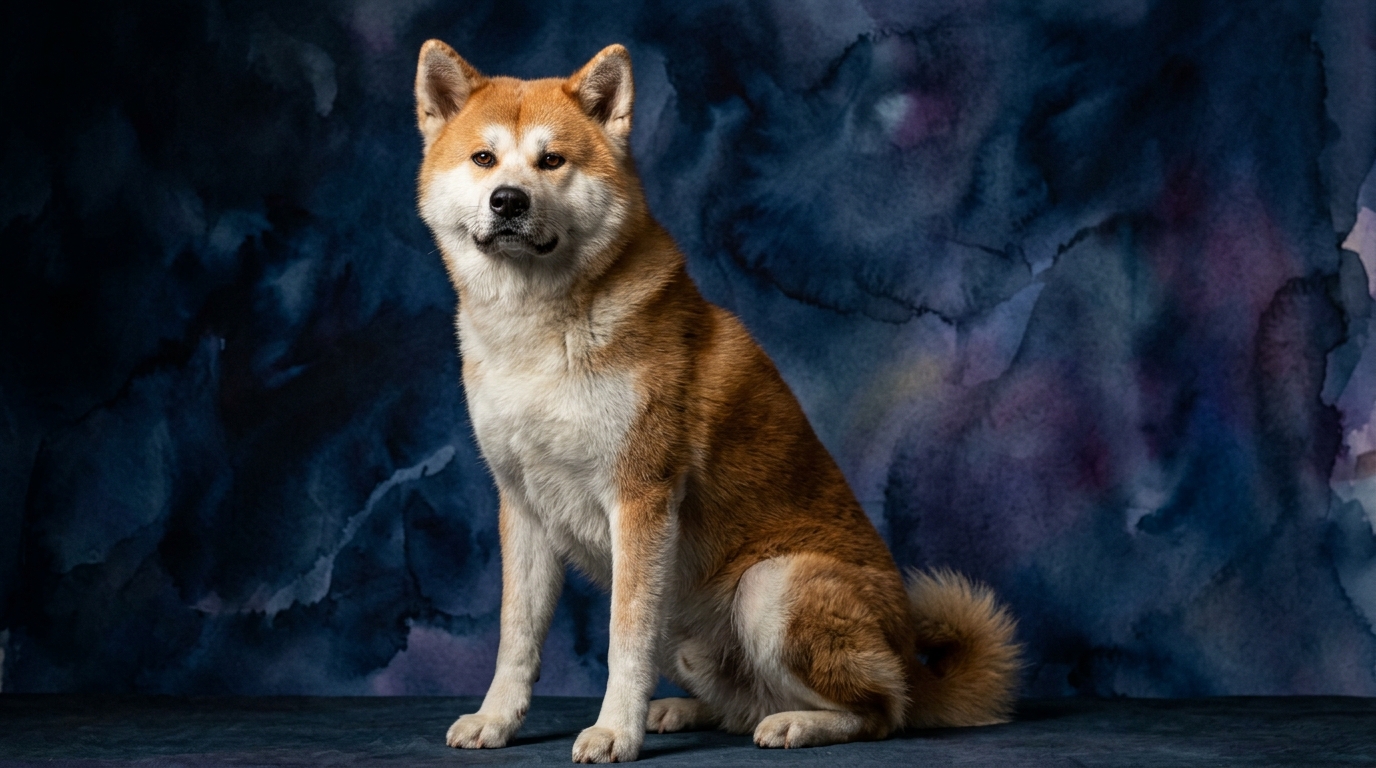
Akita: Originating from Japan, the Akita carries a Coren rank of #54, placing it within the average working intelligence category for obedience and working tasks. Its cognitive blueprint outlines a problem-solving capacity rated at 3/5, suggesting a moderate aptitude for navigating new challenges or figuring out complex scenarios, often preferring to observe before acting. The breed's training speed registers at 2/5, indicating that while capable of learning, Akitas often require consistent, patient, and engaging methods to internalize commands due to their independent nature. Social intelligence stands at 3/5, meaning they can interpret human and animal cues, though their expression of this understanding is often reserved and discerning. A standout feature is their instinctive drive, rated at a powerful 5/5, reflecting their profound ancestral roles in guarding and hunting, manifesting as strong territoriality and protective instincts. Finally, their memory scores 4/5, enabling them to retain routines, learned behaviors, and environmental details with considerable accuracy over time.
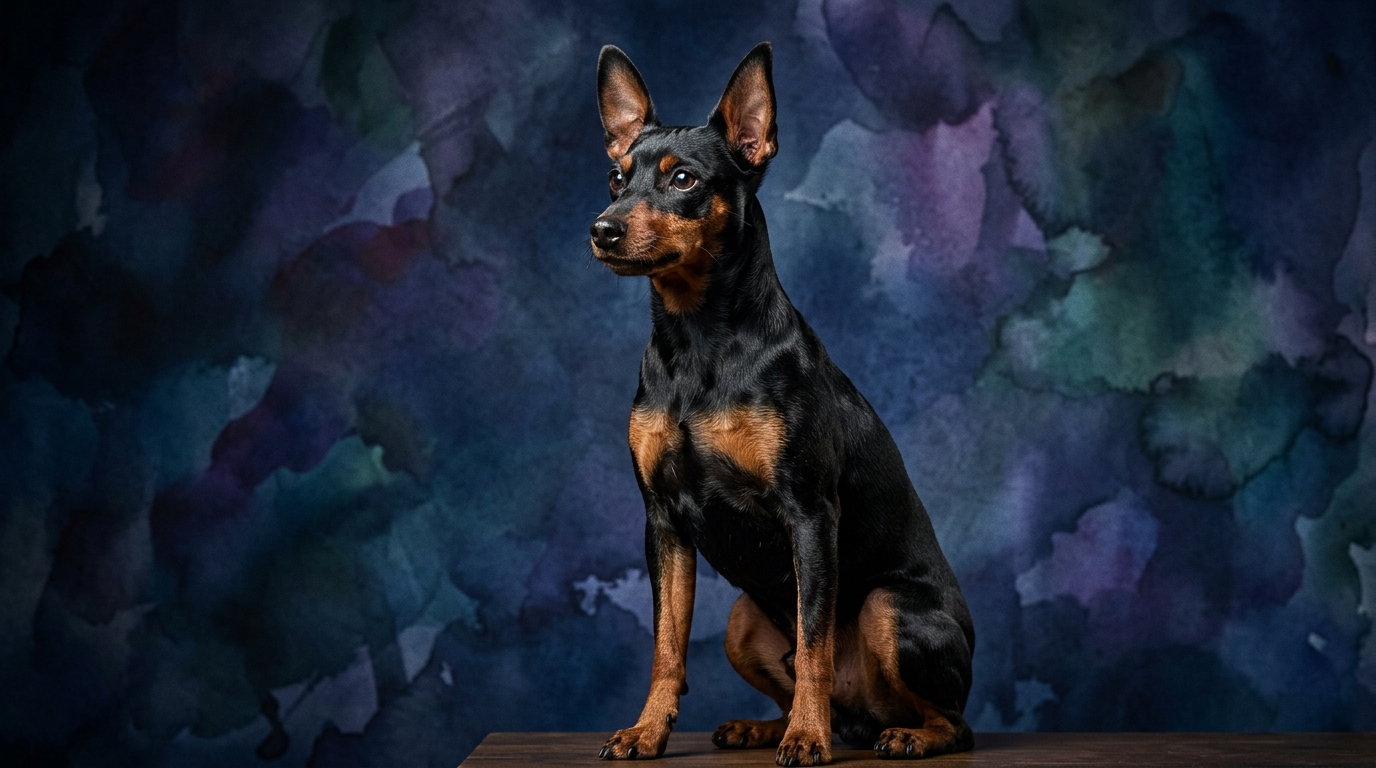
Miniature Pinscher: Despite not being included in Coren's ranking, the Miniature Pinscher presents a distinct cognitive profile. Their problem-solving ability matches the Akita at 3/5, suggesting a similar moderate capacity for tackling novel situations, often employing their spirited curiosity. Where they diverge significantly is in training speed, scoring 3/5, which implies a quicker uptake of new commands and a more immediate responsiveness to training efforts compared to the Akita. Their social intelligence also sits at 3/5, indicating an ability to understand social cues, which they often express with assertive and confident communication. Their instinctive drive is rated at 3/5, reflecting a moderate level of inherent behaviors such as chasing, alert barking, and a tenacious spirit, traits often associated with their "King of Toys" moniker. Their memory, at 3/5, suggests a competent ability to recall experiences and training, though perhaps not with the same depth or duration as the Akita.
Where the Akita Wins Cognitively
The Akita's cognitive strengths distinctly emerge in two crucial areas: instinctive drive and memory. With an instinctive drive rated at 5/5, the Akita possesses an unparalleled depth of intrinsic behaviors, far surpassing the Miniature Pinscher's 3/5. This manifests as a profound protective instinct, making them natural guardians of their home and family. Their strong territoriality and discerning nature mean they are inherently wired to assess threats and react decisively, a trait honed over centuries of selective breeding for guarding and big-game hunting. This robust internal compass dictates much of their behavior, requiring owners who understand and respect this deep-seated aspect of their mental makeup. Furthermore, the Akita's memory score of 4/5 outpaces the Miniature Pinscher's 3/5. This superior recall means Akitas are more likely to remember complex routines, past experiences, and lessons learned, whether positive or negative, over extended periods. This enduring memory contributes to their consistency in established routines and their ability to recall training, even if their initial learning speed is slower. Their capacity for long-term retention means that once a concept is truly understood and accepted, it is deeply ingrained.
Where the Miniature Pinscher Wins Cognitively
The Miniature Pinscher’s primary cognitive advantage lies in its training speed, scoring 3/5 compared to the Akita’s 2/5. This difference indicates that Miniature Pinschers generally grasp new commands and concepts more quickly and with greater enthusiasm. Their quicker learning curve often translates into a more straightforward initial training experience, as they tend to be more receptive to cues and eager to engage in structured learning sessions. While their problem-solving and social intelligence scores are on par with the Akita, their heightened training speed makes them appear more adaptable and responsive in a learning environment. This agility in acquiring new behaviors is a significant asset for owners seeking a companion that can rapidly integrate new commands and tricks into their repertoire. Their moderate instinctive drive (3/5) also contributes to this, as they are less likely to be sidetracked by overwhelming innate impulses that might interfere with focused training, unlike the Akita's powerful drives. Their spirited nature, combined with this quicker learning pace, makes them engaging partners in various training endeavors, from basic obedience to more advanced activities.
Which is Easier to Train and Why
Based on their cognitive profiles, the Miniature Pinscher generally presents an easier training journey than the Akita. The Miniature Pinscher’s training speed of 3/5 signifies a quicker uptake of new commands and a more immediate response to instruction. This breed often exhibits a lively eagerness to participate in training, making sessions more dynamic and rewarding. Their moderate instinctive drive (3/5) means they are less likely to be dominated by overwhelming intrinsic behaviors that could conflict with human directives. While they possess a confident and assertive personality, these traits are typically manageable within a consistent training framework, allowing them to focus on learning without significant internal resistance. In contrast, the Akita’s training speed of 2/5 suggests a more deliberate learning process. Their profound instinctive drive (5/5) for guarding and independence means they often evaluate commands based on perceived necessity or benefit, rather than immediate compliance. Training an Akita demands immense patience, unwavering consistency, and a deep understanding of their independent nature. They require strong motivation and a clear purpose for each task. For instance, an Akita might learn "sit" but choose not to sit if they don't see the immediate value, or if their guarding instinct dictates otherwise. A Miniature Pinscher, while spirited, is generally more inclined to cooperate, making the initial stages of obedience training less challenging and more rapidly successful.
Which Suits Active Owners vs. Relaxed Owners
Understanding the cognitive landscape of each breed is crucial when matching them with an owner's lifestyle. The Akita, with its powerful instinctive drive (5/5) and substantial physical presence, is best suited for active owners who can commit to consistent structure, extensive socialization, and robust mental and physical engagement. Their moderate problem-solving abilities (3/5) combined with their strong will mean they thrive when given a "job" or clear purpose, requiring owners who understand how to channel their protective instincts and independence positively. These are not dogs for casual walks; they require purposeful outings, training sessions that challenge their intellect, and owners who are confident in managing a powerful, discerning companion. A relaxed owner who cannot provide this level of leadership and activity might find an Akita's independence and strong drives overwhelming, potentially leading to behavioral challenges stemming from boredom or a lack of clear boundaries.
The Miniature Pinscher, while energetic and confident, presents a different fit. Its moderate instinctive drive (3/5) and quicker training speed (3/5) make it adaptable to active owners who enjoy engaging in consistent training and playtime, but also to slightly more relaxed owners who can provide ample indoor mental stimulation and regular, though perhaps less strenuous, outdoor exercise. Their problem-solving (3/5) and social intelligence (3/5) mean they enjoy interactive toys and learning new tricks, which can satisfy their mental needs even in smaller living spaces. While they possess boundless energy and a tenacious spirit, their smaller size makes their exercise requirements more manageable than an Akita's. A Miniature Pinscher can thrive with owners who appreciate their spirited personality and can provide consistent boundaries, even if the daily routine isn't as intensely structured or physically demanding as an Akita would require.
The Verdict
When choosing between these two distinct breeds, the Akita is the ideal companion for experienced, active owners who value a deeply loyal, discerning guardian and are prepared to invest significant time and effort into consistent training and socialization.
Conversely, the Miniature Pinscher is better suited for owners who appreciate a confident, spirited companion that is generally quicker to train and can adapt to a range of active lifestyles, from consistent play to regular walks, without requiring the same intense management of powerful guarding instincts.
🧠 Find Your Pet's IQ Score
Our Pet IQ Lab assessment covers 25+ tests across 5 cognitive dimensions — personalized to your breed.
Take the Full IQ Test →Frequently Asked Questions
Does the Akita's slower training speed mean it cannot learn complex commands?
Not at all. The Akita's 2/5 training speed indicates a need for more patient and consistent methods, but their 4/5 memory and 3/5 problem-solving capacity mean they are perfectly capable of learning complex commands. They simply require a different approach, often needing tasks to feel purposeful or beneficial to them, rather than simply complying.
How does the Miniature Pinscher's "not Coren-ranked" status affect its perceived intelligence?
The absence of a Coren ranking for the Miniature Pinscher primarily means it wasn't extensively studied for obedience and working intelligence in that specific methodology. It does not imply a lack of intelligence; rather, its unique cognitive profile, including a 3/5 problem-solving ability and 3/5 training speed, highlights its distinct mental strengths in other areas.
Can a Miniature Pinscher be a good guard dog despite its smaller size and moderate instinctive drive?
While its instinctive drive is 3/5 compared to the Akita's 5/5, the Miniature Pinscher's assertive nature and tendency to bark at perceived threats make it an excellent alert system. They will certainly make their presence known, providing an early warning, though their physical deterrent capabilities are naturally limited by their size.