Side-by-Side Pet IQ Profile
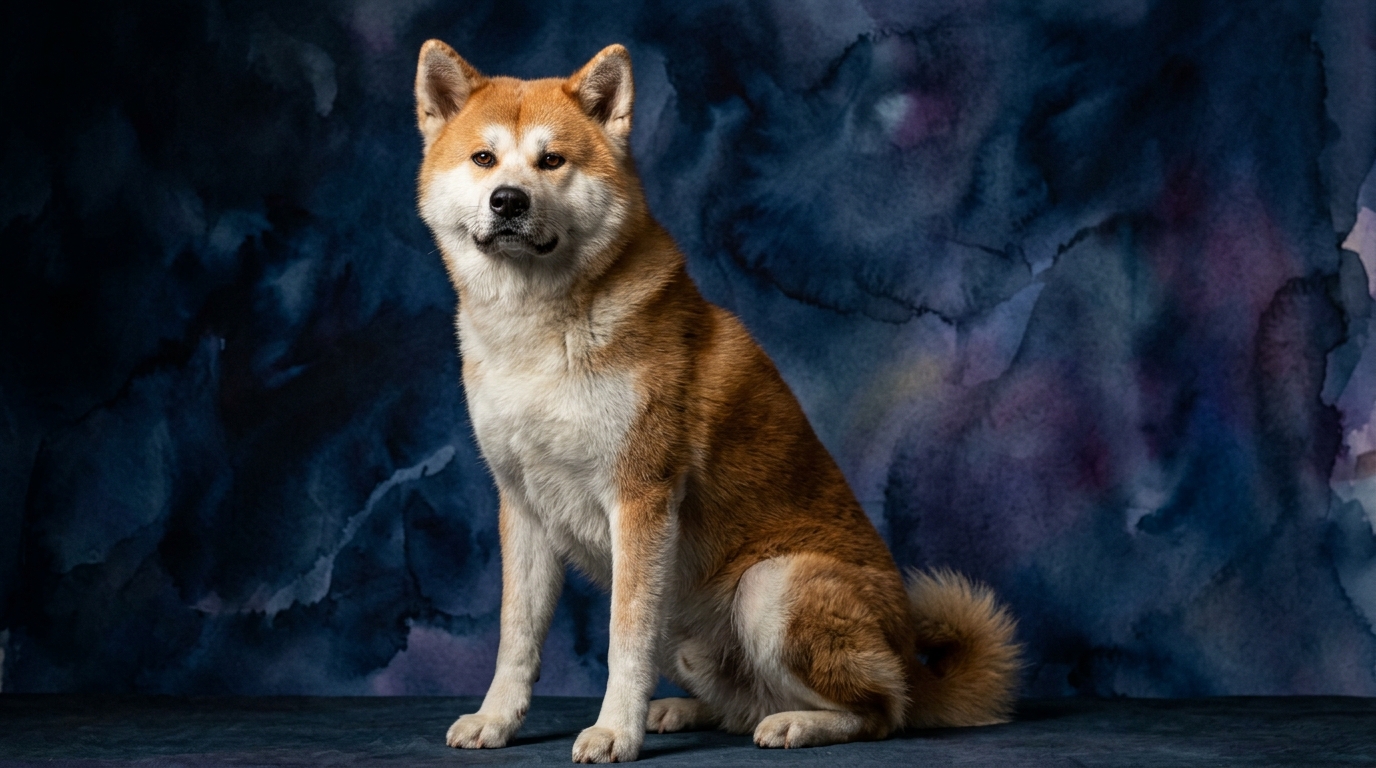
**Akita: A Portrait of Independent Resolve** Originating from the mountainous regions of Japan, the Akita holds a Coren rank of #54, placing them squarely in the average working/obedience intelligence category. Our Cosmic Pet Pet IQ Lab data reveals a Problem Solving score of 3/5, indicating a moderate, deliberate capacity for independent thought and figuring out novel situations, often favoring their own judgment. Their Training Speed is rated 2/5, suggesting they absorb new commands at a distinctly slower pace and typically require significant repetition, unwavering patience, and highly motivating rewards from their handler to solidify learning. Social Intelligence stands at 3/5, meaning they possess a moderate ability to interpret human cues and social situations, though this is often filtered through a lens of inherent independence and discernment rather than overt eagerness to please. Where the Akita truly shines and differentiates itself is in Instinctive Drive, scoring a perfect 5/5. This reflects a profoundly powerful, intrinsic urge for guarding, hunting, and protection, deeply embedded in their genetic makeup. Complementing this formidable drive, their Memory is strong at 4/5, indicating they retain learned information, experiences, and specific routines with impressive longevity and accuracy, contributing to their reputation for consistent behavior once patterns are established.
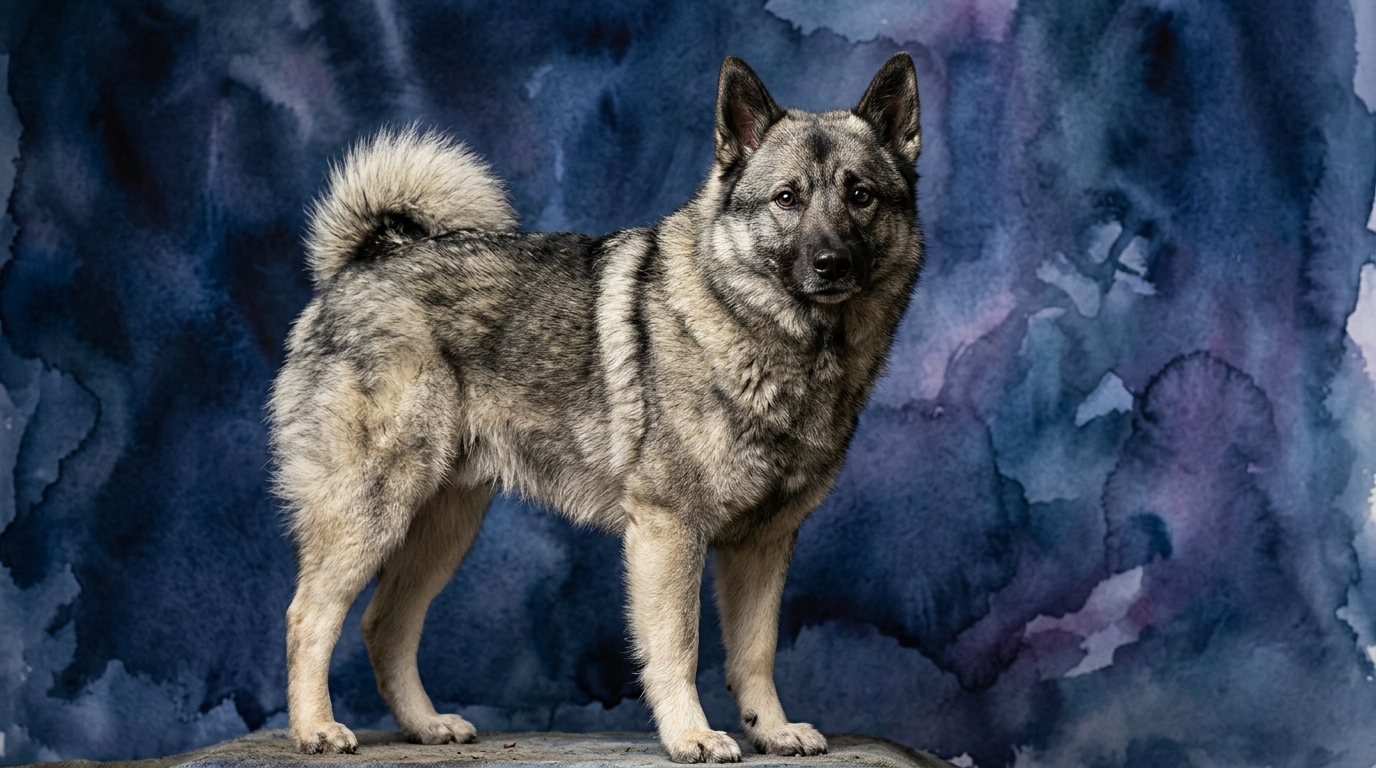
**Norwegian Elkhound: Agile Mind, Steadfast Spirit** Hailing from the rugged landscapes of Norway, where they historically tracked large game, the Norwegian Elkhound boasts a significantly higher Coren rank of #36, positioning them in the above-average category for working/obedience intelligence. Their Pet IQ Lab profile shows a Problem Solving score of 4/5, demonstrating a good, adaptive aptitude for critical thinking, analyzing new challenges, and devising practical solutions independently. Training Speed is notably higher at 4/5, signifying a quicker grasp of new commands and a more enthusiastic, responsive approach to learning. This makes them generally more amenable to varied training methodologies. With a Social Intelligence of 3/5, they share the Akita's moderate ability to navigate social complexities, often displaying a friendly yet sometimes reserved or discerning demeanor, particularly with strangers. Their Instinctive Drive is 3/5, a moderate yet persistent level that reflects their historical role in scent tracking and endurance, but without the intense, all-consuming protective drive seen in Akitas. Like the Akita, their Memory is strong at 4/5, allowing them to recall training, spatial layouts, and past experiences efficiently, which aids in both their tracking work and general household routines.
Where the Akita Wins Cognitively
The Akita's cognitive architecture presents a formidable combination of high instinctive drive and robust memory, giving them a distinct edge in specific domains where self-reliance and deep-seated purpose are paramount. Their perfect 5/5 Instinctive Drive translates into an unwavering resolve and formidable presence, making them exceptionally adept at tasks requiring independent decision-making rooted in primal urges, such as territorial guarding, tracking specific quarry, or protection. This isn't merely about raw physical power; it's about a deep-seated, self-directed purposefulness that guides their actions, often making them highly effective when left to their own devices in their perceived 'job.' Paired with a 4/5 Memory, an Akita can recall intricate scent trails, remember specific individuals or threats, or retain complex spatial layouts of their territory for extended periods. This strong memory, combined with their potent instinctive nature, means once they learn a pattern, identify a specific task, or recognize a threat, they tend to stick with it with impressive consistency and conviction, often requiring less immediate human oversight in situations where their innate drive aligns with the desired outcome. This cognitive resilience, rooted in instinct and memory, makes them formidable and reliable in their chosen roles.
Where the Norwegian Elkhound Wins Cognitively
The Norwegian Elkhound's cognitive strengths lie primarily in their superior Problem Solving and Training Speed, factors that contribute significantly to their higher Coren rank and overall adaptability. Their 4/5 Problem Solving score means they are often quicker to analyze new situations, adapt to changing environments, and devise solutions independently, whether it's figuring out a complex puzzle toy, navigating an unfamiliar obstacle course, or even creatively circumventing a perceived barrier. This isn't just about simple trial and error; it’s about a more flexible, analytical, and sometimes inventive approach to novel challenges, demonstrating a capacity for abstract thought. Complementing this is their 4/5 Training Speed, which indicates a greater ease in forming associations between commands and actions, making them generally more responsive and eager to engage in new instructions. An Elkhound is often quicker to 'get it' during training sessions, demonstrating a sharper ability to process new information and integrate it into their behavioral repertoire, leading to faster mastery of complex tasks and a more fluid learning experience for both dog and handler. This cognitive agility allows them to excel in various dog sports and cooperative work.
Which is Easier to Train and Why
Based on our Pet IQ Lab data, the Norwegian Elkhound is demonstrably easier to train than the Akita, a difference largely attributable to their distinct cognitive profiles in training speed and problem-solving. The Elkhound's Training Speed of 4/5 signifies a much quicker uptake of new commands and a more eager disposition towards learning. They tend to form associations between verbal cues or hand signals and desired behaviors rapidly, often requiring fewer repetitions to solidify a command. This is further supported by their 4/5 Problem Solving score, which allows them to understand the 'why' or the overall objective behind tasks more readily, making them more adaptable to varied training methodologies and less prone to rote memorization. In contrast, the Akita's Training Speed of 2/5 indicates a significantly slower learning curve, demanding immense patience, unwavering consistency, and highly motivating, positive reinforcement from their handler. Their formidable 5/5 Instinctive Drive also means Akitas possess a strong independent streak; they often evaluate commands against their own perceived needs or desires, or what they instinctively believe is appropriate, rather than simply complying out of a strong desire to please. This necessitates a trainer who can motivate them deeply, make training feel like a collaborative, rather than simply obedient, exercise, and build a relationship founded on mutual respect and clear, fair expectations. An Akita owner must be prepared for a longer, more nuanced training journey, focusing on consistency and understanding the breed's intrinsic motivations.
Which Suits Active Owners vs. Relaxed Owners
Determining suitability for active versus relaxed owners hinges critically on how each breed's cognitive profile translates into daily energy management and engagement needs. The Akita, with its powerful 5/5 Instinctive Drive and moderate 3/5 Social Intelligence, often thrives with owners who are active in a purposeful, structured way, providing clear guidance and engaging their deep-seated drives through consistent routines and specific 'jobs.' They don't necessarily require constant, high-intensity physical activity in the way some sporting breeds do, but they benefit immensely from mental stimulation and activities that tap into their guarding or protective instincts, such as advanced obedience, scent work, or even just consistent, structured walks that allow them to 'patrol' their environment meaningfully. A truly relaxed owner expecting a low-maintenance, easily compliant companion might find the Akita's independence, slower training speed, and profound need for purposeful engagement challenging and potentially overwhelming. The Norwegian Elkhound, with a moderate 3/5 Instinctive Drive and a higher 4/5 Training Speed, offers more flexibility in lifestyle integration. While they are resilient, enjoy activity, and possess the stamina of a hunting breed, their drive is less intensely focused and more readily channeled through positive reinforcement training and varied activities. They can adapt to a wider range of active lifestyles, from regular hikes and trail running to agility or competitive obedience, and can also be content with consistent daily walks and engaging mental games. A moderately active owner who enjoys engaging their dog in various activities and values quicker learning and responsiveness will likely find the Elkhound a more accommodating and versatile companion, whereas a truly relaxed owner might still find their hound instincts and need for engagement a bit much without proper management. Their desire to work with their human makes them more adaptable to different levels of owner activity, provided their mental and physical needs are met.
The Verdict
Choose the Akita if you are an experienced, patient owner seeking a deeply loyal, independent companion whose strong instinctive drives and remarkable memory can be channeled into purposeful roles like guarding or focused, consistent training.
Opt for the Norwegian Elkhound if you desire a responsive, quicker-to-train dog with good problem-solving skills, suitable for a moderately active lifestyle and an owner who enjoys engaging in varied activities and consistent mental stimulation.
🧠 Find Your Pet's IQ Score
Our Pet IQ Lab assessment covers 25+ tests across 5 cognitive dimensions — personalized to your breed.
Take the Full IQ Test →Frequently Asked Questions
Does the Akita's strong instinctive drive make them difficult to live with?
The Akita's 5/5 instinctive drive means they possess powerful innate behaviors like guarding and hunting. While this can be challenging without proper socialization and consistent training, it also translates to an impressive sense of purpose and loyalty when managed effectively by an experienced owner.
How does the Norwegian Elkhound's problem-solving ability manifest in daily life?
An Elkhound's 4/5 problem-solving score often means they are adept at figuring things out, whether it's how to open a gate, solve a puzzle toy, or adapt to a new routine quickly. This cognitive flexibility can make them engaging companions but also requires owners to provide ample mental stimulation to prevent boredom.
Is the Coren rank the most important indicator of a breed's intelligence?
The Coren rank primarily measures 'working and obedience intelligence' – how quickly a dog learns and obeys commands. While valuable, our Pet IQ Lab data shows it's only one facet of a dog's overall cognitive profile, with other dimensions like instinctive drive and social intelligence offering crucial insights into their full mental capabilities.