Side-by-Side IQ Profile: Akita vs. Norwegian Lundehund
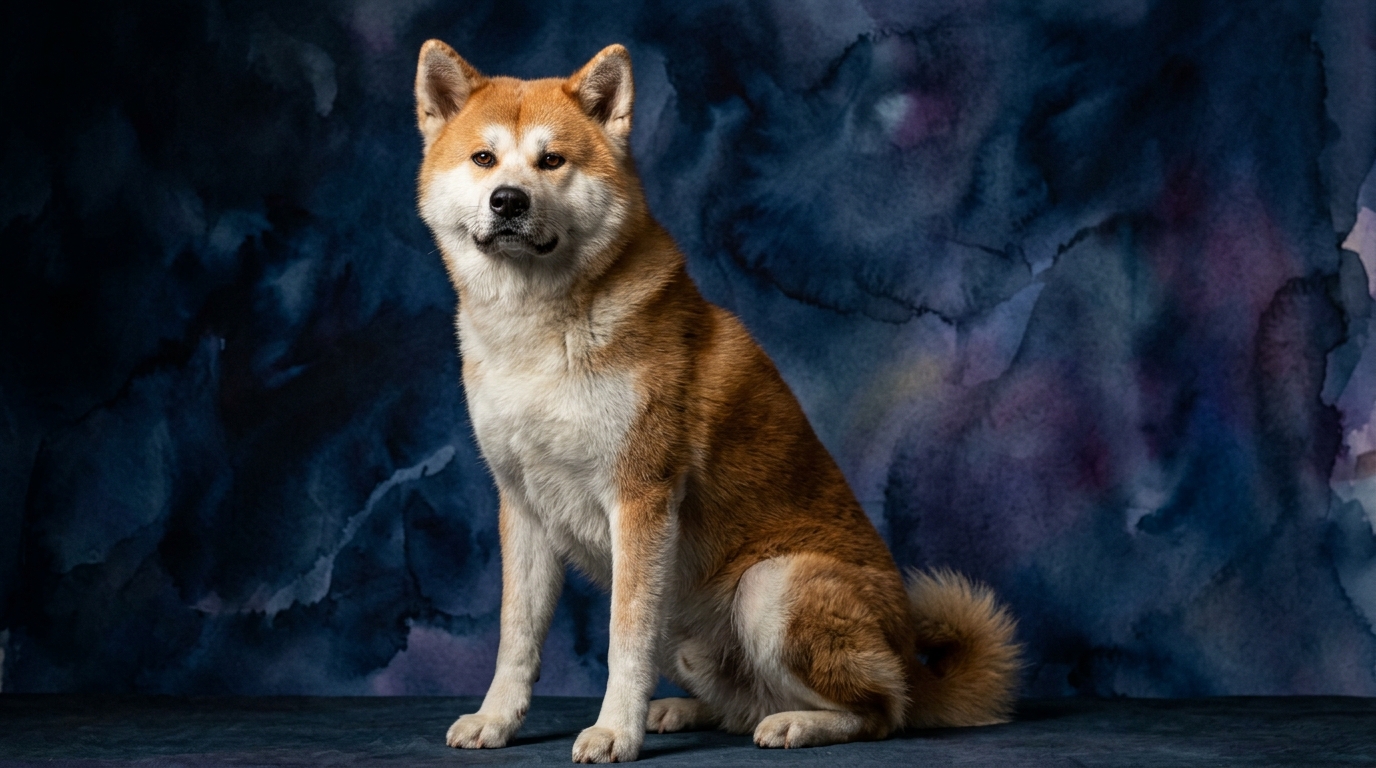
The Akita, a robust working breed, operates with a distinct cognitive profile shaped by its guardian heritage. Its problem-solving ability, rated at 3/5, is often applied to strategic assessment of situations, rather than eager task completion, reflecting an independent decision-making process. Training speed, at 2/5, indicates that while Akitas can learn, they require consistent, patient methods to overcome their strong will and preference for self-direction. Social intelligence, also 3/5, manifests as deep loyalty and understanding within its core family, but often with a reserved or wary demeanor towards outsiders. Where the Akita truly stands out is its instinctive drive, a powerful 5/5, encompassing strong territoriality, protection, and prey drive that profoundly influences its behavior. Complementing this is an impressive memory, rated 4/5, allowing them to retain complex experiences and training cues, both positive and negative, for extended periods.
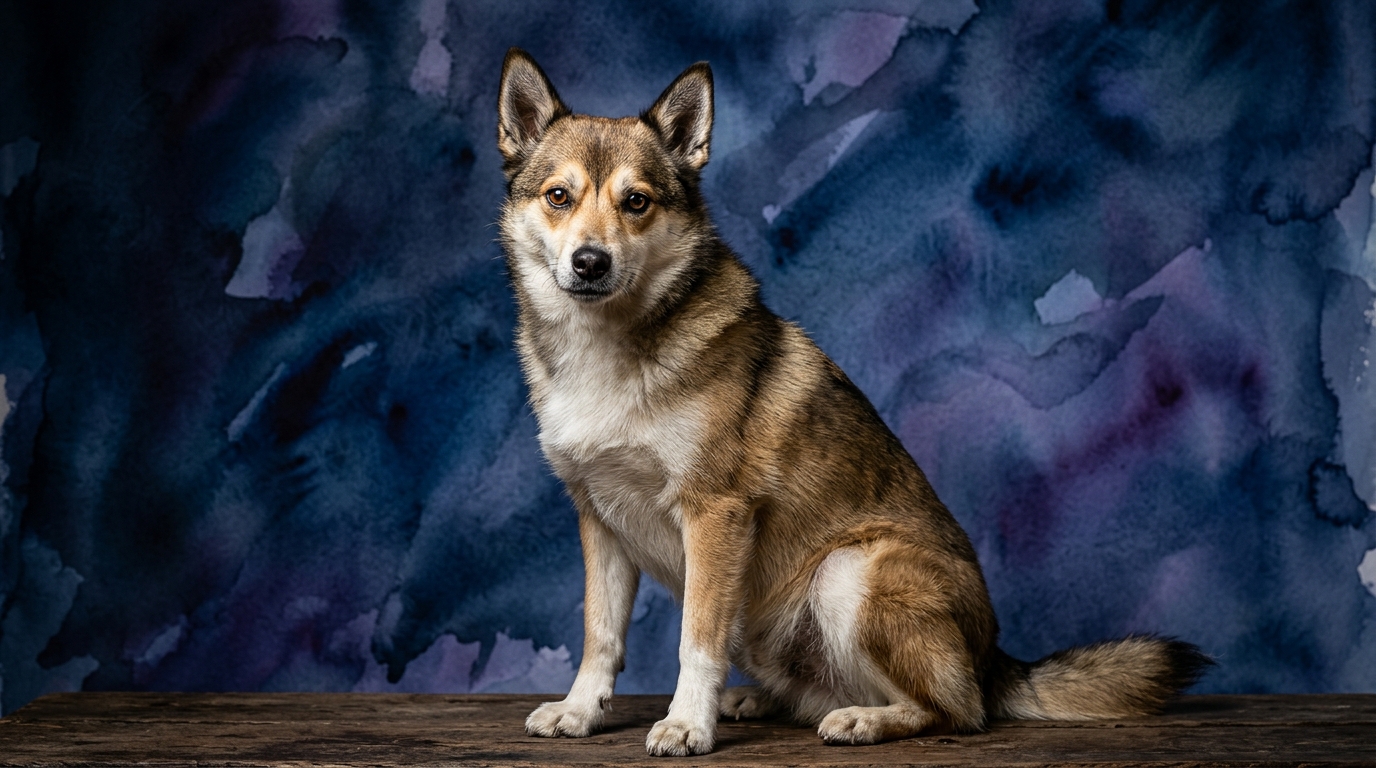
The Norwegian Lundehund, a unique non-sporting breed, possesses an intelligence geared towards its specialized history as a puffin hunter on steep cliffs. Its problem-solving ability, rated 3/5, is particularly adept at navigating complex physical environments, indicating a practical, spatial intelligence rather than abstract reasoning. Training speed, at 3/5, suggests a moderate willingness to learn and adapt, often motivated by curiosity and reward-based methods, making them generally more responsive than more headstrong breeds. Social intelligence, also 3/5, typically presents as a friendly and adaptable nature, capable of reading human emotions and cues, though they can exhibit initial wariness in new situations. The Lundehund's instinctive drive, a balanced 3/5, includes a moderate prey drive and a strong inherent desire to explore, climb, and investigate, reflecting their historical working role. Their memory, rated 3/5, supports their ability to recall routes and routines effectively, crucial for navigating challenging terrains, though perhaps less focused on intricate social nuances over time compared to some breeds.
Where the Akita Wins Cognitively
The Akita demonstrates a cognitive edge in areas demanding profound independence and unwavering commitment to its perceived role. Its instinctive drive, a commanding 5/5 compared to the Lundehund's 3/5, translates into an unparalleled capacity for guardianship and territorial awareness. This isn't merely aggression, but a sophisticated understanding of boundaries and threats, driving them to assess and act with purpose. Furthermore, the Akita's superior memory, a 4/5 against the Lundehund's 3/5, underpins its ability to recall intricate social dynamics, past training experiences, and perceived slights with remarkable clarity. This strong memory, combined with their problem-solving ability, allows Akitas to form complex, long-term strategies for self-preservation and protection of their family unit, often making independent judgments that defy simple commands. While both breeds show problem-solving at 3/5, the Akita applies this skill to a more strategic, often defensive, decision-making process, such as identifying a subtle change in their environment that signals potential intrusion, rather than merely navigating physical obstacles.
Where the Norwegian Lundehund Wins Cognitively
The Norwegian Lundehund shines with a cognitive profile emphasizing adaptability, responsiveness, and a unique approach to environmental interaction. Their training speed, at 3/5 compared to the Akita's 2/5, means they are generally more receptive to learning new commands and routines, often showing a greater eagerness to engage in cooperative tasks. This isn't to say they lack independent thought, but rather that their curiosity and desire to please often outweigh stubbornness. The Lundehund's problem-solving ability, while rated 3/5 like the Akita, is specifically geared towards navigating complex physical spaces, a direct reflection of their history scaling cliffs for puffin nests. This spatial intelligence, combined with their unique physical flexibility, allows for creative solutions to physical barriers, like squeezing into tight spaces or scaling obstacles with agility that an Akita might not attempt. Their social intelligence, also 3/5, often presents as a more generally affable and curious disposition towards new people and experiences, once initial caution is overcome, making them potentially more adaptable to diverse social settings than the more reserved Akita. This overall cognitive flexibility, coupled with a moderate instinctive drive, allows them to integrate new information and experiences with less inherent resistance.
Which is Easier to Train and Why
When evaluating trainability, the Norwegian Lundehund generally presents a less challenging experience than the Akita. The Lundehund's training speed of 3/5 reflects a moderate eagerness to engage and learn, often responding well to positive reinforcement and varied training methods. Their historical role required them to work independently but also to retrieve, suggesting an inherent balance between self-reliance and cooperation. Owners often find Lundehunds curious and playful, making training sessions enjoyable and productive, though their independent streak means consistency is still key. In contrast, the Akita's training speed of 2/5 points to a more significant challenge. Their strong will, deep independence, and formidable instinctive drive (5/5) mean they are not inherently eager to please and often question commands. Training an Akita demands an owner with unwavering patience, firm consistency, and a deep understanding of canine psychology, as inconsistent commands are quickly remembered (4/5 memory) and exploited. Akitas require respect and clear leadership, not just obedience, making their training a more intensive, long-term commitment focused on building a strong, trusting partnership.
Which Suits Active Owners vs. Relaxed Owners
Neither the Akita nor the Norwegian Lundehund are breeds suited for truly 'relaxed' or passive owners, as both require significant engagement, albeit in different forms. The Akita is best suited for active owners who understand the demands of a powerful, independent working breed. These owners must be prepared to provide extensive mental stimulation to channel the Akita's 5/5 instinctive drive and 4/5 memory into purposeful activities, whether it's advanced obedience, protection work, or simply rigorous, structured exercise with clear boundaries. Their activity needs are less about endless running and more about consistent, purposeful engagement and strong leadership. The Norwegian Lundehund, while perhaps appearing less imposing, also thrives with active owners, though their activity needs lean more towards exploration and mental engagement through novelty. Owners who enjoy hiking, climbing, or engaging in puzzle games that tap into the Lundehund's 3/5 problem-solving and curiosity will find them fulfilling companions. They need outlets for their unique physical capabilities and moderate instinctive drives, enjoying varied environments and opportunities to investigate, rather than purely intense physical exertion. For owners seeking a truly 'relaxed' companion requiring minimal interaction, neither of these breeds would be an appropriate match.
The Verdict
Choose an Akita if you are an experienced dog owner seeking a profoundly loyal, protective, and independent companion, prepared to dedicate significant time to consistent training and leadership.
Opt for a Norwegian Lundehund if you appreciate a unique, curious, and adaptable dog, enjoy engaging in exploratory activities, and can provide positive, consistent training to channel their inquisitive nature.
🧠 Find Your Pet's IQ Score
Our Pet IQ Lab assessment covers 25+ tests across 5 cognitive dimensions — personalized to your breed.
Take the Full IQ Test →Frequently Asked Questions
Do Akitas and Norwegian Lundehunds get along with other pets?
Akitas, with their strong instinctive drive and territorial nature, often require careful, early socialization to coexist peacefully with other pets, especially other dogs. Norwegian Lundehunds are generally more adaptable and can get along with other pets if properly introduced, though their moderate prey drive means small, fast-moving animals should be supervised.
How do their problem-solving abilities differ in everyday life?
An Akita's problem-solving (3/5) often manifests in strategic ways, like figuring out how to bypass a gate to guard a perceived boundary or assessing a stranger's intentions. A Lundehund's problem-solving (3/5) is typically more physical and exploratory, such as finding a novel way to reach a high shelf or navigating a complex obstacle course in a backyard.
Are Akitas or Norwegian Lundehunds better for first-time dog owners?
Due to their strong independence, high instinctive drive (5/5), and challenging training speed (2/5), Akitas are generally not recommended for first-time dog owners. Norwegian Lundehunds, with their moderate training speed (3/5) and more adaptable nature, can be suitable for dedicated first-time owners who are committed to consistent positive training and understand their unique exploratory needs.