Side-by-Side Cognitive Profiles
At The Cosmic Pet Pet IQ Lab, we analyze canine cognition across five key dimensions to provide a comprehensive understanding of each breed's mental landscape.
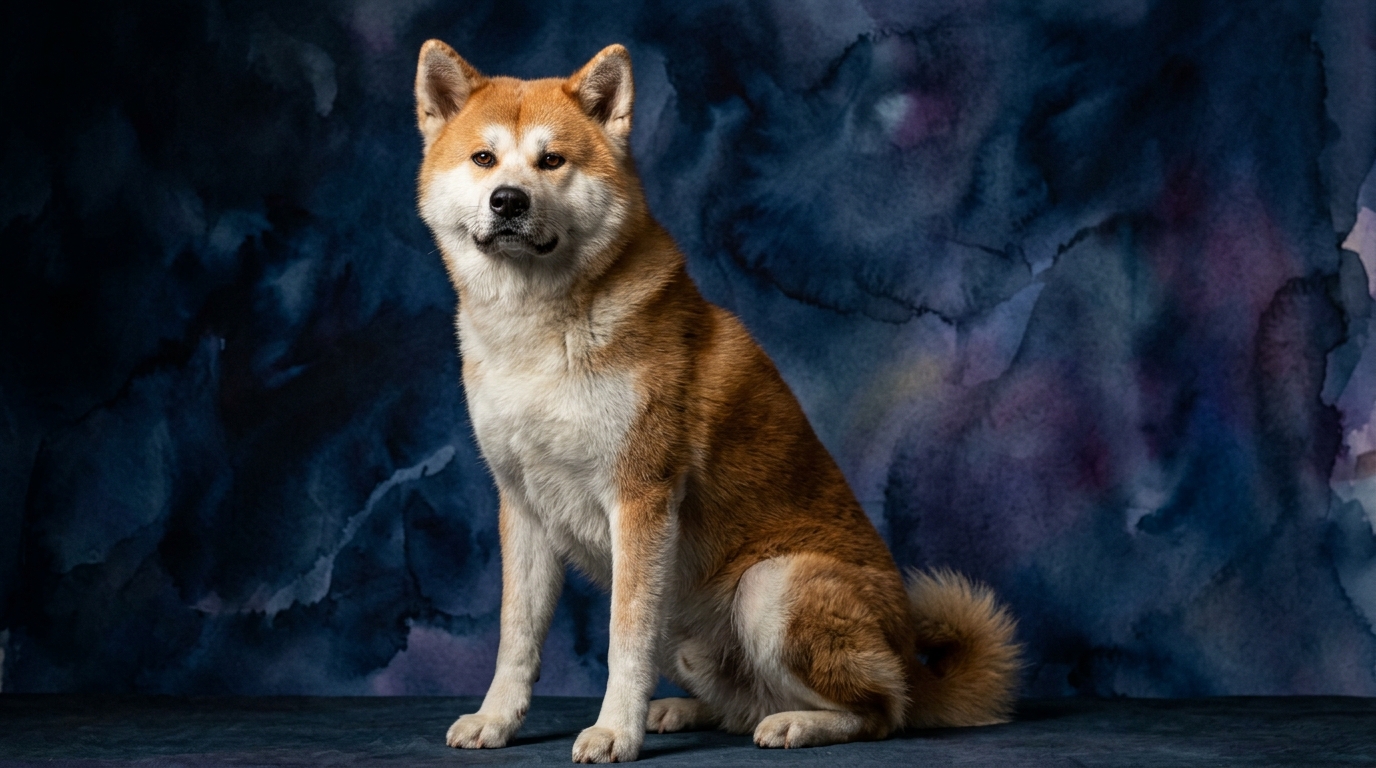
The Akita (Working Group, Coren Rank #54) demonstrates a cognitive makeup geared towards independent thought and protection: Problem Solving (3/5) indicates a moderate capacity for devising solutions, often through methodical observation. Training Speed (2/5) suggests a deliberate learning pace, requiring patience and clear purpose for compliance. Social Intelligence (3/5) reflects a discerning nature, reserved with strangers but deeply attuned to family dynamics. Instinctive Drive (5/5) is exceptionally strong, focused on guarding and threat assessment. Memory (4/5) is robust, contributing to their discerning loyalty and ability to recall past experiences.
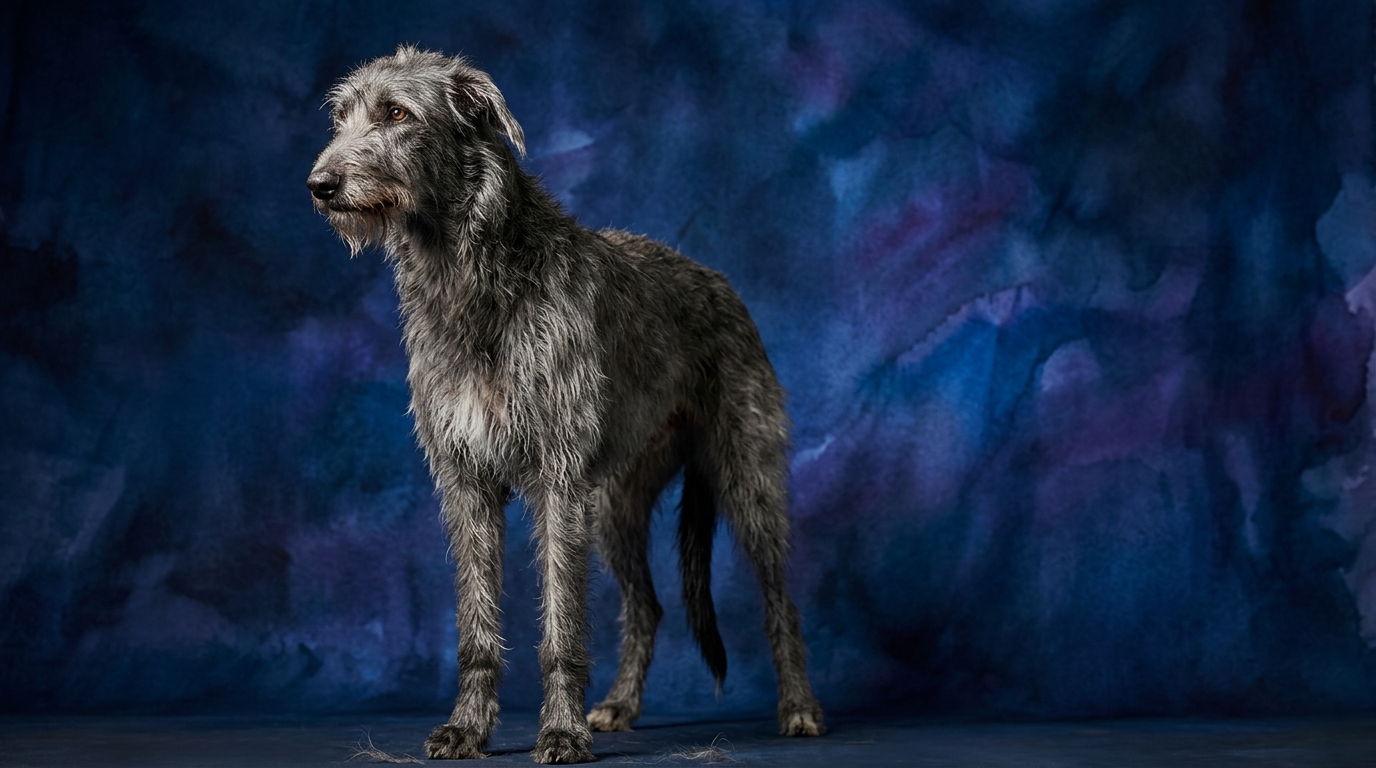
The Scottish Deerhound (Hound Group, Not Coren-ranked) presents a different cognitive signature, reflecting their sighthound heritage and gentle disposition: Problem Solving (3/5) shows a moderate ability to navigate novel situations with adaptable curiosity. Training Speed (3/5) indicates a more receptive learning pace, responding well to positive methods. Social Intelligence (3/5) points to a balanced and generally amiable social understanding. Instinctive Drive (3/5) is moderate, primarily channeled into pursuit and chasing. Memory (3/5) is solid and average, allowing them to recall routines and familiar interactions reliably.
Where the Akita Wins Cognitively
The Akita's cognitive profile reveals a distinct advantage in areas rooted in their guardian heritage. Their unparalleled instinctive drive (5/5 compared to the Deerhound's 3/5) translates into a profound capacity for vigilance, threat assessment, and independent protective decision-making. An Akita will diligently process environmental stimuli to identify potential dangers, often acting without direct command. Furthermore, their superior memory (4/5 vs. 3/5) significantly bolsters this protective acumen; an Akita will remember specific individuals, past events, and perceived slights or positive interactions with remarkable clarity, informing future behavior and loyalty. This long-term retention allows for a sophisticated understanding of their territory and family dynamics, making them formidable guardians who learn deeply from experience. While problem-solving is rated similarly at 3/5, the Akita's manifestation often involves more deliberate, strategic approaches when faced with complex environmental challenges or perceived intrusions, leveraging their memory and strong drives to navigate situations with purpose and resolve.
Where the Scottish Deerhound Wins Cognitively
The Scottish Deerhound, while not possessing the intense protective drives of the Akita, demonstrates cognitive strengths rooted in their sighthound lineage and gentle temperament. Their training speed, rated 3/5 compared to the Akita's 2/5, suggests a more amenable disposition to learning and responding to cues. Deerhounds often show a greater willingness to engage in structured training sessions without the same level of independent stubbornness that can characterize the Akita. This quicker uptake in training, combined with their balanced social intelligence (3/5), allows them to integrate more readily into diverse social settings and adapt to various household routines with fewer behavioral challenges stemming from deep-seated guarding instincts. While their instinctive drive is lower (3/5), it is channeled primarily into pursuit, making them acutely aware of moving objects and capable of rapid, coordinated action in an open field. This specific cognitive strength for their historical role speaks to a different kind of operational focus, favoring quick, reactive responses over the Akita's strategic vigilance. Their moderate memory and problem-solving contribute to an overall adaptable and less intensely driven cognitive profile, favoring versatility and amiability over specialized protective depth.
Training Dynamics: Akita vs. Scottish Deerhound
The Scottish Deerhound generally presents as the easier breed to train due to its higher training speed rating (3/5) compared to the Akita’s 2/5. Deerhounds typically respond more readily to positive reinforcement and clear, consistent commands, often exhibiting a cooperative nature that is less pronounced in the Akita. Their inherent independence, while present as a sighthound trait, is usually tempered by a gentle and biddable disposition, making them less inclined to challenge authority or assert their own will during training sessions. They are often eager to please and enjoy the interaction involved in learning.
In contrast, the Akita’s strong instinctive drive (5/5) and lower training speed mean they often require a trainer who understands their need for purpose and respects their independent, discerning mind. An Akita is less likely to perform a command simply because it was given; they need to understand the 'why' or perceive a clear benefit. Their formidable memory (4/5) for past negative experiences or inconsistent handling can make overcoming training plateaus more challenging, demanding unwavering consistency and fairness. Their powerful guarding instincts also mean that early, extensive socialization and consistent boundary setting are critical to channel their drives appropriately, a task that demands more nuanced and dedicated handling than typically required for a Deerhound.
Suitability for Active vs. Relaxed Owners
For active owners who relish a partnership in outdoor pursuits and can provide ample space for running, the Scottish Deerhound is an excellent match. Their moderate instinctive drive focuses on chasing and they truly enjoy bursts of speed, making them ideal companions for long walks, hiking, or even lure coursing. While they appreciate activity, they are also known for their calm demeanor indoors, transitioning well to relaxed periods after their exercise needs are met. Owners who lead a truly relaxed, low-activity lifestyle, however, might find the Deerhound's need for regular, vigorous exercise a significant challenge to manage.
The Akita, conversely, suits owners who are active in a different sense: those who are mentally engaged and consistent in providing structure, training, and socialization, even if their physical activity isn't constant high-intensity running. While they enjoy purposeful walks and outdoor time, their strong instinctive drive and guardian nature mean their 'activity' often involves mental vigilance and a deep bond with their family, rather than endless physical exertion. They are not a breed for a truly 'relaxed' owner who prefers a hands-off approach; an Akita thrives with an owner who actively manages their environment, training, and social interactions with clear leadership, respect, and dedication. Their deep memory and discerning nature mean they need an owner who actively builds trust and respect through consistent, thoughtful engagement.
The Verdict
Choose an Akita if you are an experienced dog owner seeking a deeply loyal, discerning, and protective companion who thrives on clear leadership, consistent training, and a profound bond, understanding their need for purposeful engagement rather than constant physical exertion.
Opt for a Scottish Deerhound if you desire a gentle, adaptable, and affectionate companion who enjoys regular bursts of physical activity balanced with a calm indoor presence, and who generally responds well to positive, consistent training without the intense independent drives of a guardian breed.
🧠 Find Your Pet's IQ Score
Our Pet IQ Lab assessment covers 25+ tests across 5 cognitive dimensions — personalized to your breed.
Take the Full IQ Test →Frequently Asked Questions
How do their problem-solving abilities compare in everyday situations?
Both breeds are rated 3/5 for problem-solving. An Akita might independently devise a way to access a desired object or manage a perceived threat, relying on observation and memory. A Scottish Deerhound might figure out how to navigate a new environment or outwit a puzzle toy with a combination of curiosity and independence, often with less intensity than the Akita's focused determination.
What does 'instinctive drive' mean for these breeds in practical terms?
For the Akita, a 5/5 instinctive drive means a powerful intrinsic motivation for guarding, protection, and discerning intentions, leading to alert vigilance and territorial behaviors. For the Scottish Deerhound, a 3/5 drive primarily relates to their sighthound heritage for chasing and pursuit, manifesting as a strong urge to run and follow moving objects, but with less pronounced guarding or protective instincts.
How does their social intelligence impact their interactions with strangers?
The Akita's 3/5 social intelligence often translates to a reserved, discerning approach with strangers, being polite but not overly effusive, and carefully assessing new individuals. The Scottish Deerhound, also 3/5, is typically more amiable and gentle with new people, generally accepting new social interactions without the same level of scrutiny or protective reserve as the Akita.