Side-by-Side Cognitive Profiles: Akita vs. Tibetan Mastiff
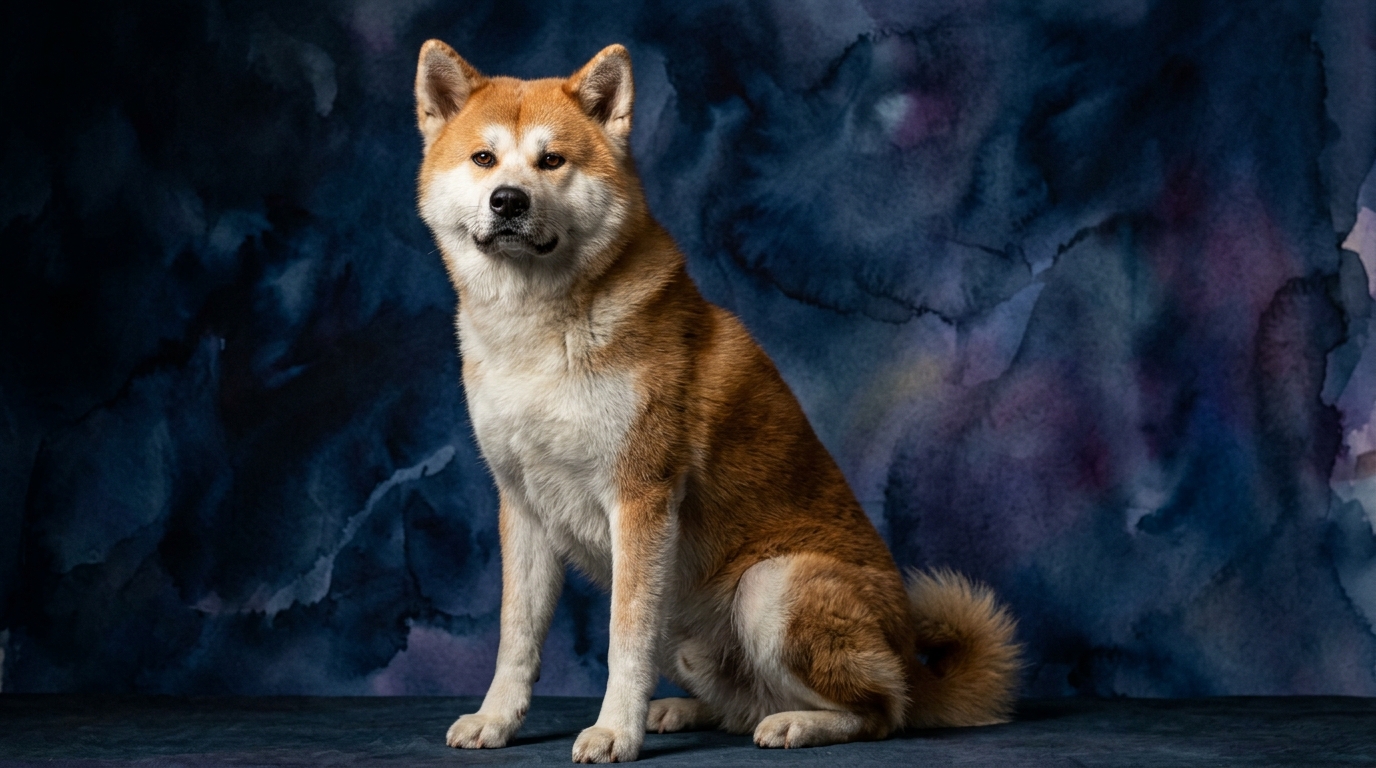
The Akita, ranked #54 by Coren for obedience and working intelligence, presents a complex cognitive tapestry. Their Problem Solving ability rates 3/5; they can navigate complex situations and often find their own solutions, sometimes appearing stubborn when a human-prescribed path doesn't align with their independent assessment. Training Speed is 2/5, indicating they require patience and consistent, positive reinforcement, learning at their own pace with repetitions often necessary to solidify commands. Social Intelligence stands at 3/5; they are observant of social cues within their immediate family, forming deep bonds with a select few, but are generally reserved with strangers and other animals. Their Instinctive Drive is a formidable 5/5, possessing a powerful prey drive and strong guarding instincts that manifest in alert vigilance. Memory is a robust 4/5, showing excellent recall for past events, people, and training, contributing to consistent behavior patterns.
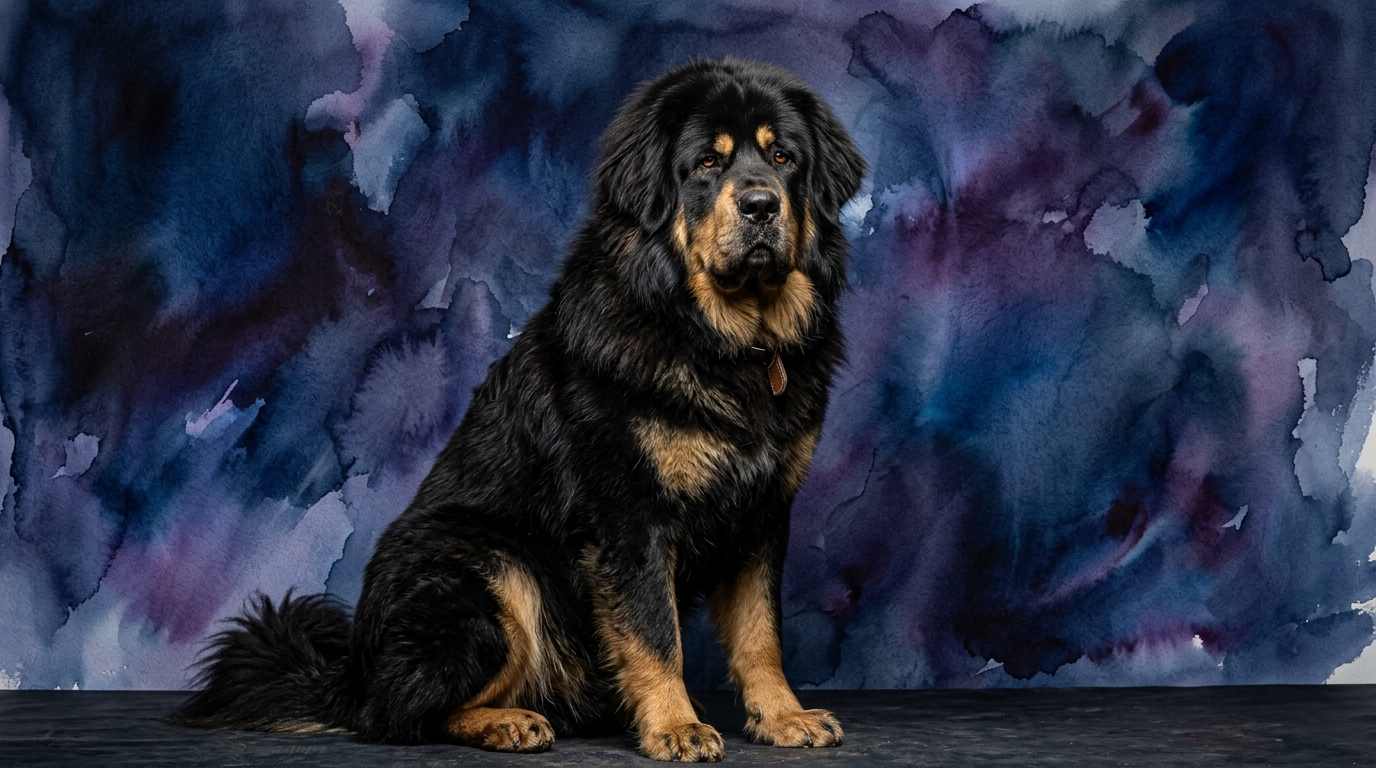
The Tibetan Mastiff, though not Coren-ranked, possesses a distinct cognitive makeup shaped by its guardian heritage. Their Problem Solving ability is 3/5, capable of assessing situations and devising solutions, particularly concerning their guardian duties. They often demonstrate a thoughtful, deliberate approach to environmental challenges or perceived threats. Training Speed rates 3/5; they learn at a moderate pace, responding well to consistent, fair methods, and once a concept is grasped, it tends to stick, though their independent nature still requires a nuanced trainer. Social Intelligence is 3/5; they exhibit a nuanced understanding of their human family’s dynamics and emotions, forming strong, protective bonds, but are watchful and discerning, often aloof with outsiders. Their Instinctive Drive is 3/5, primarily focused on guardian instincts and territorial protection, with a generally lower prey drive compared to many working breeds. Memory is 3/5, possessing good recall for routines, people, and places, contributing to their reliability in established roles.
Where the Akita Wins Cognitively
The Akita demonstrates a clear cognitive advantage in two key areas. Firstly, their superior Memory, rated 4/5 compared to the Tibetan Mastiff’s 3/5, allows them to retain complex learned sequences and develop a deeper understanding of cause and effect over extended periods. This means they can hold onto training cues and environmental associations with greater tenacity, even if the initial learning phase requires more repetition. Their capacity to remember past interactions and routines contributes significantly to their consistent and predictable behavior within their established family unit.
Secondly, the Akita's exceptionally high Instinctive Drive, a perfect 5/5 versus the Tibetan Mastiff's 3/5, means they are profoundly motivated by their innate purpose. This intense internal motivation, whether directed towards guarding, hunting, or responding to specific stimuli, makes them incredibly focused and persistent when their core drives are engaged. While challenging to manage without proper guidance, this powerful drive translates into an unwavering commitment to tasks aligned with their nature, making them exceptionally dedicated in roles that resonate with their intrinsic motivations.
Where the Tibetan Mastiff Wins Cognitively
The Tibetan Mastiff exhibits distinct cognitive strengths that differentiate it from the Akita. Their slightly faster Training Speed, rated 3/5 compared to the Akita’s 2/5, suggests they might grasp new concepts and commands with marginally fewer repetitions. While still possessing an independent streak, they tend to be a bit more receptive to initial instruction, provided the motivation is compelling and the training methods are respectful of their dignified nature. This can translate to a smoother initial learning curve for foundational commands.
Furthermore, the Tibetan Mastiff's lower Instinctive Drive, at 3/5 versus the Akita's 5/5, can be a practical cognitive advantage in a domestic setting. While their protective instincts are strong, they are less likely to manifest as an overwhelming prey drive that can lead to chasing small animals or reacting intensely to environmental triggers that don't directly pertain to their guardian role. This lower intrinsic drive allows for a more measured and less reactive response in various everyday situations, potentially leading to fewer management challenges regarding impulse control in non-guardian contexts.
Which Is Easier to Train and Why?
Between the two, the Tibetan Mastiff is marginally easier to train, primarily due to its slightly higher Training Speed rating (3/5 vs. Akita’s 2/5). While both breeds are independent and require experienced handling, the Akita's lower training speed signifies a need for significantly more repetitions and a highly consistent, persistent approach to internalize commands. Akitas frequently evaluate if a command is worth obeying based on their own assessment, often choosing independence over automatic compliance. Their strong independent streak means they are less inclined to offer immediate obedience and can be quite selective about when they perform.
The Tibetan Mastiff, while also independent and requiring a thoughtful trainer, tends to respond slightly better to initial instruction and can be a bit more willing to engage in the learning process if their human establishes clear, respectful leadership. Their lower instinctive drive also means fewer intense distractions during training compared to the Akita’s powerful prey drive, which can often divert focus. Both demand patience and understanding of their working breed mentality, but the Mastiff may offer slightly more immediate gratification in early training stages.
Cognitive Fit: Active Owners vs. Relaxed Owners
The Akita thrives with owners who are active in a structured, purposeful way. While they don't necessarily need constant, high-intensity physical exertion like some herding breeds, an Akita benefits immensely from owners who can provide consistent mental stimulation and engage their high instinctive drive. Activities such as scent work, advanced obedience challenges, or secure, supervised walks that allow them to 'patrol' or observe their surroundings provide crucial cognitive satisfaction. Their sharp memory and problem-solving abilities are best nurtured through engaging tasks that give them a sense of purpose and allow them to utilize their independent thought processes.
The Tibetan Mastiff, conversely, suits owners who are more 'relaxed' in terms of daily activity but are highly committed to providing a stable, secure, and spacious environment. Their guardian instincts mean they are often content observing their domain from a vantage point, requiring less direct, structured activity than an Akita. While they need regular, moderate exercise to maintain physical health, their cognitive satisfaction primarily stems from feeling secure in their role as protector and having ample space to patrol their territory. Owners who appreciate a dignified, watchful companion over a highly interactive one will find a more harmonious match with a Tibetan Mastiff.
The Verdict
Choose an Akita if you seek a deeply loyal, discerning companion who will bond intensely with a select few, and you are prepared for a consistent, patient training journey to channel their powerful instincts and sharp memory.
Choose a Tibetan Mastiff if you value a majestic, watchful guardian requiring a spacious, secure home and a calm, confident owner, and you appreciate a slightly more receptive, albeit still independent, training partner.
🧠 Find Your Pet's IQ Score
Our Pet IQ Lab assessment covers 25+ tests across 5 cognitive dimensions — personalized to your breed.
Take the Full IQ Test →Frequently Asked Questions
Do Akitas and Tibetan Mastiffs get along with other pets?
Akitas, with their high instinctive drive, often have a strong prey drive and can be challenging with other pets, especially smaller ones, requiring careful, early socialization and supervision. Tibetan Mastiffs are generally more tolerant, particularly if raised with other animals, though their guardian instincts mean they might be wary of unfamiliar animals.
Which breed is better for a first-time dog owner?
Neither Akita nor Tibetan Mastiff is typically recommended for first-time dog owners due to their independent nature, strong guarding instincts, and need for consistent, experienced handling. Both require owners who understand working breeds and are prepared for a significant commitment to training and socialization.
How do their social intelligence ratings affect interactions with strangers?
Both breeds have a social intelligence rating of 3/5, indicating they are discerning rather than overtly friendly with strangers. Akitas tend to be reserved and aloof, while Tibetan Mastiffs are watchful and protective, often taking time to assess new individuals before accepting their presence.