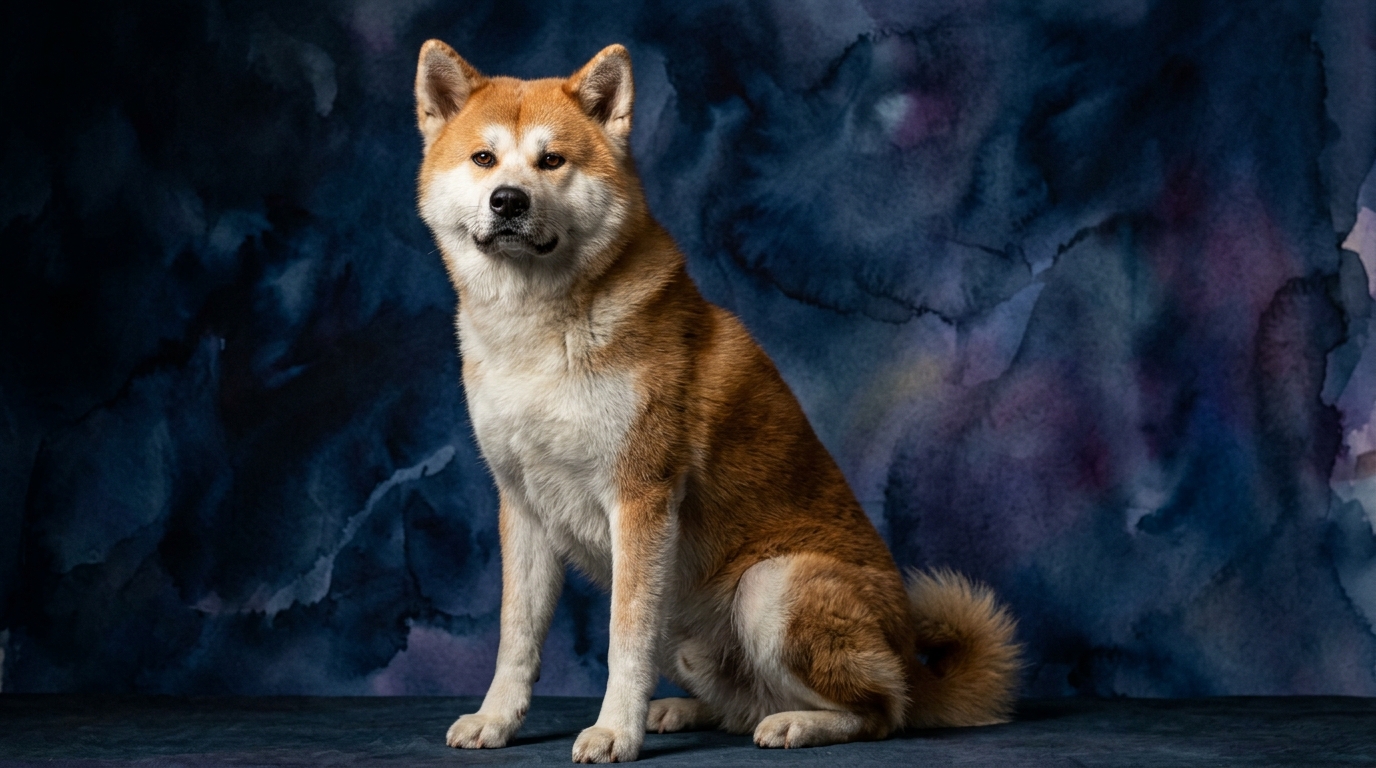
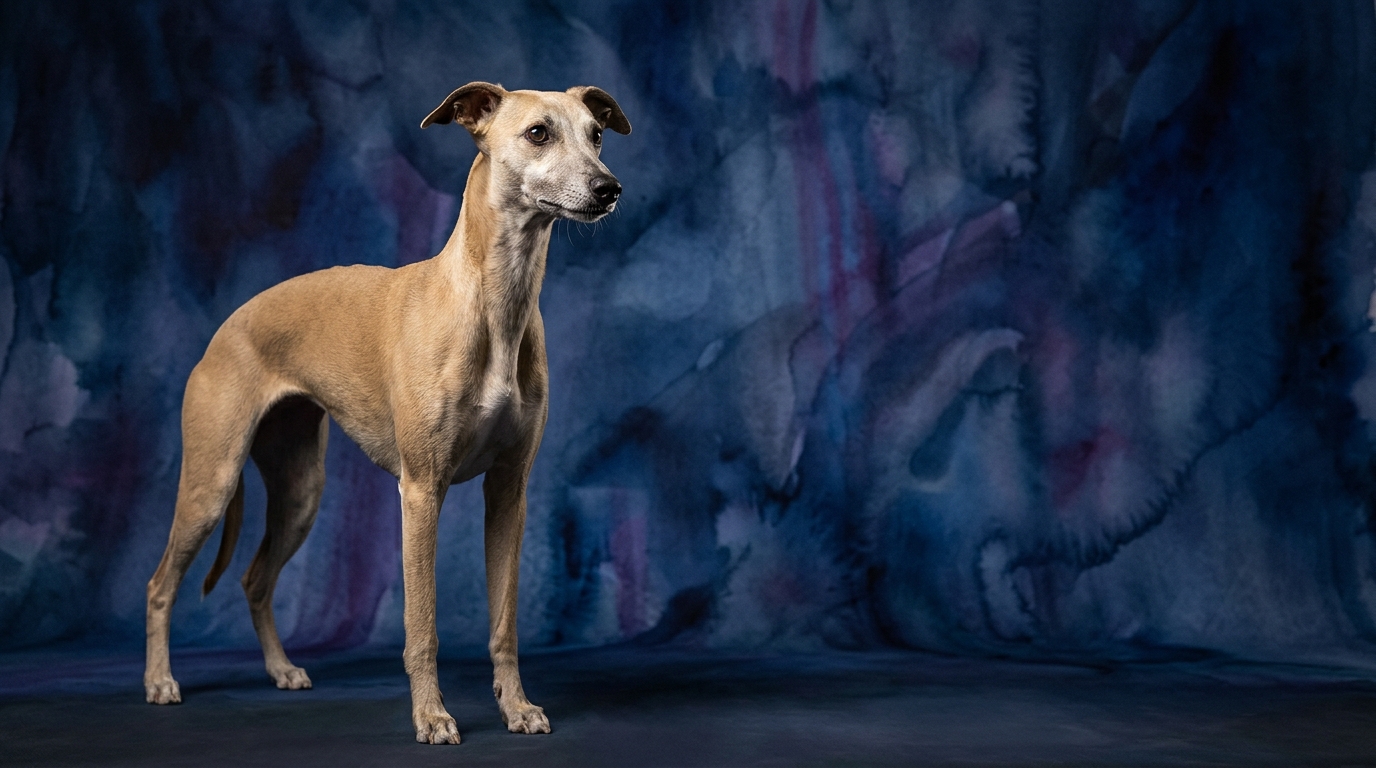
Side-by-Side IQ Profile: Akita vs. Whippet
To truly understand the cognitive makeup of the Akita and Whippet, we delve into five key dimensions of intelligence, revealing their inherent strengths and learning styles.
Problem Solving (Akita 3/5, Whippet 3/5): Both breeds exhibit a moderate capacity for navigating novel challenges, often approaching them with independence. The Akita might prefer to strategize alone, sometimes appearing to ponder solutions before acting. The Whippet, while equally capable, might quickly test solutions through trial and error, driven by their characteristic speed. Neither typically devises elaborate, multi-step plans, but both can adapt to new situations and figure out how to achieve a desired outcome.
Training Speed (Akita 2/5, Whippet 2/5): A lower score here for both suggests that grasping new commands or routines requires significant patience and consistent effort. Akitas can appear stubborn or unmotivated due to their independent thinking, requiring trainers to understand and appeal to their specific motivations. Whippets, while often eager to please their chosen people, may have shorter attention spans for repetitive drills and can find lengthy sessions unstimulating, preferring quick, rewarding interactions.
Social Intelligence (Akita 3/5, Whippet 4/5): This dimension measures a dog's ability to understand and respond to human cues and social structures. The Akita, scoring 3/5, is discerning and reserved, forming deep, loyal bonds with their immediate family but often remaining aloof or indifferent with strangers. Their social interactions are deliberate and require trust to be built over time. The Whippet, with a 4/5 score, generally exhibits a more open and responsive social demeanor. They are often more attuned to their owner's moods and more readily engage in social play, though they can still be sensitive and prefer gentle interactions.
Instinctive Drive (Akita 5/5, Whippet 5/5): Both breeds possess a profound, inherent motivation rooted deeply in their historical purposes. The Akita's 5/5 drive reflects its heritage as a powerful hunting and guarding dog, manifesting in strong territorial instincts, a keen prey drive, and a protective nature towards its family. This drive requires appropriate outlets to prevent undesirable behaviors. The Whippet's 5/5 drive is almost entirely centered around its sighthound heritage; their instinct to chase moving objects at incredible speeds is paramount, often overriding other considerations in an open environment.
Memory (Akita 4/5, Whippet 3/5): Memory relates to a dog's ability to recall learned behaviors, experiences, and associations. The Akita's 4/5 score suggests a robust memory for commands, routines, and past interactions, both positive and negative. Once something is learned, it tends to stick with remarkable fidelity. The Whippet, with a 3/5 score, has a capable memory but might not retain complex sequences or less frequently practiced commands with the same tenacity as the Akita, often benefiting from ongoing reinforcement.
Where the Akita Wins Cognitively
The Akita distinguishes itself with a superior memory score of 4/5 compared to the Whippet's 3/5. This means that once an Akita has learned a command, a routine, or even a specific consequence from an experience, they tend to retain that information with impressive fidelity. This cognitive strength can be a significant advantage in long-term training, as established behaviors are less likely to be forgotten. For an owner, this translates to a dog that, once a behavior is solidified through consistent effort, is less likely to 'forget' it, making the retention of complex tasks a potential strength. This deep recall also contributes to their independent problem-solving approach, as they can draw upon past experiences to navigate new situations with a degree of self-reliance.
Where the Whippet Wins Cognitively
The Whippet shines in social intelligence, scoring 4/5 compared to the Akita's 3/5. This higher score indicates a greater natural aptitude for understanding and responding to human social cues, emotions, and subtle body language. Whippets are generally more attuned to their owner's feelings and desires, often seeking out companionship and comfort. This manifests as a greater willingness to engage socially, a more open disposition towards familiar people, and a tendency to integrate more seamlessly into the emotional rhythm of a household. While they retain their independent sighthound spirit, their enhanced social awareness can make them more receptive to gentle persuasion and more inclined to seek interaction, fostering a strong, emotionally connected partnership with their primary caregivers.
Which is Easier to Train, and Why?
Assessing which breed is 'easier' to train between the Akita and the Whippet requires a nuanced perspective, as both score 2/5 in training speed and share a powerful 5/5 instinctive drive. Neither breed will typically pick up complex commands in a single session, demanding patience and understanding from their owners. The Akita's training often feels like a negotiation due to their independent thinking and discerning nature. Their strong memory (4/5) means they remember what they learn, but their slower training speed and lower social intelligence (3/5) imply that getting the information in initially takes considerable effort and a deep understanding of their motivations. They respond best to fair, consistent methods that respect their intelligence and independent spirit, often requiring a clear 'what's in it for me' proposition. Their protective instincts and strong territoriality also necessitate early and careful socialization and training to channel appropriately.
The Whippet, despite also scoring 2/5 in training speed, presents different challenges. Their extremely high instinctive drive (5/5), particularly their prey drive, means that distractions like a squirrel or a blowing leaf can instantly override learned commands, especially outdoors. Their good social intelligence (4/5) means they are generally willing to engage with their owner and are sensitive to their moods, which can be an asset in building rapport. However, their potentially shorter attention spans for repetitive tasks and their desire for quick gratification mean training sessions need to be short, fun, and highly rewarding. While they might not remember every single detail with the Akita's tenacity (memory 3/5), their eagerness to please their trusted people can make them more amenable to gentle guidance and positive reinforcement. In essence, the Akita requires a trainer who respects their independence and works with their strong will, while the Whippet benefits from a trainer who understands their sighthound instincts and keeps training engaging and positive. Neither is a beginner dog for training, but the approach required for each differs significantly.
Suitability for Active vs. Relaxed Owners
Both the Akita and Whippet possess a formidable 5/5 instinctive drive, but how this drive manifests and what it demands from owners differs considerably, shaping their suitability for active versus relaxed lifestyles. The Akita, rooted in its working heritage, requires an owner who is prepared for consistent engagement with its physical and mental needs. Their activity isn't just about explosive bursts; it's about purpose. They thrive on structured walks, opportunities for scent work, and mental challenges that satisfy their problem-solving inclination and strong protective instincts. While they can be calm indoors, their independence means they need a leader who can provide clear guidance and sufficient outlets for their powerful drives. An active owner for an Akita is one who is active in a disciplined, consistent way, providing routine, training, and a sense of purpose. They are not typically a dog for casual, spontaneous activity; they need a committed partner.
The Whippet, despite its equally high instinctive drive, channels this energy differently. Their drive is primarily focused on the chase, demanding opportunities for high-speed, off-leash running in secure areas. However, once this need is met, often in short, intense bursts, Whippets transform into remarkably relaxed and quiet house companions, earning them the nickname '45 mph couch potatoes.' They are content to curl up on a soft bed for hours, requiring less constant mental 'work' than an Akita. An active owner for a Whippet is someone who enjoys providing these bursts of exercise – perhaps through lure coursing, fetch in a large, fenced yard, or sprinting at a dog park – but who also appreciates a calm, affectionate presence indoors. A relaxed owner, in the sense of someone seeking a serene home life, might find the Whippet's indoor demeanor more appealing, provided they can reliably fulfill the breed's specific, intense exercise requirements. The Akita demands consistent, purposeful activity, while the Whippet demands intense, focused bursts followed by significant rest.
The Verdict
Choose an Akita if you are an experienced, dedicated owner seeking a discerning, loyal, and protective companion who thrives on consistent guidance and mental engagement, appreciating a dog with a robust memory and independent spirit.
Opt for a Whippet if you desire an affectionate, sensitive, and relatively calm indoor companion who benefits from regular, intense bursts of exercise in secure areas, valuing their social responsiveness and graceful athleticism.
🧠 Find Your Pet's IQ Score
Our Pet IQ Lab assessment covers 25+ tests across 5 cognitive dimensions — personalized to your breed.
Take the Full IQ Test →Frequently Asked Questions
Are Akitas good with other pets given their instinctive drive?
Akitas possess a strong prey drive and territorial instincts, scoring 5/5 in instinctive drive, which means careful socialization from a young age is crucial for peaceful coexistence with other pets. They can be particularly discerning with other dogs, often preferring to be the sole canine companion or requiring careful, supervised introductions.
How do Whippets handle being left alone, considering their social intelligence?
Whippets score 4/5 in social intelligence and thrive on companionship, making them susceptible to separation anxiety if left alone for extended periods without proper conditioning. They generally prefer the company of their human family and appreciate a calm, consistent routine, often coping better if they have another Whippet or compatible canine companion.
What kind of mental stimulation do these breeds need to prevent boredom?
Akitas benefit from puzzle toys, scent work, and advanced obedience training that respects their independent problem-solving (3/5) and strong memory (4/5) to prevent boredom. Whippets, while less demanding of constant mental 'work,' enjoy short, engaging training sessions, interactive play, and opportunities to use their keen sight and chase instincts in a safe, stimulating environment.