Side-by-Side Cognitive Profiles
The Cosmic Pet Pet IQ Lab provides a detailed lens through which to examine the cognitive strengths of these two magnificent breeds. While both fall within the Working group, with the Alaskan Malamute ranked #50 and the Akita #54 by Coren, their specific cognitive scores paint a richer picture than a simple obedience ranking can convey.
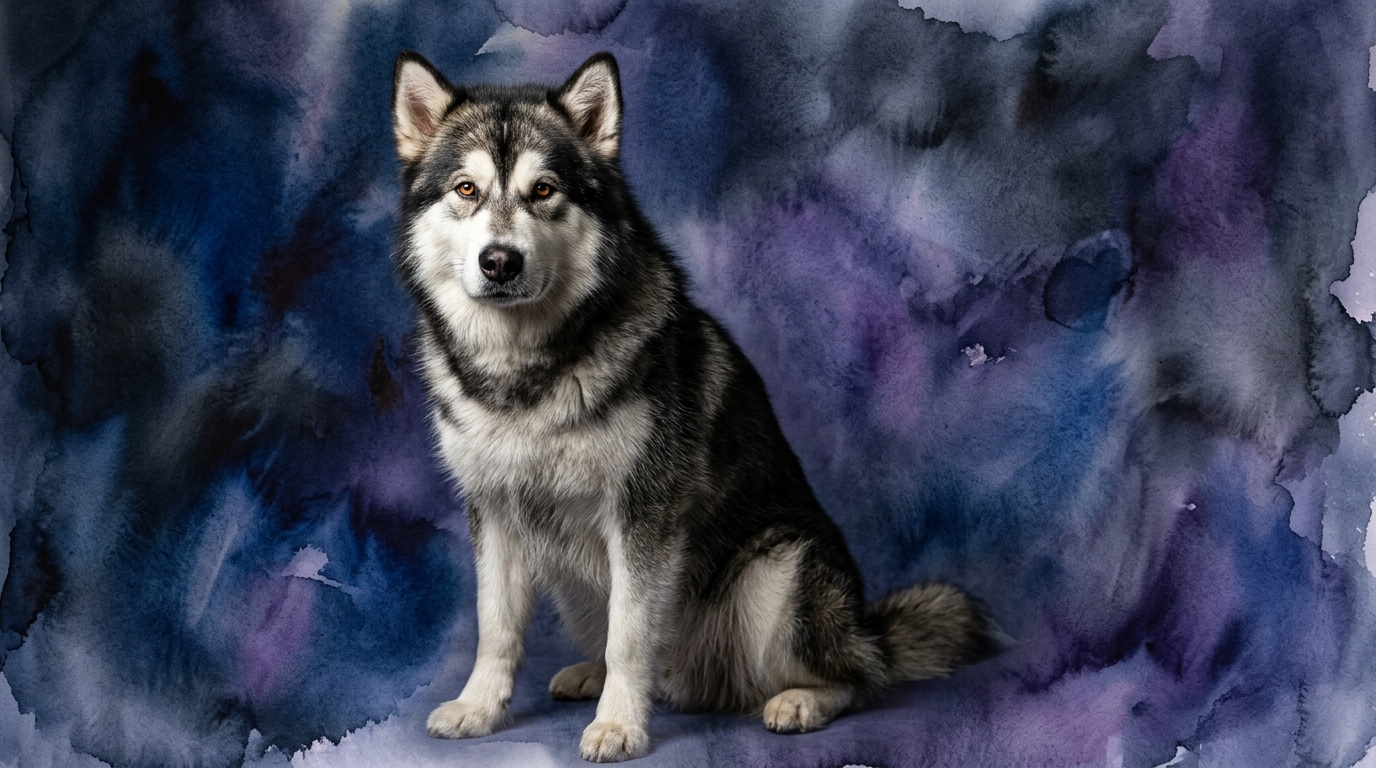
The Alaskan Malamute exhibits robust problem-solving capabilities, scoring 4 out of 5. This reflects their history as resourceful sled dogs, often needing to navigate complex terrains and make independent decisions on the trail. Their training speed is a moderate 2 out of 5, suggesting they require consistent, patient guidance. Social intelligence stands at 3 out of 5, indicating a capacity to understand human cues but often with a selective application. Instinctive drive is a powerful 5 out of 5, reflecting their deep-seated urges for pulling, exploring, and engaging in physically demanding tasks. Finally, their memory is strong, rated at 4 out of 5, allowing them to recall routes, learned behaviors, and past experiences with considerable accuracy.
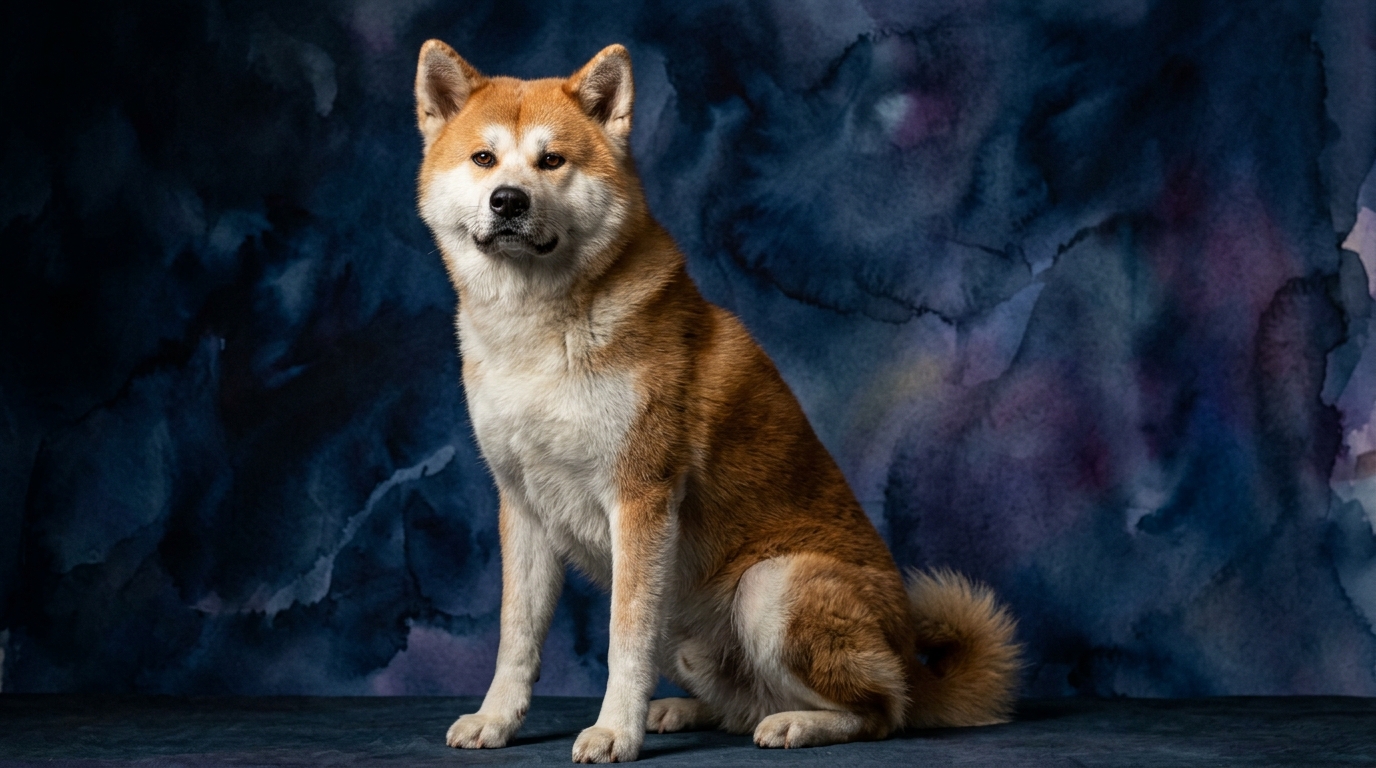
In contrast, the Akita's problem-solving aptitude is rated 3 out of 5, indicating competence but perhaps a slightly less independent approach than the Malamute. Their training speed is also 2 out of 5, mirroring the Malamute's need for patience and positive reinforcement. Social intelligence is similarly rated at 3 out of 5, hinting at a discerning nature and a reserved approach to new interactions. Like the Malamute, their instinctive drive is a commanding 5 out of 5, often manifesting as a strong protective instinct and a keen awareness of their territory. The Akita’s memory is also rated 4 out of 5, contributing to their ability to remember individuals, routines, and significant events.
Where the Alaskan Malamute Excels Cognitively
The Alaskan Malamute's primary cognitive advantage lies in its superior problem-solving score of 4 out of 5, compared to the Akita's 3 out of 5. This distinction is not merely academic; it speaks to the Malamute's inherent capacity for independent thought and resourceful improvisation. Bred to navigate vast, unpredictable Arctic landscapes, often in challenging weather conditions, Malamutes developed a remarkable ability to assess situations, devise strategies, and execute solutions without constant human direction. This might manifest as figuring out how to open a complex gate, finding a new route around an obstacle on a hike, or creatively communicating their needs. Their cognitive strength here isn't about rote obedience, but about intelligent adaptation and self-sufficiency. Owners often observe Malamutes attempting various approaches to achieve a goal, demonstrating a trial-and-error learning style driven by curiosity and a desire to overcome challenges. This makes them particularly engaging companions for owners who appreciate a dog capable of making its own reasoned choices in novel environments, rather than simply waiting for instructions. Their higher problem-solving score suggests a greater mental agility when faced with unfamiliar puzzles or scenarios, a trait deeply ingrained from generations of working in dynamic, demanding environments where quick, self-directed decisions were crucial for survival and success.
Where the Akita Demonstrates Unique Cognitive Strengths
While the Akita's individual cognitive scores don't numerically surpass the Malamute's in any single category, their unique blend of a 5/5 instinctive drive, a 3/5 social intelligence, and a 4/5 memory creates a distinct cognitive profile particularly suited for discerning guardianship and steadfast loyalty. The Akita’s strong instinctive drive often manifests as a powerful protective instinct over their family and territory. This isn't just a physical attribute; it's a cognitive one, requiring a sophisticated assessment of social situations. Their 3/5 social intelligence, while not as outwardly demonstrative as some breeds, is often characterized by a keen observational capacity, allowing them to carefully evaluate new people or situations before reacting. They process social cues with a reserved gravity, often making calculated judgments about who belongs and who poses a threat. This discerning nature, combined with their 4/5 memory, means an Akita remembers individuals and experiences with remarkable clarity, forming deep, lasting bonds and maintaining a vigilant watch over their perceived domain. They excel in remembering established boundaries, discerning between familiar faces and potential intruders, and consistently applying their protective instincts. This cognitive blend makes them highly effective and reliable guardians, not through brute force alone, but through a thoughtful, remembered assessment of their environment and its inhabitants. Their intelligence shines in their unwavering commitment and their ability to act as a watchful, discerning sentinel, a role where subtle social understanding and strong memory are paramount.
Training: A Test of Patience and Understanding
When it comes to training, both the Alaskan Malamute and the Akita present a similar challenge, each scoring 2 out of 5 for training speed. This low score doesn't imply a lack of cognitive capacity, but rather a strong independent streak and a tendency to evaluate commands based on their own perceived utility or interest. Neither breed is inherently eager to please in the conventional sense; instead, they operate with a 'what’s in it for me?' mentality. For the Alaskan Malamute, their higher problem-solving ability can sometimes be a double-edged sword in training. They are capable of figuring things out quickly, but this also means they might devise their own solutions to tasks that don't align with human expectations, or they might become bored with repetitive drills. Their strong instinctive drive (5/5) for exploration and pulling means that distractions in an outdoor environment can easily override commands if the motivation isn't compelling enough. Training a Malamute requires creativity, variety, and making the learning process a collaborative problem-solving game rather than a strict imposition of rules.
The Akita's training journey is equally demanding, driven by their powerful instinctive drive (5/5), which often manifests as a strong protective and territorial nature. Commands that conflict with their innate guarding instincts or their independent assessment of a situation may be met with thoughtful resistance. Their reserved social intelligence (3/5) means they might not be as overtly responsive to praise or social cues as other breeds. Akitas require a confident, consistent, and respectful leader who can establish clear boundaries and expectations. They respond best to positive reinforcement, short, engaging sessions, and a trainer who understands their dignified, often stoic temperament. Both breeds demand an owner who is committed to long-term, patient training, focusing on building a strong bond and mutual respect rather than expecting quick, unquestioning obedience. Their training isn't about breaking their spirit but channeling their powerful minds and drives into productive, cooperative behaviors.
Matching Breeds to Lifestyles: Active Engagement vs. Discerning Companionship
Neither the Alaskan Malamute nor the Akita are suited for truly 'relaxed' owners in the sense of minimal daily engagement. Both possess a commanding 5 out of 5 instinctive drive and require significant physical and mental stimulation. However, the *type* of engagement they thrive on differs, making them suitable for owners with specific lifestyle preferences.
The Alaskan Malamute is an ideal companion for owners who lead an active, adventurous lifestyle and seek a partner for endurance-based outdoor activities. Their high problem-solving (4/5) and powerful instinctive drive (5/5 for pulling and exploration) mean they excel in activities like long-distance hiking, backpacking, cani-cross, or even recreational sledding. Owners who enjoy navigating new trails, exploring vast natural spaces, and engaging in collaborative problem-solving challenges will find a Malamute an enthusiastic and capable partner. They need consistent outlets for their physical energy and mental ingenuity, thriving when given a 'job' that involves moving and thinking independently. An owner who understands and embraces their independent, sometimes mischievous nature, and can provide creative mental stimulation alongside rigorous exercise, will find a deeply rewarding bond with a Malamute.
The Akita, with its strong instinctive drive (5/5 often expressed as guardianship) and discerning social intelligence (3/5), is better suited for owners who appreciate a dignified, watchful companion and are prepared to provide structured engagement. While they require regular exercise to maintain physical health, their mental stimulation often revolves around their role as a family protector and their need for clear leadership. Owners who enjoy structured obedience training, perhaps even some agility or scent work, and who value a dog that is reserved with strangers but fiercely loyal to its family, will find the Akita a profound match. They thrive in environments where they have a clear understanding of their role and boundaries, and where their intelligence is respected through consistent, fair handling. Akitas are not typically 'dog park' dogs due to their selective social nature, but rather prefer focused activities with their trusted human companions. They are best for owners who can offer consistent leadership, a secure home environment, and a deep appreciation for their intelligent, watchful presence.
The Verdict
Choose the Alaskan Malamute if you desire a resourceful, independent partner for extensive outdoor adventures, valuing a dog that actively participates in problem-solving and thrives on collaborative exploration.
Opt for the Akita if you seek a dignified, discerning guardian who excels in watchful loyalty, appreciating a companion whose intelligence shines through steadfast protection and a deep, reserved bond.
🧠 Find Your Pet's IQ Score
Our Pet IQ Lab assessment covers 25+ tests across 5 cognitive dimensions — personalized to your breed.
Take the Full IQ Test →Frequently Asked Questions
Are Alaskan Malamutes and Akitas difficult to train?
Both breeds score 2/5 for training speed, indicating they are not typically 'easy' to train. Their strong independent streaks and high instinctive drives mean they require consistent, patient, and positive reinforcement-based training from an owner who understands their unique motivations and can make training engaging.
How do these breeds interact with strangers and other animals?
Both breeds have moderate social intelligence (3/5) and can be reserved. Malamutes are generally more gregarious but can be selective, while Akitas are typically more aloof with strangers and can be dog-selective, requiring careful socialization and supervision, especially with other animals.
Can Alaskan Malamutes or Akitas live in apartments?
While both breeds require significant exercise and mental stimulation, an apartment can be feasible if their needs are consistently met with daily long walks, runs, and dedicated mental engagement. However, a home with a securely fenced yard is generally preferred to provide ample space for their energy and instinctive drives.