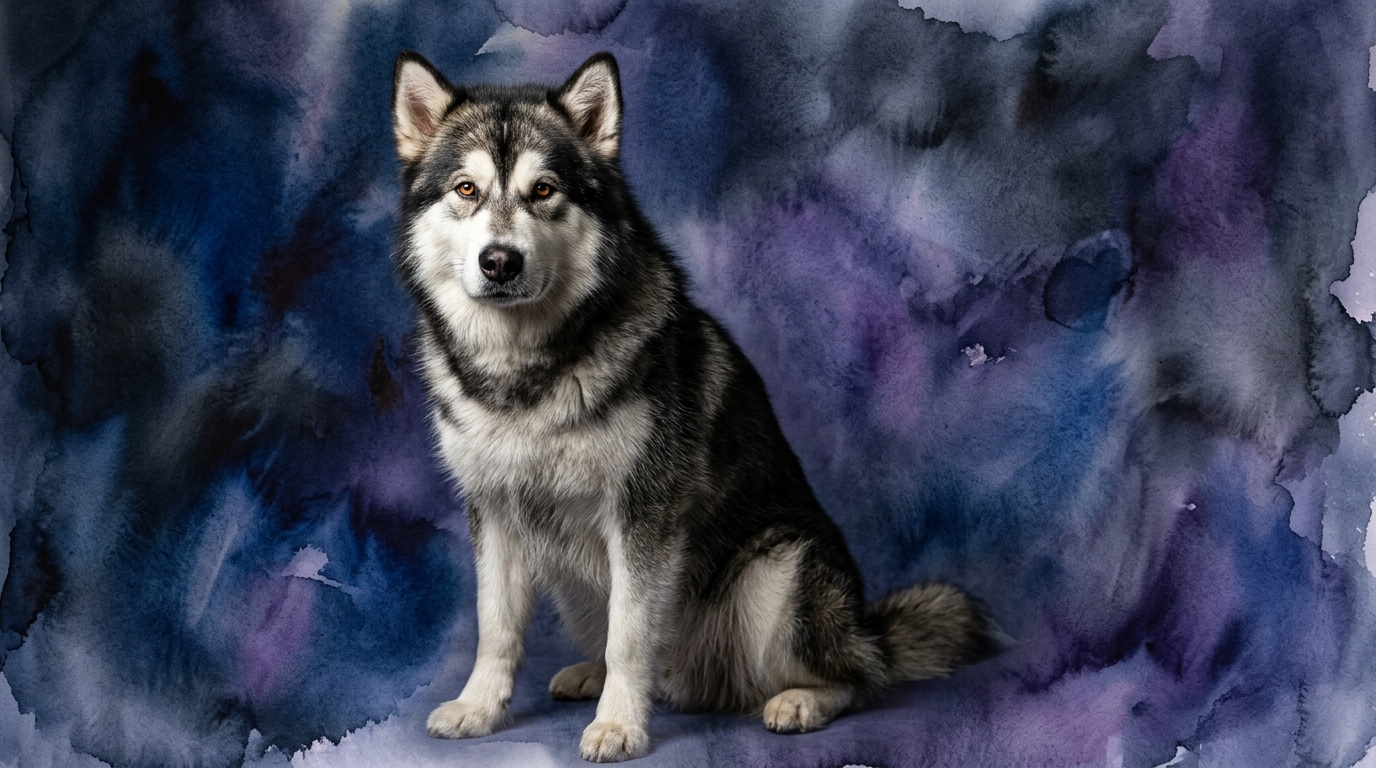
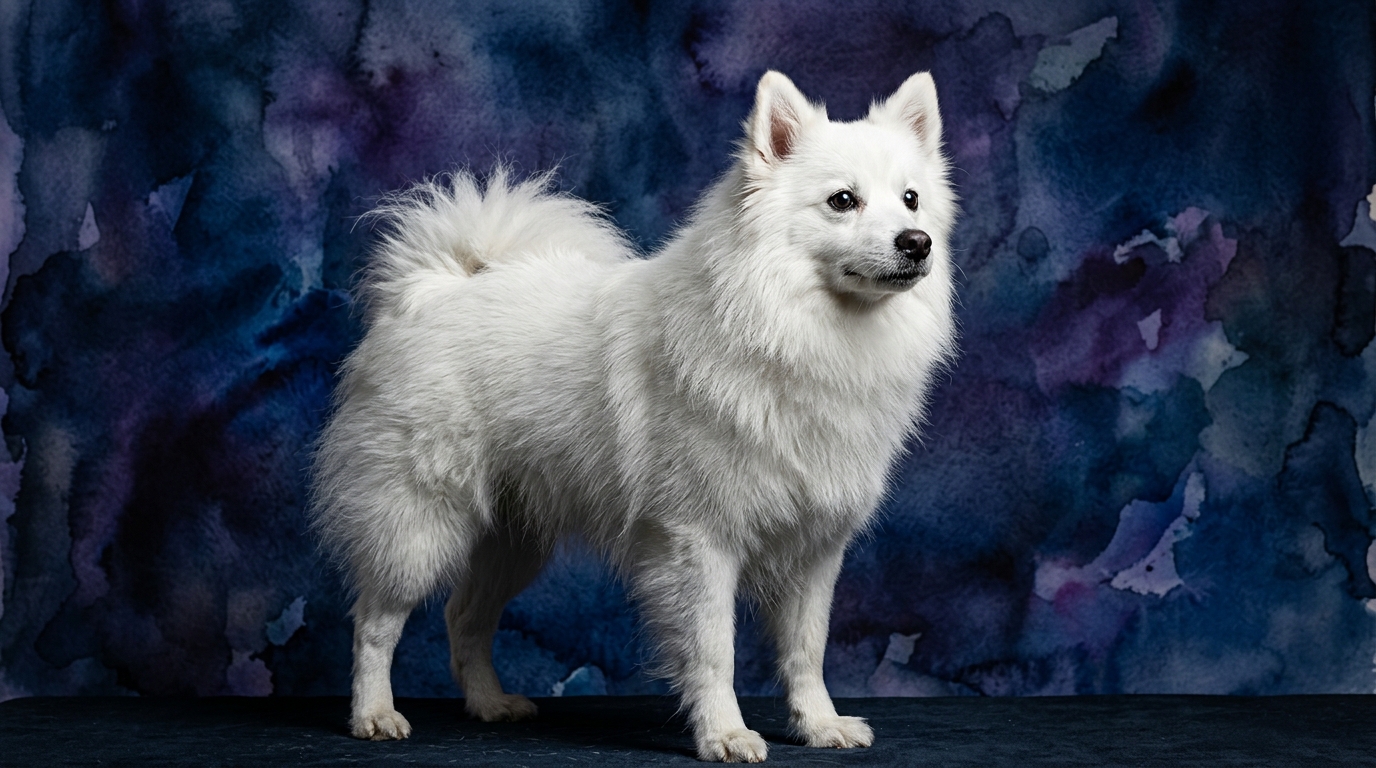
Side-by-Side Cognitive Profiles: Malamute vs. Eskie
To truly understand the mental makeup of these two distinct breeds, we must examine their cognitive dimensions. The Alaskan Malamute, a powerful Working dog, holds a Coren rank of #50, indicating a solid foundation in obedience and working intelligence. Its cognitive profile shows problem Solving at 4/5, training Speed at 2/5, social Intelligence at 3/5, instinctive Drive at 5/5, and memory at 4/5. These scores paint a picture of a dog built for purpose and endurance, capable of complex thought within its environmental context.
The American Eskimo Dog, a Non-Sporting breed, does not appear on the Coren ranking, suggesting its primary historical role was not centered on complex obedience tasks but rather companionship and watchfulness. Its cognitive breakdown includes problem Solving at 3/5, training Speed at 3/5, social Intelligence at 3/5, instinctive Drive at 3/5, and memory at 3/5. This more balanced, moderate profile suggests a dog that is generally adaptable and responsive, without the specialized extremes seen in its larger northern cousin. The differences in these foundational scores illuminate why their behaviors and training needs vary so significantly.
Where the Alaskan Malamute's Cognition Shines
The Alaskan Malamute's cognitive strengths are deeply rooted in its heritage as a heavy freight hauler in challenging Arctic conditions. Its problem Solving score of 4/5 isn't about solving abstract puzzles, but about navigating complex physical environments and overcoming practical obstacles. This manifests in their ability to strategically assess a situation, whether it's finding the best path through snowdrifts or figuring out how to open a seemingly secure gate – a testament to their independent decision-making on the trail.
Coupled with an exceptional instinctive Drive of 5/5, Malamutes possess an inherent mental impetus to engage with the world through purposeful action. This isn't merely physical stamina; it's a deep-seated desire to pull, explore, and work alongside their human companions. This powerful drive means they find satisfaction in strenuous, goal-oriented activities, often demonstrating a mental fortitude that allows them to push through discomfort. Their strong memory (4/5) further supports this, allowing them to recall routes, previously learned tasks, and effective strategies for achieving their objectives, crucial for a breed whose survival once depended on such recall.
Where the American Eskimo Dog's Cognition Excels
While the American Eskimo Dog may not exhibit the specialized extremes of the Malamute, its cognitive profile boasts a balanced aptitude that makes it remarkably adaptable as a companion. Its moderate training Speed of 3/5, compared to the Malamute's 2/5, indicates a generally more amenable and responsive learner. Eskies often possess a keen desire to please their human counterparts, which translates into a more straightforward approach to learning new commands and tricks.
Their social Intelligence, also rated 3/5, is particularly effective in a domestic setting. Eskies are often attuned to the moods and intentions of their human family members, making them sensitive barometers of the home environment. This observational capacity, combined with their moderate instinctive drive (3/5), means they thrive on interaction and enjoy participating in family life. They are adept at picking up on subtle social cues and integrating smoothly into household routines, valuing companionship and shared activities over independent, driven tasks.
Trainability: A Tale of Two Temperaments
The question of trainability is where the cognitive differences between these two breeds become most apparent. The Alaskan Malamute's training Speed of 2/5 signals a longer learning curve for new commands and a need for immense patience from their trainer. Their powerful instinctive Drive (5/5) means they often operate with a strong sense of their own agenda, a trait refined over centuries of making independent decisions in harsh, unforgiving environments. This isn't a lack of mental capacity, but rather a preference for self-directed activity, which can often be misinterpreted as stubbornness. Successful training requires creative motivation, consistent leadership, and an understanding that they are partners, not subordinates, in the learning process.
In contrast, the American Eskimo Dog's training Speed of 3/5 indicates a more responsive and generally eager-to-please student. While they can be spirited and vocal, their moderate instinctive Drive (3/5) means they are typically less inclined to override human directives. Eskies often enjoy the mental engagement that training provides and respond very well to positive reinforcement techniques. They can excel in various dog sports and obedience challenges, readily forming a cooperative bond with their handler. Their social intelligence also contributes to their trainability, as they often seek to understand and respond to human expectations.
Lifestyle Suitability: Active Adventurers vs. Engaged Companions
The cognitive profiles of the Malamute and Eskie directly inform their ideal living situations. Alaskan Malamutes, with their high instinctive Drive (5/5) and problem Solving (4/5), demand a truly active lifestyle that engages both their robust bodies and their independent minds. They thrive on vigorous daily exercise that taps into their innate desires for pulling, exploring, or engaging in purposeful work. Owners must be prepared to provide outlets for this powerful drive through activities like hiking, skijoring, carting, or other physically and mentally demanding pursuits. A Malamute left without sufficient mental and physical engagement is likely to invent its own (often destructive) entertainment, making them unsuitable for relaxed or sedentary households.
The American Eskimo Dog, with its moderate instinctive Drive (3/5) and problem Solving (3/5), is better suited for owners with a moderately active lifestyle. While they certainly enjoy and benefit from daily walks, playtime in a securely fenced area, and regular mental stimulation through training or puzzle toys, they do not possess the same overwhelming need for intense, sustained activity as the Malamute. Their social intelligence (3/5) means they truly thrive on companionship and are generally content to be involved in family activities, whether that involves a brisk walk or a quiet evening at home. They adapt well to urban or suburban living, provided their needs for exercise and interaction are consistently met.
The Verdict
The Alaskan Malamute is an excellent choice for experienced, active owners who understand and can channel a powerful, independent working dog with a strong instinctive drive and impressive problem-solving abilities. They thrive in environments offering consistent physical and mental challenges, demanding a partnership built on mutual respect and clear leadership.
The American Eskimo Dog suits owners seeking a responsive, companionable canine that enjoys moderate activity and mental engagement, adapting well to family life with its balanced cognitive profile and eagerness to participate. They are a good fit for those who appreciate a dog that is generally more biddable in training and deeply values companionship.
🧠 Find Your Pet's IQ Score
Our Pet IQ Lab assessment covers 25+ tests across 5 cognitive dimensions — personalized to your breed.
Take the Full IQ Test →Frequently Asked Questions
Are Alaskan Malamutes difficult to train?
Alaskan Malamutes are not inherently difficult to train, but their training speed is slower (2/5) and they possess a powerful instinctive drive (5/5) which means they often prioritize their own goals. Successful training requires immense patience, consistency, and creative motivation to work with their independent nature.
Do American Eskimo Dogs bark a lot?
American Eskimo Dogs can be quite vocal, using barks, howls, and other sounds to communicate. This stems from their watchful nature and social intelligence, as they often alert their owners to new sights or sounds. Consistent training from a young age can help manage excessive barking.
Which breed is better with children?
Both breeds can be good with children if properly socialized and trained from a young age, and if children are taught to interact respectfully. American Eskimo Dogs, with their more moderate drives and companion-oriented nature, might integrate slightly more easily into a busy family environment, but Malamutes can be gentle giants with appropriate supervision.