Side-by-Side Cognitive Profiles
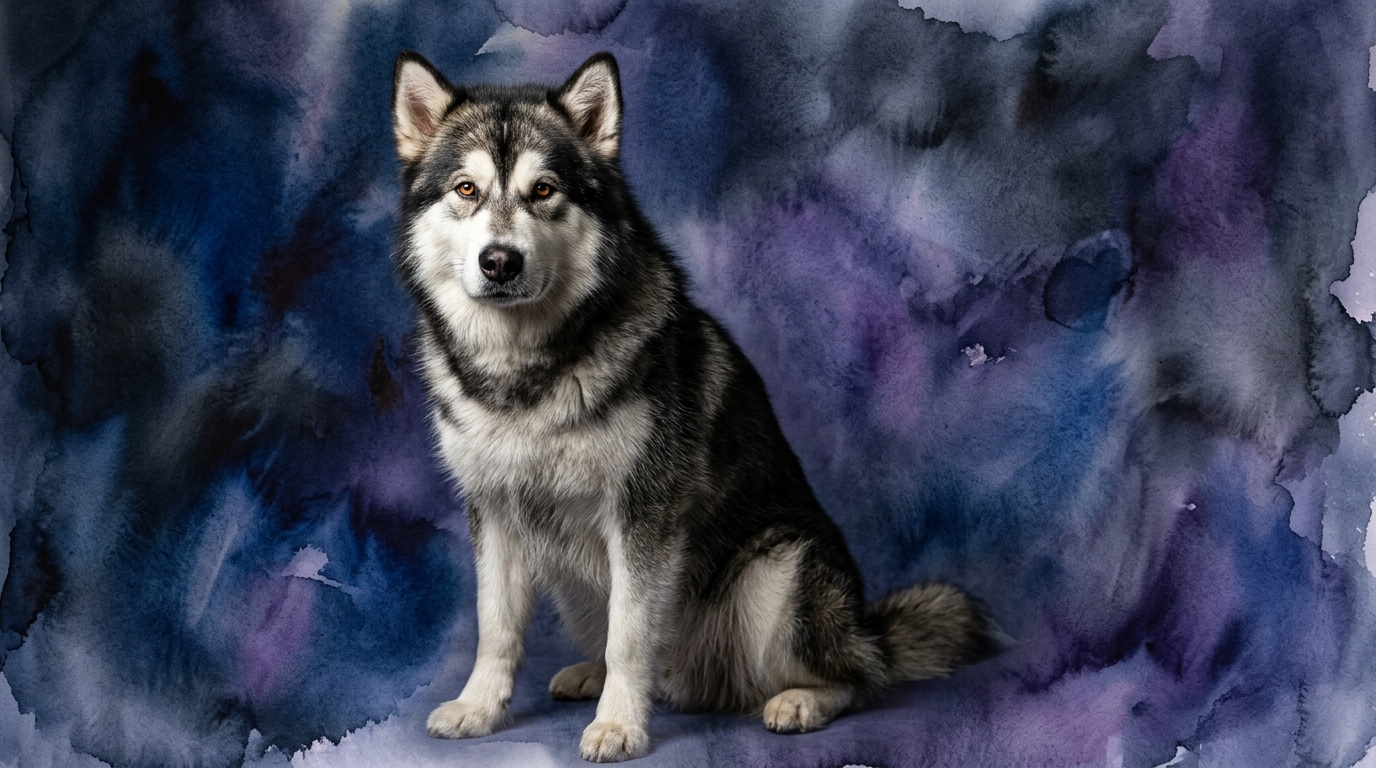
The Cosmic Pet Pet IQ Lab provides a detailed lens into the unique cognitive architectures of these two breeds. For the Alaskan Malamute, a Working Group dog, we observe a robust profile: problem-solving at 4/5, indicating an adeptness at navigating complex challenges and figuring out how to achieve goals like opening gates or finding hidden treats. Their training speed is 2/5, meaning they learn new commands slowly, often requiring extensive repetition and motivation due to an independent streak. Social intelligence stands at 3/5, suggesting an understanding of pack dynamics and human cues, but potentially selective social interactions. An exceptionally strong instinctive drive of 5/5 highlights their unparalleled determination for their original purpose, pulling, exploration, and resource guarding. Finally, their memory is 4/5, retaining learned information and experiences over long periods, remembering routes or past training sessions effectively.
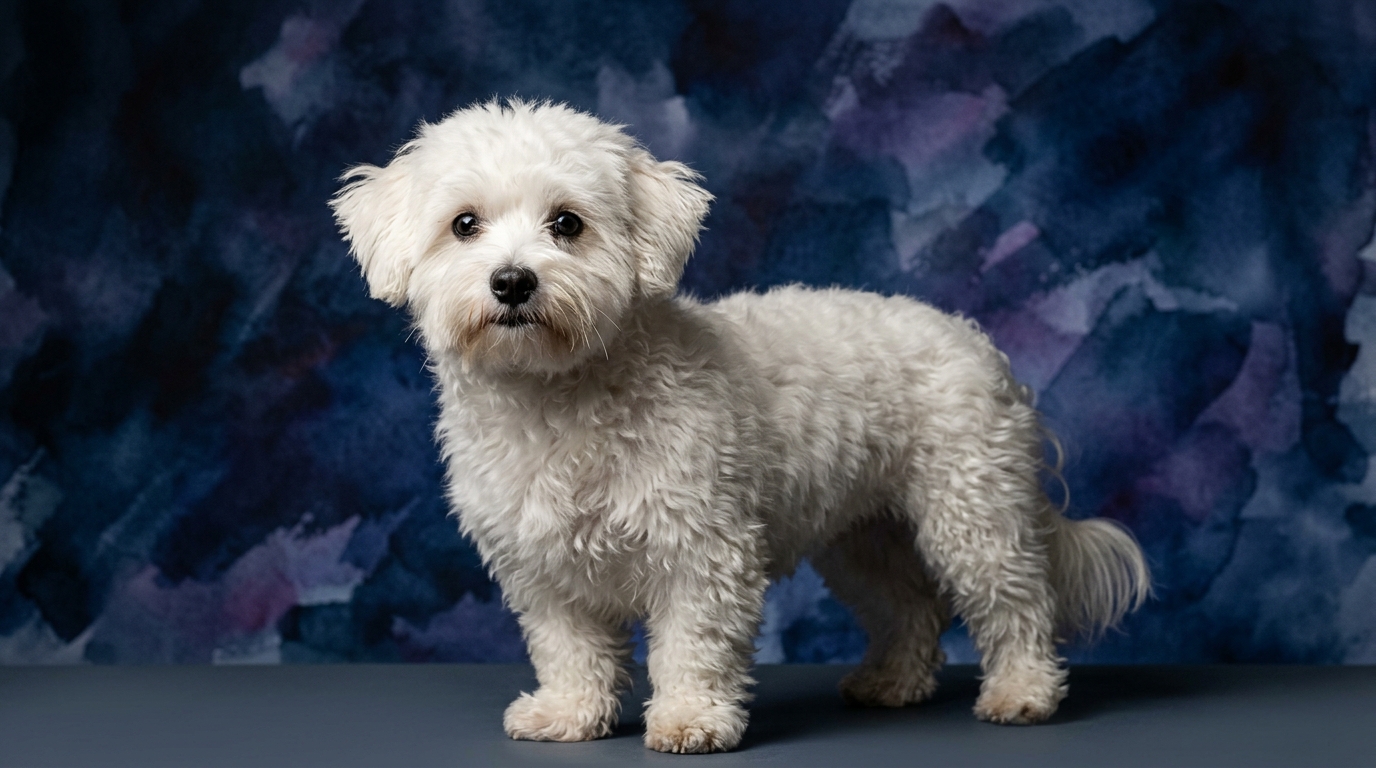
In contrast, the Coton de Tuléar, a Non-Sporting Group companion, presents a more balanced, moderate cognitive profile. Their problem-solving ability is 3/5, allowing them to learn basic puzzles and adapt to new situations, though they are less inclined towards complex, independent problem-solving. A training speed of 3/5 means they learn at a moderate pace, generally responsive to positive reinforcement and consistent methods. Their social intelligence also rates 3/5, indicating they connect well with family members and can be amiable with strangers, capable of reading emotional cues. An instinctive drive of 3/5 suggests a moderate drive, primarily for companionship and play, less intense natural instincts than working breeds. Their memory is 3/5, retaining information adequately for daily routines and learned behaviors, though perhaps not with the same long-term depth as a Malamute.
Where the Alaskan Malamute Wins Cognitively
The Alaskan Malamute undeniably stands out in areas requiring robust cognitive application and enduring determination. Their problem-solving ability, rated at 4/5, allows them to dissect environmental challenges and formulate effective solutions, whether it's strategically navigating a complex trail or figuring out how to open a seemingly secure food container. This isn't mere trial and error; it often involves a calculated approach. Coupled with a powerful memory (4/5), Malamutes can retain intricate sequences of events or spatial layouts, remembering specific routes through wilderness or the location of previously hidden items long after the fact. This cognitive recall is invaluable for working dogs who must rely on past experiences. Most strikingly, their instinctive drive, a perfect 5/5, fuels an unparalleled mental stamina and focus. This drive translates into an unwavering commitment to tasks that align with their heritage, such as pulling, exploring, or guarding resources. It's a deep-seated cognitive engine that allows them to push through physical and mental fatigue, making them exceptionally persistent in achieving their goals. This combination of strong problem-solving, retentive memory, and supreme drive means the Malamute's cognitive architecture is built for sustained, purposeful engagement in demanding environments.
Where the Coton de Tuléar Wins Cognitively
While the Malamute's cognitive strengths lean towards grand, physically demanding endeavors, the Coton de Tuléar shines in areas of balanced adaptability and harmonious domestic integration. Their consistent 3/5 scores across problem-solving, training speed, instinctive drive, and memory indicate a well-rounded cognitive profile that avoids extremes. This balance translates into a dog that is generally less prone to intense fixations or overwhelming behavioral needs, making them cognitively 'easier' to live with for many pet owners. Their moderate problem-solving allows them to adapt readily to household routines and learn basic life skills without the independent, often challenging, ingenuity of a Malamute. The Coton's 3/5 training speed, in particular, highlights a key cognitive advantage for the average owner: they are typically more receptive to learning through standard positive reinforcement and consistent guidance. This makes the training process more straightforward and less prone to the 'willful' periods sometimes encountered with breeds possessing lower training speed scores. Moreover, their social intelligence, also rated 3/5, is often expressed as a keen awareness of family dynamics and a desire for close companionship, translating into a dog that intuitively understands and responds to human emotional cues within a home setting, fostering a strong, reciprocal bond without demanding a specific 'job.' This holistic cognitive balance makes the Coton a highly versatile and delightful companion.
Which is Easier to Train and Why
Based on their respective IQ profiles, the Coton de Tuléar generally presents as the easier breed to train for the average owner. The Coton scores a 3/5 in training speed, indicating a moderate willingness and capacity to learn new commands and behaviors. They are typically eager to please their owners and respond well to positive reinforcement methods, making training sessions productive and rewarding. Their moderate instinctive drive (3/5) also means they are less likely to be distracted by overpowering urges or independent pursuits during training, allowing for more focused learning. This breed's balanced cognitive profile means they are generally receptive to consistent instruction and enjoy the interaction that training provides, making them a good match for owners seeking a straightforward training experience.
In contrast, the Alaskan Malamute scores a 2/5 in training speed. While they possess impressive problem-solving abilities (4/5) and memory (4/5), their strong independent streak and high instinctive drive (5/5) mean they often require significant motivation, patience, and creative training approaches. A Malamute might understand exactly what is being asked but choose not to comply if they don't see an immediate benefit or if a more compelling scent or activity is present. This doesn't mean they can't learn complex tasks; rather, it means their willingness to perform those tasks on command requires consistent, engaging, and often firm guidance, making the process slower and more challenging than with a Coton. Their intelligence is geared towards independent action and problem-solving for their own objectives, which can make them less compliant in traditional obedience settings without careful management and strong leadership.
Suitability for Active vs. Relaxed Owners
The choice between these two breeds heavily depends on an owner's lifestyle. The Alaskan Malamute is unequivocally suited for active owners. Their exceptional instinctive drive (5/5) and robust physical capabilities demand a lifestyle filled with purpose and vigorous activity. These dogs thrive when given a job, whether it's pulling a sled, participating in hiking, skijoring, or extensive outdoor adventures. An active owner for a Malamute isn't just someone who takes daily walks; it's someone committed to providing hours of mental and physical stimulation, often outdoors, regardless of weather. Their cognitive makeup, with strong problem-solving and memory, means they need complex challenges, not just repetitive exercise, to prevent boredom and destructive behaviors.
Conversely, the Coton de Tuléar is an ideal companion for more relaxed owners, though they certainly enjoy play and regular walks. Their moderate instinctive drive (3/5) and balanced cognitive profile mean they are content with a less demanding routine. While they benefit from daily strolls and interactive play, they are equally happy to snuggle on the couch or engage in calm indoor activities. A relaxed owner for a Coton is someone who appreciates a charming, affectionate presence that doesn't require extreme physical outlets or constant, intense mental engagement to remain content. Their moderate problem-solving and training speed make them adaptable to a variety of home environments without the high-stakes cognitive management often required by a Malamute.
The Verdict
Choose the Alaskan Malamute if you are an experienced, highly active owner who can provide extensive physical and mental challenges, appreciating a dog with profound purpose and a strong independent mind. Their cognitive strength lies in their drive and problem-solving for demanding tasks.
Opt for the Coton de Tuléar if you seek a charming, adaptable companion for a more relaxed home environment, valuing a dog that is generally easier to train and eager to integrate warmly into family life. Their cognitive balance makes them a versatile and affectionate pet.
🧠 Find Your Pet's IQ Score
Our Pet IQ Lab assessment covers 25+ tests across 5 cognitive dimensions — personalized to your breed.
Take the Full IQ Test →Frequently Asked Questions
Does the Malamute's lower training speed mean it's not smart?
Not at all; the Malamute possesses high problem-solving and memory, indicating significant cognitive capacity. Their 2/5 training speed reflects an independent nature and strong instinctive drives that often make them less inclined to follow commands quickly, rather than a lack of understanding. They learn, but often on their own terms, requiring patience and creative motivation.
Can a Coton de Tuléar learn complex tricks?
Yes, with a 3/5 in problem-solving and training speed, a Coton de Tuléar is certainly capable of learning a wide array of complex tricks and commands. Their eagerness to please and moderate drives make them receptive to engaging training sessions, allowing them to master advanced behaviors with consistent positive reinforcement.
How does instinctive drive affect daily life for these breeds?
The Malamute's 5/5 instinctive drive means they have powerful urges for activities like pulling, exploring, and potentially hunting, requiring extensive outlets to prevent boredom and destructive behavior. The Coton's 3/5 drive is more moderate, focusing on companionship and play, making them generally content with regular walks and indoor interaction without intense, specific job requirements.