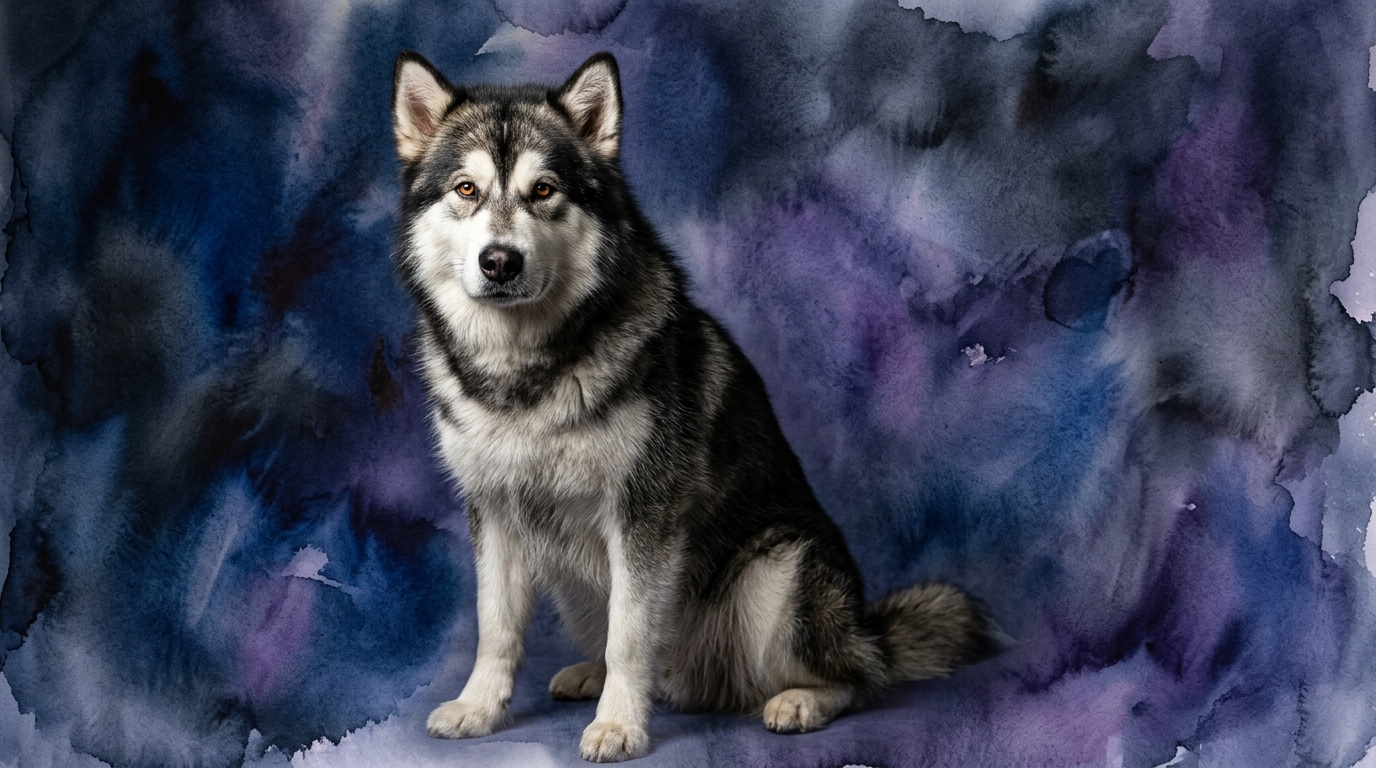
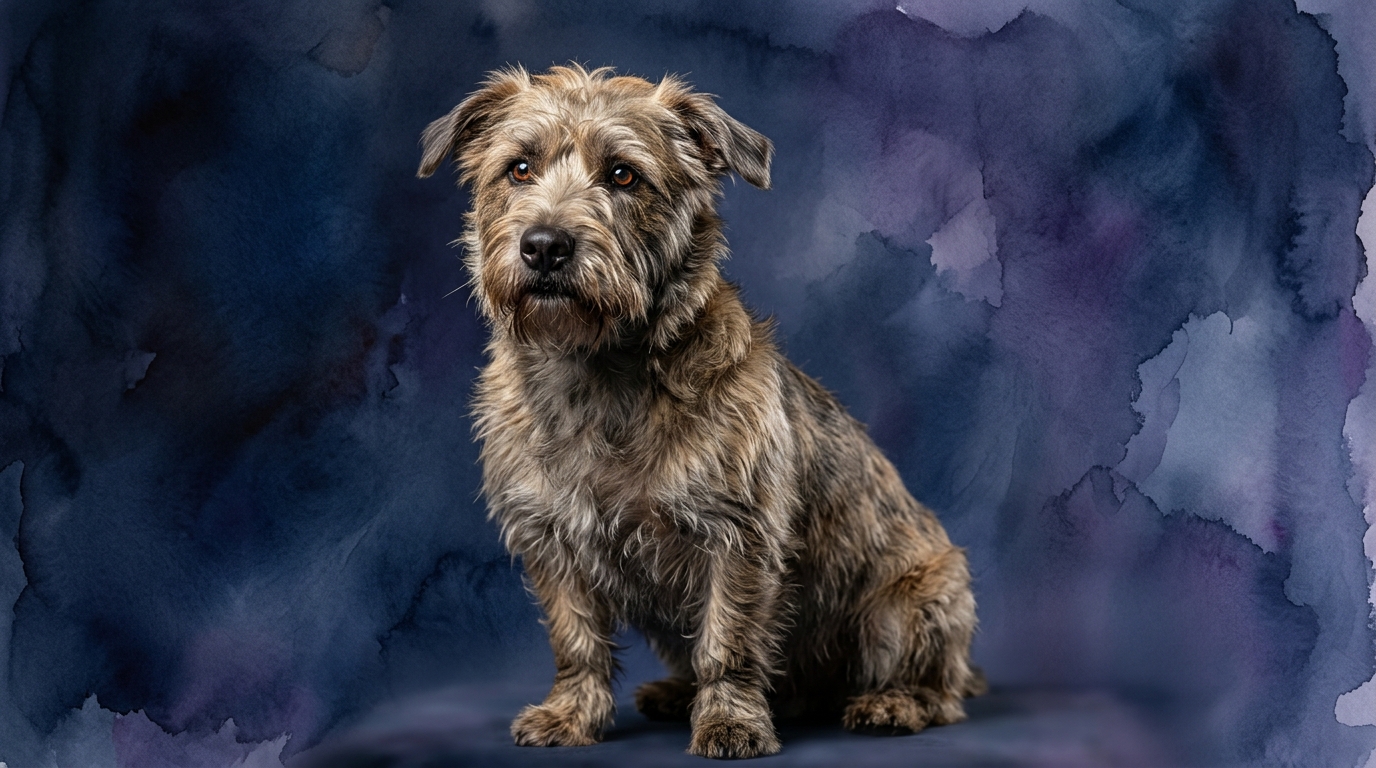
Side-by-Side IQ Profile: Alaskan Malamute vs. Glen of Imaal Terrier
At The Cosmic Pet Pet IQ Lab, we evaluate canine intelligence across five key dimensions, offering a nuanced view beyond simple obedience. For the Alaskan Malamute, a Working group dog, their Coren rank of #50 provides a baseline, but our deeper analysis reveals a complex cognitive profile.
The Alaskan Malamute scores highly in Problem Solving (4/5), reflecting their history of navigating challenging environments and independently finding solutions during sledding tasks. Their Training Speed (2/5) indicates a need for patient, consistent methods, as their independence often means they weigh directives carefully. Social Intelligence (3/5) suggests they understand pack dynamics and form strong bonds, though they can be discerning. Their Instinctive Drive (5/5) is exceptionally strong, rooted in their pulling and survival heritage, demanding significant outlets. Finally, their Memory (4/5) is robust, allowing them to retain complex routes, routines, and experiences over time.
The Glen of Imaal Terrier, a Terrier group dog without a Coren ranking, presents a different cognitive landscape. Their Problem Solving (3/5) is characterized by practical tenacity, particularly in tasks involving digging or manipulation. Training Speed (3/5) is moderate; they learn effectively with motivation but can display terrier stubbornness. Social Intelligence (3/5) shows an awareness of their family unit, often with a discerning approach to new interactions. Their Instinctive Drive (3/5) is present and focused on typical terrier pursuits like scenting and chasing, but not to the overwhelming degree of a Malamute. Their Memory (3/5) is reliable for routines and learned behaviors, allowing them to recall past experiences.
Where the Alaskan Malamute Wins Cognitively
The Alaskan Malamute's cognitive architecture shines in areas demanding endurance, strategic navigation, and a deep understanding of cause-and-effect in complex physical environments. Their superior problem-solving (4/5) compared to the Glen of Imaal Terrier (3/5) is evident in their ability to assess a situation, like a tangled sled line or a challenging trail, and autonomously devise a solution. This is not just about brute strength but about spatial reasoning and foresight, skills honed over centuries of working in teams to achieve a common goal.
Furthermore, their instinctive drive (5/5) is a cognitive asset, propelling them to persist in tasks that might deter other breeds. This isn't merely physical stamina but a mental tenacity that allows them to push through discomfort or boredom, consistently applying their memory (4/5) to recall efficient methods or past successes. A Malamute remembers not just *what* to do, but *why* it works, leading to a more profound, self-directed learning experience.
Where the Glen of Imaal Terrier Wins Cognitively
While not outscoring the Malamute in sheer power or endurance-based intellect, the Glen of Imaal Terrier demonstrates a unique cognitive nimbleness, particularly in focused, independent tasks. Their problem-solving (3/5) is characterized by a tenacious, often single-minded pursuit of a goal, especially when it involves scent work or manipulating objects to gain access. Unlike the Malamute's broad spatial reasoning, the Glen's intellect excels at micro-level challenges, like figuring out how to dislodge a critter from a burrow or retrieve a hidden toy.
Their training speed (3/5) is also a point of advantage over the Malamute's (2/5), suggesting they may grasp new commands and routines with slightly less repetition, provided the motivation is compelling. This isn't to say they are always eager pupils, but their terrier disposition allows them to make connections between action and reward more readily when the task aligns with their innate drives. Their social intelligence (3/5) is also equally matched, indicating an ability to navigate human family dynamics with a quiet, discerning awareness, often observing before engaging.
Training Dynamics: Which Breed is Easier to Shape?
Assessing ease of training between these two breeds requires understanding their core motivations and historical roles. The Glen of Imaal Terrier, with a training speed of 3/5, generally presents a moderately less challenging training journey than the Alaskan Malamute, rated at 2/5. Glens, while possessing terrier stubbornness, often respond well to consistent, positive reinforcement and varied training techniques that keep their interest. Their smaller size and focused drive mean their 'stubbornness' is usually manageable in a home environment, and they are typically eager to please their chosen humans once a bond is established.
Conversely, the Alaskan Malamute's training speed reflects their independent and strong-willed nature. Their deep instinctive drive (5/5) means they are often more focused on their own agenda – exploring, scenting, or assessing their environment – than on immediate human directives. Training a Malamute is less about quick compliance and more about building a respectful partnership, using their problem-solving ability to make training a collaborative puzzle rather than a series of demands. They require an owner who understands their need for purpose and can channel their immense physical and mental energy into constructive activities, rather than expecting instant obedience. Their memory (4/5) ensures they retain lessons, but their decision to *act* on them is often contingent on their assessment of the situation and their own priorities.
Lifestyle Alignment: Active vs. Relaxed Owners
For owners seeking a highly active and mentally stimulating companion, the Alaskan Malamute is the clear choice. Their exceptional instinctive drive (5/5) and robust problem-solving (4/5) demand consistent engagement in activities like hiking, sledding, canicross, or advanced obedience that challenge both their body and mind. A Malamute thrives when given a job or a purpose, requiring owners who are prepared for daily, vigorous exercise and mental enrichment to prevent boredom-induced behaviors. Their need for expansive outdoor adventures and an owner who can match their stamina makes them unsuitable for a sedentary lifestyle or apartment living without significant commitment to regular, intensive outings.
The Glen of Imaal Terrier, while certainly not a couch potato, is better suited for owners who appreciate a more moderate level of activity. Their instinctive drive (3/5) means they enjoy daily walks, playtime, and opportunities for scent work or digging in a designated area, but they don't demand the same scale of exertion as a Malamute. Glens are content to relax indoors with their family after their exercise needs are met, making them a better fit for individuals or families with a moderately active lifestyle who enjoy shorter, purposeful outdoor excursions. They appreciate mental challenges like puzzle toys but don't require the same intensity of structured 'work' to feel fulfilled.
The Verdict
Select the Alaskan Malamute if you are an experienced, active owner dedicated to providing extensive physical exercise, mental challenges, and consistent, patient training for an independent, powerful working breed.
Opt for the Glen of Imaal Terrier if you seek a tenacious, moderately active companion who enjoys engaging in focused activities and thrives in a home environment with a discerning, patient owner.
🧠 Find Your Pet's IQ Score
Our Pet IQ Lab assessment covers 25+ tests across 5 cognitive dimensions — personalized to your breed.
Take the Full IQ Test →Frequently Asked Questions
Do Alaskan Malamutes get along with other dogs?
Alaskan Malamutes can coexist with other dogs, especially if socialized early and raised together, but their strong prey drive and pack dynamics mean careful introductions and supervision are often necessary, particularly with smaller animals.
Are Glen of Imaal Terriers good family pets?
Glen of Imaal Terriers can be wonderful family pets, forming strong bonds with their human companions, but their independent nature and potential for stubbornness mean they thrive with consistent training and clear boundaries from all family members.
Which breed is better for first-time dog owners?
Neither breed is typically recommended for first-time dog owners without significant prior research and commitment; however, the Glen of Imaal Terrier might present a slightly less overwhelming challenge due to its smaller size and more moderate exercise requirements compared to the powerful, independent Alaskan Malamute.