Side-by-Side Cognitive Profiles at The Cosmic Pet Pet IQ Lab
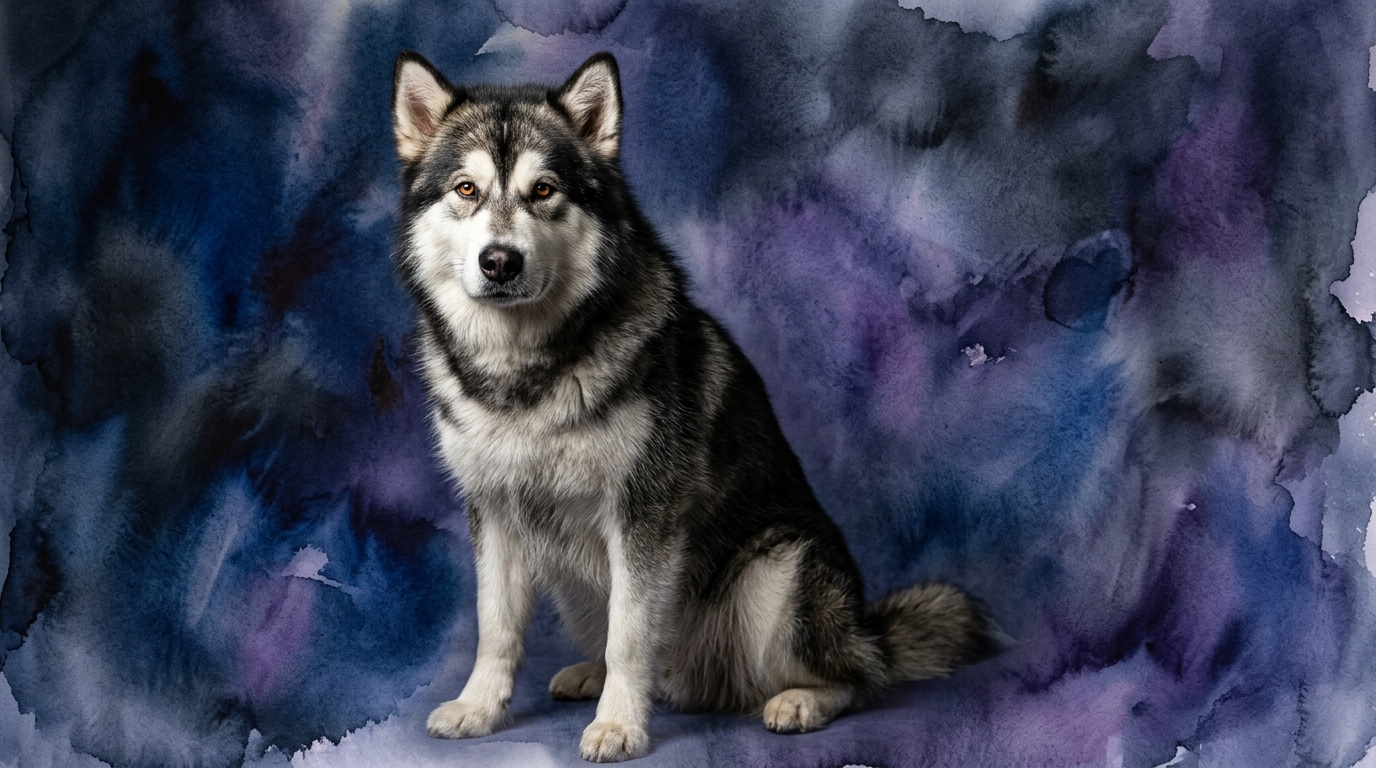
The Alaskan Malamute, a seasoned Arctic sled dog, presents a cognitive profile optimized for endurance and independent decision-making in challenging environments. Our Pet IQ Lab data shows a strong 4/5 in Problem Solving, reflecting their historical need to navigate complex terrains and overcome obstacles with minimal human guidance. Their Instinctive Drive is exceptionally high at 5/5, a testament to their powerful urge to pull and work. Memory scores a robust 4/5, crucial for recalling trails and tasks, while Social Intelligence registers 3/5, indicating an ability to work within a pack but often with a mind of their own. Training Speed, however, is 2/5, suggesting a breed that learns at its own pace and requires consistent, patient engagement.
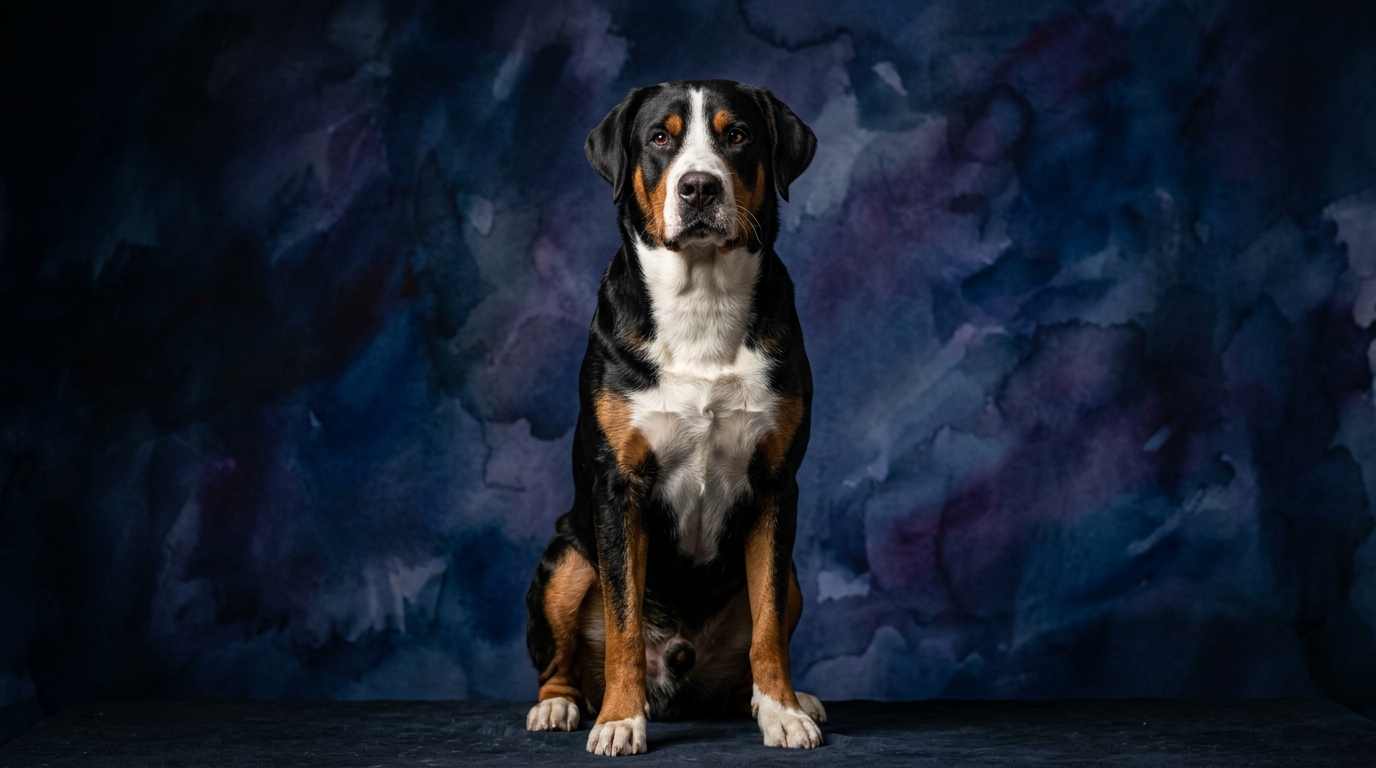
In contrast, the Greater Swiss Mountain Dog, a versatile farm and draft dog from the Swiss Alps, displays a more balanced cognitive spread. Their Problem Solving is a solid 3/5, indicating competence in adapting to varied tasks without the extreme independence seen in the Malamute. Training Speed is rated 3/5, suggesting a more cooperative learning aptitude than the Malamute, while Social Intelligence also scores 3/5, reflecting their role as companions and helpers within a family unit. Instinctive Drive is 3/5, present but less singularly focused than the Malamute's, and Memory is 3/5, providing a reliable capacity for retaining learned behaviors and routines.
Where the Alaskan Malamute's Cognition Shines
The Malamute’s superior scores in Problem Solving (4/5) and Instinctive Drive (5/5) highlight their unique cognitive strengths. These dogs were historically bred to make critical judgments on the fly, often miles from human companions, assessing ice conditions or finding paths through blizzards. This translates into an animal that excels at independent thought and navigating complex, dynamic situations, making them adept at tasks requiring self-reliance rather than constant direction. Their formidable drive means they possess an inherent, unwavering motivation for physical work and exploration.
Furthermore, the Malamute's 4/5 Memory score gives them an edge in retaining complex spatial information and learned sequences over long periods. This isn't just about remembering a trick; it's about recalling entire routes and problem-solving strategies that worked previously. This robust memory, combined with their problem-solving prowess, makes them formidable partners for adventurous owners who can channel this cognitive power into challenging activities like competitive sledding, canicross, or advanced scent work.
Where the Greater Swiss Mountain Dog Offers Distinct Cognitive Advantages
While the Greater Swiss Mountain Dog's scores might appear more moderate, their 3/5 in Training Speed gives them a distinct advantage in terms of trainability and cooperative learning compared to the Malamute's 2/5. This higher training speed suggests a breed that is generally more receptive to instruction and more inclined to form a working partnership with their owner. Their balanced Instinctive Drive (3/5) also means their natural urges, while present, are typically more manageable and less overwhelming, making them potentially easier to integrate into diverse family and activity routines.
The Swissy's consistent 3/5 across Problem Solving, Social Intelligence, and Memory indicates a well-rounded and adaptable cognitive profile. They possess sufficient problem-solving skills to navigate daily life and learn new tasks, a balanced social intelligence for harmonious interaction, and reliable memory for household rules and commands. This cognitive blend makes them highly capable of performing a wide array of duties, from guarding and carting to being a devoted family companion, without the intense independent streak that can sometimes challenge owners of breeds like the Malamute.
Trainability: A Tale of Two Working Dogs
When it comes to ease of training, the Greater Swiss Mountain Dog generally presents a more straightforward path. Their Training Speed of 3/5, compared to the Malamute's 2/5, signifies a greater willingness to engage in cooperative learning and respond to cues. This often stems from their historical role as farm dogs, where working alongside humans and following directions was paramount. A Swissy typically aims to please and responds well to positive reinforcement, making them amenable to structured training sessions and consistent routines.
The Alaskan Malamute, by contrast, requires a different approach to training. Their lower Training Speed (2/5) is not an indicator of inability to learn, but rather a reflection of their independent nature and high instinctive drive. Historically, these dogs needed to make autonomous decisions on the trail, which translates into a 'what’s in it for me?' attitude rather than an inherent desire to simply obey. Training a Malamute demands exceptional patience, creativity, and a deep understanding of their motivations, often requiring extensive motivation-based rewards and a recognition of their strong will.
Matching Cognitive Profiles to Owner Lifestyles
For active owners seeking a canine partner for intense physical and mental challenges, the Alaskan Malamute’s cognitive profile is a compelling match. Their 5/5 Instinctive Drive and 4/5 Problem Solving demand an outlet that goes beyond casual walks. Owners who thrive on long-distance hiking, sledding, skijoring, or complex scent work will find a Malamute’s deep-seated need for purpose and adventure incredibly fulfilling. This breed requires consistent engagement that taps into their problem-solving ability and allows them to expend their considerable energy in meaningful ways.
The Greater Swiss Mountain Dog, with its more balanced cognitive scores, suits owners looking for a capable and engaged companion that integrates seamlessly into a moderately active lifestyle. While they certainly need regular exercise and mental stimulation, their 3/5 Instinctive Drive and 3/5 Problem Solving mean they are generally content with varied activities like daily walks, carting, obedience, or agility, without the relentless drive of a Malamute. They are well-suited for owners who enjoy a mix of outdoor adventures and relaxed family time, appreciating a dog that is both robust and adaptable.
The Verdict
Choose an Alaskan Malamute if you are an experienced, active owner dedicated to providing consistent mental and physical challenges that satisfy their profound instinctive drive and independent problem-solving nature.
Opt for a Greater Swiss Mountain Dog if you seek a robust, versatile companion with a more cooperative temperament, suited for a moderately active lifestyle and a range of family-oriented activities.
🧠 Find Your Pet's IQ Score
Our Pet IQ Lab assessment covers 25+ tests across 5 cognitive dimensions — personalized to your breed.
Take the Full IQ Test →Frequently Asked Questions
Do Alaskan Malamutes and Greater Swiss Mountain Dogs require similar amounts of exercise?
No, their exercise needs differ significantly due to their instinctive drives. The Alaskan Malamute, with a 5/5 instinctive drive, requires substantially more rigorous and purposeful activity like sledding or extensive hikes to satisfy their inherent need for work. The Greater Swiss Mountain Dog, at 3/5, needs regular, moderate exercise but is generally more adaptable to varied daily routines.
Which breed is better for first-time dog owners?
Given its more cooperative training speed (3/5) and balanced instinctive drive (3/5), the Greater Swiss Mountain Dog is generally a more manageable choice for first-time dog owners. The Alaskan Malamute's strong independence and lower training speed (2/5) often require an owner with prior experience in handling strong-willed working breeds.
How does their social intelligence impact their interaction with other pets?
Both breeds score 3/5 in social intelligence, indicating a moderate ability to interact with others, but their drives differ. The Malamute's high prey drive (part of its instinctive drive) can sometimes pose challenges with smaller pets, requiring careful socialization. The Swissy's more balanced drive makes them generally more amenable to living with other animals if properly introduced.