Side-by-Side IQ Profile: Alaskan Malamute vs. Japanese Chin
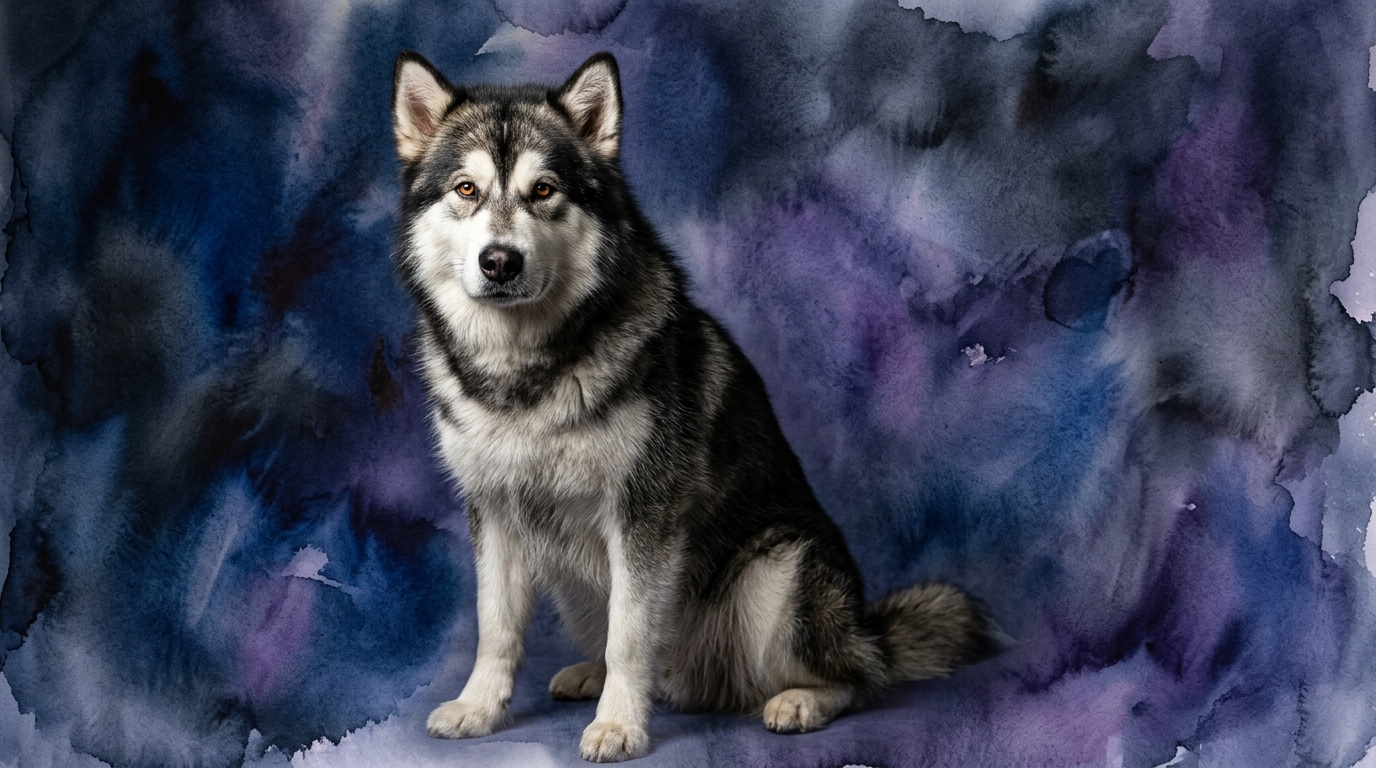
The Alaskan Malamute, a Working breed, demonstrates a formidable problem-solving capacity rated at 4/5, indicative of their ability to navigate complex situations and strategize. Their training speed is moderate at 2/5, suggesting a need for patience and consistent methods, while social intelligence sits at 3/5, allowing for balanced interactions. A standout trait is their instinctive drive, scoring a perfect 5/5, reflecting their deep-seated urges for purpose and activity, complemented by a strong memory at 4/5, enabling them to retain learned behaviors and spatial information effectively.
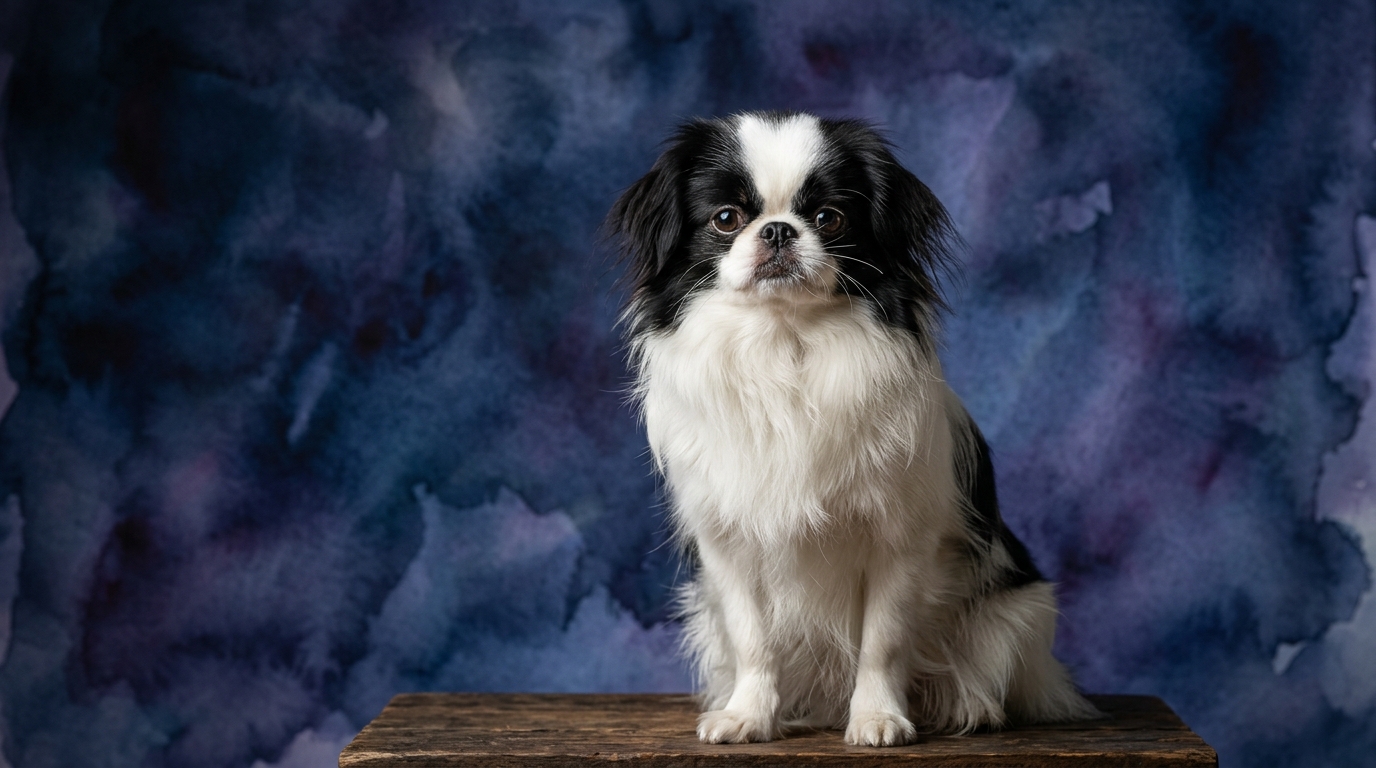
In contrast, the Toy-group Japanese Chin presents a balanced cognitive profile, with problem-solving at 3/5, indicating a capacity for moderate challenges. Their training speed matches this at 3/5, suggesting they can learn new commands at a reasonable pace. Social intelligence is also rated 3/5, pointing to an adaptable nature in various social settings. Their instinctive drive scores 3/5, a moderate level that aligns with their companion role rather than intense working demands, and their memory also registers at 3/5, allowing them to recall routines and social cues adequately.
Where the Alaskan Malamute Wins Cognitively
The Alaskan Malamute's cognitive superiority primarily resides in its robust problem-solving skills and profound instinctive drive. With a problem-solving score of 4/5, these dogs excel at figuring out how to overcome obstacles, whether it's escaping a secure enclosure, strategizing to reach a desired object, or navigating complex terrain during a trek. This aptitude stems from their heritage as powerful sled dogs, requiring independent decision-making in challenging environments. Their instinctive drive, a perfect 5/5, is a dominant force, manifesting as a deep-seated desire to work, pull, and explore. This drive isn't just physical; it's a cognitive engine that fuels their determination and focus when presented with a task, allowing them to push through mental and physical fatigue to achieve a goal. For example, a Malamute can meticulously plan an escape route from a yard, remembering weaknesses in the fence or gates from previous observations, demonstrating their superior memory (4/5) applied to practical challenges. This combination of high problem-solving and intense drive means they are adept at tasks requiring sustained mental effort and practical application of intelligence, such as advanced scent work or agility courses that mimic natural obstacles. Their memory also contributes significantly here, allowing them to learn and recall complex sequences of actions, essential for multi-stage problem-solving or remembering intricate trail routes.
Where the Japanese Chin Wins Cognitively
The Japanese Chin's cognitive strengths, while less overtly "working-oriented," shine in their balanced adaptability and refined social awareness within a domestic context. While their individual scores for problem-solving, training speed, social intelligence, instinctive drive, and memory all sit at a moderate 3/5, this consistency signifies a breed that is neither overly driven nor easily frustrated, making them remarkably harmonious companions. Their social intelligence, at 3/5, allows them to accurately read human emotions and adapt their behavior to fit household dynamics, a crucial skill for a lap dog bred for companionship. They excel at subtle communication, often using specific vocalizations or body language to express needs or contentment, which requires a nuanced understanding of social cues. Unlike the Malamute's intense drive, the Chin's moderate instinctive drive (3/5) means they are less prone to developing destructive behaviors out of boredom or a need for intense mental stimulation, making them inherently easier to integrate into a relaxed home environment. Their balanced memory (3/5) ensures they recall household routines, preferred sleeping spots, and the specific quirks of their human family members without exhibiting the same demanding recollection of complex tasks seen in working breeds. For instance, a Japanese Chin might not figure out how to open a child-proof cabinet, but they will quickly learn the precise time their owner typically wakes up and begin to nudge them gently, demonstrating their practical application of social intelligence and memory in a companion role. Their cognitive wins are in their seamless integration into human family life, requiring less specialized mental engagement and offering consistent, predictable companionship.
Which is Easier to Train and Why
Determining which breed is "easier" to train requires understanding their distinct motivations and cognitive profiles. The Japanese Chin, with a training speed of 3/5, generally proves easier to train for basic obedience and house manners. Their moderate instinctive drive (3/5) means they are less likely to be distracted by overwhelming urges to hunt or explore, allowing them to focus more readily on the trainer. They are often eager to please their human companions, a trait that, combined with their social intelligence (3/5), makes them receptive to positive reinforcement and gentle guidance. Their balanced memory (3/5) ensures they retain commands learned in a consistent environment. In contrast, the Alaskan Malamute, with a training speed of 2/5, presents a greater challenge. Their formidable instinctive drive (5/5) means they are often more interested in pursuing their own agenda—be it pulling, exploring, or interacting with other animals—than in conforming to human commands. While they possess excellent problem-solving skills (4/5) and memory (4/5), these traits can sometimes work against the trainer; a Malamute might "problem-solve" ways to avoid a command or use their memory to recall past successes in being stubborn. Their independent nature, stemming from their working heritage where they often had to make decisions away from human guidance, means they require a highly consistent, firm yet positive training approach, often with rewards that genuinely motivate their strong drive. Therefore, for an owner seeking a dog that will quickly pick up standard commands with minimal effort, the Japanese Chin is the more straightforward choice.
Which Suits Active Owners vs. Relaxed Owners
The choice between these two breeds hinges significantly on an owner's lifestyle and activity level. The Alaskan Malamute is unequivocally suited for active owners. Their perfect 5/5 instinctive drive demands a lifestyle filled with purpose, extensive physical activity, and mental engagement. These dogs thrive on long hikes, sledding, skijoring, carting, or even competitive obedience and agility, which provide outlets for their powerful bodies and sharp minds. An owner who enjoys outdoor adventures and is committed to providing consistent, challenging mental and physical stimulation will find the Malamute a devoted and capable partner. Their problem-solving (4/5) and memory (4/5) are best utilized in environments that encourage exploration and task completion. Conversely, the Japanese Chin is an ideal match for relaxed owners. Their moderate instinctive drive (3/5) means they are content with shorter daily walks, indoor play, and ample cuddle time. Their cognitive makeup, with balanced scores across the board, allows them to adapt seamlessly to a quieter home life, appreciating companionship over demanding physical exploits. While they enjoy interaction and can certainly participate in light activities, their need for intense, sustained mental or physical stimulation is significantly lower. An owner who prefers a calm household, enjoys quiet companionship, and can provide consistent affection will find the Japanese Chin’s demeanor perfectly complements their lifestyle.
The Verdict
Choose the Alaskan Malamute if you are an experienced dog owner with an active, outdoor-oriented lifestyle, prepared to channel their powerful drive and problem-solving abilities into consistent training and purposeful activities.
Opt for the Japanese Chin if you seek a gentle, adaptable companion for a more relaxed home environment, valuing consistent companionship and a dog that integrates smoothly into a calmer daily routine.
🧠 Find Your Pet's IQ Score
Our Pet IQ Lab assessment covers 25+ tests across 5 cognitive dimensions — personalized to your breed.
Take the Full IQ Test →Frequently Asked Questions
Are Alaskan Malamutes difficult to live with due to their strong drive?
Alaskan Malamutes possess a formidable instinctive drive (5/5), which can lead to challenges if not properly managed. They require extensive physical exercise and mental stimulation to prevent boredom and destructive behaviors, making them best suited for owners dedicated to fulfilling these needs.
Can a Japanese Chin participate in dog sports?
While their instinctive drive is moderate (3/5), Japanese Chins can certainly participate in certain dog sports like obedience, rally, or even some forms of agility, especially those tailored for smaller breeds. Their training speed (3/5) and social intelligence (3/5) allow them to learn and enjoy these activities at a recreational level.
How does the Coren ranking relate to these breeds' IQ scores?
The Coren ranking primarily assesses obedience and working intelligence based on how quickly a dog learns new commands. The Alaskan Malamute's rank of #50 aligns with its moderate training speed (2/5), suggesting it needs more repetitions than higher-ranked breeds. The Japanese Chin, not Coren-ranked, still demonstrates a respectable training speed (3/5) for a companion breed, but its primary purpose wasn't historically in competitive obedience.