Side-by-Side Cognitive Profiles: Malamute vs. Buhund
The Cosmic Pet Pet IQ Lab employs a five-dimensional framework to assess canine intelligence, moving beyond simple obedience to capture a holistic view of cognitive abilities. This framework helps us understand how a breed's historical role and genetic predispositions influence their mental landscape.
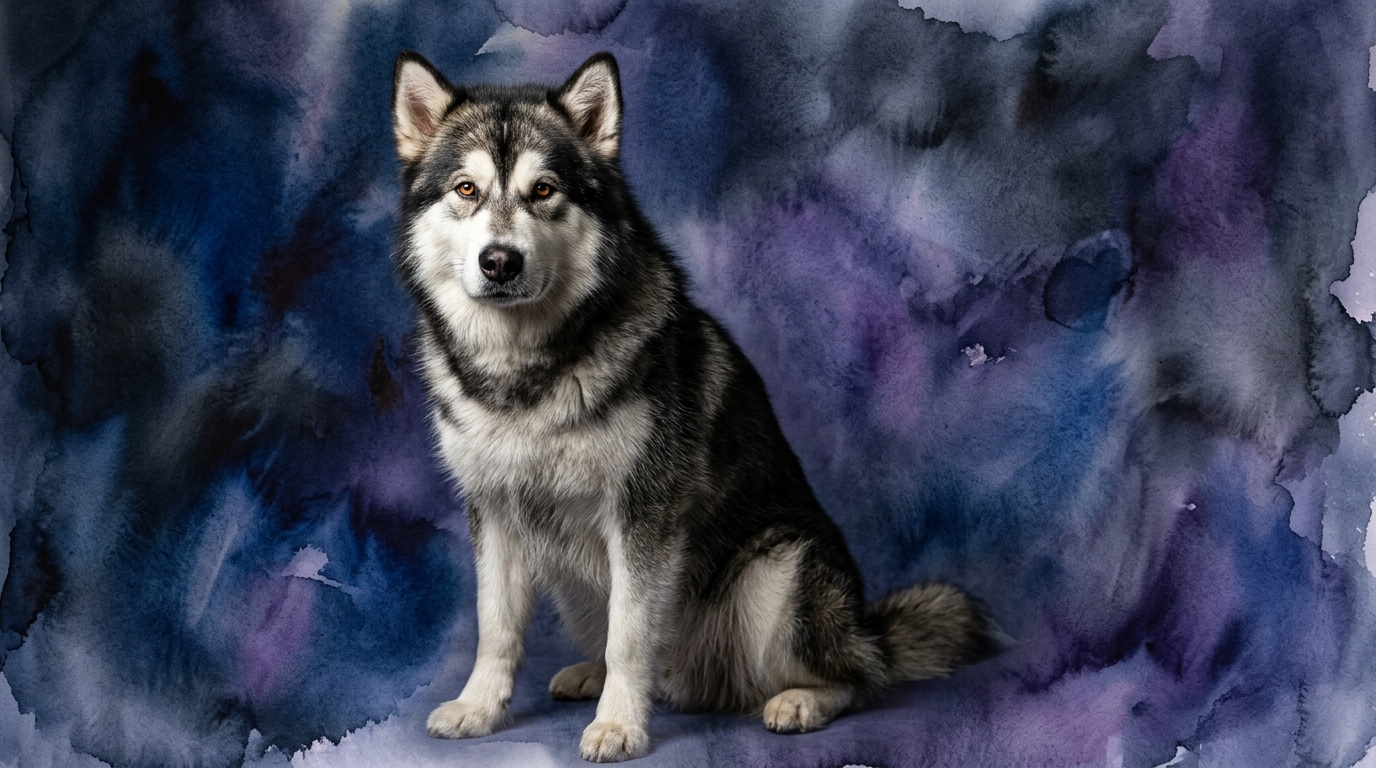
The Alaskan Malamute, a powerful Working breed ranked #50 by Coren, demonstrates a remarkable blend of independent thought and deep-seated instinct. Their Problem Solving is rated 4/5, indicating a strong capacity to figure out how to achieve desired outcomes, whether manipulating latches or strategically digging. Training Speed stands at 2/5, reflecting their independent nature and strong will that often requires significant repetition. Social Intelligence is 3/5, as they understand pack dynamics but are often guided by their own agenda. Their Instinctive Drive is an exceptional 5/5, encompassing powerful pulling, prey, and exploratory urges. Finally, their Memory is 4/5, allowing them to retain strategies and experiences over long periods.
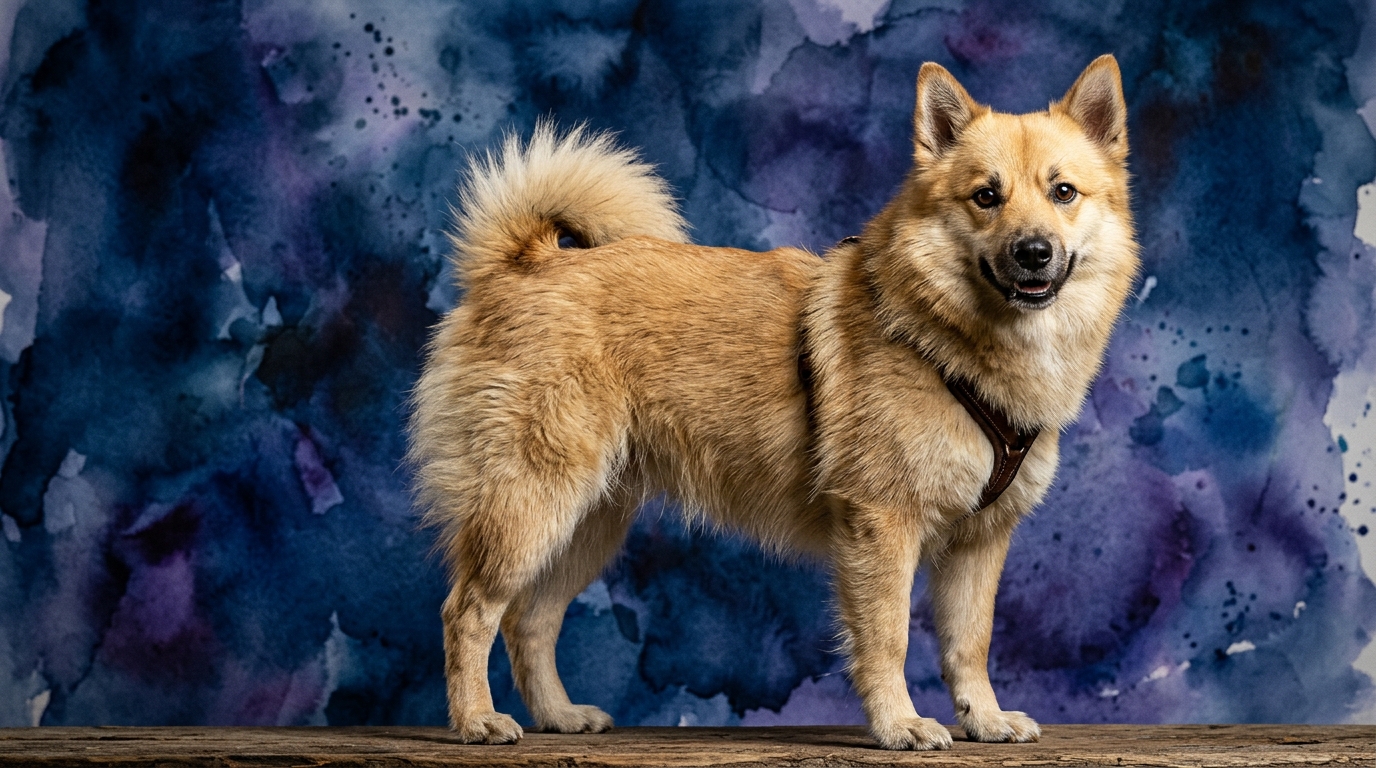
The Norwegian Buhund, a spirited Herding breed not typically included in Coren rankings, exhibits a different set of cognitive strengths attuned to cooperative work. Their Problem Solving is 3/5, showing practical aptitude for navigating environments but often seeking human guidance for complex puzzles. Training Speed is 3/5, reflecting a moderate pace and an eagerness to engage in learning when motivated. Social Intelligence also scores 3/5, as they are attuned to family moods and cues, though reserved with strangers. Instinctive Drive is 3/5, centered on moderate herding behaviors and alertness. Their Memory is likewise 3/5, reliably retaining commands and routines with regular reinforcement.
Where the Alaskan Malamute Wins Cognitively
The Alaskan Malamute's cognitive edge lies in its profound capacity for independent problem-solving and strategic memory. Their 4/5 problem-solving score reflects an inherent ability to assess situations, devise solutions without constant human intervention, and execute complex plans—skills honed for autonomous survival in challenging environments. This is coupled with a 4/5 memory for strategies, allowing them to recall and refine methods for achieving their goals, whether it's escaping an enclosure or finding hidden resources. Their exceptional instinctive drive (5/5) also means they possess a deep, intrinsic motivation to perform tasks like pulling, which, while challenging to redirect, represents a powerful, focused cognitive energy for specific, self-directed work.
Where the Norwegian Buhund Wins Cognitively
The Norwegian Buhund shines in areas emphasizing cooperative learning and social responsiveness, particularly in a structured family environment. While their problem-solving and memory are solid (both 3/5), their strength lies in their moderate training speed (3/5) combined with an eagerness to engage with their human companions. They are generally more adaptable to human-directed tasks and less likely to challenge authority compared to the independent Malamute. Their social intelligence (3/5) is geared towards family integration and communication, making them attuned to their owners' needs and more inclined to follow cues, which translates into a more fluid learning experience for many domestic settings.
Training Dynamics: Which is Easier to Train and Why?
The Norwegian Buhund is generally easier to train for the average owner compared to the Alaskan Malamute. The Buhund's moderate training speed (3/5) and innate desire to work collaboratively mean they are often more receptive to cues and less prone to stubbornness. They find enjoyment in engaging with their owners during training, responding well to positive reinforcement and varied exercises. Their instinctive drives (3/5) are present but typically manageable within a consistent training framework.
In contrast, the Malamute's lower training speed (2/5) stems from their profound independence and strong will. Their powerful instinctive drives (5/5), such as pulling, hunting, and digging, often override a desire for immediate compliance, requiring immense patience, unwavering consistency, and creative motivation to shape behaviors. Training a Malamute is less about quick obedience and more about building a respectful partnership based on mutual understanding and clear boundaries, acknowledging their strong drive to make their own decisions.
Matching Breeds to Lifestyles: Active vs. Engaged Owners
Alaskan Malamutes are unequivocally suited for highly active owners who thrive on outdoor adventures and can commit to consistent mental and physical stimulation. Their immense physical stamina and powerful instinctive drives (5/5) demand extensive engagement, such as sledding, skijoring, long hikes, or challenging scent work. A truly relaxed owner would quickly find themselves overwhelmed by a Malamute's independent nature and need for purpose; they require an owner who understands and can channel their intense drives and problem-solving abilities effectively.
Norwegian Buhunds also require active owners, but their activity needs are more versatile. They excel in dog sports like agility, herding trials, or competitive obedience, and enjoy regular long walks or hikes. While they need significant daily exercise and mental engagement, their moderate instinctive drives (3/5) and training speed (3/5) make them slightly more adaptable to an owner whose activity levels might vary, though they are certainly not a breed for a sedentary lifestyle. They thrive on being involved in family activities and appreciate varied mental tasks.
The Verdict
Choose the Alaskan Malamute if you are an experienced, highly active owner seeking a powerful, independent companion for demanding outdoor pursuits and are prepared for a lifelong commitment to consistent, patient training.
Opt for the Norwegian Buhund if you are an active, engaged owner looking for a cooperative, versatile partner for dog sports and family life, who will thrive with consistent positive reinforcement and mental challenges.
🧠 Find Your Pet's IQ Score
Our Pet IQ Lab assessment covers 25+ tests across 5 cognitive dimensions — personalized to your breed.
Take the Full IQ Test →Frequently Asked Questions
How do their problem-solving abilities differ in daily life?
A Malamute (4/5) might independently figure out how to open a gate or strategically counter-surf, demonstrating resourceful, self-initiated solutions. A Buhund (3/5) is more likely to seek human help or try a few direct approaches before giving up or looking for guidance when faced with a complex puzzle.
Which breed is more prone to destructive behaviors if not adequately stimulated?
The Alaskan Malamute, with its intense instinctive drives (5/5) and powerful physical needs, is generally more prone to destructive behaviors like digging, chewing, or escaping if under-stimulated. The Norwegian Buhund (3/5 instinctive drive) will also become restless and potentially vocal if bored, but usually to a less destructive degree, often preferring to alert bark or 'herd' rather than destroy.
Does the Coren ranking matter for this comparison?
The Coren ranking (Malamute #50, Buhund unranked) primarily assesses obedience and working intelligence, which aligns with training speed and biddability. While useful, our Pet IQ Lab's five-dimensional profile offers a more nuanced view, highlighting specific cognitive strengths beyond just trainability, such as the Malamute's superior problem-solving and memory, which are crucial for their work.