Side-by-Side IQ Profile: Malamute vs. Toller
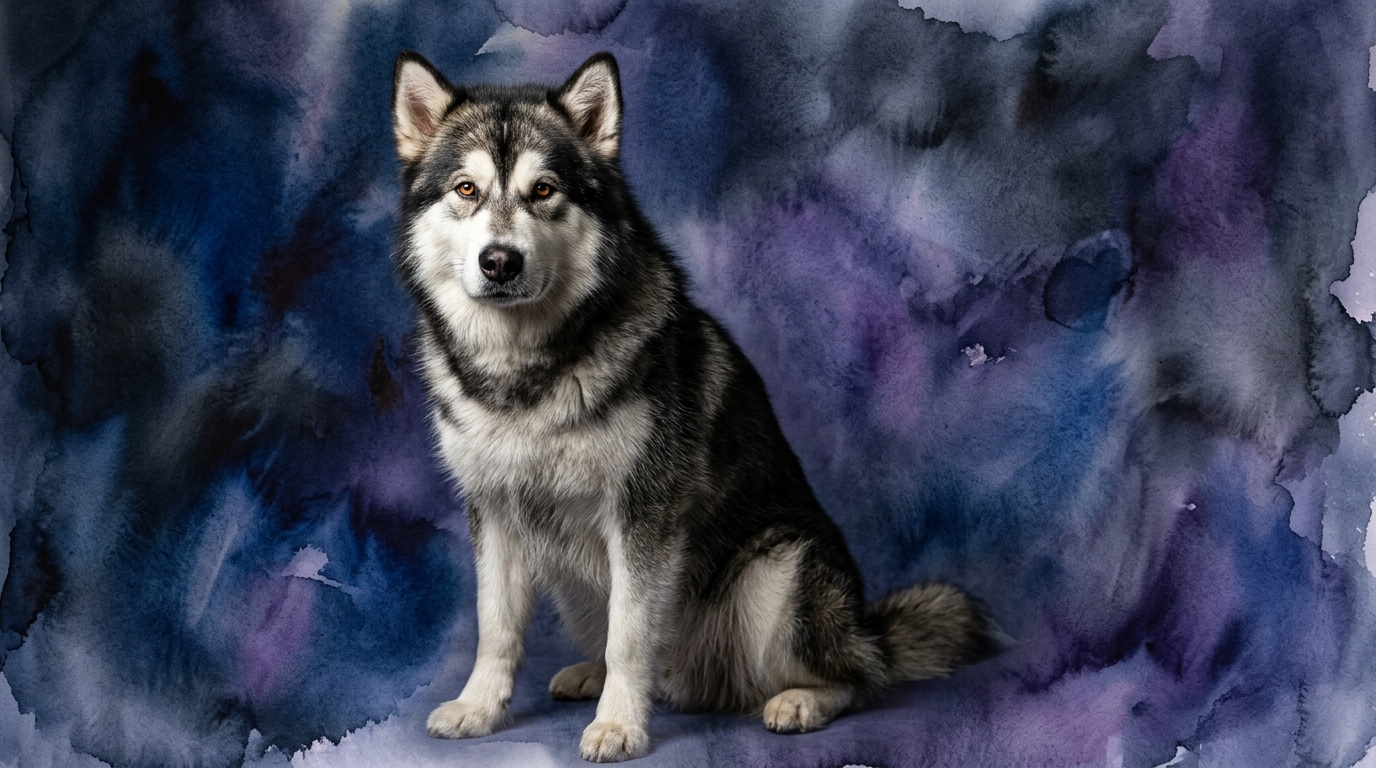
The Cosmic Pet Pet IQ Lab employs a five-dimensional framework to assess canine intelligence, providing a nuanced understanding beyond simple obedience. For the Alaskan Malamute, a dog from the Working Group, we observe a distinct cognitive blueprint. Their Problem Solving is rated at 4/5, reflecting their capacity for independent thought and resourcefulness in challenging environments. Training Speed stands at 2/5, indicating a strong-willed nature that requires patience and consistent effort. Social Intelligence is 3/5, suggesting a discerning approach to interactions, often prioritizing their established pack. Instinctive Drive, a formidable 5/5, highlights their powerful urge to pull, hunt, and endure. Finally, their Memory is strong at 4/5, enabling them to recall complex routines and learn from past experiences.
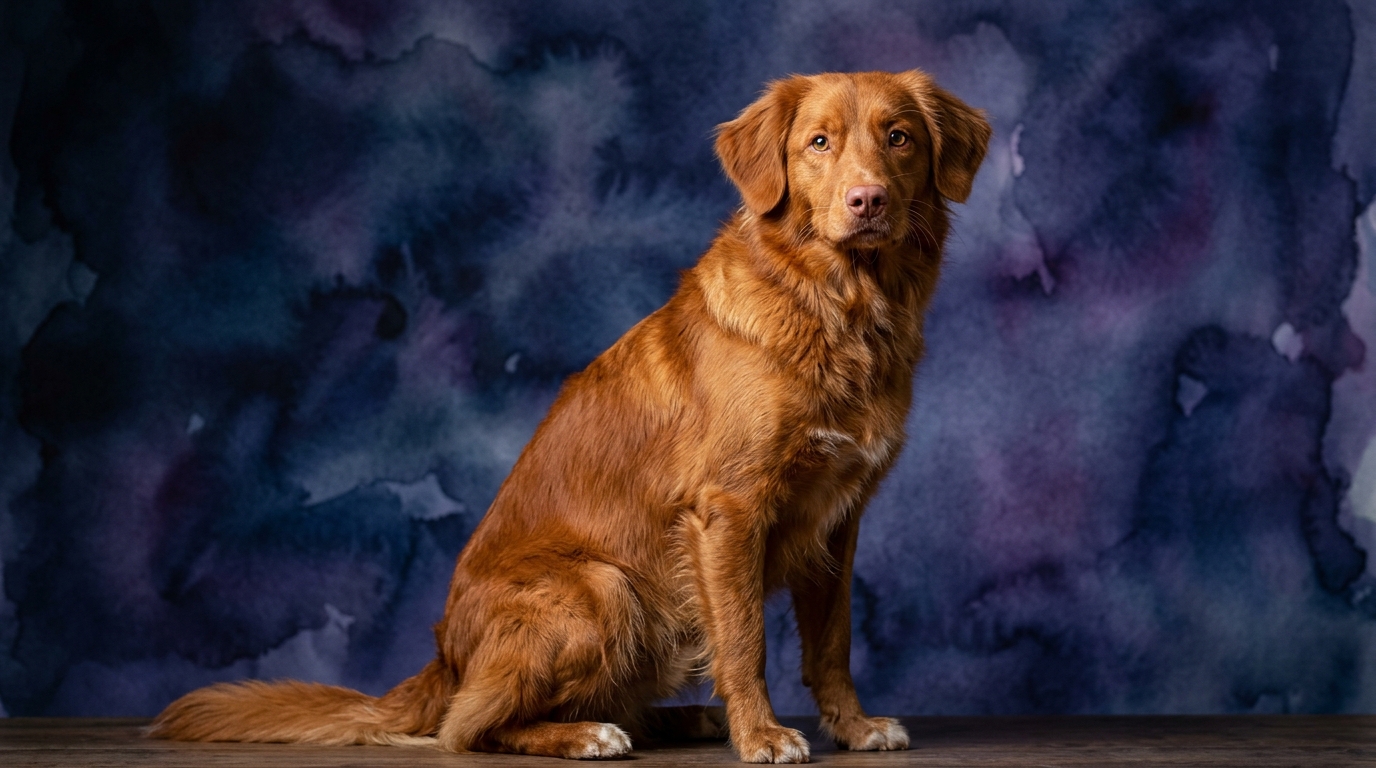
In contrast, the Nova Scotia Duck Tolling Retriever, a member of the Sporting Group, presents a balanced yet distinct cognitive profile. Their Problem Solving is rated 3/5, showcasing a practical, task-oriented approach to challenges. Training Speed is 3/5, suggesting a moderate responsiveness and eagerness to engage in learning, though they can be prone to distraction. Social Intelligence also scores 3/5, indicating a generally friendly and adaptable nature within their family unit and social circles. Their Instinctive Drive is 3/5, primarily focused on retrieving and exhibiting a moderate prey drive. Memory is 3/5, meaning they are capable of learning and retaining tasks, but might benefit from regular reinforcement to keep skills sharp.
Where the Alaskan Malamute Wins Cognitively
The Alaskan Malamute’s cognitive strengths are deeply rooted in their heritage as Arctic sled dogs, requiring immense independence and ingenuity for survival. Their 4/5 rating in Problem Solving reflects a breed capable of making critical decisions autonomously, such as navigating through changing snow conditions or finding food sources when left to their own devices. This isn't about solving puzzles for treats, but about practical, real-world resourcefulness. For instance, a Malamute might figure out how to open a complex gate to access a perceived need, demonstrating a higher degree of self-directed ingenuity than many other breeds. This strong problem-solving ability, coupled with a 5/5 Instinctive Drive, means they possess an unparalleled drive for sustained physical activity and a deep-seated desire to work, often pulling or carrying items. They remember complex routes and tasks, making them exceptional partners for specific, demanding outdoor pursuits where endurance and recall are paramount.
Their 4/5 Memory score means they retain information about their environment and routines effectively, remembering past training sessions or experiences with remarkable clarity. While this can sometimes contribute to their perceived stubbornness if they recall an undesirable outcome, it also means they can master complex, multi-step tasks over time, particularly those that align with their natural drives. A Malamute learns the lay of the land, the habits of local wildlife, and the intricacies of their human's schedule with a robust and lasting recall, making them incredibly aware and adaptable within their established territory.
Where the Nova Scotia Duck Tolling Retriever Wins Cognitively
The Nova Scotia Duck Tolling Retriever shines with a balanced and adaptable cognitive profile, particularly excelling in areas that foster cooperative work and focused task execution. While their Problem Solving is rated 3/5, it's a practical, results-oriented intelligence, focused on achieving a specific goal, such as retrieving a thrown object or navigating an agility course efficiently. Unlike the Malamute's independent problem-solving for survival, the Toller's cognitive strength lies in understanding and executing human-directed tasks with enthusiasm. Their 3/5 Training Speed, while not exceptionally fast, indicates a readiness to learn and a desire to engage, making them responsive to positive reinforcement and consistent methods.
The Toller's balanced scores across the board — 3/5 in Problem Solving, Training Speed, Social Intelligence, Instinctive Drive, and Memory — signify a versatile intellect. This equilibrium makes them highly adaptable to various roles beyond their original retrieving purpose, often excelling in dog sports like agility, obedience, and flyball. Their instinctive drive, while not as overwhelming as the Malamute's, is perfectly tuned for their namesake task: enticing and retrieving waterfowl. This focused drive, combined with a trainable nature, allows them to be more easily directed and controlled in tasks that require precision and follow-through, making them exceptionally capable partners in structured activities.
Which is Easier to Train and Why?
When it comes to ease of training, the Nova Scotia Duck Tolling Retriever generally presents a more straightforward path for the average owner compared to the Alaskan Malamute. The Toller's Training Speed of 3/5, coupled with a Social Intelligence of 3/5, means they are typically eager to please their human companions and receptive to instruction. They thrive on positive reinforcement and enjoy the mental engagement that training provides. While they can be distracted, their innate desire to work cooperatively and their focused retrieving drive makes them responsive to cues and capable of learning a wide array of commands and tricks with consistency. Their behavioral differences manifest in a keen attentiveness during sessions and a willingness to repeat tasks for reward.
The Alaskan Malamute, with its Training Speed of 2/5 and a formidable Instinctive Drive of 5/5, presents a more significant training challenge. These dogs were bred for endurance and independent decision-making in harsh environments, not necessarily for eager obedience. Their independence can be perceived as stubbornness; a Malamute might understand a command perfectly but choose not to execute it if they don't see the immediate benefit or if their strong drives (like a scent trail or the urge to pull) take precedence. Real behavioral differences include their tendency to test boundaries and their need for a handler who understands their working dog mentality, employing motivation that appeals to their inherent drives rather than expecting compliant eagerness. Training a Malamute requires immense patience, creativity, and a deep understanding of their unique motivations.
Which Suits Active Owners vs. Relaxed Owners?
The Alaskan Malamute is unequivocally suited for highly active owners who embrace an adventurous lifestyle and understand the demands of a working breed. Their 5/5 Instinctive Drive means they require substantial physical exercise, often needing hours of vigorous activity daily, whether it's long hikes, sledding, or pulling weights. Beyond physical exertion, their 4/5 Problem Solving and 4/5 Memory necessitate consistent mental engagement to prevent boredom, which can lead to destructive behaviors. A relaxed owner will quickly find themselves overwhelmed by a Malamute's energy and independent nature, as these dogs thrive when given a 'job' and ample opportunity to explore and use their robust physical and mental capabilities. They are not content to be couch potatoes.
The Nova Scotia Duck Tolling Retriever also requires an active owner, but perhaps one whose activity is more structured and focused on specific tasks or dog sports rather than sheer endurance. Their 3/5 Instinctive Drive is strong for retrieving and requires regular outlets like fetch, swimming, or agility. While they need daily exercise to stay content and healthy, they are generally more capable of settling down indoors after a good workout than a Malamute. A Toller suits an owner who enjoys training, participates in dog sports, or has a lifestyle that incorporates regular, engaging physical and mental activities. While they are not for truly 'relaxed' owners in the sense of minimal effort, they offer a more balanced energy level that can adapt to a wider range of active households compared to the unrelenting drive of a Malamute.
The Verdict
Choose the Alaskan Malamute if you are an experienced, highly active owner seeking a powerful, independent, and enduring companion for demanding outdoor adventures and appreciate a dog with a strong will and deep problem-solving abilities. Be prepared for significant training commitment and consistent mental and physical stimulation.
Opt for the Nova Scotia Duck Tolling Retriever if you are an active owner who enjoys cooperative training, dog sports, and a versatile companion with a balanced drive and eager-to-please nature. They are a good fit for those who can provide consistent engagement and appreciate a dog that is both energetic outdoors and settled indoors.
🧠 Find Your Pet's IQ Score
Our Pet IQ Lab assessment covers 25+ tests across 5 cognitive dimensions — personalized to your breed.
Take the Full IQ Test →Frequently Asked Questions
Are Alaskan Malamutes difficult to train?
Alaskan Malamutes can be challenging to train due to their strong independent nature and lower training speed score (2/5). They require consistent, patient, and creative training methods that appeal to their instinctive drives, often needing an owner who understands their working dog mentality and is prepared for their potential stubbornness.
Do Nova Scotia Duck Tolling Retrievers have a high prey drive?
Nova Scotia Duck Tolling Retrievers have a moderate instinctive drive (3/5), which includes a focused prey drive geared towards retrieving waterfowl. While they are less intensely driven than some hunting breeds, their natural inclination to chase and retrieve means they benefit from secure environments and consistent recall training.
Which breed is better for first-time dog owners?
The Nova Scotia Duck Tolling Retriever is generally a more suitable choice for first-time dog owners due to their more balanced temperament and higher training speed. The Alaskan Malamute's strong independence, high energy, and demanding training requirements make them better suited for experienced owners familiar with working breeds.