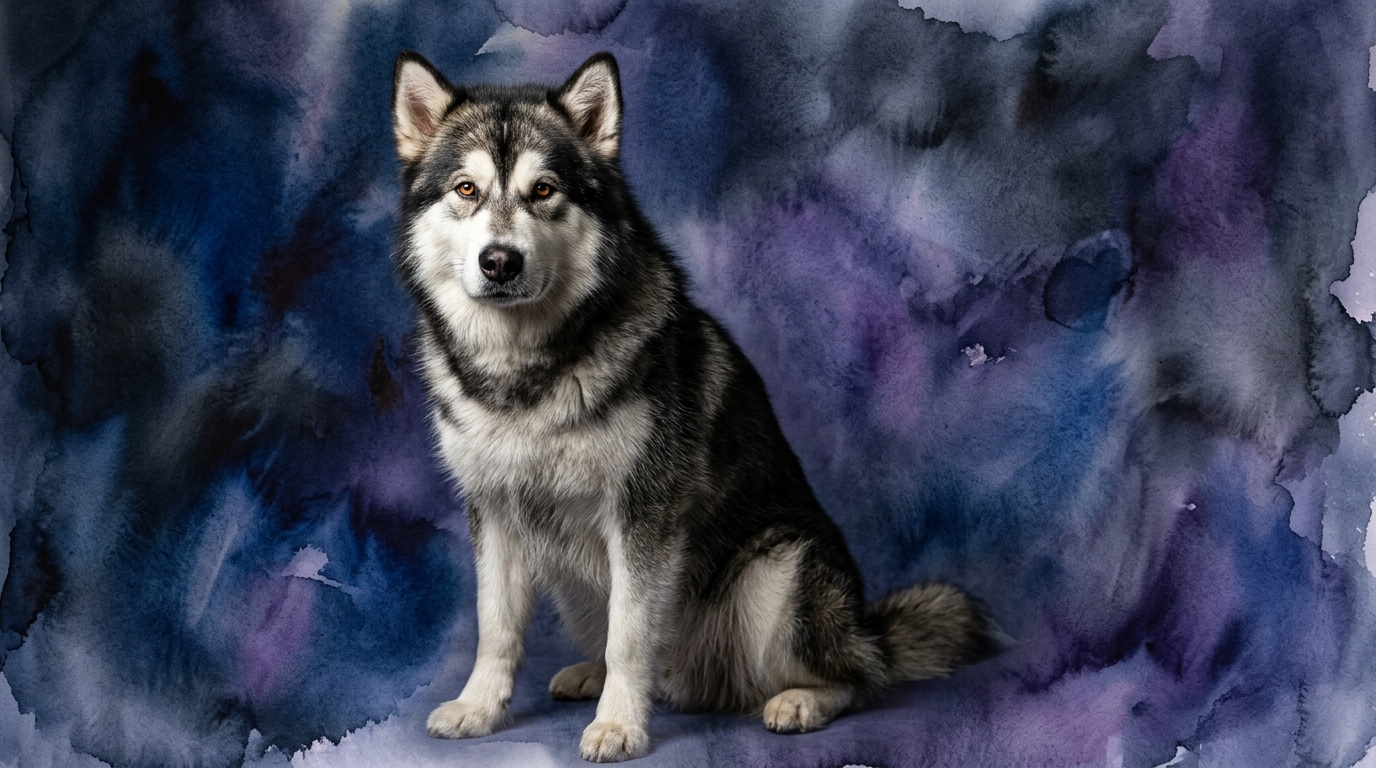
Side-by-Side IQ Profile: Alaskan Malamute
The Alaskan Malamute, a powerful breed rooted in the Working Group and ranked #50 by Coren for working and obedience intelligence, demonstrates a unique cognitive blueprint. Their Problem Solving score of 4/5 indicates a capacity for complex thought and finding solutions to environmental challenges, often reflecting their historical role in demanding tasks.
However, this breed presents a Training Speed of 2/5, suggesting a more deliberate learning pace and a strong independent streak that can make conventional obedience training a prolonged endeavor. Their Social Intelligence stands at 3/5, indicating an adequate ability to interpret and respond to social cues, while their Instinctive Drive is a formidable 5/5, reflecting a powerful innate motivation for tasks like pulling, digging, or tracking. Finally, a Memory score of 4/5 suggests they retain learned behaviors and experiences with considerable reliability.
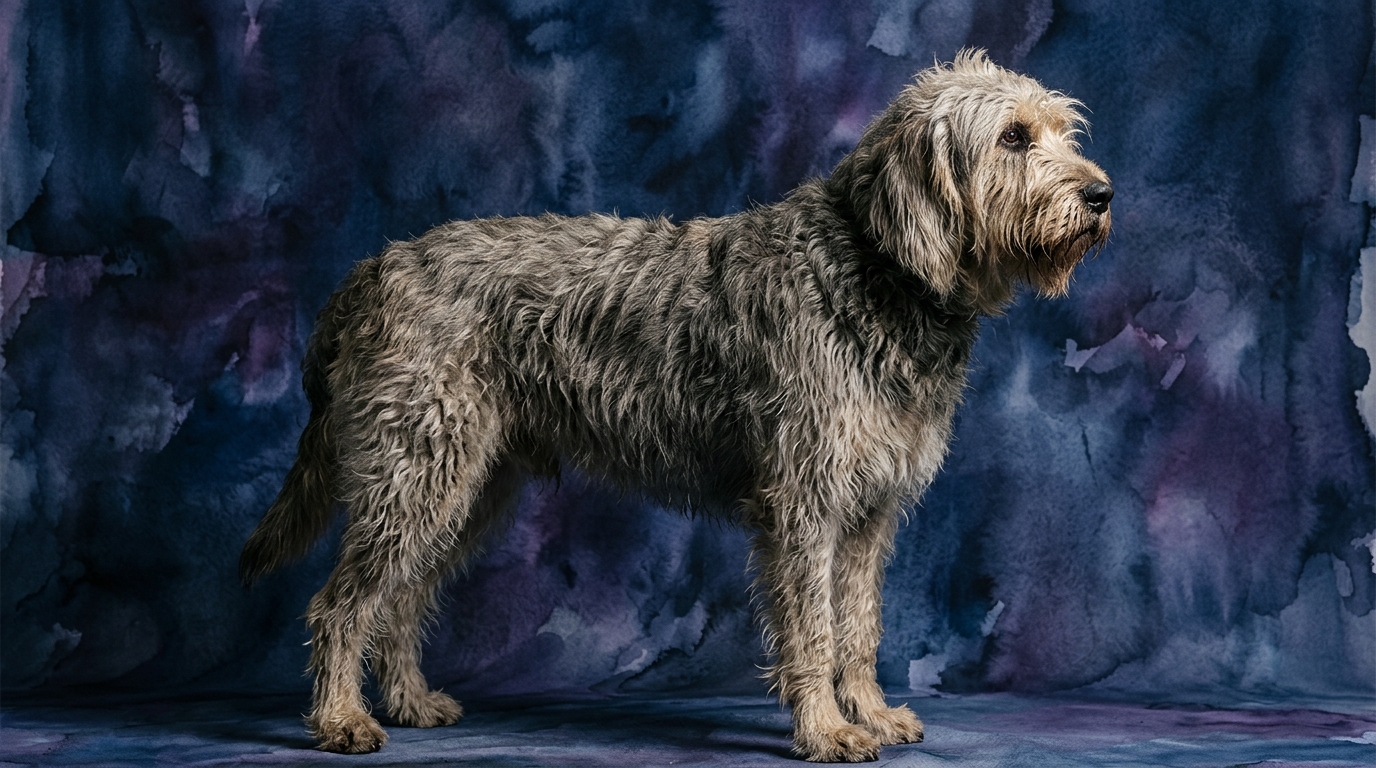
Side-by-Side IQ Profile: Otterhound
The Otterhound, a breed from the Hound Group and not specifically ranked by Coren, offers a more uniformly balanced cognitive profile. Their Problem Solving ability is rated at 3/5, indicating a moderate capacity for navigating novel situations and figuring out solutions, often relying on their keen senses rather than abstract reasoning.
With a Training Speed of 3/5, Otterhounds learn at a moderate pace, exhibiting a typical hound-like independence that requires patience and consistent motivation. Their Social Intelligence is also 3/5, suggesting they interact capably within their social structure, understanding human and canine cues without extreme sensitivity or detachment. An Instinctive Drive of 3/5 points to a focused, but not overwhelming, innate desire for scent work and exploration, while their Memory score of 3/5 means they possess a reliable, though not exceptional, recall for past events and training.
Where the Alaskan Malamute Wins Cognitively
The Alaskan Malamute clearly edges out the Otterhound in specific cognitive domains, particularly in raw problem-solving capacity and the intensity of their intrinsic motivations. Their 4/5 Problem Solving score means they are adept at strategizing around obstacles, whether it's figuring out how to open a gate or navigating complex terrain. This isn't just about brute force; it's about understanding spatial relationships and cause-and-effect.
Furthermore, the Malamute's 5/5 Instinctive Drive is a profound cognitive strength when channeled appropriately. This intense internal motivation fuels their endurance and persistence in tasks, making them formidable partners for activities requiring sustained effort, such as sledding, backpacking, or even competitive weight pulling. Their 4/5 Memory also ensures that once they grasp a concept or a route, they are likely to retain it, an essential trait for working dogs.
Where the Otterhound Wins Cognitively
While the Otterhound may not boast the peak scores of the Malamute in individual categories, their cognitive advantage lies in their balanced and adaptable nature. With consistent 3/5 scores across Problem Solving, Training Speed, Social Intelligence, Instinctive Drive, and Memory, the Otterhound presents a more predictable and generally less extreme cognitive experience. This balance can be a significant benefit for owners seeking a companion whose cognitive demands are manageable and consistent.
Their moderate Instinctive Drive of 3/5 means they are driven by their senses for exploration and scent work, but this drive is typically less overwhelming than a Malamute's, making it easier to integrate into a typical household. This balanced profile suggests an even temperamental cognitive approach, less prone to the intense single-mindedness that can accompany higher scores in specific drives, allowing them to adapt smoothly to various family dynamics and routines without constant, specialized mental engagement.
Which is Easier to Train and Why
When considering ease of training, the Otterhound generally presents a more straightforward, though still independent, experience compared to the Alaskan Malamute. The Otterhound's Training Speed of 3/5 indicates they absorb new commands at a moderate pace. While they possess a typical hound independence, their Instinctive Drive of 3/5 is focused but not overwhelming, meaning that with consistent, positive reinforcement and an understanding of their scent-driven nature, they can be guided effectively. Their motivation often lies in the joy of the chase or the reward of a discovered scent.
The Alaskan Malamute, conversely, presents a greater challenge in formal training. Their Training Speed of 2/5 signals a slower uptake of commands, compounded by their exceptionally high Instinctive Drive of 5/5. This drive often manifests as a powerful independent will, focused on their own perceived priorities rather than human directives. Malamutes are thinkers who often question the necessity of a command, and their stubbornness is a direct reflection of their cognitive self-reliance. Training a Malamute requires immense patience, creativity, and a deep understanding of their innate motivations, often leveraging their problem-solving skills to make training a collaborative puzzle rather than rote obedience.
Which Suits Active Owners vs. Relaxed Owners
For owners with a highly active lifestyle and a desire for a canine partner in demanding pursuits, the Alaskan Malamute is often the more fitting choice. Their 5/5 Instinctive Drive coupled with 4/5 Problem Solving means they thrive on physically and mentally challenging activities. These dogs are built for endurance and purpose; they require consistent outlets for their drive, whether it's long hikes, sledding, or engaging in complex puzzle toys that tax their ingenuity. An owner who can provide structured work and extensive outdoor time will find a Malamute a deeply rewarding companion, but a relaxed owner will quickly find themselves overwhelmed by the Malamute's unfulfilled cognitive and physical needs.
The Otterhound, with its balanced 3/5 scores across the board, suits an owner who is active but perhaps not seeking the intensity of a working dog. They require regular exercise and mental engagement, particularly activities that allow them to utilize their impressive nose, like scent games or long walks in varied environments. While they enjoy outdoor adventures, their needs are typically less extreme than a Malamute's, making them adaptable to a range of active family environments. A moderately active owner who enjoys consistent, engaging walks and mental stimulation without the need for constant, high-intensity work would find the Otterhound a suitable and affectionate companion. A truly relaxed, sedentary owner might still find their moderate energy and drive a bit much, but it’s certainly more manageable than a Malamute.
The Verdict
Choose the Alaskan Malamute if you are an experienced, active owner prepared to consistently channel a powerful, independent intellect and immense physical drive into purposeful activities. Their deep problem-solving abilities and strong memory make them formidable partners for demanding endeavors.
Opt for the Otterhound if you appreciate a balanced, moderately driven companion who offers predictable cognitive demands and a charming, independent spirit, perfect for an active family willing to engage their keen sense of smell and provide regular, varied exercise.
🧠 Find Your Pet's IQ Score
Our Pet IQ Lab assessment covers 25+ tests across 5 cognitive dimensions — personalized to your breed.
Take the Full IQ Test →Frequently Asked Questions
Do Alaskan Malamutes get bored easily?
Yes, their high Problem Solving (4/5) and Instinctive Drive (5/5) mean Alaskan Malamutes require significant mental stimulation and physical activity to prevent boredom. Without adequate engagement, they may develop destructive behaviors as they find their own 'work'.
Are Otterhounds good for first-time dog owners?
Otterhounds can be suitable for dedicated first-time owners who are prepared for a moderately independent hound. Their balanced cognitive profile (3/5 across most metrics) means they aren't overly challenging, but their scent drive requires consistent, positive training and secure environments.
Which breed is more adaptable to different living situations?
The Otterhound, with its balanced cognitive scores and moderate instinctive drive, is generally more adaptable to various living situations, provided their exercise and scent-work needs are met. The Alaskan Malamute's intense drive and problem-solving skills require a more specific, demanding environment to thrive.