Side-by-Side Cognitive Profiles
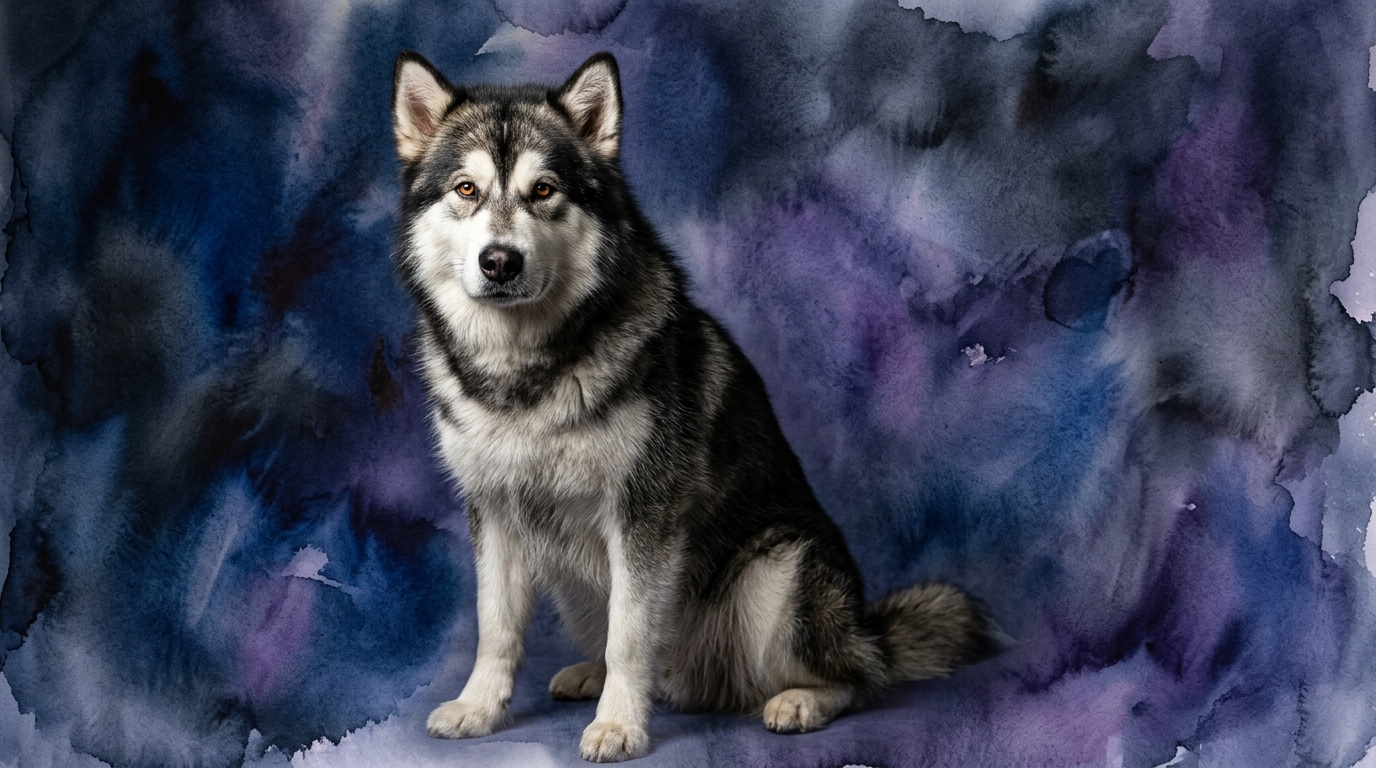
The Cosmic Pet Pet IQ Lab employs a five-dimensional framework to assess canine cognition, providing a nuanced look beyond simple obedience. For the Alaskan Malamute, a working breed ranked #50 by Coren, its profile shows remarkable capabilities: Problem Solving 4/5, Training Speed 2/5, Social Intelligence 3/5, Instinctive Drive 5/5, and Memory 4/5. This paints a picture of a clever, independent thinker with immense natural impetus.
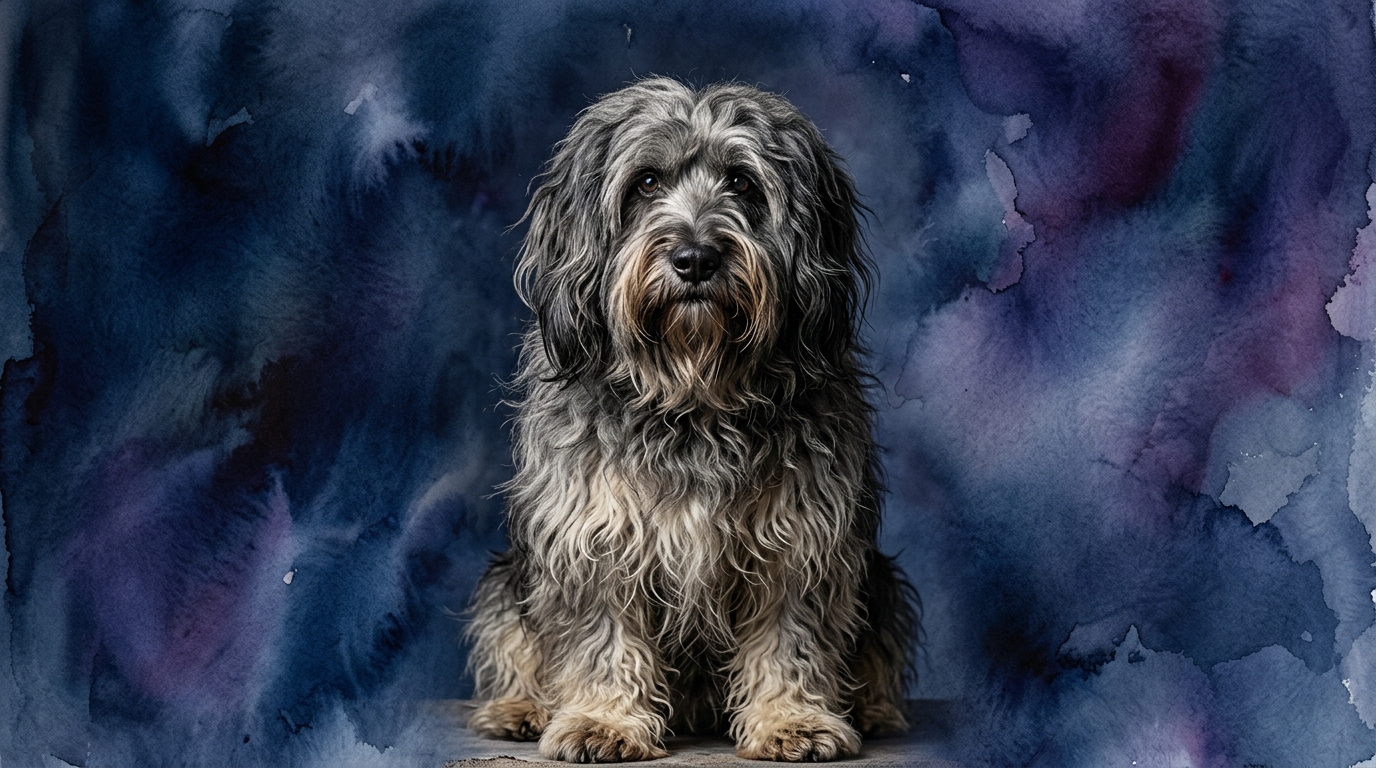
In contrast, the Polish Lowland Sheepdog, a herding breed without a specific Coren rank, presents a more balanced, albeit generally moderate, cognitive blueprint: Problem Solving 3/5, Training Speed 3/5, Social Intelligence 3/5, Instinctive Drive 3/5, and Memory 3/5. These scores suggest an adaptable dog, capable but perhaps less inclined towards extreme independence or overwhelming natural urges compared to its Malamute counterpart.
Problem Solving assesses a dog's ability to figure out novel situations or overcome obstacles independently. The Malamute's 4/5 indicates a high capacity for independent thought, which can manifest as cleverness or, at times, stubborn ingenuity. The Polish Lowland Sheepdog's 3/5 suggests a solid ability to learn and adapt, but perhaps with less inclination to 'hack' a situation without guidance.
Training Speed reflects how quickly a dog grasps new commands and behaviors. A Malamute's 2/5 score suggests a deliberate learning pace, often influenced by their strong will and independent nature. The Polish Lowland Sheepdog, with a 3/5, demonstrates a more readily trainable disposition, typically responding well to consistent, positive instruction.
Social Intelligence gauges a dog's capacity to understand human cues, social structures, and interact appropriately within a group. Both breeds score 3/5 here, indicating a similar level of aptitude for reading and responding to their social environment. They are generally capable of forming strong bonds and understanding their place within a family unit.
Instinctive Drive measures the strength of natural, inherent behaviors like chasing, herding, or guarding. The Malamute's impressive 5/5 in this category underscores its powerful genetic predisposition for endurance, pulling, and independent expedition. The Polish Lowland Sheepdog's 3/5 reflects a moderate but present herding drive, which can be channeled into various activities but isn't as all-consuming as the Malamute's inherent urges.
Memory refers to a dog's ability to retain information, including commands, routes, and experiences. The Malamute's 4/5 score highlights its excellent recall for important details, which can be a boon for experienced handlers. The Polish Lowland Sheepdog's 3/5 suggests a reliable memory, sufficient for everyday commands and routines, but perhaps less prone to recalling every minute detail of a journey or past event.
Where the Alaskan Malamute Excels Cognitively
The Alaskan Malamute shines in areas demanding independent thought and sustained effort, particularly in problem-solving and instinctive drive. Their 4/5 problem-solving score means they possess a remarkable ability to assess situations and devise solutions, whether it's figuring out how to open a gate or navigate a complex trail. This cognitive strength, coupled with their 4/5 memory, allows them to recall successful strategies and apply them in future scenarios.
Furthermore, their 5/5 instinctive drive is a testament to their heritage as powerful sled dogs. This isn't just physical endurance; it's a cognitive commitment to a task, a deep-seated desire to move forward and perform work. Owners often observe this as a relentless determination when pursuing a goal or an incredible stamina during activities, reflecting a mind geared for sustained, purposeful action. This drive, combined with their memory, makes them adept at remembering complex routes and working independently in challenging environments.
Where the Polish Lowland Sheepdog Excels Cognitively
The Polish Lowland Sheepdog, while not possessing the extreme scores of the Malamute in specific areas, offers a balanced cognitive profile that provides distinct advantages. Their 3/5 training speed, higher than the Malamute's, indicates a greater willingness and capacity to absorb new commands and routines efficiently. This makes them more responsive to structured learning environments and handler guidance.
Their moderate 3/5 instinctive drive, compared to the Malamute's overwhelming 5/5, means their natural urges are more manageable and less likely to override training or owner requests. This allows their social intelligence (3/5) to operate more effectively, as they are often more attuned to human direction rather than being singularly focused on an independent task. This balance makes them adaptable companions, capable of engaging in various activities without being singularly driven by an intense, specific instinct.
Which Is Easier to Train and Why?
Based on their cognitive profiles, the Polish Lowland Sheepdog is generally easier to train than the Alaskan Malamute. The Polish Lowland Sheepdog's 3/5 training speed signifies a more receptive and cooperative learner. Their herding background means they are often predisposed to working in partnership with a handler, responding to cues and direction rather than forging their own path. This is reflected in their moderate instinctive drive, which is present but typically doesn't overshadow their desire to please or engage with their human companions.
In contrast, the Alaskan Malamute's 2/5 training speed is a direct consequence of their deeply independent nature and formidable 5/5 instinctive drive. These dogs were bred to make decisions in challenging environments and pull heavy loads for long distances, often without direct human supervision. This translates into a strong-willed personality that requires exceptionally patient, consistent, and engaging training methods. They are perfectly capable of learning, as evidenced by their problem-solving and memory scores, but their motivation to comply must often be cultivated through understanding their intrinsic drives and making training a rewarding, stimulating collaboration rather than a simple command-and-response exercise. They may understand a command but choose not to execute it if they perceive a better alternative or lack sufficient motivation.
Owner Suitability: Active vs. Relaxed Lifestyles
For owners with an active lifestyle, particularly those who enjoy strenuous outdoor activities, the Alaskan Malamute is an ideal match. Their 5/5 instinctive drive for endurance and work, coupled with their 4/5 problem-solving ability, means they thrive on challenges like hiking, backpacking, or even competitive dog sports that demand physical and mental stamina. These dogs require significant daily exercise and mental engagement to prevent boredom and channel their formidable energy constructively. An owner who can meet these demands will find a loyal, robust companion eager for adventure.
Conversely, owners seeking a more relaxed yet still engaged companion might find the Polish Lowland Sheepdog a better fit. While they certainly benefit from regular exercise and mental stimulation, their moderate 3/5 instinctive drive means their energy levels are generally less intense and more manageable than a Malamute's. Their balanced cognitive profile makes them adaptable to a variety of home environments, as long as they receive consistent attention, training, and opportunities for play. They are often content with daily walks, yard play, and indoor engagement, making them suitable for families who enjoy activity but don't necessarily embark on extreme outdoor expeditions every day.
The Verdict
Choose the Alaskan Malamute if you are an experienced, active owner ready to channel immense drive and independent problem-solving into structured adventures and consistent training.
Opt for the Polish Lowland Sheepdog if you seek a responsive, adaptable companion with a balanced temperament, amenable to training, and a moderate activity level for a family-oriented life.
🧠 Find Your Pet's IQ Score
Our Pet IQ Lab assessment covers 25+ tests across 5 cognitive dimensions — personalized to your breed.
Take the Full IQ Test →Frequently Asked Questions
Are Alaskan Malamutes good with children?
Alaskan Malamutes can be good with children, especially if raised with them and properly socialized. Their powerful build and high energy mean supervision is always important, as they might inadvertently knock over a small child during play. Their strong prey drive also means they may not be suitable for homes with very small pets.
Do Polish Lowland Sheepdogs bark a lot?
Polish Lowland Sheepdogs can be prone to barking, a common trait among herding breeds, as they historically used their voice to manage livestock. They often bark to alert their owners to new arrivals, unfamiliar sounds, or to express excitement. Consistent training from a young age can help manage excessive barking.
What kind of mental stimulation do these breeds need?
Both breeds benefit from mental stimulation, but in different ways. Alaskan Malamutes thrive on problem-solving games, puzzle toys, and activities that challenge their independent thought and endurance, like scent work or advanced obedience. Polish Lowland Sheepdogs enjoy learning new tricks, agility, and interactive games that engage their herding instincts and desire to work with their owner, often appreciating tasks that give them a 'job' to do.