Side-by-Side IQ Profile: Malamute vs. Scottie
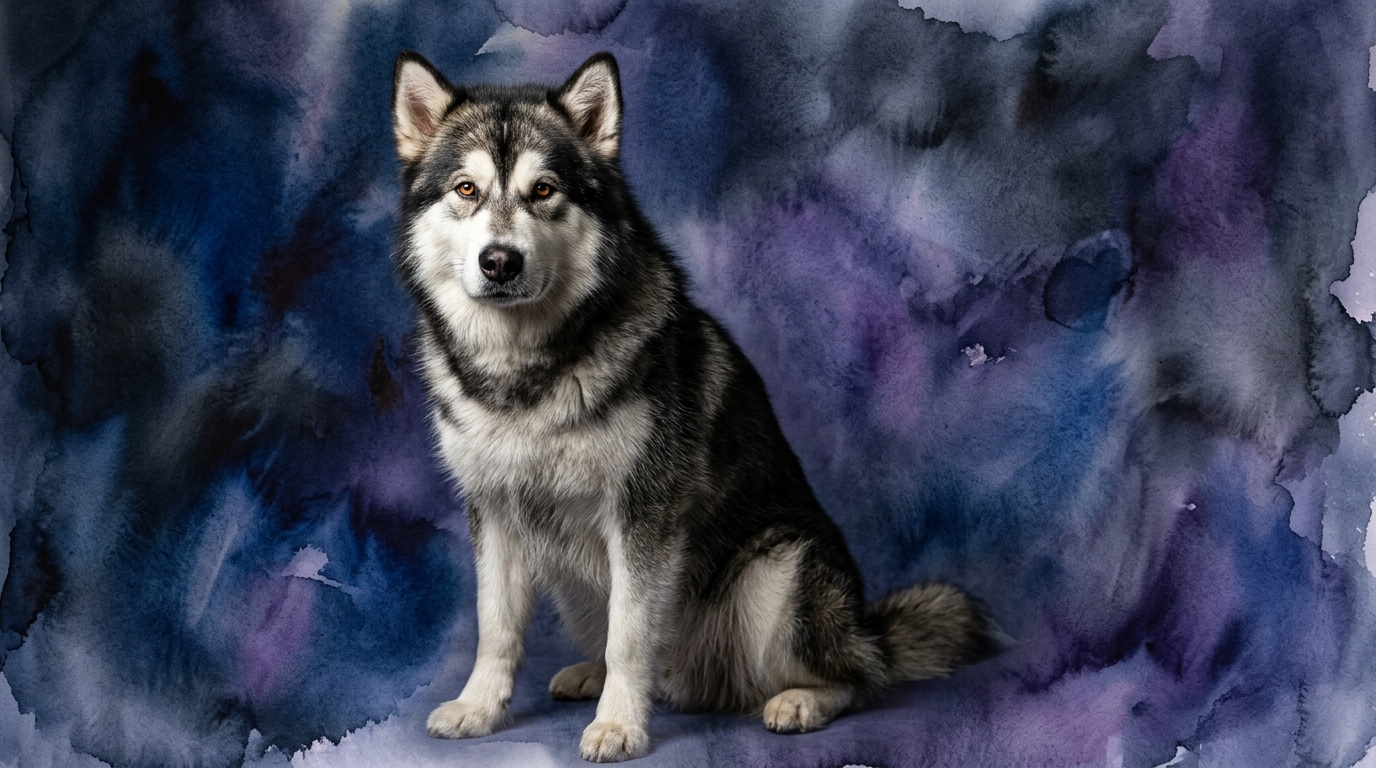
The Cosmic Pet Pet IQ Lab employs a comprehensive five-dimensional framework to assess canine intelligence, moving beyond simplistic notions to capture the nuanced mental capabilities of each breed. For the Alaskan Malamute, a magnificent dog of the Working Group, we observe a Coren rank of #50, reflecting a respectable capacity for learning and task execution, though often on their own terms. Their Problem Solving is rated at 4/5, indicating a strong aptitude for navigating complex situations and devising solutions, particularly those requiring physical effort or strategic resourcefulness. Training Speed, however, stands at 2/5, suggesting they can be deliberate in acquiring new commands, often prioritizing their own judgment over immediate compliance. Social Intelligence is 3/5; they understand pack dynamics and human family structures but are not typically effusive. Their Instinctive Drive is a profound 5/5, deeply rooted in their heritage for pulling and endurance, while Memory is strong at 4/5, enabling them to retain intricate routes and learned experiences.
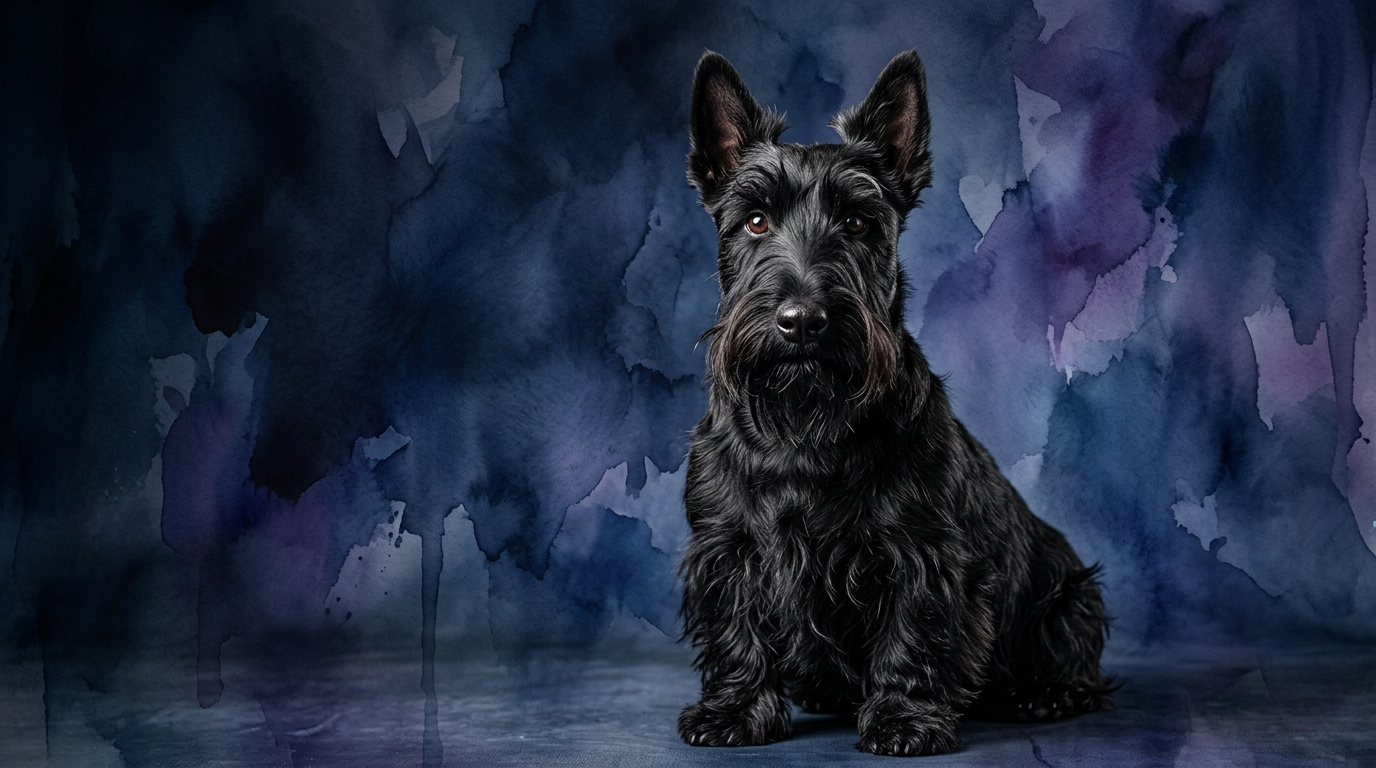
In contrast, the Scottish Terrier, a tenacious member of the Terrier Group, holds a Coren rank of #65, placing them in a category of solid, functional intelligence. Their Problem Solving is rated 3/5, demonstrating competence in practical challenges, especially those aligning with their historical role as vermin hunters, such as navigating tight spaces or persistent digging. Their Training Speed is 3/5, indicating a moderate pace for learning, though their independent spirit can sometimes be perceived as stubbornness, requiring engaging and varied training approaches. Social Intelligence mirrors the Malamute at 3/5; they are loyal to their families and understand their place but often maintain a reserved, less overtly demonstrative demeanor. Instinctive Drive is 3/5, manifesting as a keen prey drive and a propensity for guarding, distinct from the Malamute's physical working drives. Finally, their Memory is 3/5, allowing them to recall routines and familiar environments effectively.
Where the Alaskan Malamute Excels Cognitively
The Alaskan Malamute’s cognitive strengths are deeply intertwined with their heritage as arctic sled dogs, where survival depended on autonomous decision-making and enduring physical prowess. Their 4/5 Problem Solving score shines in scenarios demanding ingenuity and resilience against environmental challenges. For instance, a Malamute might instinctively find the most efficient path through deep snow or conserve energy during a long trek, decisions born from generations of navigating harsh terrains. This isn't about solving abstract puzzles, but rather practical, life-sustaining dilemmas where their physical and mental fortitude work in concert. Their exceptional 5/5 Instinctive Drive further fuels this, providing an unwavering motivation for tasks that align with their inherent purpose, whether it's pulling a sled, carrying a pack, or exploring vast outdoor spaces. This drive is not merely physical; it's a cognitive imperative to engage with their environment in a purposeful way, making them highly effective in roles requiring sustained effort and independent thought. Furthermore, their 4/5 Memory allows them to recall complex navigational patterns and learned survival strategies, crucial for dogs bred to traverse immense and often featureless landscapes.
Where the Scottish Terrier Shines Cognitively
The Scottish Terrier's cognitive advantages are rooted in their specific role as agile, determined hunters of small prey, requiring a distinct set of mental tools. While their Problem Solving is rated 3/5, this score speaks to a focused, tenacious approach to challenges, particularly those involving burrowing, tracking, or outsmarting small animals. Their intelligence is less about grand strategy and more about persistent, focused effort in a defined task. A Scottie might ingeniously work to extract a toy from a tight space or persistently 'dig' at a perceived scent, showcasing a different kind of problem-solving acumen. Crucially, where the Scottie truly distinguishes itself in this comparison is in its Training Speed, rated 3/5 compared to the Malamute's 2/5. While still possessing an independent streak, the Scottish Terrier generally demonstrates a slightly quicker uptake of new commands and a greater willingness to engage in structured learning sessions, provided the methods are engaging and positive. Their inherent curiosity and desire to interact, albeit on their own terms, can make them more receptive to varied training exercises, leading to a perceptibly faster learning curve for obedience and tricks.
Training Dynamics: Malamute vs. Scottie
When considering ease of training, the differences between these two breeds become quite pronounced, directly reflecting their IQ profiles. The Alaskan Malamute, with a Training Speed of 2/5, can present a significant challenge for novice owners. Their independence and strong will are not signs of a lack of understanding, but rather a reflection of their historical role where they were bred to make decisions autonomously, often miles from human direction. This means they might understand a command perfectly but choose not to execute it if it doesn't align with their perceived best interest or current motivation. Training a Malamute requires immense patience, consistency, and a deep understanding of their working dog mentality, focusing on positive reinforcement and making training a rewarding collaboration rather than a hierarchical demand. Behavioral differences like their strong prey drive and tendency to 'tune out' if bored necessitate creative and stimulating training environments.
The Scottish Terrier, with a Training Speed of 3/5, offers a slightly more amenable training experience, though they are by no means pushovers. Their terrier tenacity and self-assured nature mean they can also be stubborn, but they often respond more readily to engaging, reward-based training. Unlike the Malamute's bred-in need for independent decision-making in survival scenarios, the Scottie's independence often manifests as a strong sense of self and a desire to control their immediate environment, which can be channeled with consistent leadership and positive methods. They are less likely to ignore a command out of a deep-seated survival instinct and more likely to do so if they find it uninteresting or if they perceive an opportunity to do something more appealing, like chase a squirrel. Their moderate social intelligence means they appreciate interaction and praise, which can be powerful motivators in training.
Suitability for Active vs. Relaxed Owners
The choice between an Alaskan Malamute and a Scottish Terrier also hinges significantly on an owner's lifestyle and activity levels. The Alaskan Malamute is unequivocally suited for active, experienced owners who are prepared for substantial physical and mental engagement. Their profound 5/5 Instinctive Drive translates into a need for consistent, vigorous exercise, not just a casual walk around the block. They thrive on activities that engage their pulling instinct, such as sledding, carting, or long hikes, and benefit immensely from tasks that allow them to use their problem-solving skills, like complex scent work or navigating new trails. A Malamute confined to a sedentary lifestyle without adequate mental and physical stimulation is prone to developing undesirable behaviors, reflecting their boredom and unfulfilled drives. They are not a match for relaxed owners seeking a low-maintenance companion; they require an owner who actively participates in their physical and cognitive well-being.
The Scottish Terrier, while smaller, is far from a sedentary lapdog and also requires regular activity, making them a fit for owners who enjoy consistent, moderate engagement. Their 3/5 Instinctive Drive, primarily focused on chasing and digging, means they benefit from daily walks, playtime in a securely fenced yard, and opportunities for mental stimulation like puzzle toys or short training sessions. While they don't demand the extreme endurance activities of a Malamute, they are not content to lounge all day. They appreciate routine and mental challenges that cater to their inquisitive nature. A Scottie can adapt to a more relaxed indoor lifestyle than a Malamute, provided their daily exercise needs are met and they receive sufficient mental stimulation to prevent boredom. They are a better fit for owners who enjoy daily outdoor activities but may not be seeking an adventure partner for extreme sports.
The Verdict: When to Choose Each Breed
Choosing between an Alaskan Malamute and a Scottish Terrier comes down to a clear understanding of their distinct cognitive blueprints and how they align with your lifestyle and experience. Each breed offers a unique companionship, shaped by centuries of selective breeding for specific roles.
The Verdict
Choose an Alaskan Malamute if you are an experienced, highly active individual or family prepared for a significant commitment to exercise, consistent training, and providing a purposeful life for a dog with powerful instincts and independent problem-solving skills. You must be ready to embrace their robust physical and mental demands.
Opt for a Scottish Terrier if you appreciate a dog with a tenacious, independent spirit that offers moderate training challenges and requires regular, but not extreme, physical and mental engagement. They suit owners who value loyalty and a reserved companionship, and who can provide consistent leadership and stimulating activities for a spirited terrier.
🧠 Find Your Pet's IQ Score
Our Pet IQ Lab assessment covers 25+ tests across 5 cognitive dimensions — personalized to your breed.
Take the Full IQ Test →Frequently Asked Questions
Are Alaskan Malamutes good with children?
Alaskan Malamutes can be good with children, especially if raised with them from a young age and properly socialized. However, due to their large size and high energy, supervision is always recommended, particularly with very young children, to prevent accidental knocks or rough play.
Do Scottish Terriers require a lot of grooming?
Scottish Terriers do require regular grooming to maintain their distinctive coat. This typically involves weekly brushing to prevent mats and professional stripping or clipping every 6-8 weeks to keep their coat healthy and tidy.
Which breed is better for first-time dog owners?
Neither breed is typically recommended for first-time dog owners due to their strong independent streaks and specific needs. However, the Scottish Terrier might be a slightly more manageable choice for a dedicated beginner willing to commit to consistent training and socialization, compared to the more demanding physical and training requirements of the Alaskan Malamute.