Side-by-Side Cognitive Profile
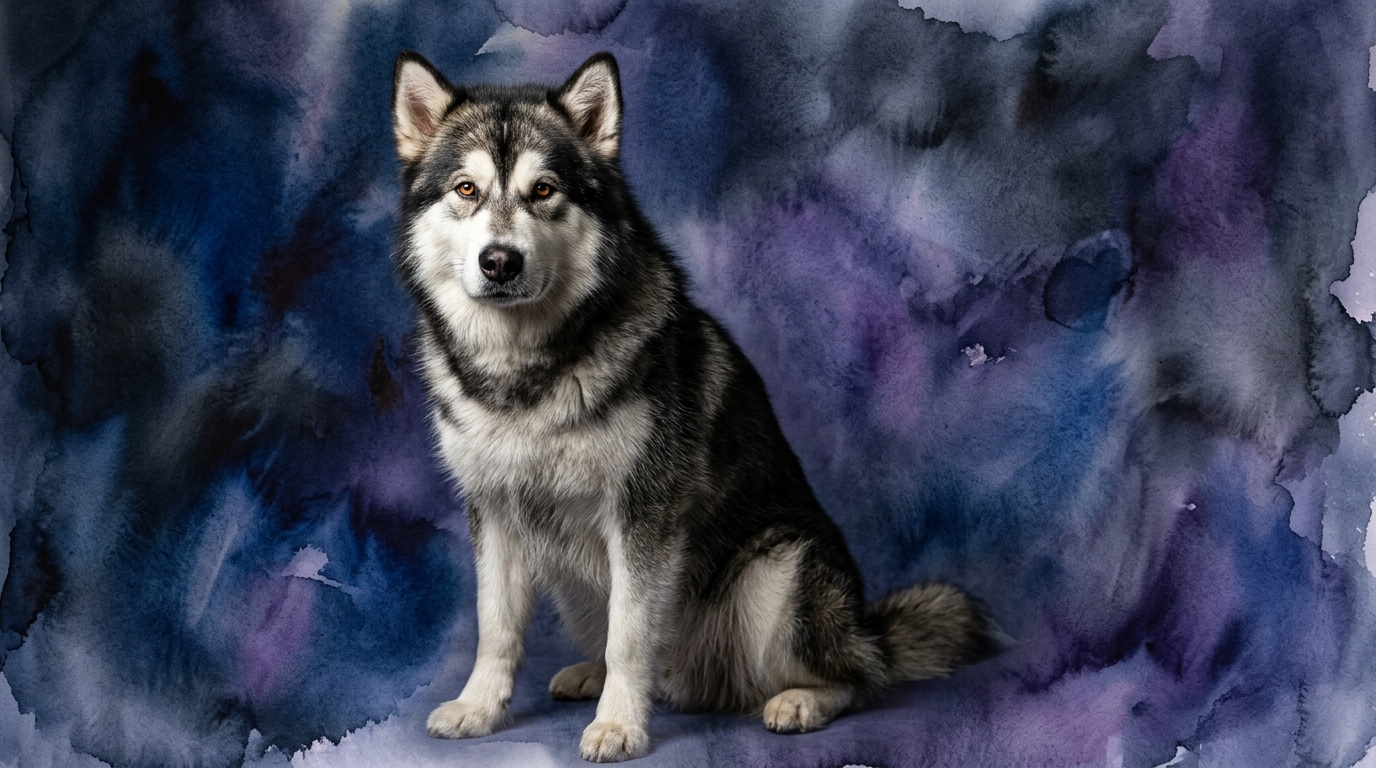
The Alaskan Malamute, ranked #50 by Coren, presents a cognitive profile built for endurance and independent work. Their Problem Solving at 4/5 reflects a capacity for navigating complex terrain and strategizing to move heavy loads, often requiring independent thought when far from human guidance. Training Speed at 2/5 indicates a strong-willed nature; they learn but often decide *when* to comply, valuing independence over immediate obedience. Social Intelligence at 3/5 allows them to work cooperatively in a pack for sledding, understanding canine and human cues, though they aren't typically described as overly people-pleasing. An Instinctive Drive at 5/5 for endurance, pulling, and sustained physical effort is paramount to their heritage, while Memory at 4/5 is crucial for recalling routes, tasks, and learned solutions to environmental challenges.
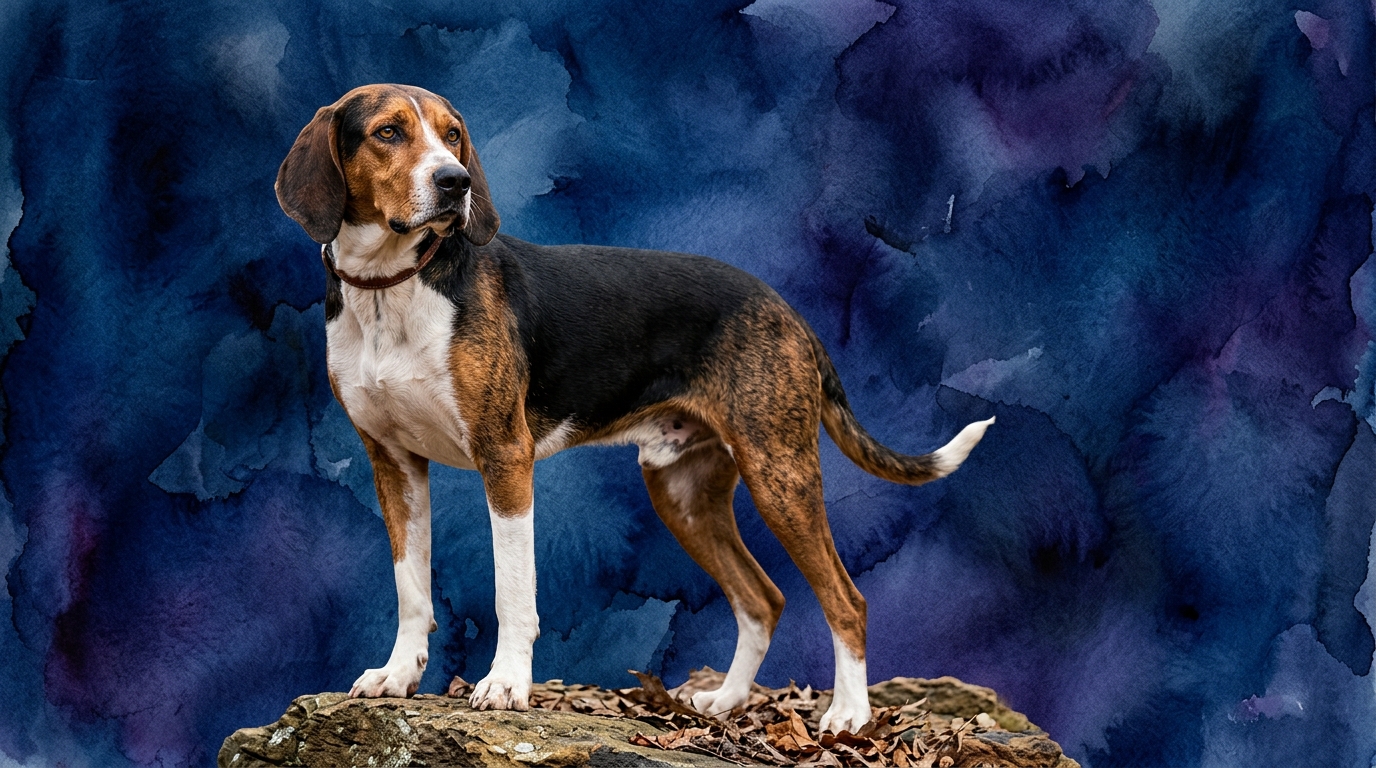
The Treeing Walker Coonhound, not Coren-ranked, shows a balanced cognitive profile centered on their specialized hunting role. Their Problem Solving at 3/5 typically manifests in deciphering complex scent trails and adapting to varied environments during a hunt, rather than abstract puzzles. Training Speed at 3/5 suggests a moderate ability to pick up commands, though their focus can be easily diverted by compelling scents. Social Intelligence at 3/5 allows them to work alongside other hounds and hunters, demonstrating amiable pack dynamics and general friendliness towards people. An Instinctive Drive at 3/5 is strongly oriented towards scenting, tracking, and treeing quarry, a specialized focus that defines their breed. Memory at 3/5 is solid for recalling specific trails, past successful hunting spots, and learned routines, though perhaps not as broad in scope as the Malamute's.
Where the Alaskan Malamute Excels Cognitively
The Alaskan Malamute shines in cognitive areas demanding sustained physical effort, strategic thinking under duress, and robust spatial memory. Their superior problem-solving (4/5) is evident in their capacity to overcome physical obstacles or strategize during a long haul, often requiring them to make decisions independently of their handler. This isn't just about strength; it's about evaluating a path, understanding load dynamics, and adapting to changing conditions, a testament to their heritage as powerful, self-sufficient sled dogs.
Furthermore, their robust memory (4/5) is a significant advantage. A Malamute can recall intricate routes, past experiences with specific terrain, and the most efficient ways to achieve a goal, even after long periods. This long-term retention of practical knowledge is invaluable for a breed designed for arduous journeys, allowing them to learn from experience and apply those lessons to future challenges, showcasing a practical, real-world application of their intellect.
Where the Treeing Walker Coonhound Excels Cognitively
The Treeing Walker Coonhound's cognitive strengths are profoundly rooted in their specialized scenting abilities and unwavering focus on a specific task. While their general problem-solving is rated 3/5, this score doesn't fully capture their exceptional skill in deciphering complex scent puzzles. They excel at discriminating between subtle scent variations, following faint trails over diverse terrain, and making rapid decisions based on olfactory information, a nuanced form of problem-solving critical for their hunting role.
Their instinctive drive (3/5), though numerically lower than the Malamute's, is intensely focused on scent work, which translates into a remarkable cognitive persistence. Once on a trail, a Coonhound displays an almost singular determination, shutting out distractions that would deter other breeds. This sustained, sensory-driven focus, combined with their ability to adapt their tracking strategy in real-time, represents a unique cognitive triumph, highlighting a specialized intelligence tailored for their pursuit of quarry.
Training Receptiveness: Malamute vs. Coonhound
When evaluating ease of training, the Treeing Walker Coonhound (Training Speed 3/5) generally presents a slightly more receptive learner than the Alaskan Malamute (Training Speed 2/5). Coonhounds, while possessing a strong independent streak and a tendency to follow their noses, are often more amenable to positive reinforcement and respond with moderate consistency to commands once motivated. Their social intelligence (3/5) allows for a connection with their handler, which can be leveraged in training, though their instinctive drive for scenting can make off-leash reliability challenging without dedicated training.
The Alaskan Malamute, conversely, is renowned for its independent spirit and strong will, often making training a more protracted and demanding endeavor. Their lower training speed reflects a breed that questions directives, prefers to make its own decisions, and is not inherently driven by a desire to please. Training a Malamute requires immense patience, consistency, and a deep understanding of their motivators, often involving highly rewarding treats or play to secure their cooperation, as their high instinctive drive (5/5) is rarely oriented towards human-centric obedience.
Matching Breeds to Owner Lifestyles
For active owners seeking a constant companion for rigorous outdoor adventures, the Alaskan Malamute is an ideal, albeit demanding, choice. Their immense instinctive drive (5/5) for physical activity and endurance means they thrive on long hikes, sledding, skijoring, or other sustained efforts. These dogs require owners who can match their energy levels daily, providing structured exercise and mental engagement to prevent boredom and destructive behaviors. They are not suited for relaxed owners who cannot commit to several hours of vigorous activity, as their pent-up energy can become problematic.
The Treeing Walker Coonhound also requires an active lifestyle, but one that often revolves around scent-based activities and exploration rather than brute endurance. Owners who enjoy long walks, hiking, scent work games, or even field trials will find a rewarding partner. While they need regular exercise, their energy output might be less about sustained hauling and more about bursts of speed and extensive sniffing. Relaxed owners may struggle with a Coonhound's vocal tendencies and need for mental stimulation through scent, but they are generally more adaptable to a slightly less intense physical regimen than a Malamute, provided their mental needs are met.
The Verdict
Choose the Alaskan Malamute if you are an experienced, highly active owner who thrives on independent, strong-willed dogs and can provide extensive, structured physical challenges like sledding or endurance hiking.
Opt for the Treeing Walker Coonhound if you are an active owner who appreciates a dog with a profound sense of smell, enjoys scent games and tracking, and can manage a vocal, independent hound.
🧠 Find Your Pet's IQ Score
Our Pet IQ Lab assessment covers 25+ tests across 5 cognitive dimensions — personalized to your breed.
Take the Full IQ Test →Frequently Asked Questions
Are Alaskan Malamutes good family dogs despite their independence?
Yes, Alaskan Malamutes can be wonderful family dogs, known for their affectionate nature with their own people. However, their strong will and need for consistent training and socialization mean they thrive best with experienced owners who can provide clear leadership and ample exercise.
Do Treeing Walker Coonhounds bark a lot?
Treeing Walker Coonhounds are known for their distinctive "baying" vocalizations, especially when on a scent trail or when excited. While not incessant barkers, their vocal nature means they will use their voice to communicate, which owners should be prepared for.
Which breed is better for a first-time dog owner?
Neither breed is typically recommended for first-time dog owners due to their strong drives and independent natures. However, if forced to choose, a Treeing Walker Coonhound might be marginally more manageable due to its slightly higher training speed and less overwhelming physical demands compared to the Malamute's extreme endurance needs.