Side-by-Side IQ Profile: Alaskan Malamute vs. Welsh Terrier
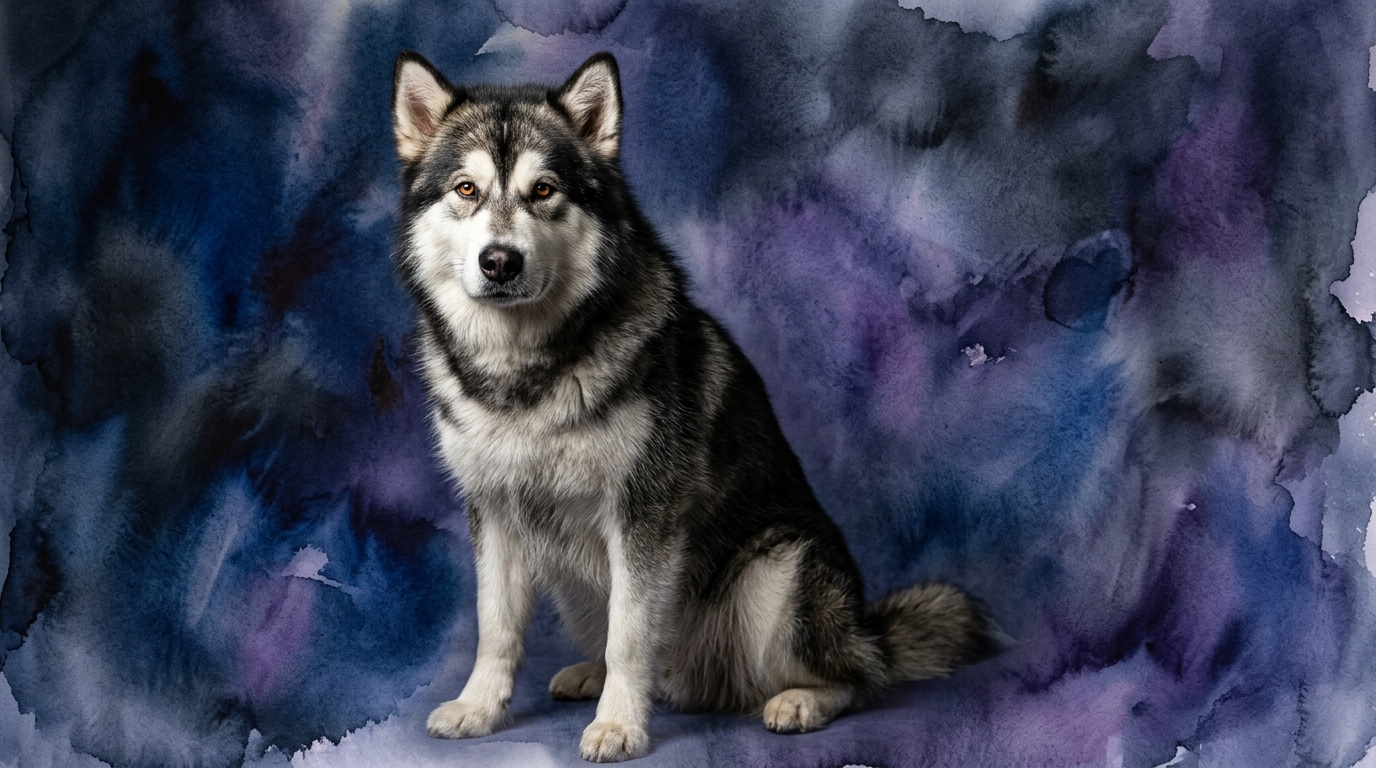
The Alaskan Malamute, a magnificent member of the Working Group, presents a distinct cognitive profile according to our Cosmic Pet IQ Lab metrics. Its Problem Solving score of 4/5 indicates a significant capacity for independent thought and figuring out complex situations, whether it's navigating challenging terrain or devising ways to access coveted items. Training Speed, however, registers at 2/5, suggesting that while they grasp concepts, their strong will often means a slower, more patient approach is needed for consistent compliance. Social Intelligence, at 3/5, reflects a moderate ability to interpret human cues and interact within a social hierarchy, though their independence can sometimes override this. Their Instinctive Drive is a towering 5/5, a testament to their heritage as powerful sled dogs with an innate urge to pull, hunt, and explore, which profoundly influences their daily motivations. Finally, a Memory score of 4/5 means they retain learned information and experiences for extended periods, both positive and negative.
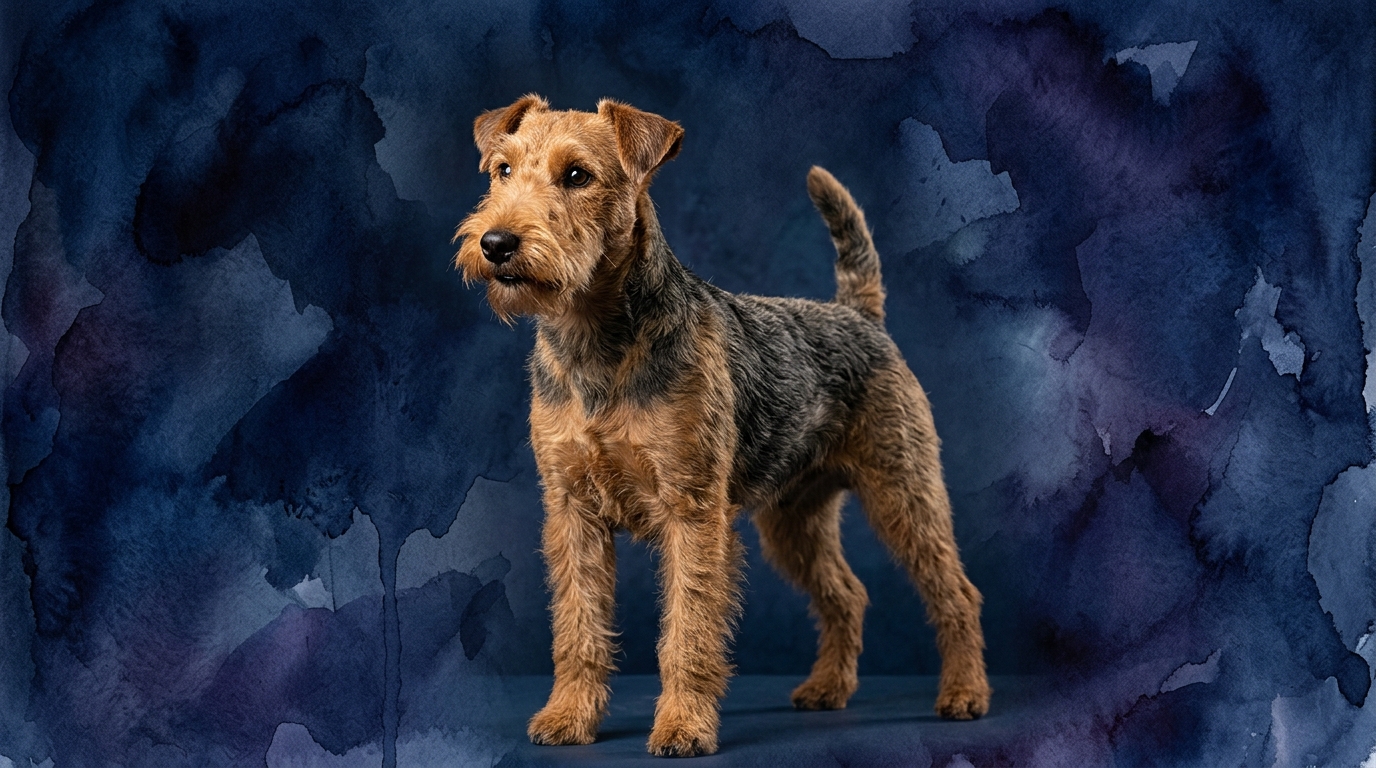
In contrast, the Welsh Terrier, a spirited member of the Terrier Group, offers a more balanced cognitive spread. Unranked by Coren, our lab's independent assessment provides a clearer picture. Their Problem Solving capability is rated 3/5, indicating a solid aptitude for navigating immediate challenges and finding solutions, though perhaps not with the same strategic depth as the Malamute. Training Speed also stands at 3/5, suggesting they are reasonably quick to learn and respond to commands, often displaying a willingness to engage that makes training sessions productive. Social Intelligence matches this at 3/5, indicating an ability to connect with their human companions and understand social dynamics, though they retain the classic terrier independent streak. Their Instinctive Drive is 3/5, a moderate level that still reflects their terrier heritage of chasing and digging but is less overwhelming than the Malamute's intense drive. Their Memory score of 3/5 means they possess a reliable capacity to recall commands and experiences, making them consistent companions once trained.
Where the Alaskan Malamute Wins Cognitively
The Alaskan Malamute's cognitive strengths truly shine in scenarios demanding independent problem-solving and an unwavering drive to achieve a goal. With a Problem Solving score of 4/5, these dogs are adept at navigating intricate environments and devising solutions to perceived obstacles. This isn't just about opening a gate; it's about understanding the mechanics of a situation and applying learned or innate strategies. For instance, a Malamute might methodically test different methods to access a toy placed just out of reach, exhibiting persistent intellectual engagement. Their Instinctive Drive, a perfect 5/5, is a profound cognitive asset in tasks requiring endurance and purpose. This isn't just brute force; it's a deep-seated motivation that allows them to push through physical and mental challenges, maintaining focus on an objective like pulling a sled or tracking a scent over long distances. This powerful intrinsic motivation, combined with their 4/5 Memory, means they learn and retain complex routes, intricate task sequences, and the locations of resources, making them exceptional for sustained, goal-oriented activities that leverage their natural inclinations.
Where the Welsh Terrier Wins Cognitively
While the Welsh Terrier's scores might appear lower in some categories, their cognitive wins lie in their balanced and adaptable profile, particularly in cooperative learning and consistency. Their Training Speed and Problem Solving both at 3/5 suggest a pragmatic intelligence: they can quickly grasp what's expected and apply that understanding to solve immediate, practical problems without the often-accompanying stubbornness or independent strategic thinking of the Malamute. This balance means they are often more consistently receptive to instruction and less likely to override commands with a strong, independent agenda. Their moderate Instinctive Drive (3/5) is also a cognitive advantage in a domestic setting; while they retain their terrier tenacity for chasing and digging, this drive is more manageable and less likely to dominate their decision-making in everyday life. This allows for easier redirection and a greater focus on handler-initiated tasks, making them more pliable in varied training scenarios and less prone to being 'stuck' on an overwhelming instinct. Their consistent 3/5 Memory means they reliably recall what they've learned, making them predictable and steady learners without the peaks and valleys that can come with more extreme cognitive profiles.
Which is Easier to Train and Why?
When it comes to ease of training, the Welsh Terrier generally holds an advantage over the Alaskan Malamute, primarily due to their respective Training Speed and Instinctive Drive scores. The Welsh Terrier's Training Speed of 3/5 indicates a reasonable willingness and ability to absorb and respond to commands. They are often eager to please and find the engagement of training rewarding, making them relatively straightforward to teach basic obedience and even more complex tricks. Their moderate Instinctive Drive (3/5) also plays a crucial role; while they possess a terrier's zest for life, their natural impulses are typically more amenable to redirection and control, meaning fewer battles against overwhelming prey drive or independent exploration.
The Alaskan Malamute, with its Training Speed of 2/5, presents a different training challenge. This lower score doesn't imply a lack of understanding, but rather a strong independent will and a tendency to evaluate whether compliance serves their immediate interests. They understand commands but might choose to ignore them if a more compelling activity, driven by their 5/5 Instinctive Drive, presents itself. This powerful drive to pull, explore, and hunt means that training often involves not just teaching a command, but also intensely motivating them to override their deep-seated urges. While they excel at problem-solving, this can sometimes manifest as figuring out ways around commands, requiring an exceptionally consistent, patient, and highly motivating handler to achieve reliable obedience. Their memory (4/5) ensures they remember what they've learned, but also the consequences of past training inconsistencies, making strong foundational training critical.
Which Suits Active Owners vs. Relaxed Owners?
For owners with a highly active lifestyle, the Alaskan Malamute is an ideal match. Their towering Instinctive Drive (5/5) means they thrive on purpose-driven activity, requiring consistent and rigorous physical and mental engagement. These are not dogs content with a leisurely stroll around the block; they need long hikes, opportunities to pull, sled, or participate in demanding canine sports that tap into their innate working dog heritage. Their strong Problem Solving skills (4/5) also necessitate mental challenges, making them perfect companions for owners who enjoy teaching complex tasks, engaging in scent work, or exploring new, stimulating environments. A relaxed owner, or one unable to meet their substantial exercise and mental stimulation needs, would likely find a Malamute's unmet drives leading to destructive behaviors or an unfulfilled, restless companion.
The Welsh Terrier, with its more balanced cognitive profile, offers greater versatility and can suit a broader range of active owners, though perhaps not those at the extreme end of endurance sports. Their Instinctive Drive of 3/5 means they enjoy regular activity—brisk walks, interactive play, and opportunities to sniff and explore—but their needs are generally more manageable than the Malamute's. They possess enough energy to keep an active owner company on daily adventures but are also content to relax at home after their needs are met. Their moderate Problem Solving and Training Speed (both 3/5) mean they appreciate engaging activities and learning new things but don't demand the same intensity or complexity of cognitive work as the Malamute. They are a good fit for owners who enjoy consistent activity and mental engagement but also value a dog that can comfortably settle down and isn't perpetually seeking an outlet for overwhelming drives.
The Verdict: When to Choose Each Breed
Deciding between an Alaskan Malamute and a Welsh Terrier hinges on a deep understanding of their distinct cognitive blueprints and how those align with your lifestyle and expectations. The Malamute is a magnificent, independent thinker with immense physical and mental stamina, while the Welsh Terrier is a spirited, adaptable companion with a balanced drive.
If you are an experienced, highly active individual or family who thrives on consistent outdoor adventures, enjoys engaging in demanding canine sports, and possesses the patience and dedication to train a strong-willed, independently thinking dog, the Alaskan Malamute could be your ideal partner. They excel when given a 'job' that leverages their incredible drive and problem-solving abilities, finding immense satisfaction in purposeful activity and a strong bond with a leader who understands their profound working heritage.
Conversely, if you seek a lively, intelligent companion that is eager to engage in moderate daily activities, responsive to consistent training, and possesses a robust personality without the overwhelming demands of extreme drives, the Welsh Terrier might be the perfect addition to your home. They thrive with owners who provide regular mental and physical stimulation, appreciate their spirited nature, and can offer a consistent, loving environment where their balanced cognitive strengths can flourish.
The Verdict
Choose the Alaskan Malamute if you seek a profoundly independent, high-drive partner for demanding outdoor activities and possess the dedication for patient, consistent training.
Opt for the Welsh Terrier if you desire a spirited, adaptable companion that enjoys consistent engagement and is more amenable to training, fitting a moderately active lifestyle.
🧠 Find Your Pet's IQ Score
Our Pet IQ Lab assessment covers 25+ tests across 5 cognitive dimensions — personalized to your breed.
Take the Full IQ Test →Frequently Asked Questions
Are Alaskan Malamutes harder to train than Welsh Terriers?
Generally, yes. Alaskan Malamutes have a lower Training Speed (2/5) and a very high Instinctive Drive (5/5), meaning they understand commands but often require more motivation and patience to comply consistently, frequently prioritizing their own strong will or innate urges over obedience.
Which breed requires more mental stimulation?
The Alaskan Malamute, with its 4/5 Problem Solving and 5/5 Instinctive Drive, typically requires more intense and complex mental stimulation to prevent boredom and destructive behaviors. The Welsh Terrier's needs are also significant but generally less demanding in terms of sheer complexity or duration.
Do Welsh Terriers have a strong prey drive?
Yes, Welsh Terriers possess a moderate Instinctive Drive (3/5) that includes a notable prey drive, typical of the terrier group. While not as overwhelming as a Malamute's, they will readily chase small animals and require secure environments and consistent training to manage this instinct.