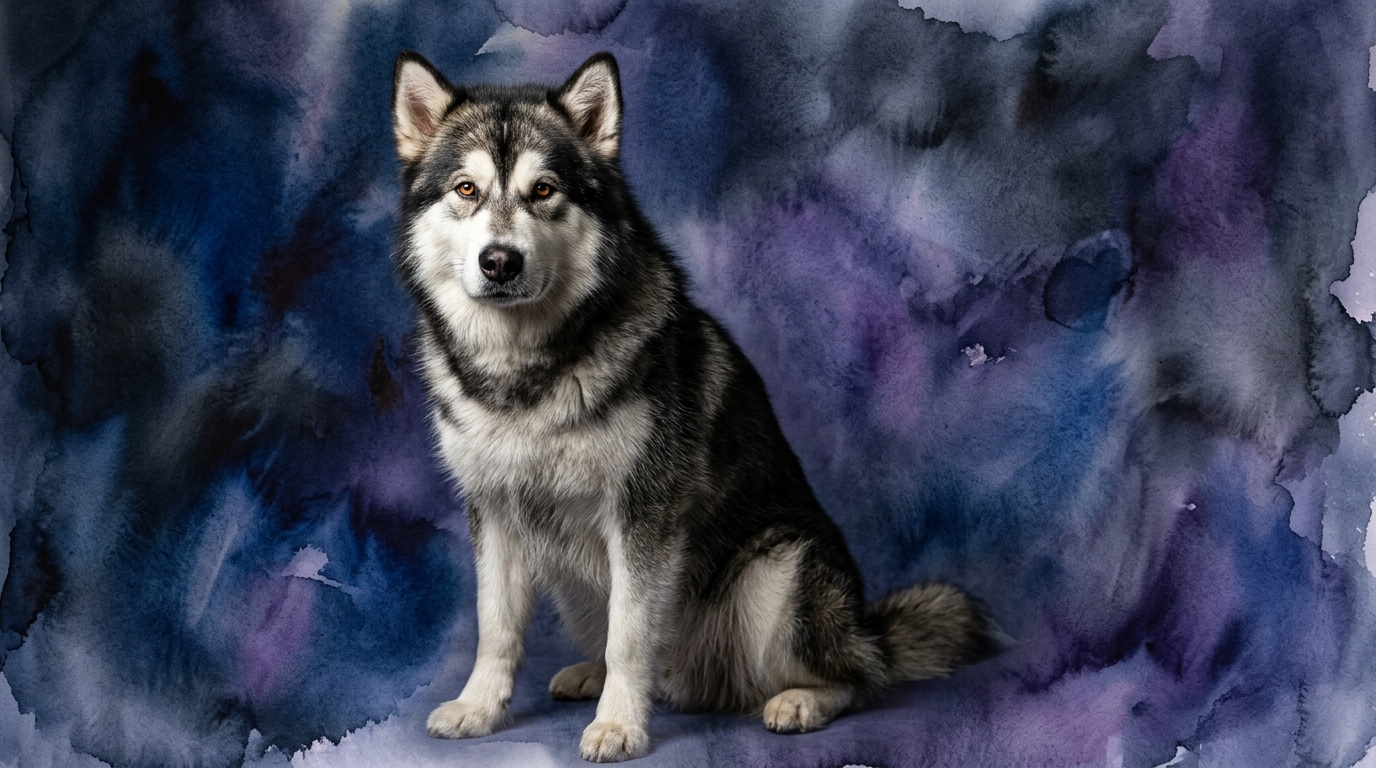
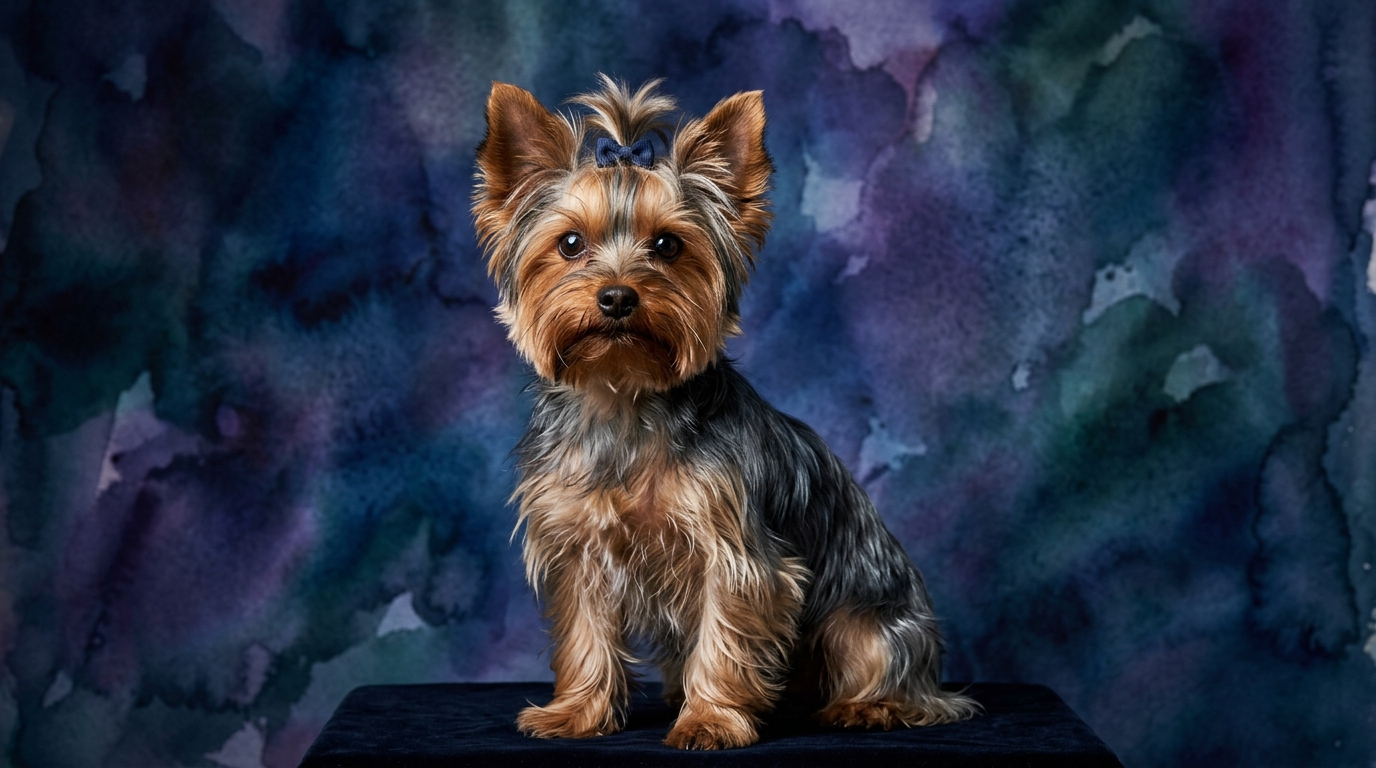
Side-by-Side IQ Profile: Alaskan Malamute vs. Yorkshire Terrier
To truly understand the cognitive landscape of these two breeds, The Cosmic Pet Pet IQ Lab assesses five key dimensions:
**Alaskan Malamute:**
**Problem Solving (4/5):** This breed exhibits strong independent problem-solving skills, vital for navigating complex terrain or making decisions during sledding. They can ingeniously overcome obstacles to achieve goals.
**Training Speed (2/5):** Malamutes are not quick to obey; their independent nature means they often evaluate commands, complying only if they see purpose. This leads to a slower training pace requiring immense patience.
**Social Intelligence (3/5):** Their social intelligence focuses more on pack dynamics and team work, rather than intense human-centric appeasement. They form strong bonds but maintain self-sufficiency.
**Instinctive Drive (5/5):** An exceptionally high instinctive drive, primarily for endurance, pulling, and often prey drive, characterizes the Malamute. This innate motivation fuels their perseverance.
**Memory (4/5):** Malamutes possess good memory for routines, learned tasks, and geographical layouts, aiding their working capacity and environmental understanding.
**Yorkshire Terrier:**
**Problem Solving (3/5):** Yorkshire Terriers show moderate problem-solving capacity, typically focused on immediate challenges like finding a hidden toy or navigating home obstacles. Their solutions are generally direct.
**Training Speed (4/5):** Yorkies learn new commands quickly and respond well to positive reinforcement. Their desire to engage with humans facilitates a rapid training process, making them receptive to instruction.
**Social Intelligence (4/5):** This breed excels in social intelligence for human interaction. They read human cues well, form strong attachments, and often seek to be central to family life, making them responsive companions.
**Instinctive Drive (4/5):** Their significant instinctive drive stems from terrier vermin-hunting heritage, translating to alertness, tenacity, and chasing small objects, alongside a strong desire for interaction.
**Memory (4/5):** Yorkshire Terriers also have good memory for people, routines, and specific home locations, helping them adapt to domestic life and recall behaviors.
Where the Alaskan Malamute Wins Cognitively
The Alaskan Malamute's cognitive strengths shine brightest in areas demanding independence and robust physical application, largely due to their high problem-solving capacity (4/5) and exceptional instinctive drive (5/5). Bred to make critical decisions in challenging, often life-threatening conditions like navigating treacherous icy paths or enduring prolonged sledding work, their ability to assess and act without direct human instruction is a profound cognitive advantage. This self-reliance is not stubbornness, but a deeply ingrained trait for survival and task completion. Their powerful instinctive drive fuels relentless determination, allowing them to push through physical limits and maintain focus on goals. This combination of independent thought and unwavering drive makes them adept at complex, sustained tasks where perseverance and self-direction are paramount.
Where the Yorkshire Terrier Wins Cognitively
Conversely, the Yorkshire Terrier demonstrates superior cognitive strengths in rapid learning and nuanced social engagement, reflected in their quicker training speed (4/5) and higher social intelligence (4/5). With a Coren rank of #27, significantly higher than the Malamute's #50, Yorkies show greater aptitude for understanding and executing human commands efficiently. They are highly attuned to human emotions and social dynamics, making them excellent communicators and responsive companions. This breed's agility in learning new cues stems from a strong desire to interact and please their human family, a characteristic less prominent in the more independent Malamute. Their social perceptiveness allows them to integrate smoothly into diverse family structures, quickly picking up on household routines. This makes them particularly adept at navigating domestic life and forming deep, responsive bonds.
Which is Easier to Train and Why?
When considering ease of training, the Yorkshire Terrier generally presents a more straightforward experience. The Yorkie's training speed rating of 4/5, coupled with strong social intelligence, means they are typically eager to please and quick to grasp new commands. They thrive on positive reinforcement and human interaction, making them highly responsive to consistent training efforts. A Yorkie's intrinsic motivation often aligns with gaining human approval, leading to more readily compliant behavior. In contrast, the Alaskan Malamute's training speed is rated at a 2/5, reflecting their independent nature. Their problem-solving abilities can manifest as questioning commands or finding less desirable ways to achieve a goal. Training a Malamute requires understanding their deep-seated drive and a creative approach to motivation; simple repetition often won't suffice. They need to understand the 'why' behind a command or feel a strong partnership, making their training a more extended, nuanced endeavor.
Which Suits Active Owners vs. Relaxed Owners?
The choice between an Alaskan Malamute and a Yorkshire Terrier profoundly impacts lifestyle compatibility. An Alaskan Malamute is unequivocally suited for highly active, experienced owners prepared for significant commitments to physical exertion and mental engagement. Their immense instinctive drive and need for purpose demand daily vigorous exercise, structured activities like sledding or hiking, and consistent mental challenges to prevent boredom. This is not a breed for a relaxed owner; they require an outdoor-oriented lifestyle and willingness to provide outlets for their powerful working heritage. On the other hand, the Yorkshire Terrier, while still requiring daily walks and mental stimulation, adapts more readily to a less intensely active household. They are content with indoor play, shorter walks, and thrive on consistent companionship. A relaxed owner who enjoys cuddling but is also committed to daily interactive play and training would find a Yorkie a more suitable companion, though their terrier tenacity still necessitates engagement.
The Verdict
For those seeking a resilient, independent working partner with exceptional endurance and complex problem-solving abilities for challenging outdoor pursuits, the Alaskan Malamute is the clear choice.
Conversely, if your lifestyle favors a responsive, socially adept companion who learns quickly and thrives on close human interaction within a more domestic setting, the Yorkshire Terrier will be a more harmonious fit.
🧠 Find Your Pet's IQ Score
Our Pet IQ Lab assessment covers 25+ tests across 5 cognitive dimensions — personalized to your breed.
Take the Full IQ Test →Frequently Asked Questions
Do Alaskan Malamutes require extensive mental stimulation?
Yes, Alaskan Malamutes absolutely need extensive mental stimulation beyond just physical exercise. Their high problem-solving skills and independent nature mean they quickly become bored and potentially destructive without engaging tasks, puzzle toys, and consistent training that challenges their intellect.
Are Yorkshire Terriers good for first-time dog owners?
Yorkshire Terriers can be suitable for first-time dog owners due to their high training speed and social intelligence, making them relatively easy to train. However, their strong terrier drive requires consistent boundaries and early socialization to manage potential barking or bossiness, so a committed first-timer can succeed.
How does a Coren rank relate to these specific IQ scores?
Stanley Coren's ranking primarily assesses a breed's 'working and obedience intelligence,' which correlates strongly with our 'training speed' and 'social intelligence' dimensions. Breeds with higher Coren ranks, like the Yorkshire Terrier (#27), typically respond faster to commands, while those with lower ranks, like the Alaskan Malamute (#50), often require more repetitions due to their independent nature.