
Side-by-Side IQ Profile
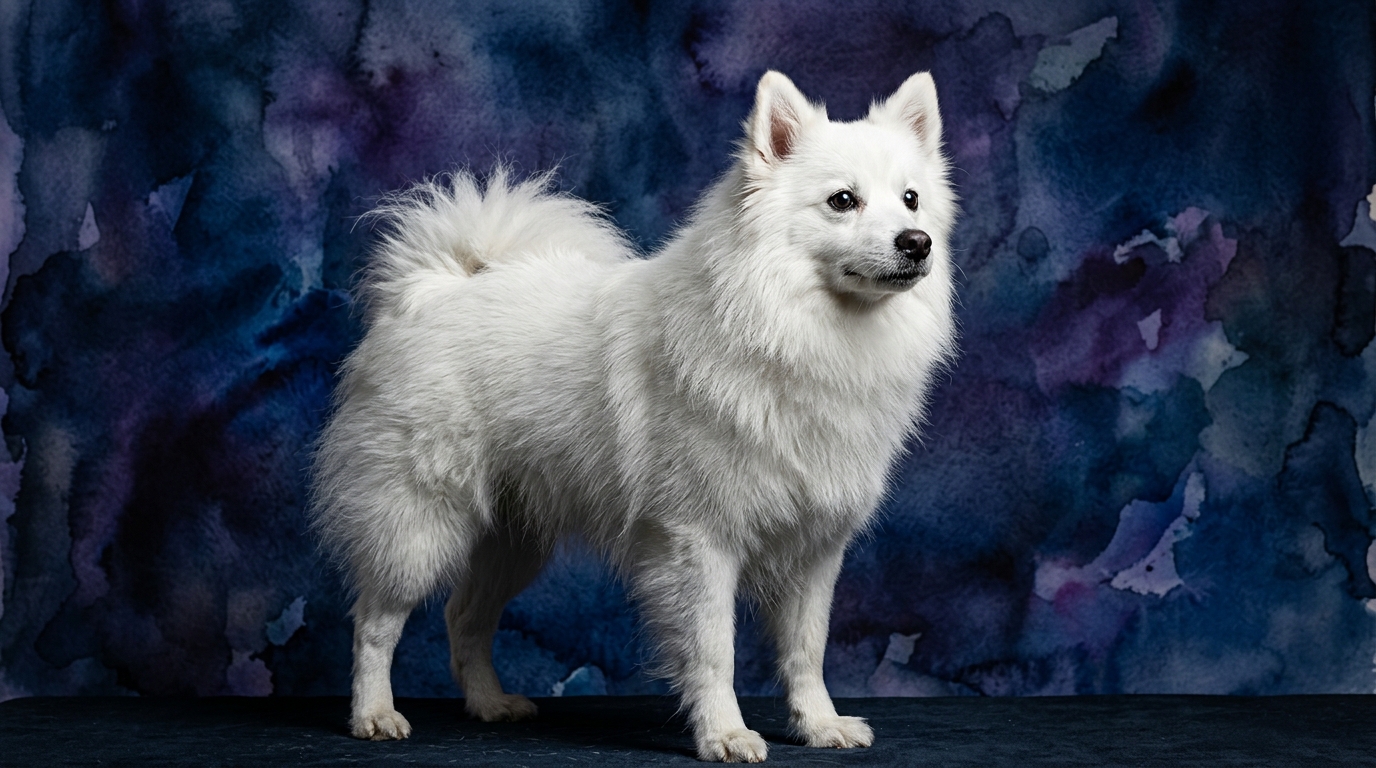
The American Eskimo Dog (AED), a member of the Non-Sporting group, showcases a balanced cognitive profile. Their Problem Solving is rated 3/5, indicating an ability to navigate moderate challenges, such as figuring out puzzle toys or simple gate latches, often driven by curiosity or a desire for interaction. Training Speed also sits at 3/5, suggesting they grasp new commands with consistent effort, though their independent streak can sometimes slow the process. Social Intelligence at 3/5 means they are generally perceptive of human emotions and household dynamics, often using this understanding to seek attention or comfort. Their Instinctive Drive, also 3/5, manifests as a moderate prey drive and a strong tendency to vocalize, acting as alert dogs. Finally, Memory at 3/5 implies they retain training and recall past experiences, both positive and negative, effectively.
Also from the Non-Sporting group, the Tibetan Spaniel (TS) presents an equally balanced cognitive makeup. Their Problem Solving, rated 3/5, often appears in their clever navigation of their environment, finding high perches, or subtly manipulating situations to their advantage, driven by a desire for comfort and observation. Training Speed at 3/5 indicates they are capable learners, though their independent and sometimes aloof nature means they require patience and positive reinforcement to engage fully. Social Intelligence, at 3/5, is evident in their keen observation of household members and their understanding of social cues, often choosing who to interact with and when. Their Instinctive Drive, 3/5, leans towards a strong “watchdog” tendency, enjoying elevated positions from which to survey their domain. Memory, also 3/5, ensures they remember routines, people, and past interactions, which can contribute to their sometimes selective obedience or cautious nature with strangers.
Where American Eskimo Dog Wins Cognitively
Despite the identical numerical scores, the American Eskimo Dog often demonstrates a cognitive advantage in scenarios requiring direct engagement and a more overt display of problem-solving for social interaction. Their 3/5 Problem Solving, for instance, frequently manifests in creative ways to initiate play or gain human attention, such as nudging a toy into a lap or even “talking” to their owners with their characteristic vocalizations. This active, interactive problem-solving style, intertwined with their 3/5 Social Intelligence, makes them particularly adept at reading and responding to human cues when they perceive a direct benefit, often seeking to be the center of their family's world. Their 3/5 Training Speed, while not exceptionally fast, benefits from their desire to please and their love for being involved in activities, making them potentially more responsive to complex trick training or agility if the motivation is strong and engaging. The AED's 3/5 Instinctive Drive, particularly their alert barking, shows a proactive cognitive awareness of their surroundings, often processing changes and alerting their family more readily than the sometimes more reserved Tibetan Spaniel. This alertness, combined with their strong Memory (3/5), means they quickly learn to associate specific sounds or sights with potential events, making them effective, albeit sometimes vocal, household guardians.
Where Tibetan Spaniel Wins Cognitively
The Tibetan Spaniel, while sharing the same 3/5 cognitive metrics, often excels in areas demanding subtle observation, independence, and a nuanced understanding of their environment. Their 3/5 Problem Solving frequently presents as resourcefulness in finding comfortable, elevated vantage points or navigating complex social dynamics within a multi-pet household, rather than directly engaging with human-set puzzles. They use their environment to their advantage, often finding a clever way to bypass an obstacle or secure a preferred spot without direct human intervention. This distinct manifestation of Problem Solving is closely linked to their 3/5 Social Intelligence, which allows them to observe and interpret family routines and moods with remarkable accuracy, often anticipating events like mealtimes or walks. They might not always seek direct interaction, but they are exceptionally aware of their surroundings. Their 3/5 Training Speed, though requiring patience, is often underscored by a deep memory (3/5) for specific routines and individuals, meaning once a behavior is learned and deemed beneficial by the Spaniel, it is rarely forgotten. This breed's 3/5 Instinctive Drive, particularly their historical role as “little lions” or watchdogs on monastery walls, imbues them with a keen sense of observation and a desire to oversee their domain from a strategic position. This cognitive drive for oversight and their discerning nature with strangers highlight a different facet of their intelligence, one focused on quiet vigilance and independent assessment.
Which is Easier to Train and Why
When assessing which breed might be “easier” to train, the identical 3/5 Training Speed scores necessitate a deeper look into their underlying motivations and behavioral tendencies. The American Eskimo Dog, with its generally outgoing and people-oriented disposition, often approaches training with enthusiasm, especially when positive reinforcement involves praise, treats, and interactive play. Their desire to be part of the family's activities and their relatively lower social aloofness can make them more eager to engage in structured training sessions. However, their independent streak and tendency to be vocal can sometimes lead to distraction or expressing their opinions during training. Their 3/5 Memory means they retain commands well, but also remember if a trainer is inconsistent.
The Tibetan Spaniel, while equally capable of learning (3/5 Training Speed), often presents a different set of training challenges rooted in their independent and sometimes “cat-like” personality. They are less driven by a desire to overtly please and more by what benefits them or what they find interesting. This means training requires immense patience, creativity, and a strong understanding of their motivations. They respond best to positive reinforcement and short, engaging sessions that feel like a game rather than a chore. Their 3/5 Social Intelligence allows them to quickly discern a trainer's intent, and their 3/5 Memory ensures they'll remember inconsistencies or unfairness, which can make subsequent training more difficult. Therefore, while both are capable, the AED's more overt desire for interaction generally makes them *feel* easier to train for the average owner seeking a responsive companion, whereas the TS requires a more nuanced, patient approach to unlock their cognitive potential.
Which Suits Active Owners vs. Relaxed Owners
The distinction between active and relaxed owners becomes clearer when considering the overall energy levels and typical behavioral expressions of these two breeds, even with their balanced cognitive profiles. The American Eskimo Dog, despite its moderate 3/5 Instinctive Drive, generally possesses a higher energy output and a greater need for regular physical and mental stimulation. Their cognitive abilities thrive when given opportunities to engage in activities like obedience, agility, trick training, or even long walks and interactive play. An AED's 3/5 Problem Solving and Social Intelligence are often best expressed when they are actively participating with their human companions. They are well-suited for active owners who can provide daily structured exercise, engage in training, and involve them in family outings. Without sufficient activity, their cleverness and vocal tendencies can manifest as boredom-driven behaviors.
The Tibetan Spaniel, on the other hand, with its historical role as a companion and sentinel, is generally content with a more relaxed pace of life. While they appreciate walks and playtime, their needs are often met with moderate daily exercise and opportunities for observation from a comfortable perch. Their 3/5 Instinctive Drive manifests as a watchful nature, making them excellent companions for relaxed owners who enjoy a dog that observes rather than constantly demands interaction. Their 3/5 Problem Solving often involves finding the sunniest spot or the softest cushion, and their Social Intelligence allows them to be content observing family life from a distance. They are ideal for individuals or families seeking a perceptive, independent companion who enjoys quiet companionship and doesn't require extensive, high-energy activities.
The Verdict
Choose an American Eskimo Dog if you desire an engaging, interactive companion eager to participate in family activities and training, capable of being a vocal alert system for your home.
Opt for a Tibetan Spaniel if you prefer a perceptive, independent observer who offers quiet companionship, enjoys a more relaxed lifestyle, and excels at subtle problem-solving within their environment.
🧠 Find Your Pet's IQ Score
Our Pet IQ Lab assessment covers 25+ tests across 5 cognitive dimensions — personalized to your breed.
Take the Full IQ Test →Frequently Asked Questions
Are American Eskimo Dogs good with children?
American Eskimo Dogs, with their 3/5 social intelligence, can be excellent with children, especially if raised with them and properly socialized. Their playful nature and desire for interaction make them engaging companions, though supervision is always recommended due to their moderate energy levels. They thrive in environments where they are involved in family activities.
How do Tibetan Spaniels adapt to apartment living?
Tibetan Spaniels are well-suited for apartment living, making them a good choice for urban dwellers. Their 3/5 instinctive drive for observation means they enjoy surveying their surroundings from a comfortable spot, and their moderate exercise needs can be met with daily walks. Their social intelligence (3/5) allows them to adapt to household routines and be content with quiet companionship.
Do both breeds bark a lot?
Both the American Eskimo Dog and the Tibetan Spaniel have a 3/5 instinctive drive that includes vocalization, but it manifests differently. AEDs are known for being quite vocal, using barks and “talks” to communicate and alert. Tibetan Spaniels also bark as part of their watchdog nature, often to alert to new sounds or visitors, but they tend to be less persistently vocal than an AED.