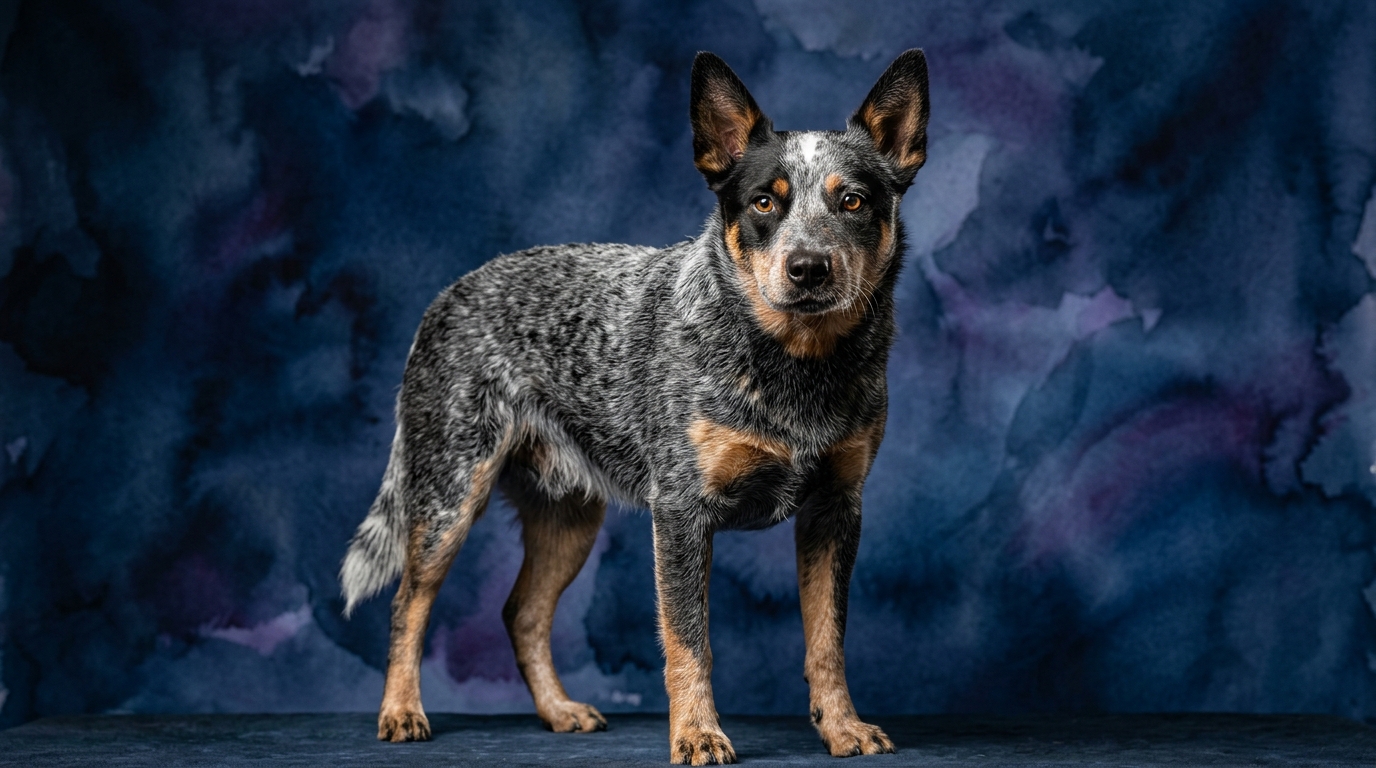
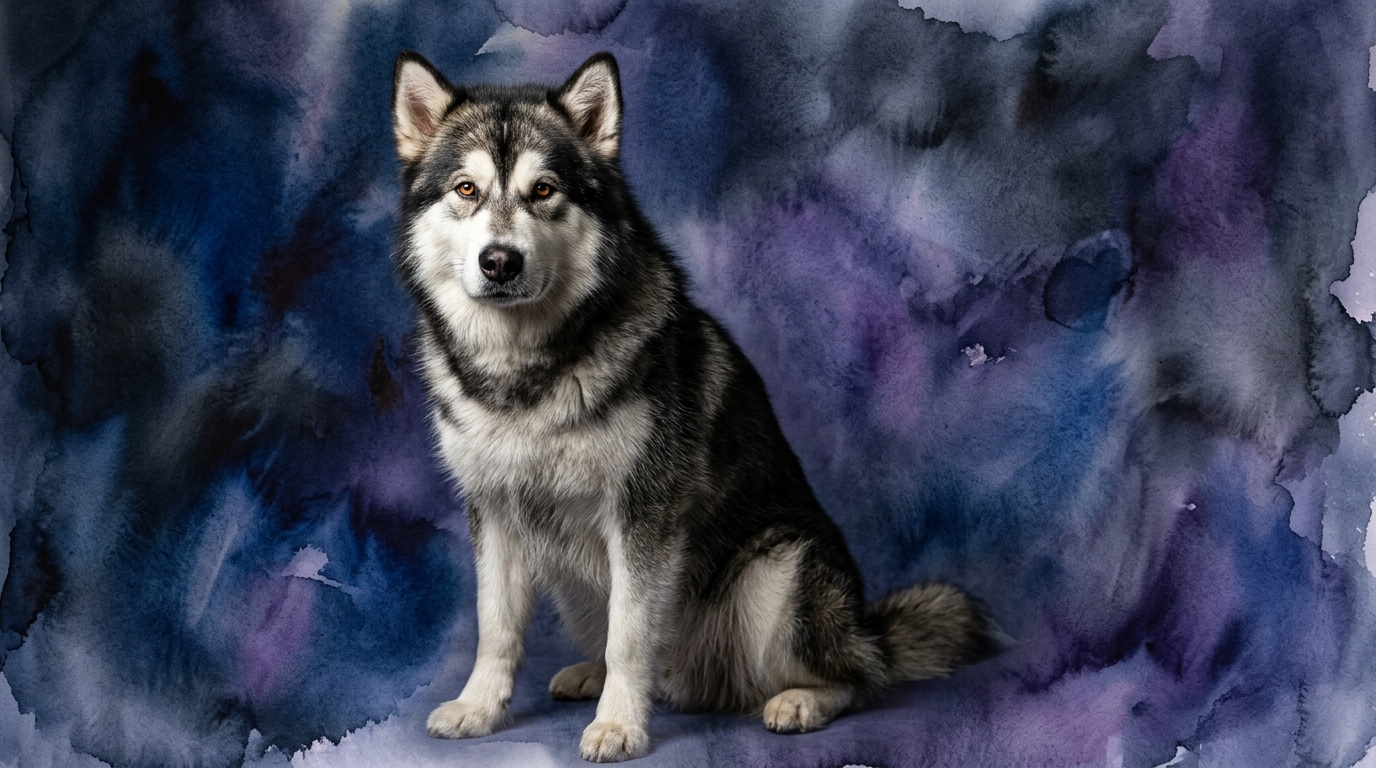
Side-by-Side Cognitive Profiles at The Cosmic Pet Pet IQ Lab
Our Pet IQ Lab scores reveal a clear divergence in how these two powerful breeds process information and interact with their environment. The Australian Cattle Dog, ranked #10 by Coren, demonstrates a remarkable aptitude across the board. Their Problem Solving is rated 5/5, reflecting an innate ability to independently strategize and adapt to dynamic herding scenarios, often anticipating livestock movements. A perfect 5/5 in Training Speed highlights their rapid acquisition of new commands and complex routines, eager to engage with their handler's instructions. While their Social Intelligence sits at 3/5, indicating competence in reading social cues without excessive fawning, their Instinctive Drive is a commanding 5/5, rooted in their powerful herding impulses. Finally, their Memory, also 5/5, ensures they retain learned tasks and intricate patterns over long periods, crucial for consistent work.
In contrast, the Alaskan Malamute, holding a Coren rank of #50, presents a different, yet equally purposeful, cognitive blueprint. Their Problem Solving is a solid 4/5, geared towards practical, often physical, challenges like navigating difficult terrain or finding solutions within their pack structure during sledding. Training Speed, at 2/5, suggests a more deliberate and independent learning pace; they are not inherently driven by a desire to rapidly please. Like the ACD, their Social Intelligence is 3/5, signifying a capable, but not overly deferential, understanding of social dynamics. Their Instinctive Drive is also 5/5, channeled specifically into their powerful desire to pull, travel, and work within a pack. A 4/5 in Memory reflects their capacity to remember trails, routines, and the dynamics of their team, essential for their demanding historical role.
Where the Australian Cattle Dog Wins Cognitively
The Australian Cattle Dog's cognitive strengths truly shine in scenarios demanding quick, independent decision-making and intricate problem-solving within a rapidly changing environment. Their 5/5 Problem Solving isn't just about figuring things out; it's about anticipating, reacting, and adjusting strategies on the fly, a hallmark of their herding lineage where outsmarting stubborn livestock is paramount. This breed excels at complex, multi-step tasks, often demonstrating foresight that appears almost uncanny. Their perfect 5/5 Training Speed means they absorb new information and commands with astonishing rapidity, making them exceptionally responsive partners in advanced obedience, agility, or other dog sports. This fast learning, combined with their 5/5 Memory, allows them to build a vast repertoire of skills and retain them reliably, making them highly adaptable to diverse working roles. Their cognitive edge lies in their agility of thought, their capacity for abstract understanding of rules and patterns, and their profound biddability when engaged in a task. They don't just follow; they actively participate in solving the task at hand alongside their human.
Where the Alaskan Malamute Wins Cognitively
While the Australian Cattle Dog excels in rapid, intricate problem-solving, the Alaskan Malamute's cognitive prowess is rooted in resilience, endurance, and practical application within a specific, demanding context. Their 4/5 Problem Solving is less about quick, dynamic adjustments to individual livestock and more about sustained effort to overcome physical obstacles, navigate vast territories, and cooperate within a team over long distances. They are adept at understanding cause and effect in their environment, particularly concerning resources, comfort, and travel. The Malamute's 5/5 Instinctive Drive isn't just a force; it's a deep-seated mental commitment to their pulling work and pack dynamics. This drive fuels their persistence, allowing them to push through challenging conditions where a less driven breed might falter. Their 4/5 Memory is crucial for recalling routes, understanding the hierarchy and roles within their human family and canine pack, and retaining the learned behaviors necessary for their specific work, even if the initial training acquisition is slower. They possess a robust, practical intelligence focused on self-preservation, communal effort, and achieving a goal through sheer will and physical capability, making them masters of sustained, purposeful effort.
Which is Easier to Train and Why
When it comes to ease of training, the Australian Cattle Dog holds a distinct advantage, primarily due to their exceptional 5/5 Training Speed and high Problem Solving score. These dogs are bred to work closely with humans, responding to subtle cues and eagerly learning complex commands to manage livestock. Their inherent drive to engage and their rapid comprehension mean they typically grasp new concepts in very few repetitions. They thrive on mental challenges and the satisfaction of a job well done, making them highly motivated students. This responsiveness translates into a relatively straightforward training process for owners who can provide consistent, stimulating instruction.
In stark contrast, the Alaskan Malamute, with its 2/5 Training Speed, presents a more significant training challenge. Malamutes were developed to make independent decisions in vast, often perilous environments, often far from direct human intervention. Their strong will and self-reliance mean they are not inherently inclined to follow commands simply for the sake of pleasing; they need to understand the value or purpose behind a request. Training a Malamute requires immense patience, consistency, and a deep understanding of their motivations. They are less interested in rapid fire obedience and more focused on achieving their own objectives, whether that's exploring a scent or pulling a sled. While intelligent, their independence means they will often weigh a command against their own desires, requiring a handler to be a strong, fair leader who can consistently enforce boundaries and make training rewarding from the Malamute's perspective.
Which Suits Active Owners vs. Engaged Owners
Both the Australian Cattle Dog and the Alaskan Malamute demand active owners, but the nature of that activity and engagement differs significantly. The Australian Cattle Dog is best suited for owners who are not just physically active, but also mentally engaged and prepared to provide a constant stream of mental stimulation. Their 5/5 Problem Solving and Instinctive Drive mean they need a "job" – whether that's herding, agility, flyball, advanced obedience, or extensive puzzle-solving. They thrive with owners who enjoy structured activities, training sessions, and can channel their intense focus and energy into productive outlets. A relaxed owner who cannot commit to daily, challenging mental and physical exercise will likely find an ACD to be a destructive or anxious companion, as their powerful mind and body seek their own, often undesirable, forms of engagement.
The Alaskan Malamute also requires an active owner, but their needs lean more towards endurance and purposeful physical activity, coupled with consistent, patient leadership. While they benefit from mental engagement, their primary drive (5/5 Instinctive Drive) is for pulling, traveling, and sustained physical output. They are excellent companions for hikers, runners, or those who can provide opportunities for sledding, bikejoring, or long, vigorous walks. They are less about rapid-fire mental gymnastics and more about consistent, robust physical exertion. A "relaxed" owner, in the sense of one who prefers sedentary activities, would be overwhelmed by a Malamute's physical demands and independent spirit. Owners must be prepared for a strong, sometimes stubborn, companion who needs boundaries and a clear understanding of their place in the "pack," even if they aren't always eager to comply with every command. Neither breed is for the truly relaxed owner; both require significant commitment, but the type of commitment varies.
The Verdict
Choose the Australian Cattle Dog if you are an experienced, active owner seeking a highly biddable, mentally agile partner eager to learn complex tasks, excel in dog sports, or perform real working duties, and you can provide intense daily mental and physical stimulation.
Choose the Alaskan Malamute if you are a patient, resilient owner who appreciates an independent, strong-willed companion for endurance activities, and you are prepared to offer consistent, firm leadership and robust physical outlets for their powerful drive.
🧠 Find Your Pet's IQ Score
Our Pet IQ Lab assessment covers 25+ tests across 5 cognitive dimensions — personalized to your breed.
Take the Full IQ Test →Frequently Asked Questions
Are Australian Cattle Dogs good family pets, given their intense drive?
Australian Cattle Dogs can be excellent family pets for the right households, especially those active and prepared to integrate the dog into their daily routines. Their 3/5 social intelligence means they are generally competent with family members, but their strong herding instinct may lead them to "herd" children or other pets if not properly socialized and trained. Consistent mental and physical outlets are crucial to ensure they are calm and well-adjusted within a family setting.
How does the Malamute's independence impact daily life for an owner?
The Malamute's independence, reflected in their lower training speed and strong instinctive drive, means owners must be prepared for a dog that thinks for itself. This can manifest as selective hearing, a tendency to roam if not secured, or a need for consistent, patient training rather than quick obedience. Daily life with a Malamute requires understanding their motivations and providing outlets for their natural behaviors in a controlled manner.
What kind of mental exercise do these breeds need beyond physical activity?
Australian Cattle Dogs thrive on complex puzzle toys, advanced obedience training, agility courses, and learning new tricks that challenge their problem-solving abilities. Alaskan Malamutes benefit from scent work, navigation games, structured "jobs" like pulling a weighted cart, and consistent reinforcement of learned commands, which helps channel their independence into cooperative tasks.