Contrasting Cognitive Blueprints: ACD vs. Great Pyrenees IQ
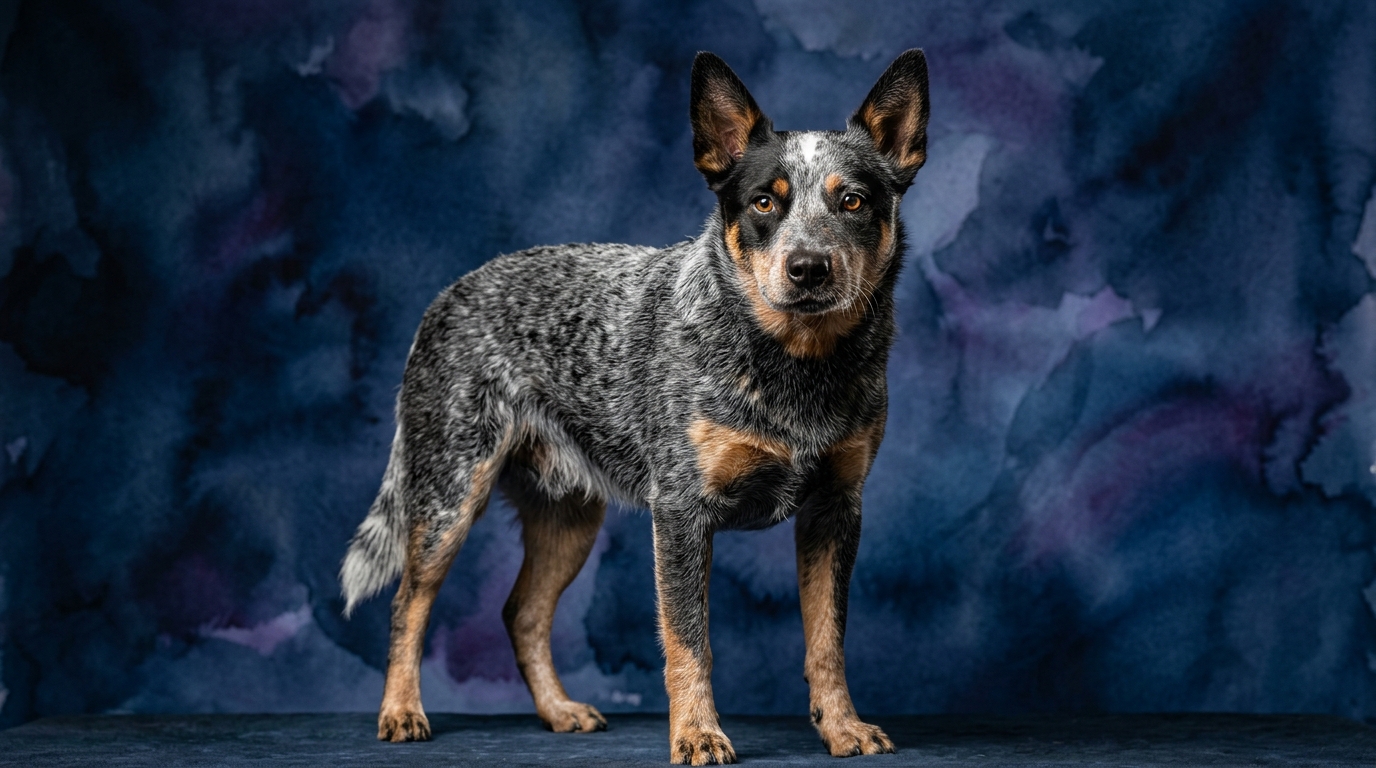
The Australian Cattle Dog (ACD) presents a cognitive profile optimized for intricate, dynamic tasks. Their Problem Solving score of 5/5 indicates an exceptional capacity to navigate complex situations, adapting strategies in real-time to manage livestock. Training Speed, also 5/5, reflects their rapid acquisition of new commands and routines, eager to collaborate with their handler. While their Social Intelligence stands at 3/5, they form strong working bonds, understanding human cues within a task-oriented context. An Instinctive Drive of 5/5 underscores their inherent motivation for herding, pursuing their natural inclinations with vigor. Finally, their Memory, rated 5/5, allows them to recall intricate patterns, commands, and spatial information, crucial for effective stock management.
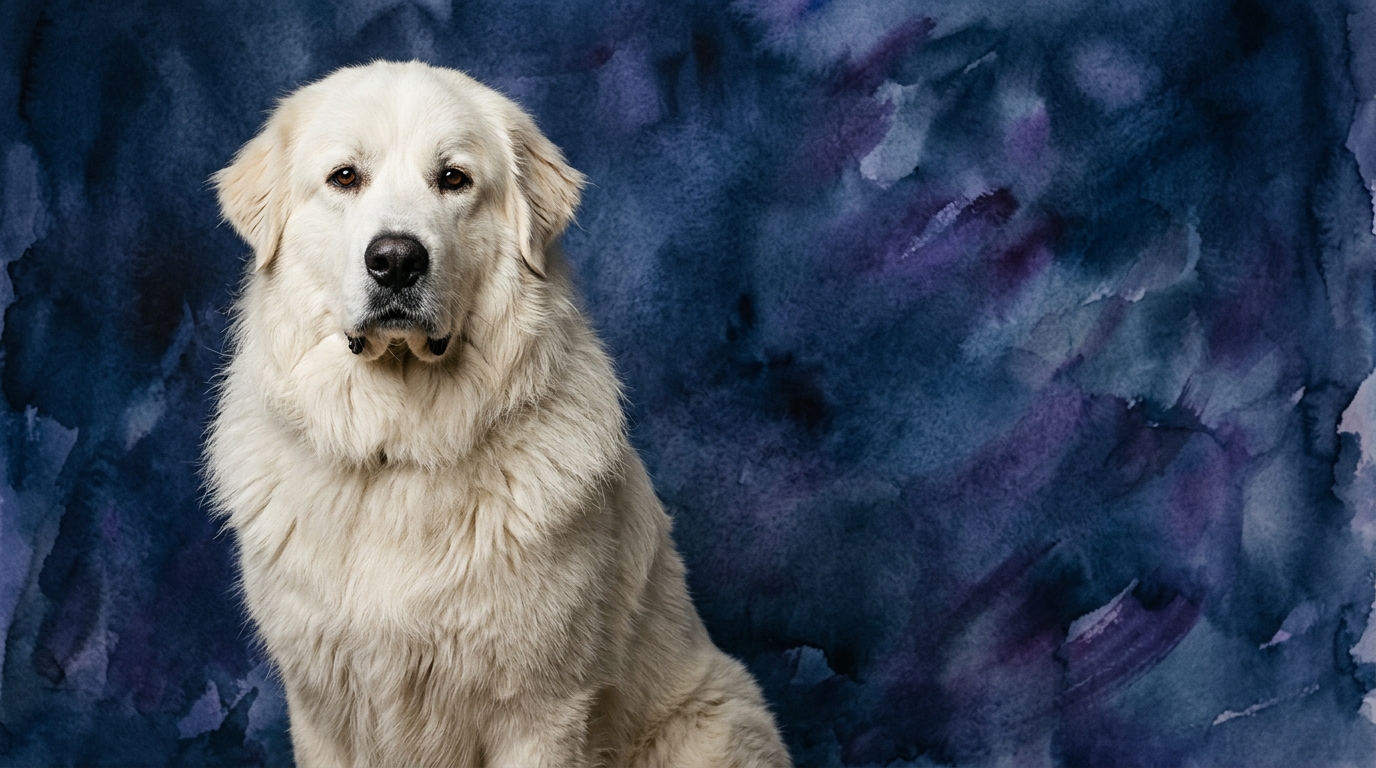
In contrast, the Great Pyrenees (GP) displays a cognitive architecture tailored for independent vigilance and protection. Their Problem Solving is rated 3/5, signifying a steady, deliberate approach to challenges, often relying on inherent judgment rather than immediate human direction. A Training Speed of 3/5 suggests they learn at a moderate pace, often requiring patience and consistent methods, as their primary motivation isn't always human approval. Their Social Intelligence, also 3/5, allows them to bond deeply with their flock and family, exhibiting a calm, protective demeanor. An Instinctive Drive of 3/5 points to a strong, yet self-directed, protective impulse, rather than an intense drive for human-directed tasks. Their Memory, at 3/5, serves them well for recognizing threats and maintaining long-term awareness of their territory and charges.
The ACD's Edge: Precision, Pace, and Purpose
The Australian Cattle Dog's cognitive strengths are profoundly evident in their ability to process and react to dynamic information with remarkable swiftness. Their 5/5 Problem Solving isn't just about finding solutions; it's about anticipating issues before they escalate, such as predicting a wayward animal's trajectory or adjusting their approach based on subtle environmental shifts. This rapid analytical capability, combined with a 5/5 Training Speed, means they don't just learn commands; they internalize the intent behind them, allowing for nuanced execution in varied scenarios. They excel in agility, obedience, and complex dog sports where quick thinking and immediate application of learned behaviors are paramount. Their exceptional Memory (5/5) enables them to retain vast repertoires of commands and recall intricate patterns of movement, making them highly efficient in repetitive or sequential tasks. This cognitive profile makes them outstanding partners for owners who value a dog capable of intricate teamwork and adaptive performance.
The Great Pyrenees' Advantage: Independent Judgment and Steadfast Vigilance
While the Great Pyrenees' IQ scores might appear lower in comparison to the ACD, their cognitive profile represents a distinct form of effectiveness, honed for independent action. Their strength lies not in rapid obedience to human commands, but in their capacity for autonomous decision-making in the absence of a handler. The 3/5 Problem Solving score reflects a deliberate, often self-initiated, assessment of threats and situations within their protected territory, prioritizing the safety of their flock over immediate human direction. This breed's Social Intelligence (3/5) is particularly potent in its application towards their charges, fostering deep bonds and an unwavering commitment to guardianship. Their Instinctive Drive (3/5) is channeled into a persistent, patient watchfulness, rather than high-energy bursts. They 'win' cognitively in their ability to operate effectively for extended periods without human intervention, making crucial judgments about perceived dangers, and maintaining a calm, authoritative presence. This cognitive independence, often perceived as stubbornness in traditional obedience contexts, is precisely what makes them exceptional livestock guardians, requiring minimal human oversight to perform their vital role.
Training Dynamics: Eagerness to Please vs. Independent Purpose
When considering ease of training, the Australian Cattle Dog typically presents a more straightforward experience for the average owner. Their 5/5 Training Speed is a testament to their readiness to learn and their intrinsic desire to engage with their human partners in a task-oriented manner. ACDs thrive on mental stimulation and enjoy the process of mastering new skills, often picking up complex routines after only a few repetitions. Their robust Memory further aids in solidifying learned behaviors quickly. This makes them highly responsive to positive reinforcement and consistent guidance, eager to perform and receive feedback. In contrast, the Great Pyrenees, with a 3/5 Training Speed, requires a different approach. Their cognitive independence means they are less motivated by mere human approval and more by what they perceive as purposeful or beneficial. While capable of learning, they may take longer to internalize commands and might choose to comply only if it aligns with their own assessment of the situation. Training a Pyrenees often involves patience, understanding their protective instincts, and framing requests in a way that respects their autonomous nature, rather than expecting immediate, unquestioning obedience.
Lifestyle Fit: Energetic Partnership vs. Calm Guardianship
The choice between an Australian Cattle Dog and a Great Pyrenees hinges significantly on an owner's lifestyle and expectations for canine companionship. The ACD is an ideal match for active owners who can provide consistent, high-intensity physical activity and substantial mental engagement. Their 5/5 Instinctive Drive requires outlets like herding, agility, long hikes, or complex puzzle solving. Without sufficient stimulation, their problem-solving skills and energy can manifest as destructive behaviors or excessive 'herding' of family members. They thrive with owners who enjoy structured activities and can integrate their dog into a dynamic, busy life. Conversely, the Great Pyrenees is better suited for owners who appreciate a more relaxed, independent companion, especially those with larger properties or a need for a dedicated guardian. While they need regular, moderate exercise to maintain health, their energy expenditure isn't typically focused on human-directed play or demanding tasks. Their cognitive strength lies in patient observation and protection, making them content with patrolling their territory and resting. They suit owners who value a calm presence, understand their need for autonomy, and are prepared for a dog whose primary 'work' might be quiet vigilance rather than constant interaction.
The Verdict
Choose an Australian Cattle Dog if you seek a highly engaged, collaborative partner for demanding activities, eager to learn and excel in complex tasks. They thrive with owners who can channel their intense drive and exceptional problem-solving into a shared, active lifestyle.
Opt for a Great Pyrenees if you value an independent, steadfast guardian, content with patrolling a territory and offering calm protection. They are best for owners who appreciate autonomy and can provide a spacious environment where their natural instincts can flourish without constant human direction.
🧠 Find Your Pet's IQ Score
Our Pet IQ Lab assessment covers 25+ tests across 5 cognitive dimensions — personalized to your breed.
Take the Full IQ Test →Frequently Asked Questions
Is the Great Pyrenees less intelligent than the Australian Cattle Dog based on Coren rank?
The Coren rank primarily assesses 'obedience and working intelligence,' reflecting a dog's ability to learn and comply with human commands quickly. While the Australian Cattle Dog's rank of #10 indicates exceptional responsiveness to training, the Great Pyrenees' #64 rank doesn't signify a lack of intelligence, but rather a different kind of cognitive strength. Their independence and self-reliance, crucial for livestock guarding, means they are less inclined to immediate human-directed obedience, which impacts their score in this specific metric.
What kind of mental stimulation does an Australian Cattle Dog need daily?
Australian Cattle Dogs require consistent and varied mental challenges to prevent boredom and destructive behaviors. This can include advanced obedience training, puzzle toys, scent work, agility courses, or even participating in actual herding activities. Daily structured training sessions that involve problem-solving tasks, coupled with ample physical exercise, are essential for their well-being.
How does the Great Pyrenees' independence manifest in daily life?
A Great Pyrenees' independence often means they will make their own decisions about perceived threats or territory, sometimes disregarding direct commands if they conflict with their guarding instincts. They may roam if not properly secured, preferring to patrol their boundaries. This trait also means they aren't typically 'velcro dogs,' instead preferring to supervise their surroundings from a comfortable vantage point, offering a calm, watchful presence rather than constant interaction.