Side-by-Side Cognitive Profiles
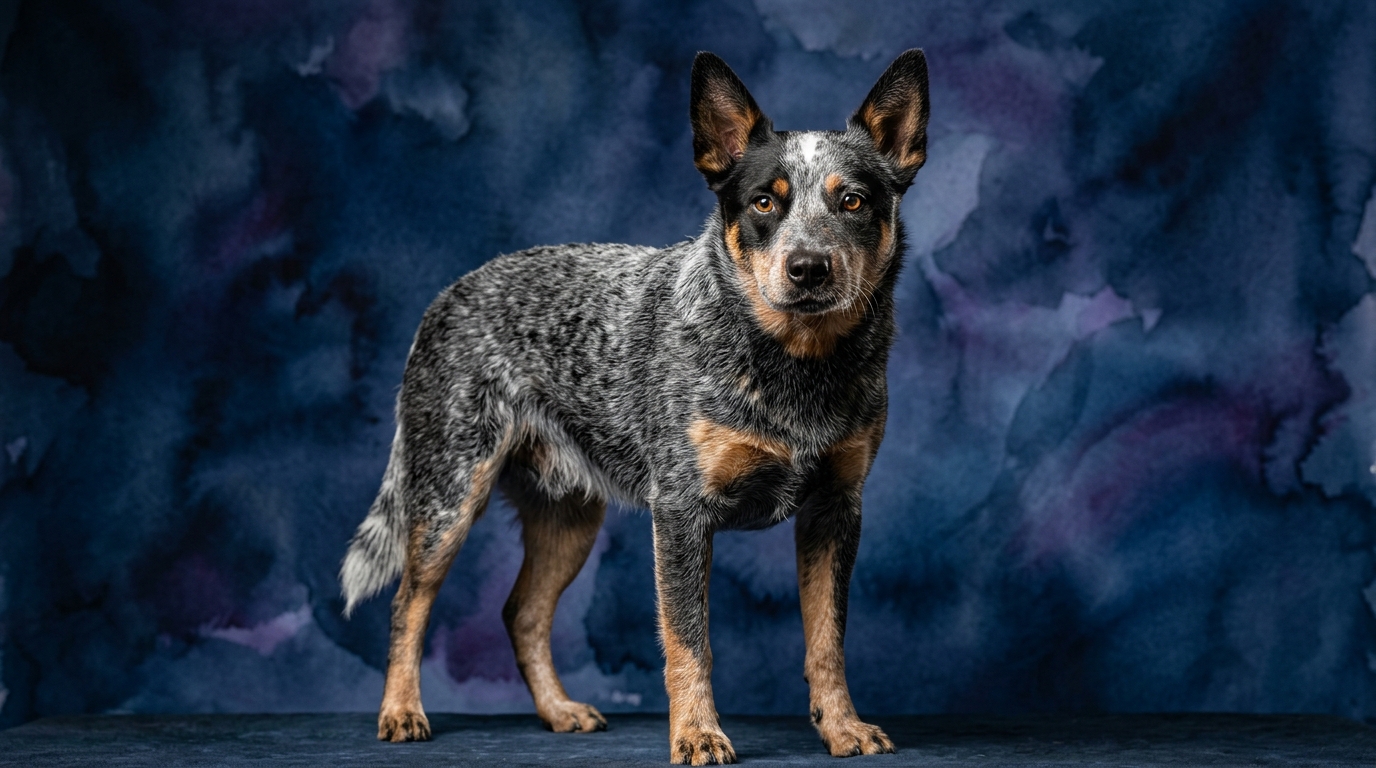
The Australian Cattle Dog, a breed forged for demanding work, exhibits a cognitive profile optimized for complex tasks and close partnership. Their Problem Solving is rated 5/5, reflecting an exceptional capacity to analyze situations, devise strategies, and execute solutions, often independently when managing livestock. Training Speed also stands at 5/5, indicating a rapid grasp of new commands and an eagerness to learn, making them highly receptive students. Social Intelligence is marked at 3/5, suggesting they understand social cues and form bonds, but perhaps with a more reserved or task-oriented focus compared to some highly effusive breeds. Instinctive Drive is a robust 5/5, a testament to their powerful natural urges for herding, pursuit, and vigilance. Finally, Memory is 5/5, enabling them to retain vast amounts of information, from complex routines to the locations of livestock or objects.
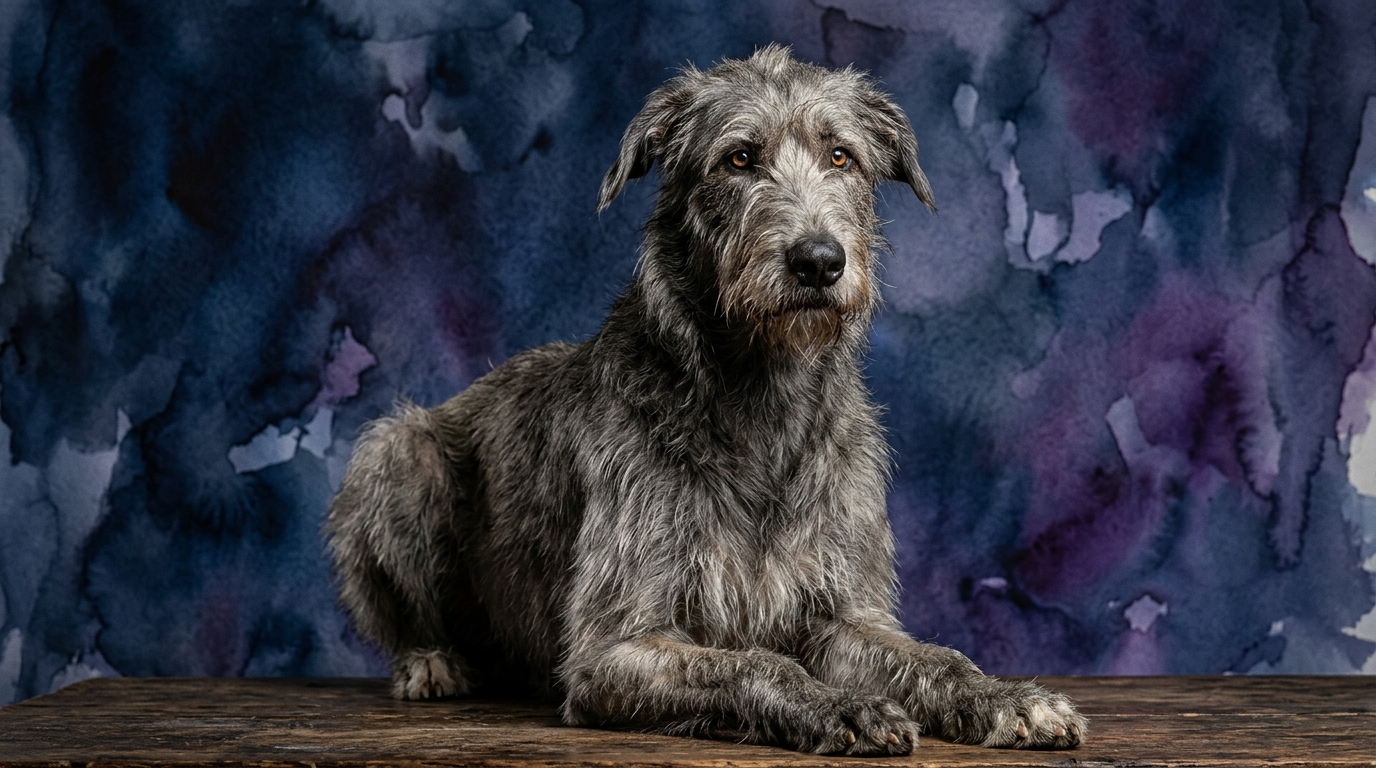
In contrast, the Irish Wolfhound presents a cognitive makeup attuned to different demands: independent hunting and a calm, majestic presence. Their Problem Solving is rated 3/5, indicating a moderate ability to navigate challenges, often relying on their physical attributes or a more straightforward approach rather than intricate planning. Training Speed is also 3/5, meaning they learn at a steady pace but may require more repetition or motivation than their herding counterparts. Social Intelligence matches the ACD at 3/5, signifying a capacity for meaningful social connections and understanding, albeit perhaps with a dignified aloofness. Instinctive Drive is 3/5, reflecting their ancestral sighthound urge to chase and pursue, but without the persistent, intense focus seen in herding breeds. Memory is rated 3/5, allowing them to recall learned behaviors and people, but perhaps not with the same depth or detail as a breed constantly processing complex environmental data.
Where the Australian Cattle Dog Excels Cognitively
The Australian Cattle Dog's cognitive strengths are deeply rooted in their herding heritage. Their superior Problem Solving (5/5) allows them to strategize livestock movement, block escape routes, and adapt to unpredictable animal behavior, often without direct human instruction. This manifests in their ability to quickly figure out puzzle toys, navigate complex environments, or even orchestrate household 'tasks.' Their rapid Training Speed (5/5) means they absorb new commands and routines with impressive efficiency, often requiring only a few repetitions to solidify a new behavior. This makes them exceptionally pliable for advanced obedience, agility, or working roles.
Furthermore, their potent Instinctive Drive (5/5) is not merely about chasing; it's about channeling that drive into purposeful action. This cognitive trait fuels their relentless work ethic and focus, enabling them to persevere through challenging tasks. Coupled with a perfect Memory (5/5), an Australian Cattle Dog can recall intricate sequences, specific commands learned months ago, and the layout of familiar territories with remarkable precision, making them reliable partners in any endeavor that demands consistent performance and recall.
Where the Irish Wolfhound's Cognitive Profile Shines
While not scoring as high in traditional 'working' intelligence metrics, the Irish Wolfhound’s cognitive profile is perfectly suited to its original role and temperament. Their Problem Solving (3/5) is often characterized by independent thought and a more direct, less fussed approach. When faced with an obstacle, an Irish Wolfhound might assess it with a calm deliberation, often choosing the most straightforward path rather than over-analyzing, a trait valuable for a solitary hunter needing to make swift decisions in open terrain. Their equal Social Intelligence (3/5) with the ACD suggests they are perfectly capable of deep bonds and understanding human moods, expressing affection with a quiet dignity rather than boisterous enthusiasm.
The Irish Wolfhound's moderate Instinctive Drive (3/5) means their prey drive, while present, is typically less persistent and obsessive than a herding breed's, allowing them to switch off from stimulation more readily. This contributes to their famed 'gentle giant' demeanor. Their moderate Training Speed and Memory (both 3/5) also mean they tend to be less prone to anxiety or destructive behaviors stemming from a constant, unmet need for intense mental stimulation. They are thinkers, but not necessarily 'over-thinkers,' capable of processing information and learning at a comfortable pace without the overwhelming intensity that can sometimes accompany higher-drive breeds, offering a calm, steady presence for their companions.
Training Ease: Australian Cattle Dog vs. Irish Wolfhound
When it comes to training ease, the Australian Cattle Dog typically presents a more straightforward experience due to their exceptional Training Speed (5/5) and Problem Solving (5/5). They are quick studies, often grasping new commands after only a few repetitions, and possess an inherent desire to work and please their handler. This means they are highly responsive to positive reinforcement and eager to engage in training sessions, making them ideal candidates for advanced obedience, agility, or complex task training. Their intense focus and drive mean they thrive on mental challenges, and a lack of consistent training can quickly lead to boredom and potentially mischievous, self-directed 'problem-solving.'
The Irish Wolfhound, with a Training Speed of 3/5 and Problem Solving of 3/5, requires a different approach. They learn at a steady pace, but often need more consistent repetition and patience. Their independent nature, a hallmark of sighthounds, means they may not always see the immediate 'point' of a command or may choose to comply on their own terms if not sufficiently motivated. While they are certainly capable of learning a wide array of commands, handlers must be consistent, patient, and make training enjoyable, often using food-based rewards to maintain engagement. They are not as inherently driven to 'work' for human approval in the same way an ACD is, requiring a handler who understands and respects their thoughtful, sometimes less urgent, demeanor.
Suitability for Active vs. Relaxed Owners
The Australian Cattle Dog is unequivocally suited for active owners who can match their tireless energy and formidable cognitive needs. Their high Instinctive Drive (5/5), Problem Solving (5/5), and Memory (5/5) demand constant engagement, both physical and mental. They excel in environments where they have a 'job' to do, whether that's herding, participating in dog sports like agility or flyball, or accompanying their owners on long hikes and runs. Owners who cannot provide sufficient outlets for their intense cognitive and physical energy may find their ACD inventing their own, often less desirable, activities. They thrive with structured routines and consistent mental challenges, making them ideal for individuals or families committed to an active, stimulating lifestyle.
The Irish Wolfhound, despite its immense size, often aligns better with more relaxed owners who appreciate a calm, dignified companion. While they need regular exercise to maintain their health and powerful physique, their energy tends to be expressed in bursts rather than sustained, all-day activity. Their moderate Instinctive Drive (3/5) means they are generally content with a good daily walk or a supervised run in a secure area, followed by long periods of lounging. Their problem-solving and training speed ratings suggest they are not perpetually seeking complex mental puzzles to solve; rather, they appreciate a stable, peaceful home environment. They are excellent companions for owners who enjoy a relaxed pace of life but can still provide the necessary space and occasional vigorous activity for a large breed.
The Verdict
Choose the Australian Cattle Dog if you are an active individual or family seeking a highly engaged, intellectually driven partner for demanding activities and consistent mental stimulation.
Opt for the Irish Wolfhound if you desire a gentle giant with a calm, independent spirit, appreciating a more relaxed pace of life but still prepared for the care and space a very large dog requires.
🧠 Find Your Pet's IQ Score
Our Pet IQ Lab assessment covers 25+ tests across 5 cognitive dimensions — personalized to your breed.
Take the Full IQ Test →Frequently Asked Questions
Do Australian Cattle Dogs require more mental stimulation than Irish Wolfhounds?
Yes, Australian Cattle Dogs, with their 5/5 Problem Solving and Memory, possess an acute need for constant mental engagement to prevent boredom and destructive behaviors. Irish Wolfhounds, at 3/5, require mental activity, but typically less intense and frequent stimulation.
Which breed is better for first-time dog owners?
Neither breed is typically recommended for novice owners without thorough research and preparation. However, the Irish Wolfhound might be slightly more forgiving due to its generally calmer demeanor and lower demand for constant 'work,' while the ACD's intense drive requires experienced handling.
How does social intelligence differ between these two breeds?
Both breeds have a Social Intelligence rating of 3/5, indicating they are capable of forming strong bonds and understanding social cues. The Australian Cattle Dog may express it with a more task-oriented focus, while the Irish Wolfhound often displays affection with a quiet, dignified demeanor.