Side-by-Side IQ Profile: Australian Cattle Dog vs. Miniature Pinscher
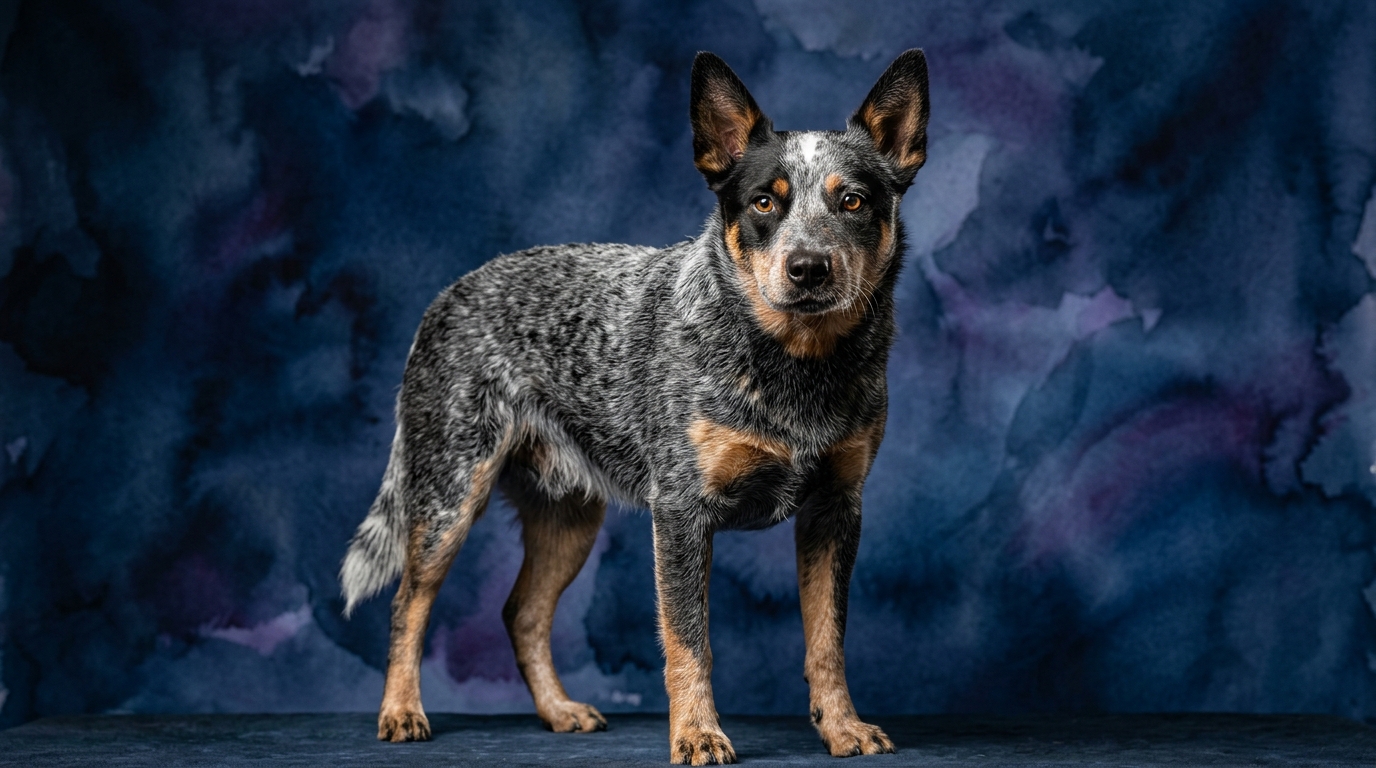
The Australian Cattle Dog, a distinguished member of the Herding group, holds an impressive Coren rank of #10, reflecting its deep cognitive capacities. Its IQ profile reveals exceptional aptitude: Problem Solving 5/5, indicating a remarkable ability to analyze and resolve complex situations; Training Speed 5/5, demonstrating a rapid grasp of new commands and concepts; Social Intelligence 3/5, suggesting a focus on task over broad social engagement, often reserved with strangers; Instinctive Drive 5/5, fueled by an intense, innate desire to herd and work; and Memory 5/5, reflecting an impressive capacity to retain learned information and complex sequences over long periods.
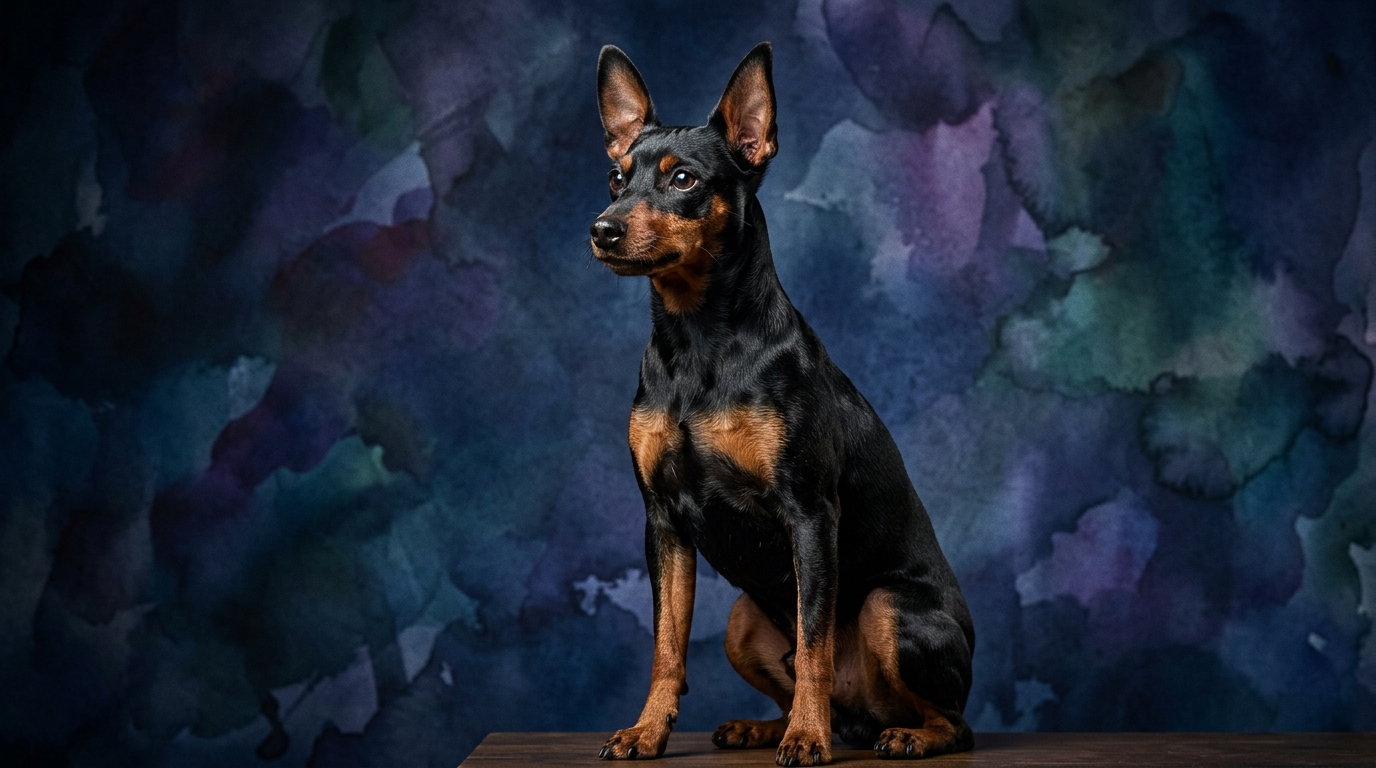
In contrast, the Miniature Pinscher, a lively Toy breed, is not Coren-ranked but presents a balanced cognitive profile suited to its companion role. Its scores include Problem Solving 3/5, indicating competence in navigating everyday challenges and learning routines; Training Speed 3/5, signifying a steady learning pace that requires consistent reinforcement; Social Intelligence 3/5, allowing for strong bonds with its family while being wary of strangers; Instinctive Drive 3/5, displaying a moderate internal impetus for exploration and play; and Memory 3/5, showing reliable retention of practical information and familiar commands.
Where the Australian Cattle Dog Wins Cognitively
The Australian Cattle Dog truly shines in areas demanding raw mental horsepower and practical application. With a perfect 5/5 in Problem Solving, these dogs don't just follow instructions; they actively analyze situations and devise solutions. This might manifest as figuring out how to open a complex latch, strategically maneuvering livestock, or even anticipating a handler's next move during an agility course. Their capacity for adaptive thinking is truly exceptional, allowing them to excel in dynamic, unpredictable environments where quick, independent decisions are crucial.
Furthermore, their 5/5 Training Speed and 5/5 Memory coalesce into an unparalleled learning machine. An ACD can absorb a multi-step command sequence in a fraction of the time many other breeds require, and then retain that knowledge for years. This isn't just about simple obedience; it extends to intricate tasks like scent detection, search and rescue patterns, or complex herding maneuvers. Their Instinctive Drive, also rated 5/5, fuels this cognitive engine, providing an unwavering motivation to engage with tasks and a deep satisfaction from purposeful work, making them relentless in their pursuit of goals.
Where the Miniature Pinscher Wins Cognitively
While the Miniature Pinscher doesn't boast the same high numerical scores as the Australian Cattle Dog, its cognitive profile is perfectly tailored for its role as an alert and engaging companion. A Problem Solving score of 3/5 indicates a dog that is perfectly capable of navigating its domestic environment, learning household rules, and even developing clever strategies to achieve its desires, such as finding dropped treats or manipulating owners for attention. This level of practical intelligence ensures they are not merely decorative but actively interact with their surroundings in meaningful ways.
The Min Pin's 3/5 in Training Speed and Memory, combined with a 3/5 Social Intelligence, means it learns routines and forms strong social bonds reliably. They might not master complex obedience as quickly as an ACD, but they are perfectly capable of learning a wide repertoire of commands and tricks with consistent effort. Their moderate Instinctive Drive (3/5) is also a cognitive advantage for many owners, as it provides enough spark for play and engagement without demanding the intense, constant mental stimulation that a high-drive working breed requires. Their "wins" are in their functional and balanced cognitive makeup, suitable for a companion animal that is both lively and manageable.
Which is Easier to Train and Why
Without a doubt, the Australian Cattle Dog (ACD) is generally easier to train for complex tasks and advanced obedience, owing to its superior cognitive scores. Their 5/5 Training Speed means they form associations between commands and actions almost instantly. This rapid processing is coupled with a 5/5 Instinctive Drive, which manifests as a profound desire to work alongside their handler and perform a job. This inherent motivation means ACDs are often self-starters in training, eagerly anticipating the next instruction and focusing intently on the task at hand. Their strong memory (5/5) further solidifies learned behaviors, making retraining less frequent.
The Miniature Pinscher, with its 3/5 Training Speed, requires a more patient and consistent approach. While capable of learning, they can be more easily distracted and may not possess the same inherent drive to please or work in a structured manner. Their spirited and independent nature, often described as having a "big dog" personality in a small package, means they can be more inclined to follow their own agenda if not properly motivated. Training a Min Pin often involves finding high-value rewards and making sessions engaging and fun to counteract their potential for stubbornness, whereas an ACD often finds the work itself intrinsically rewarding.
Which Suits Active Owners vs. Relaxed Owners
The Australian Cattle Dog unequivocally suits active owners who are prepared to integrate their dog into a demanding lifestyle filled with purpose and physical exertion. Their 5/5 Instinctive Drive means they are not content with simple walks; they require a "job" – whether that's herding, advanced obedience, agility, flyball, or extensive hiking. Their high Problem Solving and Memory scores mean their minds also need constant engagement, making them ideal for owners who enjoy teaching complex skills, participating in dog sports, or embarking on challenging adventures. A relaxed owner would quickly find an ACD becoming bored, potentially leading to destructive behaviors or excessive vocalization as they seek to fulfill their innate drives.
The Miniature Pinscher, with its more moderate 3/5 Instinctive Drive and Problem Solving, is a far better fit for relaxed owners, or those seeking a lively but less demanding companion. While spirited and enjoying regular play and walks, a Min Pin typically doesn't require the intense mental and physical output of an ACD. They thrive on companionship, indoor games, and shorter, regular outdoor excursions. An owner who enjoys cuddles on the couch as much as a brisk walk will find the Min Pin's cognitive and physical energy levels to be a harmonious match, providing entertainment without overwhelming demands.
The Verdict
Select an Australian Cattle Dog if you are an experienced, highly active owner committed to providing extensive mental stimulation and a clear purpose for a dog that thrives on work and complex challenges.
Opt for a Miniature Pinscher if you desire a spirited, engaging companion for a more relaxed lifestyle, appreciating its moderate cognitive needs and loyal, watchful nature.
🧠 Find Your Pet's IQ Score
Our Pet IQ Lab assessment covers 25+ tests across 5 cognitive dimensions — personalized to your breed.
Take the Full IQ Test →Frequently Asked Questions
Are Miniature Pinschers difficult to train compared to other breeds?
Miniature Pinschers possess a moderate training speed (3/5) and can be independent, making them require consistent, patient training with positive reinforcement, though they are certainly trainable for most companion roles.
Do Australian Cattle Dogs truly need a "job" to be content?
Yes, with a 5/5 instinctive drive and problem-solving, Australian Cattle Dogs thrive on purpose and significant mental and physical engagement; without it, they can become bored and potentially destructive.
Which breed is better suited for a first-time dog owner?
The Miniature Pinscher is generally more suitable for a first-time owner due to its more manageable energy levels and moderate cognitive demands compared to the Australian Cattle Dog's intense need for experienced guidance and extensive engagement.