Side-by-Side IQ Profile: Herding Prowess vs. Avian Acumen
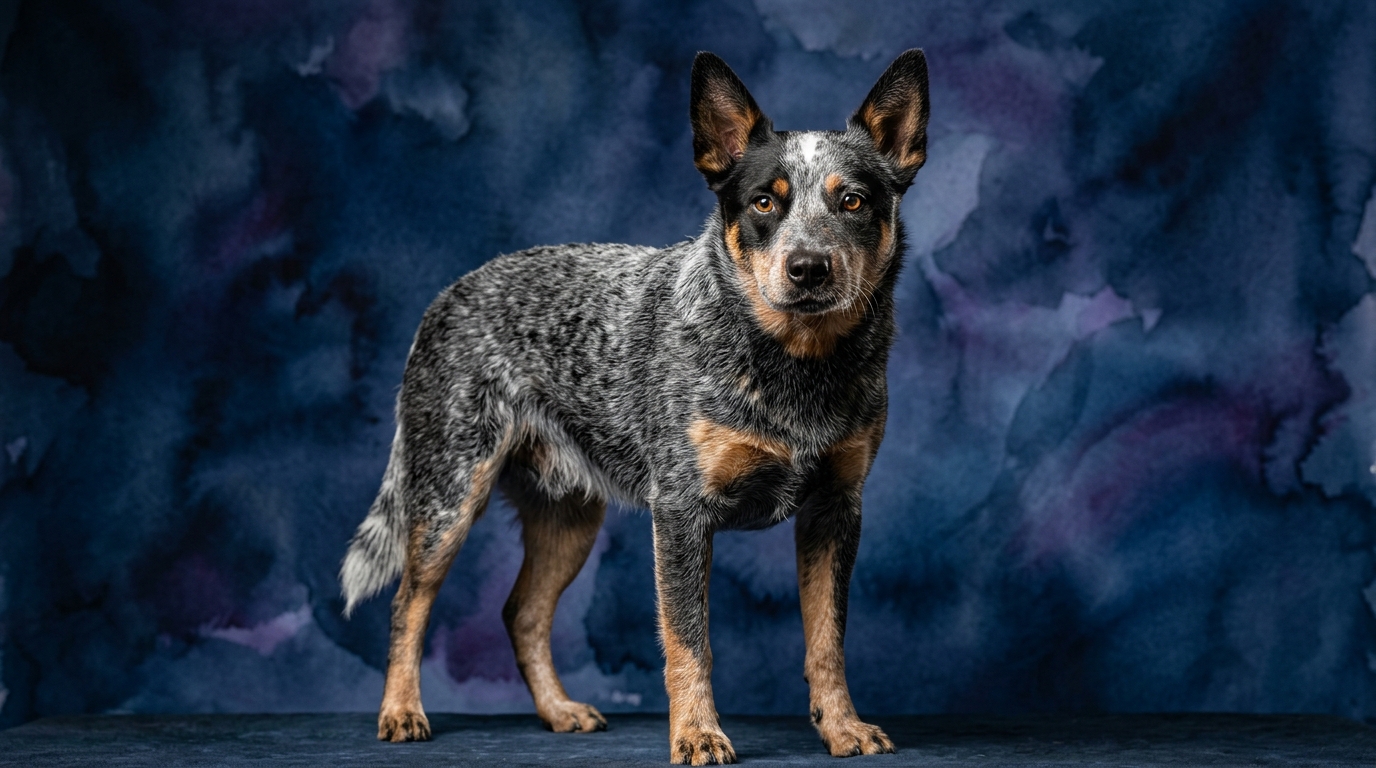
The Cosmic Pet Pet IQ Lab assesses canine intelligence across five key dimensions, providing a granular view of each breed's cognitive strengths. For the Australian Cattle Dog, a breed steeped in the demanding world of livestock management, its profile reflects a highly task-oriented and adaptable mind. Its Problem Solving is rated 5/5, indicating an exceptional capacity to navigate complex situations and strategize solutions, whether it's outsmarting a stubborn steer or figuring out a novel puzzle. Training Speed also scores 5/5, highlighting their eagerness and ability to grasp new commands and routines with remarkable efficiency. Social Intelligence, at 3/5, suggests they are attuned to human cues but maintain a degree of independence, not constantly seeking validation. An Instinctive Drive of 5/5 underscores their powerful, innate desire to work and respond to environmental stimuli related to their herding heritage. Finally, their Memory is also a perfect 5/5, allowing them to recall intricate patterns, commands, and experiences over long periods, essential for intricate herding maneuvers.
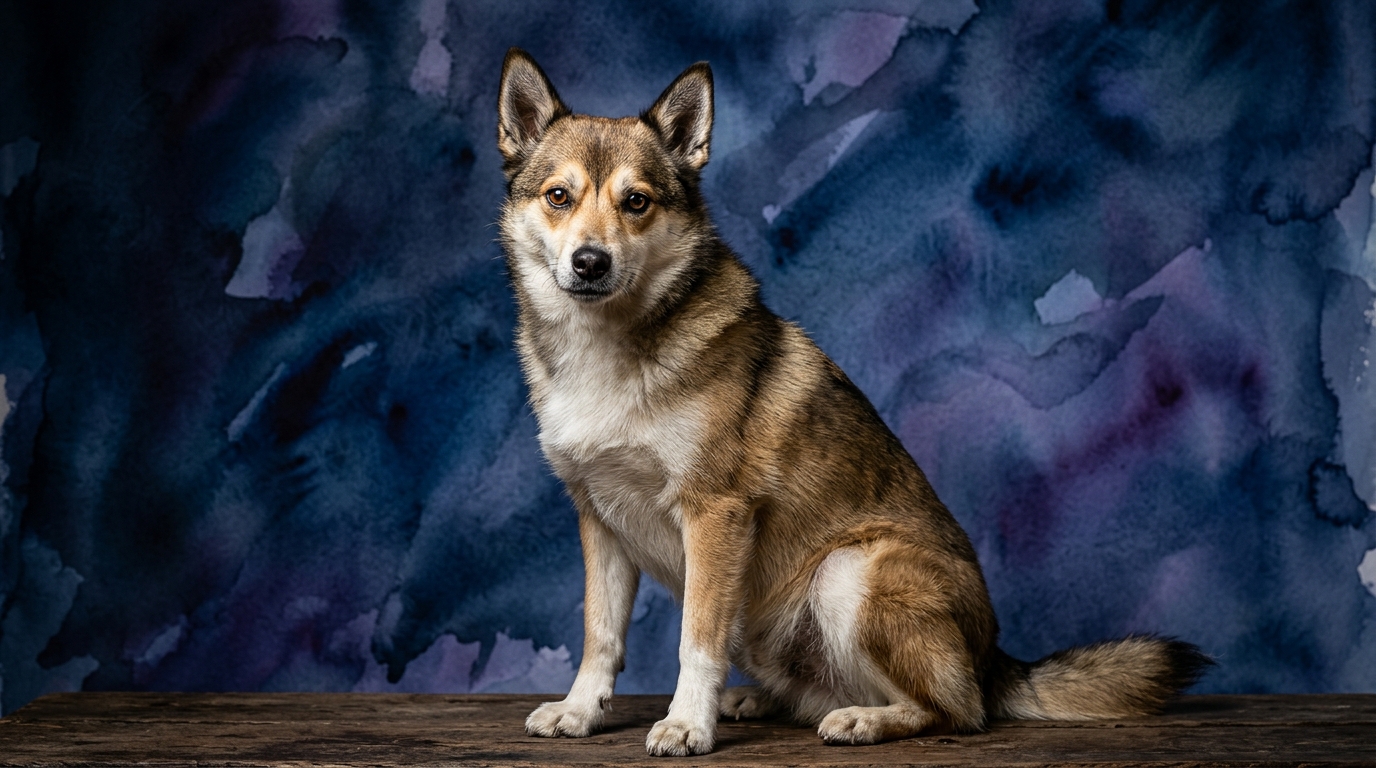
In contrast, the Norwegian Lundehund, a unique breed historically tasked with hunting puffins on treacherous coastal cliffs, presents a different cognitive blueprint. Its Problem Solving is rated 3/5, indicating a solid but not extraordinary ability to tackle new challenges, likely geared towards very specific environmental navigation rather than broad strategic thinking. Training Speed also sits at 3/5, suggesting they learn at a moderate pace, requiring consistent and engaging methods due to their independent streak. Social Intelligence, matching the ACD at 3/5, points to a dog that connects with its human companions but retains a self-reliant character. Its Instinctive Drive is 3/5, focused on its ancient hunting role but without the relentless, broad application seen in herding breeds. Lastly, their Memory is 3/5, sufficient for remembering routines and familiar territories but perhaps not for the vast array of complex commands an ACD might master.
Where the Australian Cattle Dog Wins Cognitively
The Australian Cattle Dog's cognitive architecture shines brightest in areas demanding sustained mental engagement and rapid adaptation. Its superior Problem Solving (5/5) is evident in its ability to independently assess and manage livestock, anticipating their movements and strategizing to guide them effectively, often in dynamic, unpredictable environments. This isn't just about following orders; it's about making real-time decisions under pressure. Their exceptional Training Speed (5/5) means they absorb new commands and complex sequences with minimal repetition, making them highly responsive partners in advanced obedience, agility, or competitive herding. This rapid learning extends beyond formal training into understanding complex household routines and anticipating owner needs.
Furthermore, the ACD's formidable Instinctive Drive (5/5) fuels a relentless work ethic and an unwavering focus on tasks, translating into a dog that thrives on having a purpose. This drive, combined with their perfect Memory (5/5), allows them to master and retain vast repertoires of commands, spatial layouts, and learned behaviors crucial for their demanding roles. They remember specific routes, the quirks of individual animals, and complex multi-step instructions, making them incredibly reliable and efficient. These combined strengths create a canine partner capable of intricate, self-directed work and quick adjustments, far beyond simple rote learning.
Where the Norwegian Lundehund Wins Cognitively
While the Norwegian Lundehund's general IQ scores are moderate, its cognitive strengths are highly specialized and uniquely adapted to its historical niche. Its Problem Solving (3/5) and Instinctive Drive (3/5), though not as broadly applicable as the ACD's, were honed for the incredibly specific and physically demanding task of hunting puffins in narrow, rocky crevices. This required exceptional spatial reasoning, body awareness, and the ability to navigate extremely confined and uneven terrain, often using its unique flexibility (like rotating its head almost 180 degrees and closing its ear canals) to extract prey. This specialized problem-solving isn't about managing a herd, but about intricate, individualistic navigation and extraction, a distinct cognitive challenge.
The Lundehund's Social Intelligence (3/5), matching the ACD, points to a robust independence that can be a significant advantage for certain owners. This isn't a dog that constantly seeks human direction or validation; rather, it possesses a self-sufficient nature that allows it to operate effectively on its own initiative. This independence, while sometimes perceived as stubbornness in training, means they are less prone to separation anxiety and can be content with their own company for periods. Their moderate Memory (3/5) is perfectly adequate for recalling specific hunting routes and the locations of nests, demonstrating a targeted cognitive efficiency for their ancient purpose, rather than a broad capacity for abstract concepts.
Which is Easier to Train and Why
Based on their Training Speed scores, the Australian Cattle Dog (5/5) is unequivocally easier to train than the Norwegian Lundehund (3/5). The ACD's inherent eagerness to please, combined with its high instinctive drive and rapid learning curve, means it grasps new commands and concepts with remarkable speed and enthusiasm. They thrive on structured training and mental challenges, often anticipating cues and responding with precision. Their focus and desire to work alongside their handler make them highly rewarding for owners committed to consistent, positive reinforcement training.
Conversely, the Norwegian Lundehund's moderate Training Speed is often influenced by its independent and sometimes cautious nature. While they are certainly capable of learning, they may require more patience, repetition, and creative motivation to maintain engagement. Their historical role didn't demand strict obedience to human commands in the same way a herding dog's did; instead, it fostered self-reliance. This can translate into a dog that sometimes appears stubborn or less inclined to perform repetitive tasks without clear, tangible rewards, making the training journey a more nuanced and potentially longer process.
Which Suits Active Owners vs. Relaxed Owners
For active owners, particularly those who enjoy outdoor adventures, dog sports, or have a specific job for their canine companion, the Australian Cattle Dog is an ideal match. Its high instinctive drive, problem-solving prowess, and exceptional memory demand significant physical exercise and, crucially, consistent mental stimulation. These dogs excel in activities like agility, obedience, flyball, and, of course, herding. An ACD needs a role to fulfill, and without adequate engagement, their formidable cognitive abilities and energy can lead to destructive behaviors or excessive self-appointed 'tasks' around the home. They are partners for owners who embrace a dynamic, engaged lifestyle.
The Norwegian Lundehund, while not a couch potato, generally suits owners with a different kind of activity preference. While they need regular exercise to maintain their unique physical health and moderate instinctive drive, they don't typically demand the same intensity or constant mental 'work' as an ACD. Their moderate social intelligence and independent streak mean they can be content with a good walk, some exploratory sniffing, and then settling down, rather than needing to be constantly 'on.' They might appeal to owners who appreciate a dog with a quirky personality, unique physical attributes, and a moderate energy level that fits into a less rigidly structured daily routine, though they still benefit from engaging activities that tap into their specialized problem-solving skills.
The Verdict
Choose the Australian Cattle Dog if you're seeking a highly trainable, driven, and mentally agile partner for demanding tasks, sports, or an extremely active lifestyle.
Opt for the Norwegian Lundehund if you appreciate a unique, independent companion with specialized cognitive adaptations, a moderate energy level, and a less intense training commitment.
🧠 Find Your Pet's IQ Score
Our Pet IQ Lab assessment covers 25+ tests across 5 cognitive dimensions — personalized to your breed.
Take the Full IQ Test →Frequently Asked Questions
Do Australian Cattle Dogs require a 'job' to be content?
Yes, their high instinctive drive and problem-solving abilities mean they thrive on having a purpose. Without a 'job,' whether it's formal herding, dog sports, or complex daily tasks, they can become bored and potentially destructive.
Are Norwegian Lundehunds prone to separation anxiety?
Their moderate social intelligence and independent nature generally make them less prone to severe separation anxiety compared to some breeds. They are often content to be on their own for reasonable periods, provided their exercise and social needs are met.
Can a Norwegian Lundehund excel in dog sports?
While not typically as fast to train as an ACD, a Lundehund can certainly participate and enjoy dog sports like agility or obedience with a patient and consistent owner. Their unique physical capabilities can even give them an edge in certain agility challenges, though their independent streak requires understanding.