Side-by-Side Cognitive Profiles
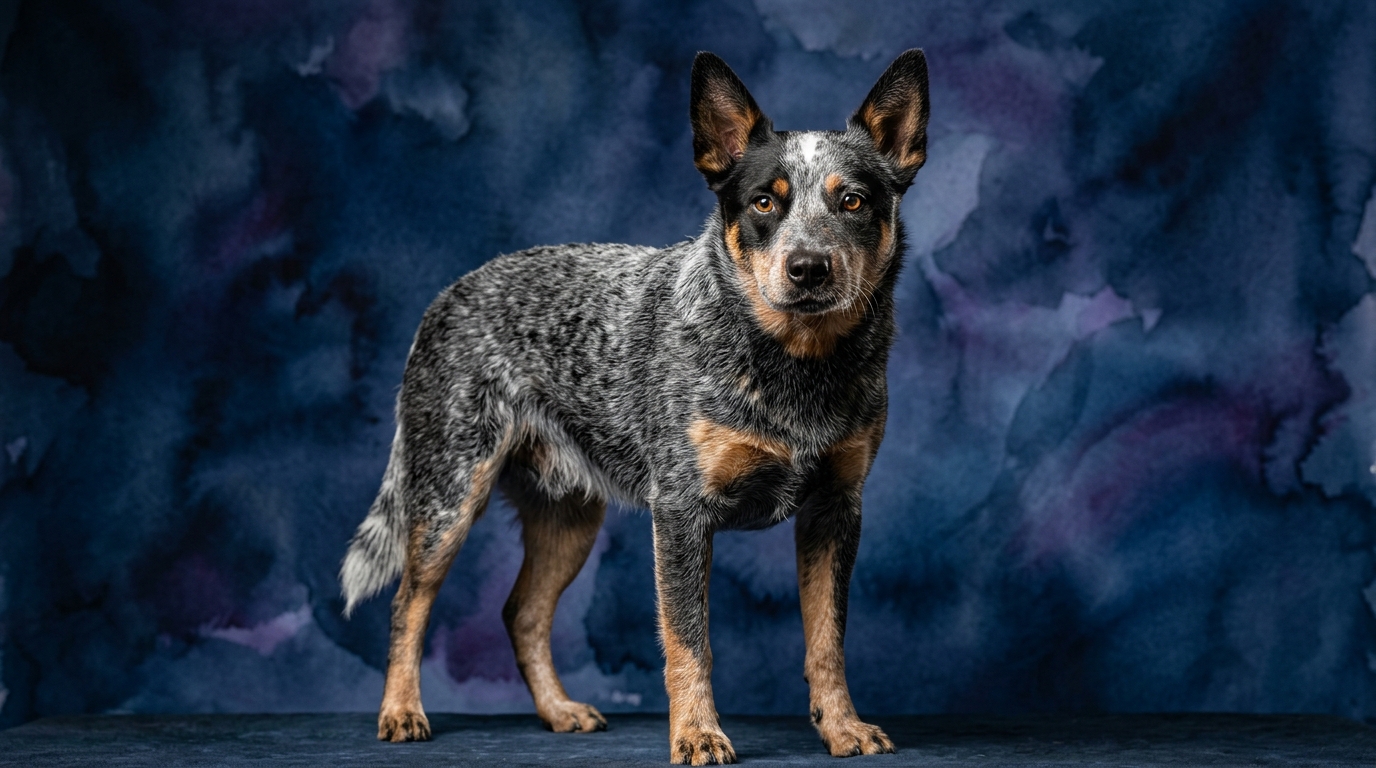
The Cosmic Pet Pet IQ Lab employs a comprehensive framework to evaluate canine intelligence, moving beyond simplistic notions of 'smartness' to assess specific cognitive dimensions. For the Australian Cattle Dog, a breed celebrated for its working prowess, its profile is dominated by high scores indicative of a formidable operational intellect. They achieve a 5/5 in Problem Solving, demonstrating an exceptional capacity to navigate complex scenarios and devise effective solutions, often independently. Their Training Speed also rates 5/5, meaning they grasp new commands and routines with remarkable rapidity, requiring minimal repetitions. Social Intelligence, at 3/5, suggests they are capable of forming strong bonds but may not always prioritize subtle human cues over their primary tasks or instincts. Instinctive Drive is a perfect 5/5, reflecting their powerful herding impulses and innate motivation to work. Memory, too, scores 5/5, underscoring their ability to retain complex sequences, commands, and environmental details over time. This breed’s Coren rank of #10 further solidifies its position as a highly capable and responsive working companion.
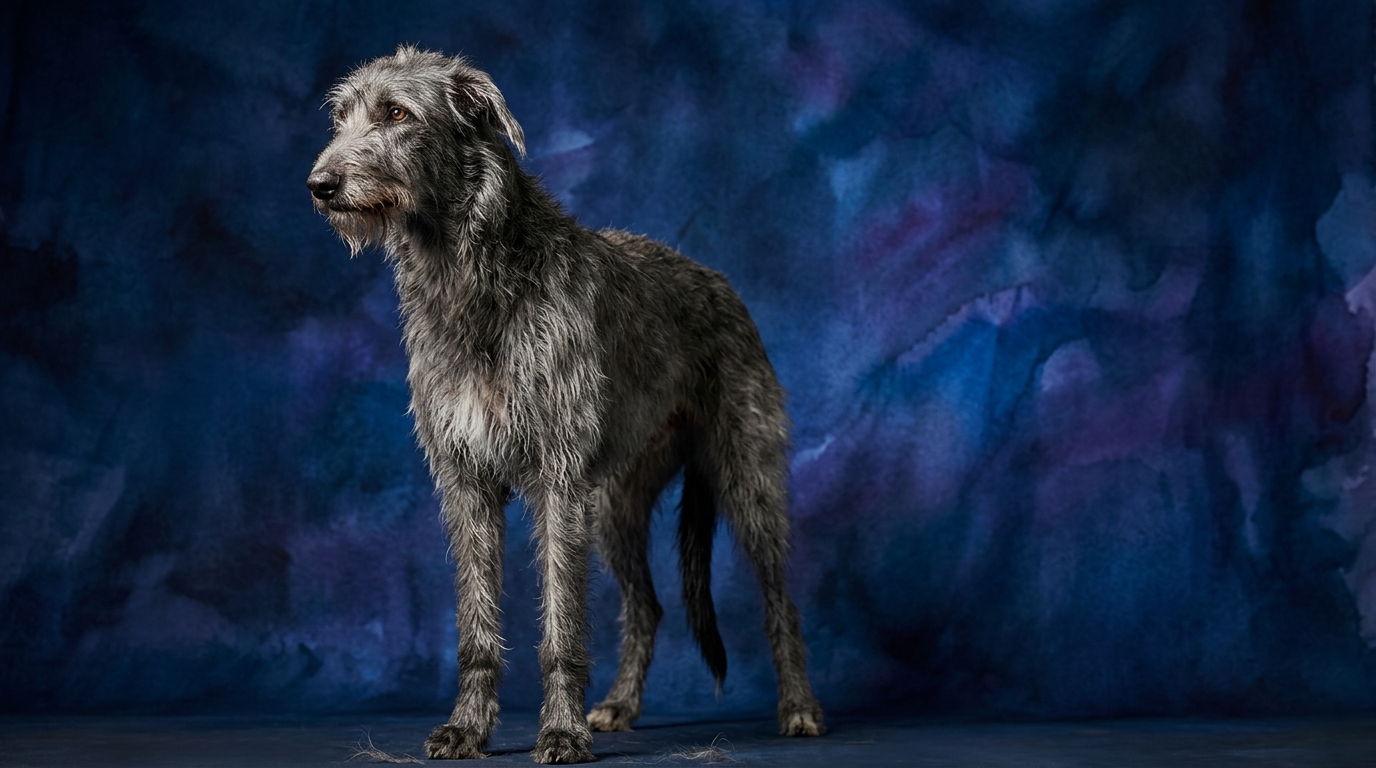
In contrast, the Scottish Deerhound presents a more balanced, yet distinctly different, cognitive blueprint. As a sighthound, their mental architecture is geared towards burst activities and keen observation rather than sustained, directed work. Their Problem Solving is rated 3/5, indicating they can certainly navigate challenges, but perhaps with less urgency or systematic approach than a working breed. Training Speed also sits at 3/5; they are capable of learning, but typically require more patience and engaging methods, reflecting an independent spirit rather than a lack of capacity. Social Intelligence, matching the ACD at 3/5, points to their gentle and affectionate nature within their family, though often reserved with strangers and not overtly people-pleasing. Their Instinctive Drive is 3/5, primarily focused on the chase inherent to sighthounds, but less perpetually active than a herding dog's drive. Memory, at 3/5, suggests they retain information adequately for their lifestyle, though perhaps not with the same encyclopedic recall for complex, human-imposed tasks as the ACD. The Scottish Deerhound is not Coren-ranked, which is common for breeds whose primary functions don't align with obedience trial metrics.
Where the Australian Cattle Dog Excels Cognitively
The Australian Cattle Dog's cognitive strengths are undeniably rooted in its heritage as a working dog, where efficiency and independent thought are paramount. Its 5/5 Problem Solving capacity means this breed doesn't just follow commands; it actively assesses situations and adapts. For instance, an ACD might intuitively find the most effective path to move a reluctant group of animals, or quickly learn to unlock a complex gate to access a desired area. This isn't rote learning; it's genuine strategic thinking applied to tangible challenges. Their 5/5 Training Speed is a testament to their neurological wiring for rapid assimilation of information. They often require only a few repetitions to master a new command, making them exceptionally responsive partners in training scenarios, from basic obedience to advanced dog sports. This quick uptake is further supported by their 5/5 Memory, which allows them to retain vast repertoires of commands, routines, and experiences. They can recall intricate sequences of actions or specific locations with remarkable accuracy, proving invaluable in demanding work or competitive environments. Finally, their 5/5 Instinctive Drive fuels all these cognitive processes, providing an unwavering motivation to engage, learn, and complete tasks, making them relentless in their pursuits.
Where the Scottish Deerhound Shines Cognitively
While the Scottish Deerhound’s cognitive scores might appear lower than the ACD's in some metrics, their intellect is simply channeled differently, reflecting their distinct evolutionary purpose. The Deerhound's 3/5 in Problem Solving often manifests as a more deliberative, self-reliant approach. They might not frantically try every solution to a puzzle, but instead observe, process, and then act with a calm, considered method. This can be a strength in environments where frantic energy is counterproductive. Their 3/5 Social Intelligence, while not indicating overt people-pleasing, speaks to a deeply affectionate yet reserved nature; they form profound, quiet bonds with their chosen humans, often displaying a nuanced understanding of their family's moods without constant overt interaction. The Deerhound's 3/5 Instinctive Drive, primarily focused on the chase, allows for intense bursts of activity followed by periods of profound calm. Cognitively, this means they are not constantly 'on' and seeking engagement, allowing for a more relaxed home presence compared to the perpetually driven ACD. Their 3/5 Memory is highly effective for remembering landscapes, scents, and the nuances of their environment, crucial for a sighthound. Their cognitive 'win' lies in their serene self-possession and the ability to switch between intense focus during a chase and a placid, observant state, demonstrating a mental efficiency tailored to their unique lifestyle.
Training Ease: A Tale of Two Drives
Training an Australian Cattle Dog is typically a dynamic and rewarding experience due to their 5/5 Training Speed and 5/5 Instinctive Drive. These dogs are eager learners, soaking up new commands and complex sequences with impressive speed. Their intense herding drive means they naturally look for a 'job' and thrive on direction, making training a highly effective outlet for their energy. However, this also means they require consistent mental challenges; without appropriate guidance and engagement, their problem-solving skills and drive can be channeled into undesirable behaviors like nipping at heels or over-controlling family members. They are incredibly consistent once a behavior is learned, but an owner must be equally consistent in their expectations.
Conversely, training a Scottish Deerhound, with its 3/5 Training Speed and 3/5 Instinctive Drive, requires a different approach rooted in patience and understanding of their independent nature. Deerhounds are not inherently driven by a need to please or a constant desire for a 'job' in the same way an ACD is. Their sighthound instincts mean they can be easily distracted by movement or potential prey, making consistent focus a challenge in open environments. They learn best through positive reinforcement, short, engaging sessions, and when the training feels like a collaboration rather than a command. They might take more repetitions to solidify a command, but once learned, it is often retained. Expecting the intense, rapid obedience of a working dog from a Deerhound will lead to frustration; instead, celebrating their gentle cooperation and independent spirit is key to a successful training relationship.
Lifestyle Match: Active Engagement vs. Relaxed Companionship
For owners seeking an active and deeply engaged canine partner, the Australian Cattle Dog is an ideal match. Their 5/5 Problem Solving and Instinctive Drive mean they require significant mental stimulation and physical exercise daily. They thrive in environments where they have a purpose, whether it's participating in dog sports like agility, obedience, or flyball, working on a farm, or accompanying owners on long hikes and runs. An ACD needs an owner who can commit to providing consistent training, varied challenges, and ample opportunities to utilize their considerable cognitive and physical energies. Without these outlets, their drive can lead to boredom and destructive behaviors, as their minds are constantly seeking engagement.
The Scottish Deerhound, on the other hand, suits owners who appreciate a more relaxed, yet still active, companion. While they benefit greatly from bursts of intense physical activity, such as a vigorous run in a securely fenced area or lure coursing, they are not demanding of constant mental engagement or perpetual 'work.' Their 3/5 Instinctive Drive means they are content to spend much of their day lounging indoors, observing their surroundings with a calm demeanor. They are excellent for owners who enjoy quiet companionship but can still provide regular opportunities for their sighthound instincts to be expressed safely. They thrive in homes where their gentle nature is appreciated, and their independence is respected, rather than constantly challenged with complex tasks.
The Verdict: When to Choose Each Breed
Deciding between an Australian Cattle Dog and a Scottish Deerhound hinges entirely on an owner's lifestyle, expectations, and capacity to meet distinct cognitive and behavioral needs. The Australian Cattle Dog is the choice for individuals or families who desire a highly interactive, task-oriented canine partner. You should choose an ACD if you are prepared to provide consistent, challenging mental stimulation and ample physical activity, embracing a dog whose keen problem-solving skills and relentless drive require purpose and direction.
Conversely, the Scottish Deerhound is better suited for those who appreciate a more independent, serene, and gentle companion. Choose a Scottish Deerhound if you seek a dog that is calm indoors, requires focused but not constant training, and enjoys intense bursts of exercise balanced with long periods of quiet relaxation, understanding that their cognitive strengths lie in observation and selective engagement rather than perpetual activity.
The Verdict
Choose the Australian Cattle Dog if you are prepared for a highly engaged, task-oriented partner who thrives on consistent mental challenges and robust physical activity.
Choose the Scottish Deerhound if you appreciate a gentle, independent companion who enjoys bursts of activity balanced with quiet relaxation, and values a calm home presence.
🧠 Find Your Pet's IQ Score
Our Pet IQ Lab assessment covers 25+ tests across 5 cognitive dimensions — personalized to your breed.
Take the Full IQ Test →Frequently Asked Questions
Are Scottish Deerhounds difficult to train because they are not Coren-ranked?
The absence of a Coren ranking for Scottish Deerhounds doesn't imply difficulty, but rather a different learning style compared to breeds excelling in obedience trials. They learn effectively with patient, positive reinforcement and shorter, engaging sessions, reflecting their independent sighthound nature rather than a deficit in learning capability.
How does the Australian Cattle Dog's high instinctive drive manifest in daily life?
An Australian Cattle Dog's 5/5 instinctive drive translates into a constant need for engagement and purpose, often expressed through herding behaviors like nipping at heels or trying to gather family members. This drive, while valuable for work, requires consistent mental and physical outlets in a companion setting to prevent boredom and redirected energy.
Can a Scottish Deerhound participate in dog sports despite its 3/5 training speed?
Absolutely. While their training speed is rated 3/5, Scottish Deerhounds can excel in sports like lure coursing, where their natural sighthound instincts for chasing are perfectly matched. They can also participate in obedience or agility with an owner who understands their independent spirit and keeps training sessions fun and rewarding.