Side-by-Side Cognitive Profiles
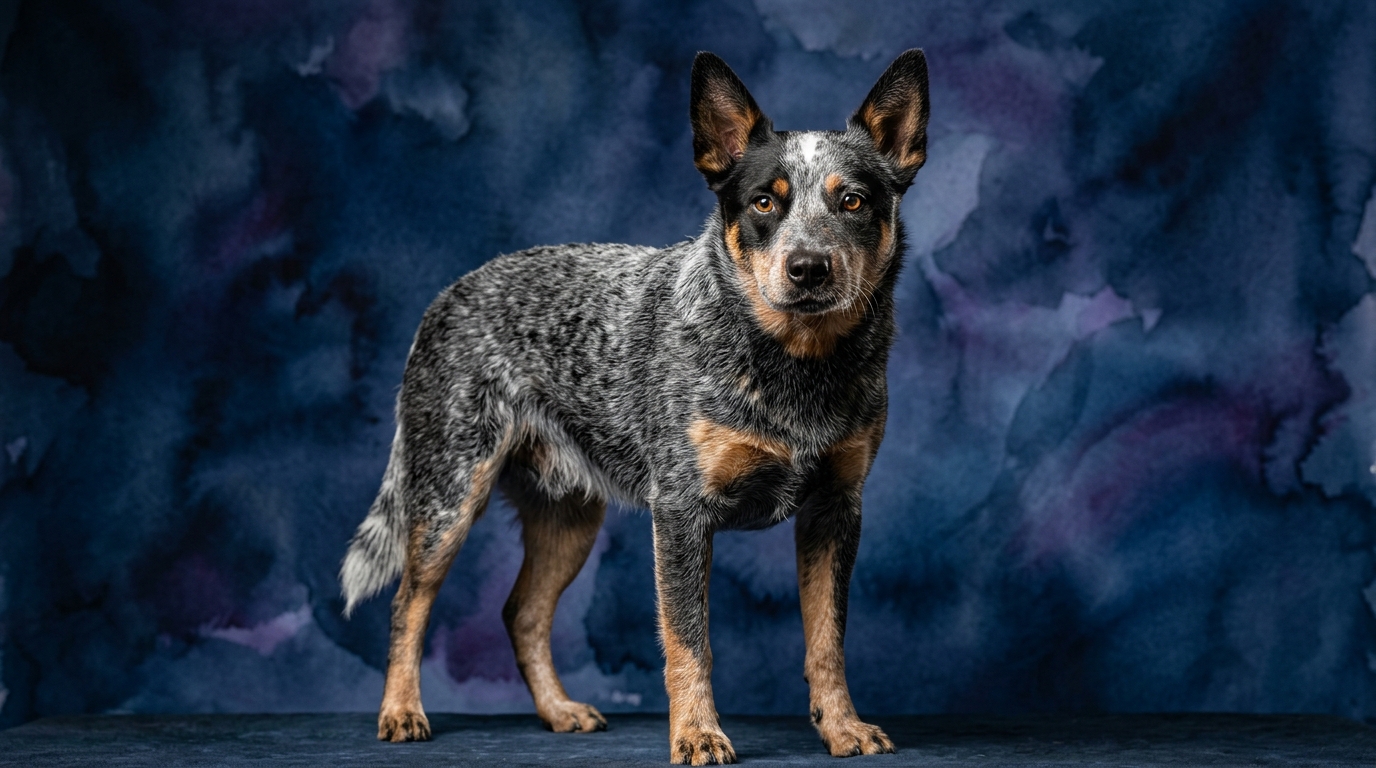
The Cosmic Pet Pet IQ Lab employs a five-dimensional framework to assess canine cognition, providing a nuanced understanding beyond simple obedience. For the Australian Cattle Dog, a Herding breed, their profile reflects a heritage of demanding work: Problem Solving 5/5, Training Speed 5/5, Social Intelligence 3/5, Instinctive Drive 5/5, and Memory 5/5. This breed is consistently ranked among the top working breeds, notably Coren rank #10, indicating a remarkable capacity for learning and executing complex commands.
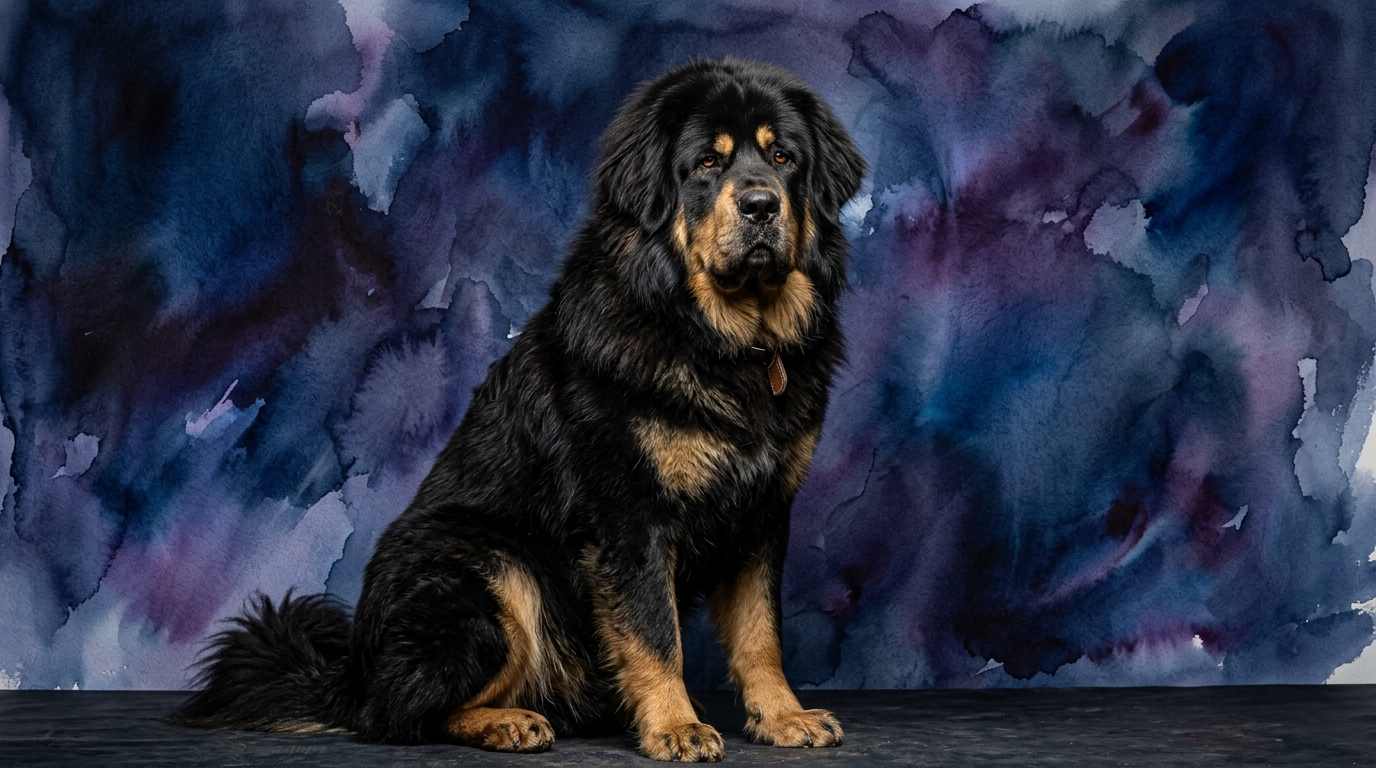
In contrast, the Tibetan Mastiff, a Working breed, presents a profile geared toward autonomous guardianship, with scores across the board at 3/5: Problem Solving 3/5, Training Speed 3/5, Social Intelligence 3/5, Instinctive Drive 3/5, and Memory 3/5. This breed is not Coren-ranked, reflecting a different set of cognitive priorities and a less biddable nature compared to breeds primarily selected for obedience and rapid task execution. Understanding these distinct profiles is key to appreciating their unique forms of intellect.
Where the Australian Cattle Dog Excels Cognitively
The Australian Cattle Dog's cognitive strengths are profoundly rooted in its herding lineage, demanding quick thinking and adaptive problem-solving. Their Problem Solving score of 5/5 indicates a remarkable ability to assess dynamic situations, such as anticipating the movements of livestock or navigating complex terrains to complete a task. This isn't just about following commands; it's about independent thought in the service of a goal, often requiring them to make split-second decisions and adjust strategies without direct human intervention.
Furthermore, their Training Speed (5/5) and Memory (5/5) are exceptional. An Australian Cattle Dog can grasp new commands and multi-step routines with impressive rapidity, retaining them over long periods. This cognitive agility allows them to master intricate sequences, excel in dog sports like agility and obedience, and seamlessly transition between different tasks. Their high Instinctive Drive (5/5) means they are internally motivated by purpose, channeling their mental energy into productive work, which translates into a dog that thrives on consistent engagement and mental challenges.
This breed's cognitive architecture is designed for intricate, dynamic interaction with its environment and handler, making them adept at learning and applying complex information. Their Coren ranking further solidifies their capacity for understanding and executing human directives efficiently, showcasing a form of working intelligence that is highly valued in various dog disciplines.
Where the Tibetan Mastiff's Cognition Shines
The Tibetan Mastiff's cognitive profile, while different from the Australian Cattle Dog, is perfectly adapted to its historical role as a formidable guardian. Their Problem Solving score of 3/5 reflects an intelligence focused on independent assessment and strategic vigilance rather than rapid-fire task completion. They excel at discerning threats, evaluating unfamiliar individuals, and making autonomous decisions about territorial defense. This involves a sophisticated understanding of their environment and a deep-seated ability to act on their own judgment, often without needing explicit direction.
Their Social Intelligence (3/5) is characterized by a discerning nature; they form profound bonds with their immediate family but maintain a reserved, watchful stance towards strangers. This isn't a deficiency in social understanding but a specialized form of cognition that prioritizes protection and family loyalty. Their Instinctive Drive (3/5) is powerfully geared towards guarding and territoriality, a steady, unwavering commitment that manifests as a formidable presence rather than constant physical exertion. Their memory (3/5) is sufficient for retaining crucial information about their territory, routines, and who belongs, allowing them to effectively manage their protective duties.
The Tibetan Mastiff's cognitive strengths lie in their self-sufficiency and unwavering dedication to their primary purpose. Their decision-making process is often deliberate and independent, a hallmark of a guardian breed that historically operated with minimal human oversight in vast, isolated territories. This distinct form of practical intelligence is invaluable for owners seeking a watchful, formidable presence rather than a highly biddable working partner.
Ease of Training: Compliance vs. Autonomy
When considering ease of training, the Australian Cattle Dog's profile (Training Speed 5/5, Memory 5/5) makes them remarkably responsive. They possess a keen desire to engage with their handler and excel at mastering new commands and routines with impressive speed. Their high instinctive drive means they often seek a 'job' and thrive on clear, consistent direction, making them eager participants in structured training sessions. This breed often finds mental stimulation in the learning process itself, making them highly rewarding for owners who enjoy active, progressive training.
In contrast, the Tibetan Mastiff's Training Speed (3/5) and independent nature mean that training requires a different approach. While capable of learning, they are not inherently driven by a desire for constant human approval or rapid compliance. Their 'stubbornness' is often a manifestation of their independent problem-solving and self-directed guarding instincts. Training a Tibetan Mastiff demands immense patience, positive reinforcement, and a deep respect for their autonomy, focusing on building trust and consistency rather than expecting immediate, eager obedience. They respond best when they understand the 'why' behind a command or when it aligns with their protective duties, rather than simply performing for the sake of it.
Matching Breeds to Lifestyles: Active Engagement vs. Watchful Presence
For owners with active lifestyles, the Australian Cattle Dog is an ideal companion. Their high Problem Solving, Training Speed, and Instinctive Drive mean they require significant mental and physical engagement. They thrive in environments where they have a 'job' to do, whether it's herding, participating in dog sports, or embarking on challenging hikes. Owners who can provide consistent training, varied activities, and an outlet for their intense energy will find an exceptionally devoted and capable partner. This breed is not suited for a sedentary life; their cognitive and physical needs demand an engaged, proactive owner.
The Tibetan Mastiff, on the other hand, suits owners who appreciate a formidable, watchful presence rather than a constantly active companion. While they require moderate exercise, their primary need is for a secure territory to guard and a clear understanding of their role within the family. They are not dogs that seek constant interaction or high-impact activities. Owners must understand and respect their independent nature and strong guarding instincts, providing a stable, calm environment where their inherent protective qualities can flourish. This breed is best for those who value a self-reliant guardian and are prepared to manage a dog with a discerning social intelligence and a powerful sense of territory.
The Verdict
Choose an Australian Cattle Dog if you desire a highly engaged, trainable partner for sports, work, or an active lifestyle, who thrives on consistent mental and physical challenges and seeks a 'job'.
Opt for a Tibetan Mastiff if your priority is a steadfast, independent guardian for your property and family, and you understand and respect their need for autonomy and a secure, well-defined environment.
🧠 Find Your Pet's IQ Score
Our Pet IQ Lab assessment covers 25+ tests across 5 cognitive dimensions — personalized to your breed.
Take the Full IQ Test →Frequently Asked Questions
Is the Australian Cattle Dog truly a "smarter" breed?
The Australian Cattle Dog excels in areas like problem-solving and training speed, making them exceptionally adept at tasks requiring rapid learning and adaptation. Their cognitive strengths are geared towards dynamic herding challenges, which often translates to higher scores in traditional obedience and working intelligence assessments.
How does the Tibetan Mastiff's independence affect its cognitive performance?
The Tibetan Mastiff's independent nature is a core aspect of its guarding intelligence, allowing it to make autonomous decisions regarding perceived threats without constant human instruction. While this may mean slower compliance in obedience training compared to more biddable breeds, it reflects a strong capacity for self-reliance and situational assessment crucial for its protective role.
Can a Tibetan Mastiff be trained for complex tasks like an Australian Cattle Dog?
While a Tibetan Mastiff can learn commands and routines, their motivation and learning style differ significantly from an Australian Cattle Dog. They are less inclined to perform complex, rapid-fire tasks purely for human approval, often preferring to engage with tasks that align with their guarding instincts or personal interests, requiring more patience and tailored approaches in training.