Side-by-Side IQ Profile: Australian Cattle Dog vs. Tibetan Spaniel
The Cosmic Pet Pet IQ Lab assesses canine cognition across five crucial dimensions: Problem Solving, Training Speed, Social Intelligence, Instinctive Drive, and Memory. Let's examine how the Australian Cattle Dog (ACD) and Tibetan Spaniel (Tibbie) measure up.
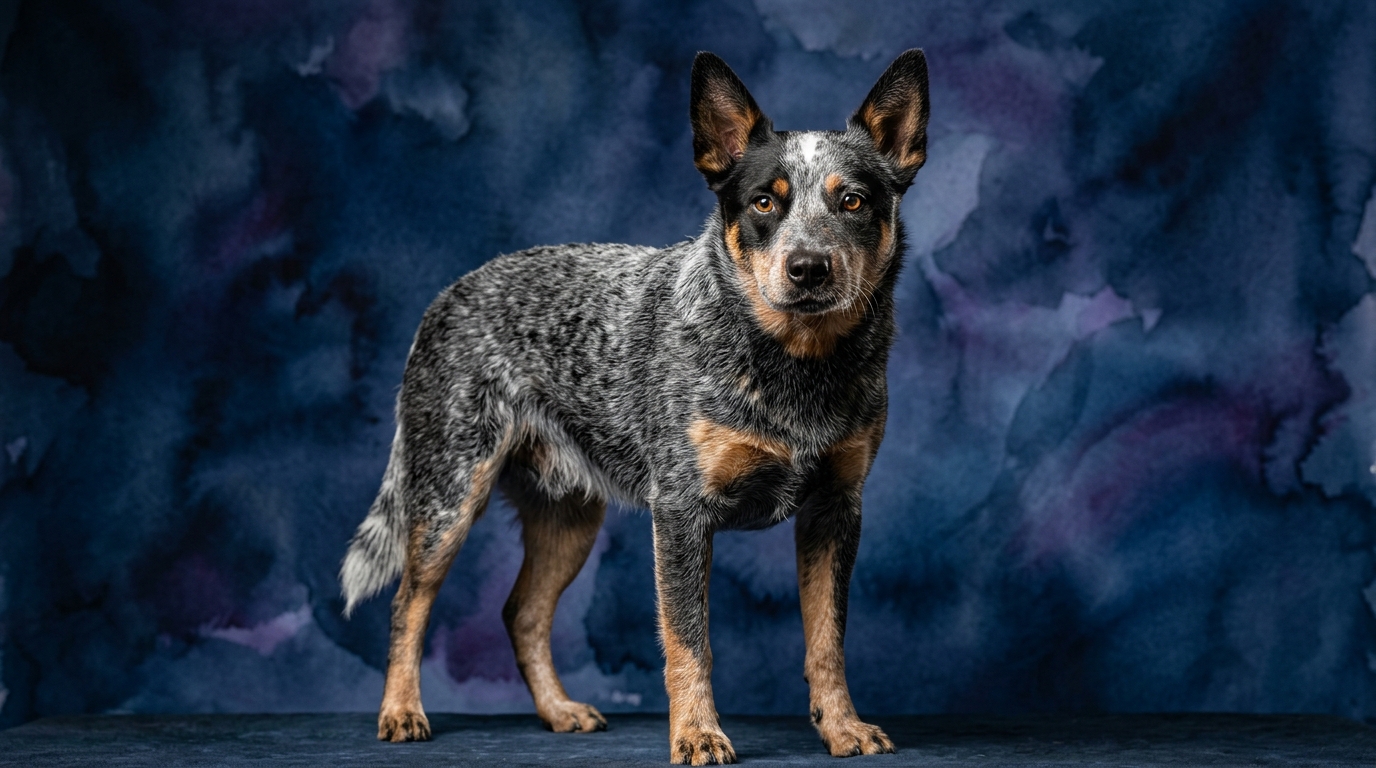
**Australian Cattle Dog (ACD)**: Ranked #10 by Stanley Coren for working intelligence, the ACD is a powerhouse of applied cognition. Their Problem Solving is rated 5/5, indicating an exceptional capacity to navigate complex situations and devise effective strategies. Training Speed also scores 5/5, reflecting their rapid grasp of commands and eagerness to learn. Social Intelligence is 3/5, suggesting strong bonds with their primary handlers but often reservedness with strangers. Their Instinctive Drive is a formidable 5/5, rooted in their herding heritage, while Memory is also a perfect 5/5, crucial for retaining intricate routines and tasks.
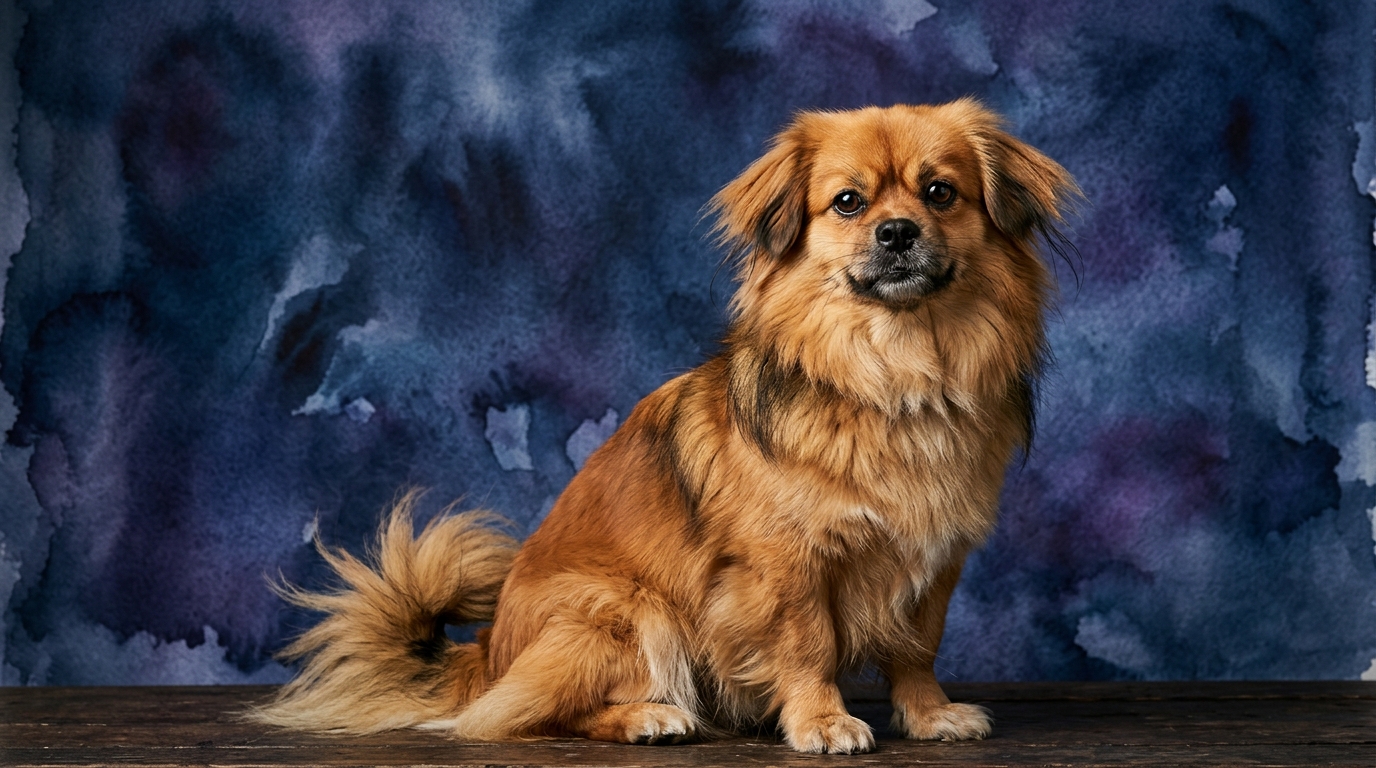
**Tibetan Spaniel (Tibbie)**: Not listed in Coren's ranking, the Tibbie's cognitive profile showcases different strengths. Their Problem Solving is 3/5, indicating an ability to figure things out, especially when motivated by comfort or attention, though not with the same work-oriented intensity as an ACD. Training Speed is 3/5; they are capable learners but often require more patience due to their independent streak. Social Intelligence is 3/5, meaning they are keenly attuned to their family's moods but can be aloof with outsiders. Instinctive Drive is 3/5, primarily focused on companionship and watchful guardianship. Their Memory is also 3/5, sufficient for routines and key experiences, though perhaps not for vast repertoires of complex tasks.
Where the Australian Cattle Dog Excels Cognitively
ACDs demonstrate a clear cognitive advantage in areas demanding structured thought and physical application. Their problem-solving abilities (5/5) are frequently channeled into practical tasks, such as figuring out how to gather livestock or navigate obstacles efficiently, showcasing a robust capacity for strategic thinking. This is intrinsically linked to their exceptional instinctive drive (5/5), which provides relentless motivation to engage with and master challenges.
Their Coren rank of #10 underscores their superior capacity for understanding and executing complex commands, reflecting a mind built for intricate work and rapid learning. The ACD's memory (5/5) is also a standout, allowing them to retain extensive repertoires of commands and routines, critical for consistent performance in demanding environments. This combination allows them to excel in roles requiring precision, quick decision-making, and consistent performance over long periods.
Where the Tibetan Spaniel Shines Cognitively
The Tibetan Spaniel, while not excelling in the same work-oriented metrics, presents a different spectrum of cognitive strengths, particularly in areas related to nuanced companionship and environmental awareness. Their social intelligence, rated 3/5, manifests as a keen ability to read human emotions and adapt their behavior to foster harmonious cohabitation, often acting as sensitive emotional barometers for their owners.
While not reflected in a Coren ranking, their problem-solving (3/5) often involves clever manipulation of their environment or human attention to achieve comfort or desired outcomes, a testament to their resourcefulness in a domestic setting. Their instinctive drive (3/5) is less about physical labor and more about watchful observation and alert companionship, making them adept at noticing subtle changes in their surroundings and signaling their human protectors. This breed’s cognitive strengths lie in their capacity for adaptive living within a human family structure, valuing comfort and connection over task completion.
Training Dynamics: Which is Easier to Train and Why?
The Australian Cattle Dog generally presents an easier training experience for owners seeking a highly responsive and obedient companion, primarily due to their 5/5 training speed and deep-seated desire to work. Their genetic predisposition for understanding and executing commands, coupled with a powerful instinctive drive, means they actively seek direction and thrive on having a job. They absorb new information rapidly and display a strong commitment to tasks once understood, making advanced training a relatively smooth progression.
In contrast, the Tibetan Spaniel, with a 3/5 training speed, requires a more patient and nuanced approach. While intelligent, Tibbies possess an independent spirit and a propensity for selective hearing, often weighing whether a command aligns with their own interests. Training a Tibbie involves consistent positive reinforcement, making tasks engaging, and understanding that their motivation stems more from companionship and comfort than from an innate drive to obey for obedience's sake. ACDs are eager learners who view training as a partnership, whereas Tibbies see it as a negotiation, requiring more persuasive techniques.
Matching Lifestyles: Active Owners vs. Relaxed Owners
For active owners seeking a dynamic partner, the Australian Cattle Dog is an ideal match. Their robust instinctive drive (5/5) and high problem-solving capacity (5/5) mean they require significant mental and physical engagement daily. Activities like agility, herding trials, advanced obedience, or long, challenging hikes are not just preferred but essential for their well-being. An ACD thrives when given a purpose and will become restless and potentially destructive if under-stimulated, making them unsuitable for sedentary households.
Conversely, the Tibetan Spaniel is perfectly suited for more relaxed owners. Their moderate instinctive drive (3/5) and lower demand for intense physical exercise mean they are content with regular walks, supervised play in a secure yard, and ample cuddle time. While they appreciate mental stimulation, it doesn't need to be as rigorous or task-oriented as an ACD's. Tibbies excel as vigilant, affectionate companions who enjoy being part of family life without needing a constant 'job,' fitting seamlessly into a less demanding lifestyle.
The Verdict
Choose an Australian Cattle Dog if you are an experienced, active owner seeking a highly trainable, driven partner for complex tasks and vigorous exercise.
Opt for a Tibetan Spaniel if you desire a devoted, independent, and observant companion who thrives on close family bonds and a more relaxed, but still engaging, lifestyle.
🧠 Find Your Pet's IQ Score
Our Pet IQ Lab assessment covers 25+ tests across 5 cognitive dimensions — personalized to your breed.
Take the Full IQ Test →Frequently Asked Questions
Does a lower Coren rank mean a dog is less intelligent?
Not necessarily; Coren's ranking primarily assesses obedience and working intelligence, meaning a non-ranked breed like the Tibetan Spaniel may possess different cognitive strengths not measured by those specific criteria. It indicates a difference in how their intelligence manifests, not a deficit in overall mental capacity.
Can a Tibetan Spaniel participate in dog sports?
Yes, Tibetan Spaniels can certainly participate in dog sports like obedience, rally, or even agility, especially if the activities are approached with patience and fun. While they may not have the ACD's raw drive, their problem-solving and memory (both 3/5) allow them to learn and enjoy these challenges, often excelling with positive reinforcement.
How does the 'instinctive drive' rating impact daily life?
A high instinctive drive, like the Australian Cattle Dog's 5/5, means the dog will actively seek outlets for their innate behaviors, such as herding or chasing, requiring structured activities to prevent unwanted manifestations. A moderate drive, like the Tibetan Spaniel's 3/5, translates to a more adaptable companion whose instincts are less overwhelming and more easily integrated into a typical household routine without constant management.