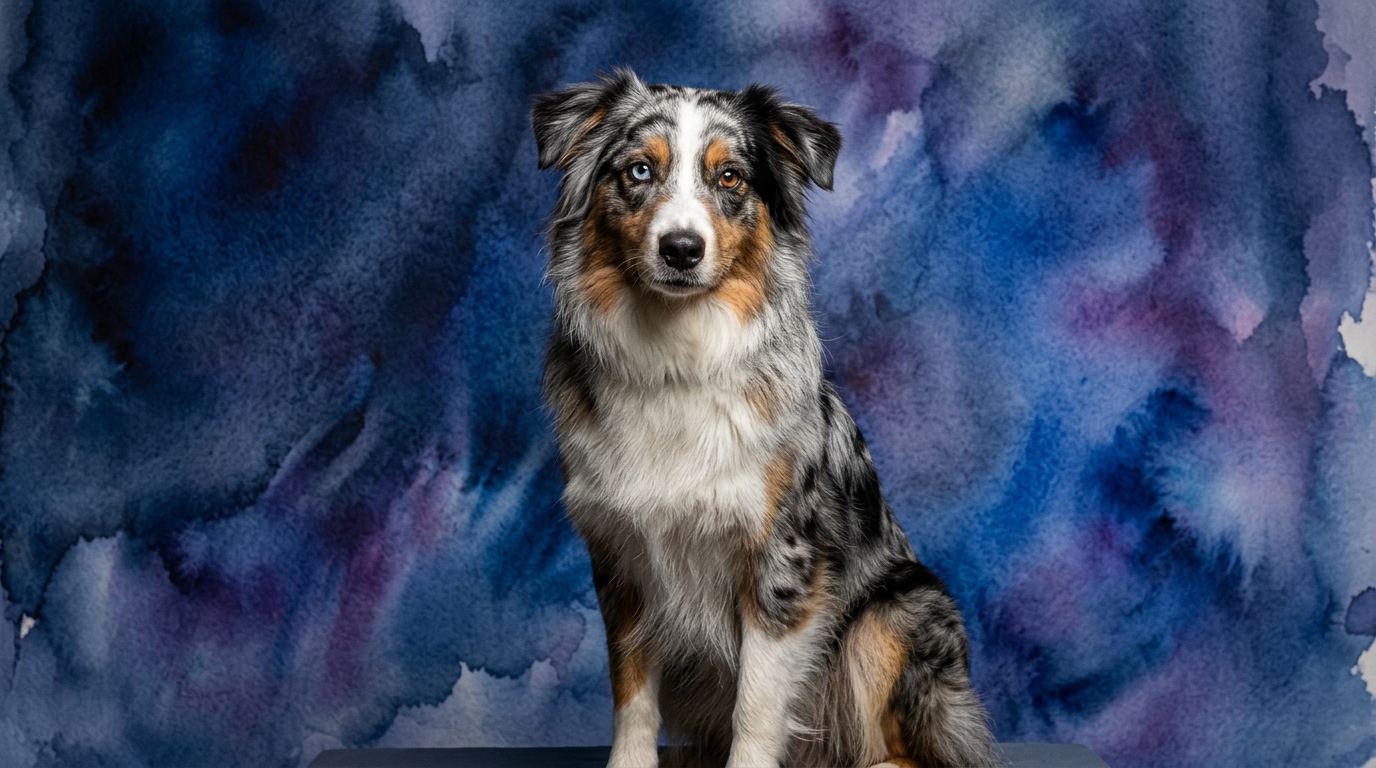
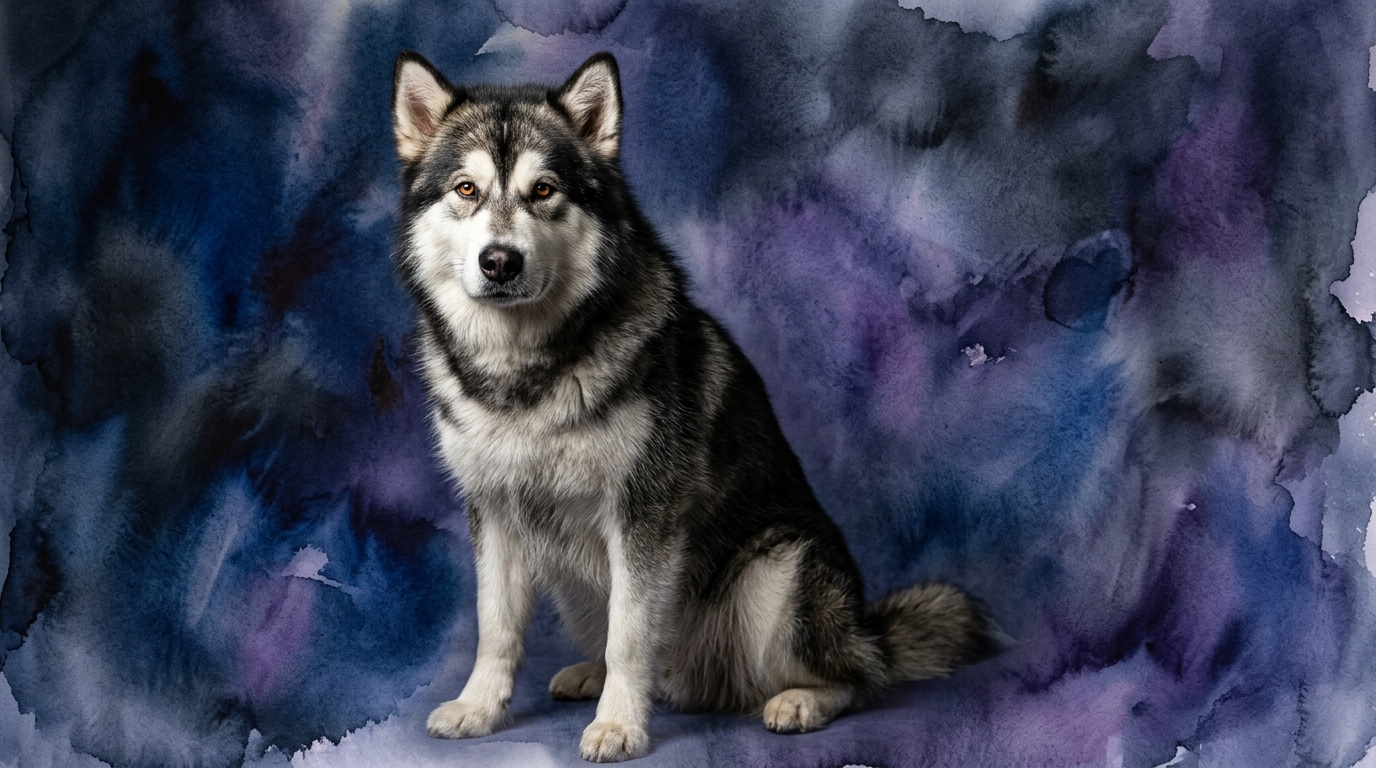
Side-by-Side Cognitive Profiles: Aussie vs. Malamute
The Cosmic Pet Pet IQ Lab offers a granular view into the mental faculties of these two breeds, painting a clear picture of their cognitive landscapes. The Australian Shepherd, a breed rooted in herding, demonstrates exceptional cognitive agility across the board. Its problem-solving capacity is rated 5/5, indicating a strong ability to navigate complex situations and devise solutions independently. Training speed also achieves a perfect 5/5, suggesting a rapid uptake of new commands and an eagerness to learn. Social intelligence stands at 4/5, reflecting a good understanding of human cues and interactions. Instinctive drive is robust at 5/5, underscoring its inherent motivation for work, while memory is equally impressive at 5/5, allowing for retention of intricate sequences and past experiences.
In contrast, the Alaskan Malamute, a powerful working dog built for endurance and resilience in harsh environments, presents a different cognitive blueprint. Its problem-solving ability is rated 4/5, indicating a solid capacity for independent thought, often geared towards achieving its own objectives. Training speed is a more moderate 2/5, suggesting a deliberate learning pace and a strong independent streak that can influence responsiveness. Social intelligence is rated 3/5, implying a more selective or nuanced engagement with human social cues. Its instinctive drive matches the Aussie at 5/5, reflecting an unwavering commitment to its primary purpose, typically pulling or endurance activities. Memory for the Malamute is rated 4/5, indicating a good but perhaps not photographic recall compared to the Australian Shepherd.
Where the Australian Shepherd Excels Cognitively
The Australian Shepherd's cognitive strengths are particularly evident in its rapid learning and adaptive problem-solving. Its 5/5 rating in problem-solving means it's not just following commands, but actively analyzing situations, such as figuring out how to re-gather a stray sheep or navigate an agility course with minimal direction. This breed's perfect 5/5 training speed is a testament to its inherent desire to work cooperatively with humans and its quick mental processing. They absorb new information and commands with remarkable efficiency, often requiring fewer repetitions than many other breeds to master a new skill. This isn't merely about obedience; it's about a deep cognitive engagement with the learning process itself.
Furthermore, the Australian Shepherd's 4/5 social intelligence allows them to keenly observe and interpret human body language and vocal tones, enabling a more fluid and intuitive partnership. This translates into a dog that often anticipates its owner's next move or mood, making them highly attuned companions. Their 5/5 memory is crucial for tasks requiring complex sequencing, like advanced obedience routines or intricate herding patterns, where recalling a series of actions in the correct order is paramount. This combination of quick learning, insightful problem-solving, and strong recall makes the Australian Shepherd a standout in roles demanding intellectual flexibility and responsiveness.
Where the Alaskan Malamute Demonstrates Unique Cognitive Strengths
While the Alaskan Malamute's cognitive profile differs from the Australian Shepherd, it possesses distinct strengths rooted in its ancestry as a powerful sled dog. Its 4/5 problem-solving score, while lower than the Aussie's, reflects an independent, often self-reliant approach to challenges. Malamutes are adept at finding their own solutions, particularly when it comes to navigating terrain, conserving energy, or achieving a desired outcome that may not always align with human expectations. This isn't a deficit in intelligence but rather a different form of practical, survival-oriented cognition, honed by generations of self-sufficiency in harsh environments. Their problem-solving often manifests as ingenuity in pursuit of their own interests, such as figuring out how to open a gate or access a food source.
The Malamute's 5/5 instinctive drive is a core cognitive asset, translating into an unwavering focus and endurance when engaged in activities that tap into their natural inclinations, like pulling a sled or carrying a pack. This drive isn't just physical; it's a mental commitment to a task, allowing them to push through discomfort and maintain focus over long periods. While their training speed is 2/5, this often stems from their independent nature and strong will rather than a lack of capacity to learn. They evaluate commands and situations, often deciding if a request is worth their effort, a trait that requires a certain level of cognitive processing. Their 4/5 memory is sufficient for recalling routes, routines, and important social interactions, serving their needs as capable working companions.
Training Dynamics: Which Breed is More Amenable and Why?
The distinction in training amenability between these two breeds is stark, largely due to their differing cognitive profiles and inherent motivations. The Australian Shepherd, with its perfect 5/5 training speed and 4/5 social intelligence, is generally considered far easier to train. Their eagerness to please, coupled with their rapid comprehension, means they pick up new commands and routines quickly. They thrive on mental stimulation and cooperative tasks, often viewing training as an engaging puzzle to solve with their human partner. Their strong memory (5/5) allows them to retain a vast repertoire of commands and complex sequences, making them suitable for advanced obedience, agility, and other canine sports. They are highly responsive to positive reinforcement and often seek out opportunities to learn and interact.
The Alaskan Malamute, conversely, presents a greater challenge for the novice trainer due to its 2/5 training speed and more independent nature. While capable of learning, they require significant patience, consistency, and a deep understanding of their motivations. Their lower social intelligence (3/5) means they might not be as finely tuned to human desires, often prioritizing their own strong instinctive drive (5/5). Training a Malamute often involves convincing them that a task is worthwhile or aligns with their own interests, rather than simply expecting compliance. They can be very intelligent in figuring out how to get what *they* want, which can sometimes be perceived as stubbornness. Success with a Malamute often hinges on making training fun, stimulating their natural drives, and utilizing high-value rewards to overcome their independent streak.
Matching Breeds to Lifestyles: Active vs. Relaxed Owners
Considering their distinct cognitive and physical demands, these breeds align with very different owner lifestyles. The Australian Shepherd is an ideal match for active owners who relish constant engagement and mental stimulation. Owners who enjoy dog sports like agility, obedience, herding trials, or even complex trick training will find an eager and capable partner in an Aussie. Their high instinctive drive (5/5) and need for problem-solving (5/5) mean they require a job or consistent mental challenge to prevent boredom and potential behavioral issues. They thrive in environments where they are an integral part of daily activities and can exercise both their bodies and their minds extensively. A relaxed owner who cannot provide this level of interaction and activity would likely find an Australian Shepherd overwhelming.
The Alaskan Malamute, while possessing an equally high instinctive drive (5/5), suits a different kind of active owner. These are individuals who appreciate a resilient, independent companion for endurance activities rather than intricate, fast-paced tasks. Owners who enjoy long hikes, cani-cross, skijoring, or simply extended periods outdoors where the Malamute can utilize its physical prowess and independent spirit will find a fulfilling partnership. While they need exercise, their mental engagement often comes from navigating environments and fulfilling their natural drives, rather than constantly learning new, complex commands. A relaxed owner might struggle with a Malamute's strong will and need for consistent, purposeful activity, but a highly active, patient owner who understands and respects their independent nature can form a deep bond.
The Verdict: When to Choose Each Companion
The Verdict
Choose an Australian Shepherd if you desire a highly trainable, cognitively flexible partner for dog sports, complex tasks, and constant mental engagement, thriving on cooperative learning and a close working relationship.
Opt for an Alaskan Malamute if you seek an independent, resilient companion for endurance activities and outdoor adventures, appreciating a dog with a strong will and a practical, self-reliant problem-solving approach, even if training requires greater patience.
🧠 Find Your Pet's IQ Score
Our Pet IQ Lab assessment covers 25+ tests across 5 cognitive dimensions — personalized to your breed.
Take the Full IQ Test →Frequently Asked Questions
Is the Alaskan Malamute difficult to train?
The Alaskan Malamute is not inherently difficult to train, but their 2/5 training speed and independent nature mean they require more patience, consistency, and motivation than breeds like the Australian Shepherd. They respond best to positive reinforcement, engaging activities, and trainers who understand their strong will.
Do Australian Shepherds need a lot of mental stimulation?
Yes, Australian Shepherds require significant mental stimulation due to their 5/5 problem-solving and 5/5 instinctive drive. Without regular mental challenges through training, puzzles, or tasks, they can become bored and potentially develop undesirable behaviors.
Which breed is better for a first-time dog owner?
For a first-time dog owner, the Australian Shepherd might be a more manageable choice due to its higher training speed and social intelligence, making it generally more responsive. The Alaskan Malamute's independent nature and specific training requirements can be more challenging for those new to dog ownership.