Side-by-Side IQ Profile: Herder vs. Guardian
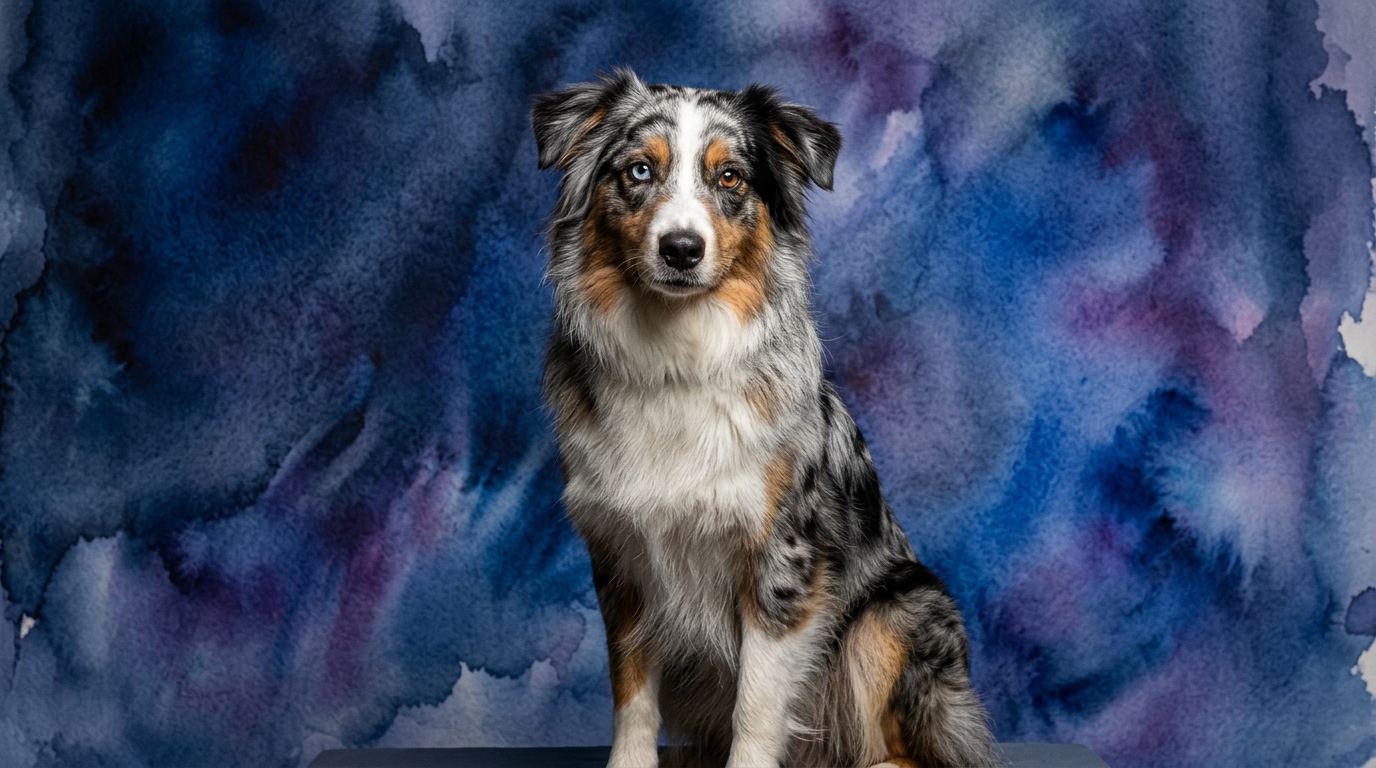
The Australian Shepherd, a breed forged for dynamic herding tasks, presents an impressive cognitive profile across the board. The Cosmic Pet IQ Lab rates their Problem Solving at a perfect 5/5, indicating an exceptional capacity for adapting to new situations and strategizing complex solutions. Their Training Speed also scores 5/5, reflecting an eagerness and ability to grasp new commands and routines with remarkable efficiency. Social Intelligence is rated 4/5, showing a strong attunement to human cues and group dynamics, while their Instinctive Drive, deeply rooted in herding, receives a 5/5. Finally, their Memory is also a top-tier 5/5, allowing them to retain vast amounts of learned information and experiences.
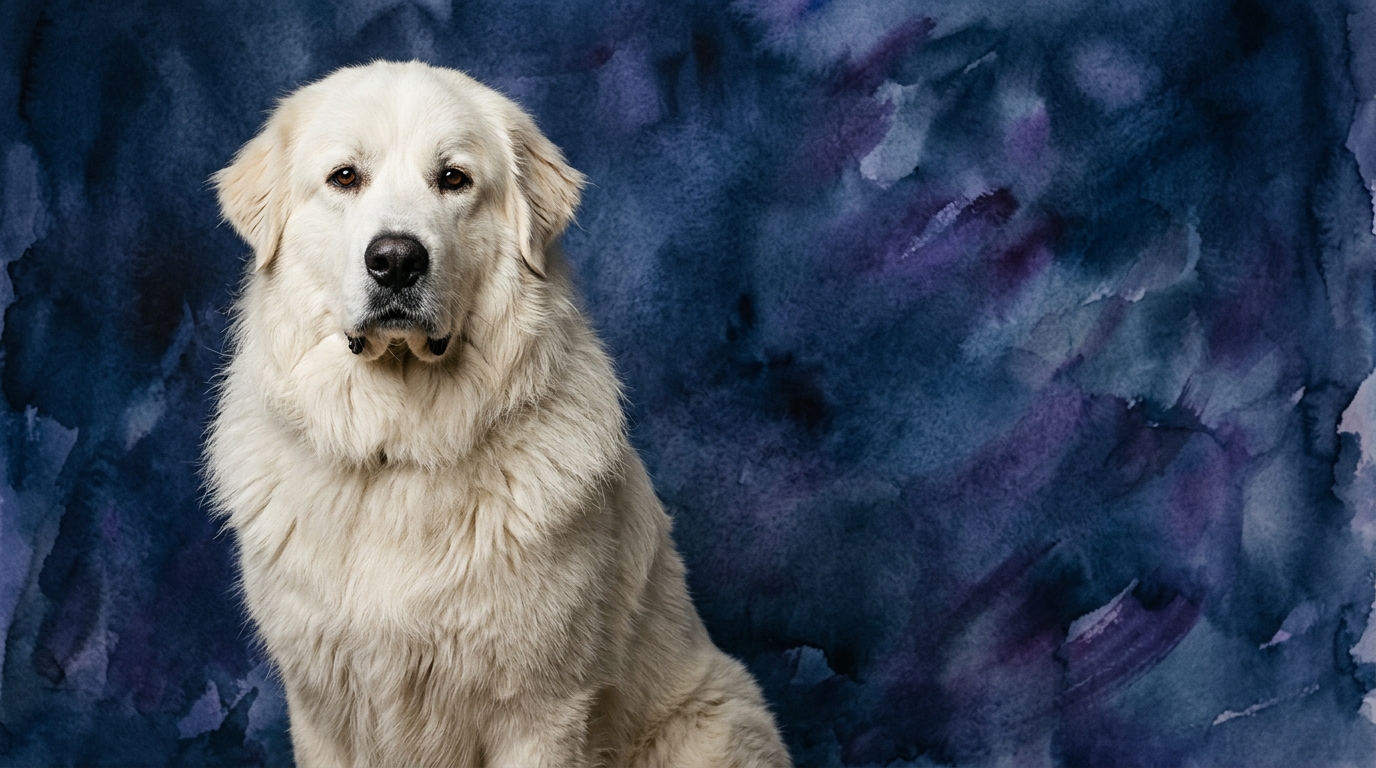
In contrast, the Great Pyrenees, a dedicated livestock guardian, exhibits a different but equally functional cognitive makeup. Their Problem Solving is rated 3/5, demonstrating an ability to assess threats and make independent decisions, though not typically in the context of human-directed puzzles. Training Speed is 3/5, indicating a moderate learning pace that often requires patience due to their independent nature. Social Intelligence also stands at 3/5, as they are attuned to their charges but often aloof with strangers, relying on their own judgment rather than constant human direction. Their Instinctive Drive, focused on vigilant protection, scores 3/5, distinguishing it from the active pursuit seen in herding breeds. Memory for the Great Pyrenees is 3/5, sufficient for retaining territorial knowledge and important routines, though not necessarily for a vast repertoire of complex commands.
Where the Australian Shepherd Excels Cognitively
The Australian Shepherd's cognitive strengths lie in their unparalleled adaptability and desire for collaborative engagement. Their 5/5 Problem Solving score means they excel at tasks requiring quick thinking and intricate planning, such as agility courses, complex obedience routines, or even figuring out how to open childproof latches. This breed thrives on mental puzzles and will often devise novel solutions to reach a desired outcome, whether it's retrieving a hidden toy or navigating an obstacle course. Their exceptional Training Speed (5/5) means they pick up new behaviors rapidly, often understanding a command after only a few repetitions. This makes them highly responsive to consistent instruction and a joy to teach for those who enjoy advanced training. Furthermore, their high Social Intelligence (4/5) allows them to keenly interpret human body language and vocal tones, making them intuitive partners in work or sport. They are quick to understand what is expected of them and often anticipate commands, showcasing a profound capacity for working in sync with their handler.
Cognitive Strengths of the Great Pyrenees
While their scores may appear lower in direct comparison, the Great Pyrenees' cognitive profile is perfectly tailored for their ancient role as independent livestock guardians. Their 3/5 Problem Solving isn't about solving complex human puzzles, but rather about autonomous decision-making in a dynamic environment. A Pyrenees will independently assess perceived threats to their flock or territory, deciding when to bark, when to stand firm, or when to simply observe. This requires a different kind of cognitive processing – one focused on vigilance, discernment, and self-reliance rather than seeking human input. Their 3/5 Instinctive Drive is a testament to this unwavering protective nature; they are driven by a deep-seated need to keep their charges safe, a drive that functions effectively even without constant human direction. This independence, often perceived as stubbornness in traditional training contexts, is a cognitive strength for a breed whose job requires them to make life-or-death decisions without waiting for a command.
Training Ease: A Study in Motivation
When it comes to training ease, the Australian Shepherd generally presents a more straightforward experience due to their high Training Speed (5/5) and strong desire to work with their handler. Aussies are naturally eager to please, highly motivated by praise, toys, or food, and possess a remarkable ability to focus on tasks. They respond well to positive reinforcement and can master a wide range of commands, tricks, and sports with relative ease. Their collaborative nature means they actively seek to understand and comply with human directives, making the training process feel like a partnership.
The Great Pyrenees, with a Training Speed of 3/5, offers a different training dynamic. While they are capable of learning, their inherent independence and self-reliant nature mean they are not as driven by the desire to "please" in the same way. They often evaluate a command and decide if it aligns with their own perceived best interest or purpose. Training a Pyrenees requires immense patience, consistency, and an understanding of their guardian mindset. They learn best when commands are presented as logical and beneficial, and handlers must accept that a Pyrenees may choose to obey at their own pace, or not at all, if they deem it unnecessary. Their behavioral differences stem from their historical role: an Aussie needs to be highly responsive to a shepherd's whistle, while a Pyrenees needs to think for itself when facing a predator in the field.
Matching Breeds to Lifestyles: Active vs. Relaxed Owners
The Australian Shepherd is an ideal companion for active owners who can provide ample mental and physical stimulation. Their 5/5 Instinctive Drive and high Problem Solving scores mean they require a purpose to feel fulfilled. Owners who enjoy dog sports like agility, flyball, obedience, or even regular long hikes and puzzle toys will find an Aussie to be an enthusiastic and tireless partner. A sedentary lifestyle without sufficient engagement will likely lead to a frustrated Australian Shepherd, potentially manifesting in undesirable behaviors as they invent their own "jobs."
Conversely, the Great Pyrenees is better suited for owners who appreciate a more relaxed, yet vigilant, companion. While they benefit from regular walks and space to patrol, their 3/5 Instinctive Drive is geared towards watchful guarding rather than constant activity. They are not typically a breed for high-intensity sports or complex obedience trials. A Great Pyrenees thrives in environments where they can observe their surroundings and feel they are protecting their family or territory. Owners seeking a calm, steadfast presence who are prepared for their independent nature and territorial instincts will find a loyal companion in the Great Pyrenees.
The Verdict
Choose an Australian Shepherd if you are an active individual or family seeking a highly trainable, engaged, and mentally agile partner for sports, tasks, or dynamic outdoor adventures.
Opt for a Great Pyrenees if you desire a calm, independent, and steadfast guardian, appreciating their watchful nature and willingness to make their own decisions in a more relaxed home environment.
🧠 Find Your Pet's IQ Score
Our Pet IQ Lab assessment covers 25+ tests across 5 cognitive dimensions — personalized to your breed.
Take the Full IQ Test →Frequently Asked Questions
Are Australian Shepherds good family dogs?
Yes, Australian Shepherds can be excellent family dogs, especially for active families who understand their need for mental and physical engagement. They form strong bonds and are generally good with children, provided their herding instincts are managed through training and outlets.
Do Great Pyrenees need a lot of exercise?
Great Pyrenees need moderate exercise, typically a daily walk or access to a secure yard for patrolling. They are not high-energy dogs in the same way a herding breed is, preferring to conserve energy for their guarding duties.
Which breed is better for first-time dog owners?
The Australian Shepherd, with their high trainability, can be suitable for dedicated first-time owners willing to commit to extensive training and activity. The Great Pyrenees, due to their independent nature and specific guarding instincts, is generally better suited for experienced owners who understand their unique behavioral traits.