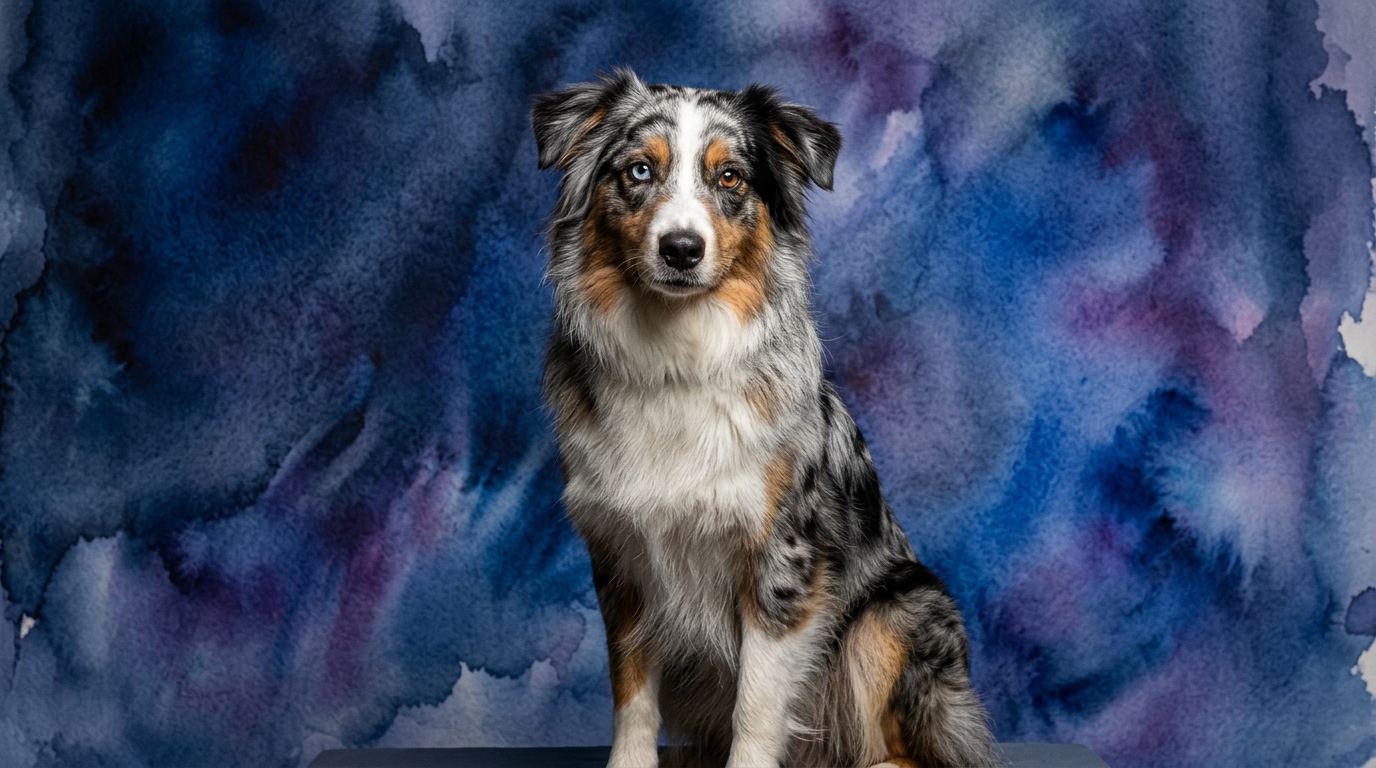
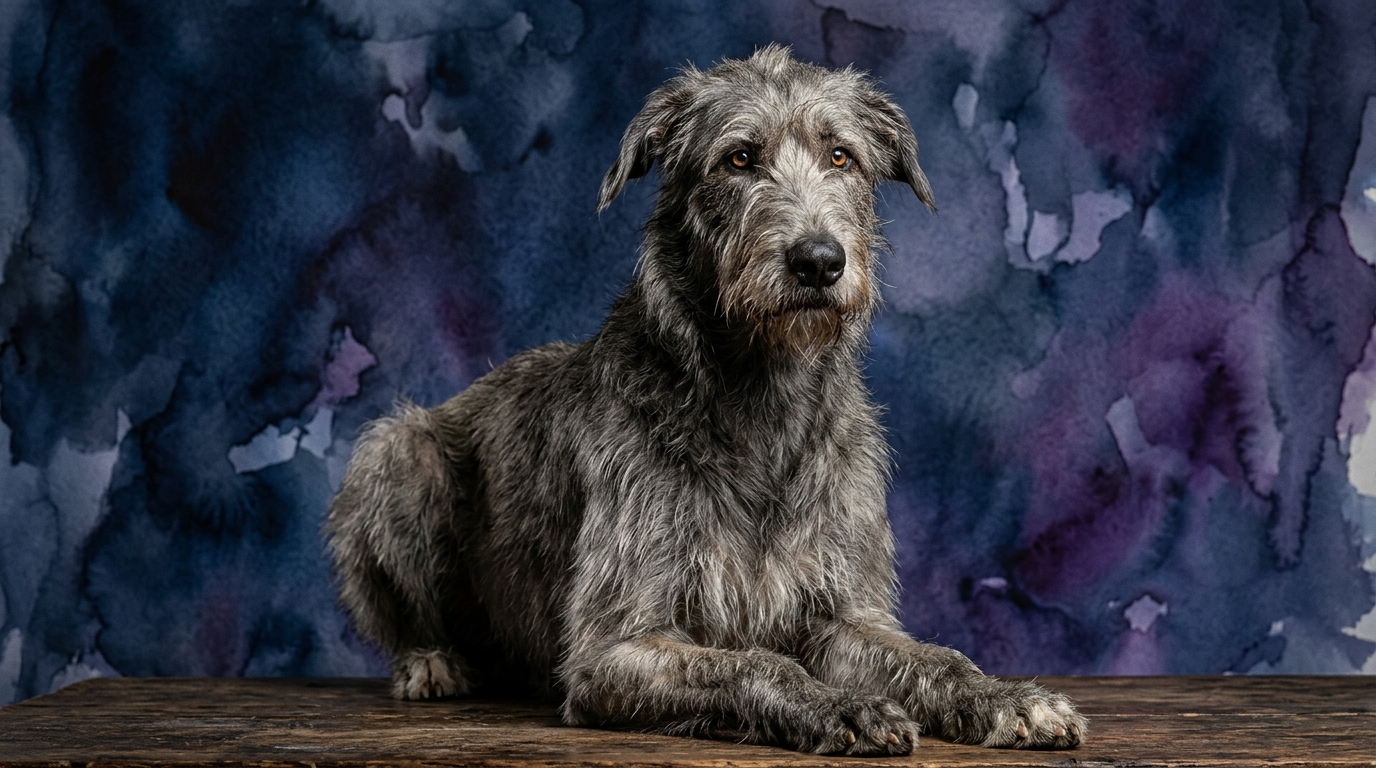
Side-by-Side IQ Profile: Australian Shepherd vs. Irish Wolfhound
The Cosmic Pet Pet IQ Lab employs a five-dimensional framework to assess canine intelligence, offering a nuanced look beyond simple obedience. For the Australian Shepherd, a herding breed, their profile is marked by exceptional cognitive prowess, reflecting their working heritage. They score 5/5 in Problem Solving, consistently demonstrating an ability to figure out complex tasks and adapt to novel challenges. Their Training Speed is also a perfect 5/5, indicating a remarkable capacity to absorb and execute new commands with minimal repetition, driven by an eagerness to engage. Social Intelligence stands at 4/5, showing a strong aptitude for understanding human cues and family dynamics, though their primary focus remains on their immediate 'flock.' Instinctive Drive is a powerful 5/5, fueling their persistent engagement in tasks and mental challenges. Finally, their Memory is a solid 5/5, enabling them to retain learned behaviors and intricate sequences over extended periods.
In contrast, the Irish Wolfhound, a hound breed, exhibits a more moderate cognitive profile, reflective of their historical role as sight hounds and companions. Their Problem Solving is rated 3/5; they approach challenges with a straightforward manner, learning to navigate obstacles but typically not devising complex, independent solutions. Training Speed is 3/5, meaning they learn at a moderate pace, requiring more patience and consistent repetition to ingrain new behaviors. Their Social Intelligence is also 3/5; they possess a calm and agreeable disposition, understanding basic social cues and forming strong bonds, but are less inclined to actively 'read' and respond to subtle human emotional shifts. Instinctive Drive scores 3/5; while they have a historical drive for pursuit, their overall intrinsic motivation for continuous, complex work is moderate, preferring periods of activity interspersed with rest. Their Memory is likewise 3/5, capable of retaining commands and routines, but potentially needing occasional refreshers to maintain recall over time compared to the Australian Shepherd.
Where the Australian Shepherd Wins Cognitively
The Australian Shepherd's cognitive strengths are evident across the board, particularly in their rapid acquisition of new skills and their ability to independently solve problems. Their 5/5 scores in Problem Solving, Training Speed, Instinctive Drive, and Memory highlight a comprehensive mental agility. This breed isn't just quick to learn; they demonstrate a proactive desire to understand and engage with their environment, often anticipating their handler's next move. Their profound instinctive drive means they are intrinsically motivated to perform tasks, translating into an eagerness to participate in training and mental challenges. This cognitive profile makes them exceptional candidates for complex obedience, advanced trick training, and dog sports where quick thinking and retention are paramount. They excel at tasks requiring sequential actions and adapting strategies on the fly, such as navigating an agility course or managing livestock.
Where the Irish Wolfhound Wins Cognitively
While the Irish Wolfhound doesn't match the Australian Shepherd's overall cognitive intensity, their unique strengths lie in their calm temperament and social presence, scoring 3/5 in Social Intelligence. Their cognitive wins are more subtle, rooted in their dignified nature and historical purpose. Unlike the constant mental 'buzz' of a herding dog, the Wolfhound possesses a serene disposition that allows them to process information without immediate, high-intensity reactions. This translates into a stable and predictable social presence, making them excellent companions in environments where a more boisterous or intensely focused dog might be overwhelming. Their moderate instinctive drive means they are less prone to neurotic behaviors stemming from understimulation, thriving in a balanced environment that respects their need for both activity and repose. Their cognitive profile supports a steady, unwavering companionship, where their understanding of routine and their bond with their family is reliable, if not always outwardly effusive. They excel in situations requiring a gentle, watchful presence rather than intricate problem-solving.
Which is Easier to Train and Why
Without a doubt, the Australian Shepherd presents as the easier breed to train due to their exceptional scores in Training Speed (5/5) and Instinctive Drive (5/5). Their innate desire to work and please, combined with their rapid learning capacity, means they absorb new commands and behaviors with minimal repetition. An Aussie often finds training itself to be a rewarding mental exercise, eagerly anticipating the next challenge. For instance, teaching an Australian Shepherd a complex multi-step command sequence, like 'find your leash, bring it here, and sit,' might take significantly fewer sessions than with an Irish Wolfhound. Their high problem-solving ability also means they can generalize learned behaviors to new situations more readily, understanding the underlying principle rather than just memorizing a specific action.
The Irish Wolfhound, with a Training Speed of 3/5 and Instinctive Drive of 3/5, requires a different approach. They are not untrainable, but they demand more patience, consistency, and positive reinforcement. Their learning curve is gentler, and they may not possess the same inherent eagerness to engage in prolonged, intensive training sessions. For example, while an Aussie might pick up 'stay' after a few tries, a Wolfhound might need many more repetitions over several days, possibly with more tempting rewards, to achieve the same reliability. Their cognitive style is less about rapid acquisition and more about steady, consistent reinforcement building a solid foundation. They can learn a wide range of commands, but it takes a more methodical, less hurried pace, often interspersed with breaks.
Suited for Active vs. Relaxed Owners
The Australian Shepherd, with its 5/5 scores in Problem Solving, Training Speed, Instinctive Drive, and Memory, is unequivocally suited for active owners. This breed thrives on mental and physical engagement, requiring daily opportunities to utilize their sharp minds and abundant energy. Owners who enjoy dog sports like agility, obedience, flyball, or who have an active lifestyle involving hiking, running, or extensive training sessions will find an ideal companion in the Australian Shepherd. Their strong instinctive drive means that without sufficient outlets, they can become bored and potentially develop undesirable behaviors, channeling their cognitive prowess into less constructive activities. They need owners who are prepared to be active participants in their dog's mental life, continuously offering new challenges and learning opportunities.
Conversely, the Irish Wolfhound, with its more moderate scores across the board (3/5), is a better fit for owners seeking a more relaxed pace. While they benefit from regular walks and opportunities for gentle play, their needs are not as intensely demanding as those of a herding breed. Their moderate instinctive drive means they are content with periods of quiet companionship and don't require constant mental stimulation to prevent boredom. Owners who appreciate a calm, dignified presence and are prepared for a large but relatively low-maintenance exercise routine will find the Irish Wolfhound a rewarding companion. They enjoy lounging and being part of family life without the incessant need for a 'job,' making them suitable for households that prefer a more serene canine presence, provided they still receive adequate daily exercise and training.
The Verdict
Opt for an Australian Shepherd if you are an active, engaged owner seeking a highly trainable partner for sports, complex tasks, or a working role, someone prepared to consistently challenge a quick, problem-solving mind.
Select an Irish Wolfhound if you desire a calm, gentle giant companion who thrives on consistent routine and affectionate companionship, and you appreciate a more relaxed cognitive pace in your canine friend.
🧠 Find Your Pet's IQ Score
Our Pet IQ Lab assessment covers 25+ tests across 5 cognitive dimensions — personalized to your breed.
Take the Full IQ Test →Frequently Asked Questions
Do Irish Wolfhounds need a lot of exercise despite their lower instinctive drive?
While they don't have the relentless energy of a herding dog, Irish Wolfhounds are large and still require regular, moderate exercise to maintain their health and muscle tone. Daily walks and opportunities for gentle play are important to prevent obesity and keep them content, though they aren't built for endurance running.
Can an Australian Shepherd live in an apartment?
An Australian Shepherd can potentially live in an apartment if their owners are extremely dedicated to providing ample daily physical exercise and mental stimulation outside the home. Without consistent outlets for their high energy and problem-solving skills, they are likely to become bored and destructive in smaller living spaces.
Are Irish Wolfhounds good with children?
Irish Wolfhounds are generally known for their gentle and patient demeanor, making them typically good with children, especially when raised with them. However, due to their immense size, supervision is always recommended to prevent accidental knocks or tumbles with very young children.