Side-by-Side IQ Profile: Australian Shepherd vs. Miniature Pinscher
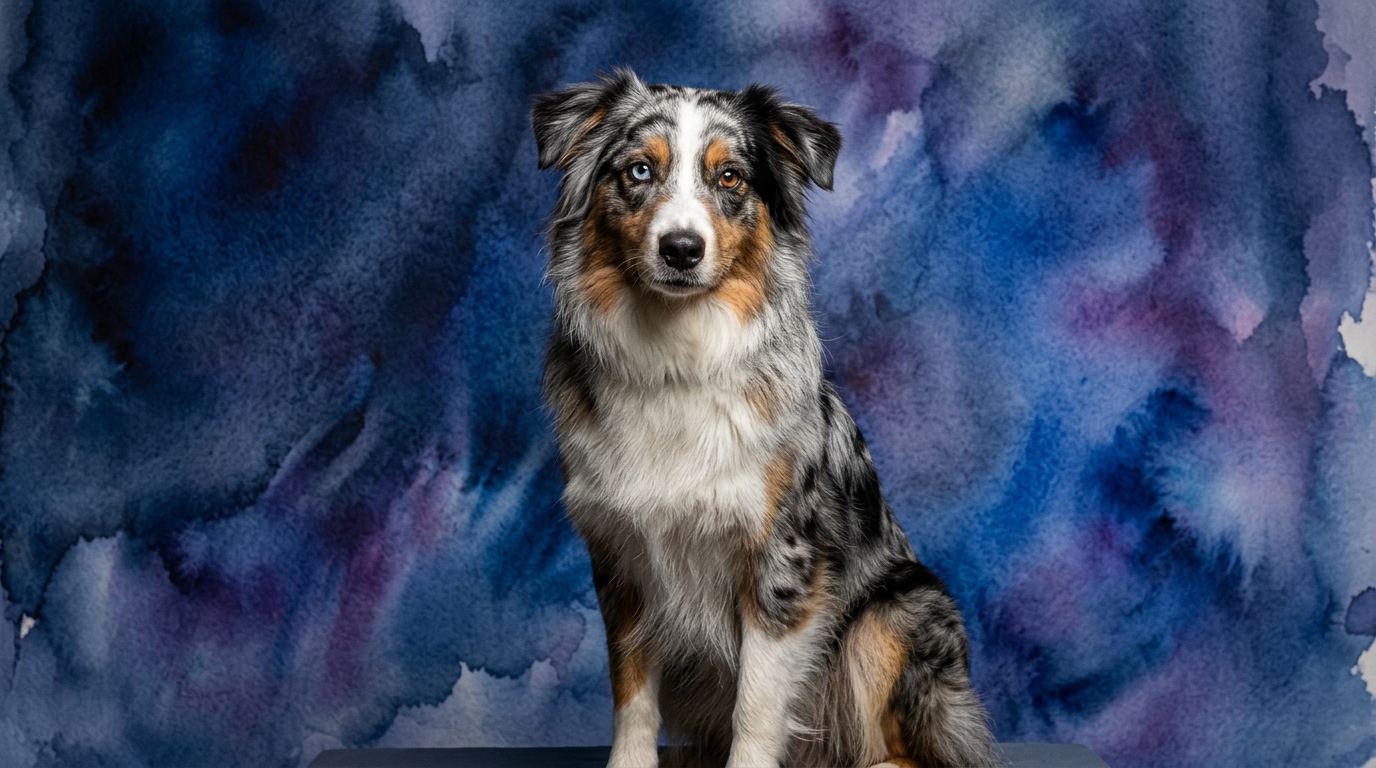
The Pet IQ Lab's framework offers a granular view into canine intelligence, breaking it down into five key dimensions. For the Australian Shepherd, a breed renowned for its working capabilities, the scores paint a picture of a highly capable and engaged mind. Their Problem Solving is rated 5/5, indicating an exceptional capacity to navigate complex challenges, devise strategies, and adapt to novel situations without constant human intervention. Training Speed also stands at a perfect 5/5, signifying their rapid assimilation of new commands and routines, often requiring only a handful of repetitions to solidify a new behavior. Social Intelligence, at 4/5, points to a strong ability to interpret human cues, collaborate effectively, and form deep, cooperative bonds. The Instinctive Drive, a robust 5/5, highlights their powerful innate urges for tasks like herding, vigilance, and purposeful activity, which fuels their engagement. Finally, Memory, a flawless 5/5, underscores their ability to retain vast amounts of information, from complex command sequences to intricate environmental layouts, over extended periods.
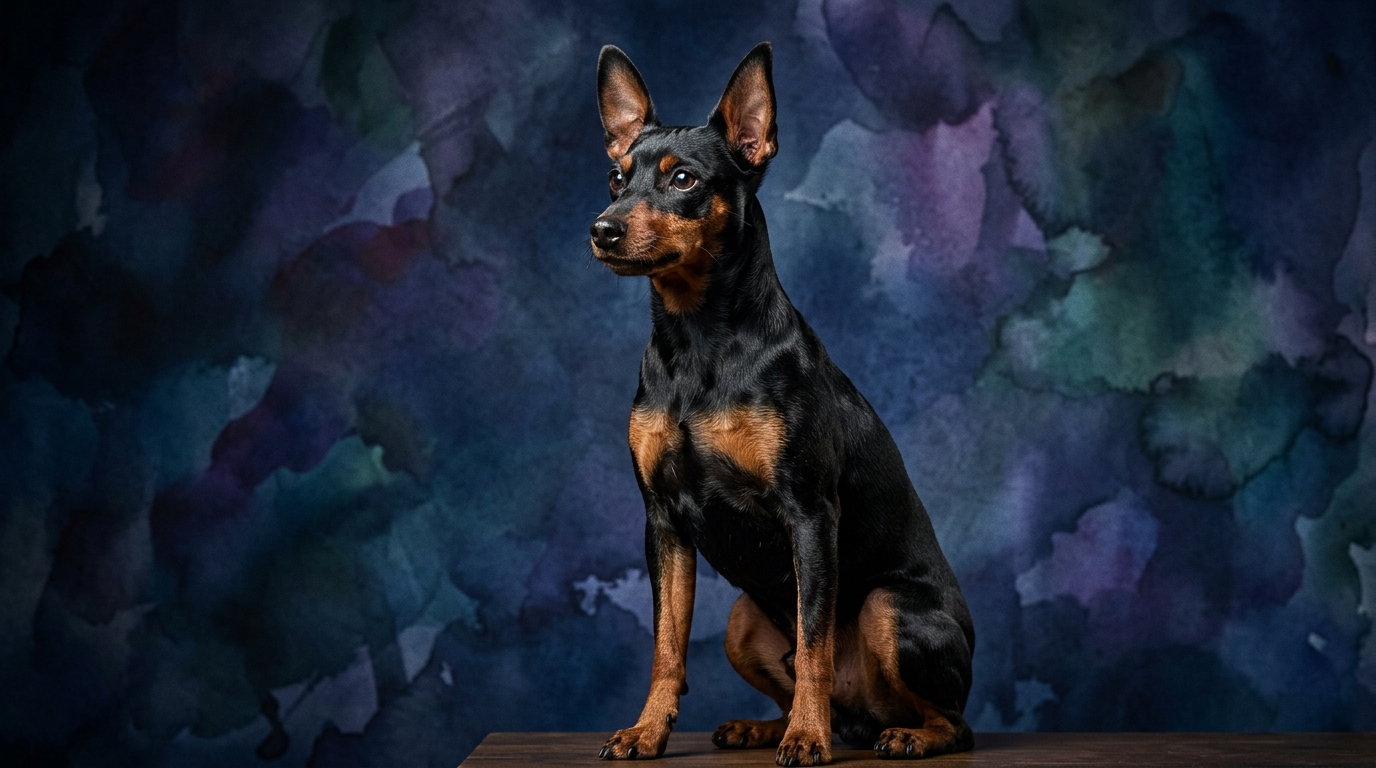
In contrast, the Miniature Pinscher, a breed from the Toy group, presents a different, yet equally valid, cognitive blueprint, perfectly suited for its historical role and companionship. Across all five dimensions—Problem Solving, Training Speed, Social Intelligence, Instinctive Drive, and Memory—the Miniature Pinscher consistently scores 3/5. This does not imply a lack of mental capacity, but rather a distinct operational style. Their 3/5 Problem Solving means they can certainly figure out how to achieve desired outcomes, like finding a comfy spot or getting attention, though they may not independently tackle multi-step puzzles requiring abstract thought. A Training Speed of 3/5 suggests they learn at an average pace, requiring consistent, positive reinforcement and more repetitions than an Australian Shepherd. Social Intelligence at 3/5 indicates they are capable of forming bonds and understanding basic social cues, but may exhibit a more independent or even aloof demeanor, prioritizing their own agenda at times. Their 3/5 Instinctive Drive is geared towards alert barking, self-preservation, and a confident, sometimes demanding, presence, rather than complex collaborative work. Lastly, a Memory score of 3/5 means they retain essential information for daily routines and basic commands, but may not hold onto intricate sequences or less frequently practiced behaviors with the same tenacity as a breed scoring higher.
Where the Australian Shepherd Wins Cognitively
The Australian Shepherd's cognitive profile shines brightest in scenarios demanding intricate mental engagement and collaborative problem-solving. Their 5/5 Problem Solving allows them to excel in tasks that require reasoning and strategy, such as navigating complex agility courses, figuring out how to open latches, or understanding multi-step commands like 'go get the blue ball from the basket and bring it here.' This isn't just about following instructions; it's about processing information and executing a plan. Coupled with a 5/5 Training Speed, they don't just learn quickly; they internalize concepts, making them highly adaptable to new challenges and environments. For instance, an Aussie might learn a new obedience routine in a single session, retaining it for future practice with minimal review. Their powerful 5/5 Instinctive Drive fuels a relentless focus on purpose-driven activities, whether it's herding livestock with precision or performing complex freestyle routines, demonstrating a profound mental stamina. This drive, combined with their 5/5 Memory, ensures they can recall and execute long sequences of behaviors, making them exceptional candidates for competitive dog sports, service work, or any role requiring sustained mental effort and precision.
Where the Miniature Pinscher Wins Cognitively
While the Miniature Pinscher's cognitive scores are not as high in collaborative tasks, their particular mental architecture represents an optimal design for their specific niche. Their 3/5 Problem Solving, for example, is perfectly adequate for navigating a home environment, identifying opportunities for comfort, or devising clever ways to get attention from their humans. They are not necessarily looking to solve a Rubik's Cube, but they are adept at solving the 'how do I get that treat off the counter?' problem. Their 3/5 Social Intelligence, while not geared towards intense handler focus, supports their independent and alert nature, allowing them to assess situations and act as vigilant guardians of their territory. This means they are often quick to notice and react to novel stimuli, providing an early warning system. The 3/5 Instinctive Drive in a Min Pin manifests as a strong sense of self-preservation and a confident, sometimes bold, attitude, rather than a drive for complex work. This cognitive independence means they can be content with less structured mental engagement than a working breed, making them less prone to destructive behaviors born from boredom if their mental stimulation isn't constant. Their memory, while not photographic, is perfectly sufficient for remembering household routines, basic commands, and the people and places important to them, fostering a stable and predictable companionship.
Which is Easier to Train and Why
When it comes to ease of training, the Australian Shepherd generally presents a more straightforward path for owners, primarily due to their exceptional cognitive scores. With a 5/5 Training Speed and 5/5 Problem Solving, Aussies are eager and quick to grasp new concepts, often requiring only a few repetitions to solidify a command. Their strong 4/5 Social Intelligence means they are highly attuned to their handler's cues and desires, making them inherently cooperative learners who thrive on collaboration. This breed's 5/5 Instinctive Drive also means they possess a deep-seated desire to work and please, channeling their energy into structured tasks rather than independent mischief. For example, an Aussie might learn a complex sequence of agility obstacles in a fraction of the time it would take many other breeds, showing an inherent focus and motivation to engage with their trainer.
The Miniature Pinscher, with consistent 3/5 scores across the board, requires a different approach to training and can be perceived as more challenging. While certainly trainable, their learning curve is generally steeper, demanding more patience, repetition, and creative engagement from their owners. Their slightly lower Social Intelligence score (3/5) can translate into a more independent mindset; they might weigh the immediate reward of a command against the perceived value of ignoring it, especially if there are more interesting distractions. Their Instinctive Drive (3/5) is less about collaborative work and more about self-interest or alertness, meaning owners need to find what truly motivates a Min Pin, often involving high-value treats or engaging play. A real behavioral difference highlights this: an Australian Shepherd might learn to 'stay' amidst distractions relatively quickly, driven by a desire to perform, whereas a Miniature Pinscher might require significantly more proofing in various environments, and even then, might opt to break a 'stay' if a compelling scent or sight grabs their attention, demonstrating their more independent decision-making process.
Which Suits Active Owners vs. Relaxed Owners
For owners with an active lifestyle and a desire for a highly engaged canine partner, the Australian Shepherd is an unequivocally better fit. Their 5/5 Instinctive Drive, coupled with equally high scores in Problem Solving, Training Speed, and Memory, means they possess an immense capacity and need for mental and physical stimulation. An Aussie thrives when given a 'job,' whether it's competing in agility, obedience, flyball, or even complex trick training. They require daily, rigorous exercise that challenges both their bodies and minds. A relaxed owner who cannot provide this level of engagement would likely find an Australian Shepherd to be an overwhelming handful, as their unspent energy and cognitive drive can manifest as boredom-induced behaviors like excessive barking, destructive chewing, or incessant herding of family members.
Conversely, the Miniature Pinscher is generally more suited for owners who appreciate a companion with a moderate activity level and a less demanding cognitive footprint. Their consistent 3/5 scores across all intelligence dimensions mean they don't possess the same intense need for constant, high-level mental or physical work as an Australian Shepherd. While they certainly benefit from regular walks, play, and consistent basic training, they are typically content with a more relaxed household rhythm. A Min Pin can adapt well to apartment living, provided they receive sufficient outdoor time and mental enrichment through toys and short training sessions. For a relaxed owner, the Min Pin offers a confident, alert, and often affectionate companion who doesn't require a full-time commitment to competitive dog sports or complex working tasks, making them a more manageable choice for those seeking a charming, yet independent, presence in their home.
The Verdict: When to Choose Each Breed
The Verdict
For owners seeking a highly engaged, collaborative canine partner eager for complex training, competitive sports, or a working role, the Australian Shepherd's superior cognitive scores make them an ideal match.
For individuals who appreciate an independent, alert companion with a manageable cognitive load, happy with consistent basic training and moderate mental enrichment, the Miniature Pinscher offers a distinct appeal.
🧠 Find Your Pet's IQ Score
Our Pet IQ Lab assessment covers 25+ tests across 5 cognitive dimensions — personalized to your breed.
Take the Full IQ Test →Frequently Asked Questions
Do Miniature Pinschers struggle with learning?
No, Miniature Pinschers are capable learners, but their cognitive profile suggests they may require more patience and repetition than breeds with higher training speed scores. They excel with consistent, positive reinforcement for basic commands and routines rather than complex, multi-step tasks.
Can an Australian Shepherd be a good pet for a first-time dog owner?
While an Australian Shepherd's high cognitive abilities make them highly trainable, their intense need for mental and physical stimulation, coupled with a strong instinctive drive, means they are best suited for experienced owners committed to consistent engagement. Their demands can be overwhelming for novices.
How does 'Instinctive Drive' differ between these two breeds?
For the Australian Shepherd, an Instinctive Drive of 5/5 translates to a powerful innate urge to herd, work, and solve problems collaboratively with a handler, seeking purpose. For the Miniature Pinscher, a 3/5 score indicates a drive more focused on self-preservation, alerting, and independent exploration, rather than complex, directed tasks.