The Cosmic Pet Pet IQ Lab: Side-by-Side Profiles
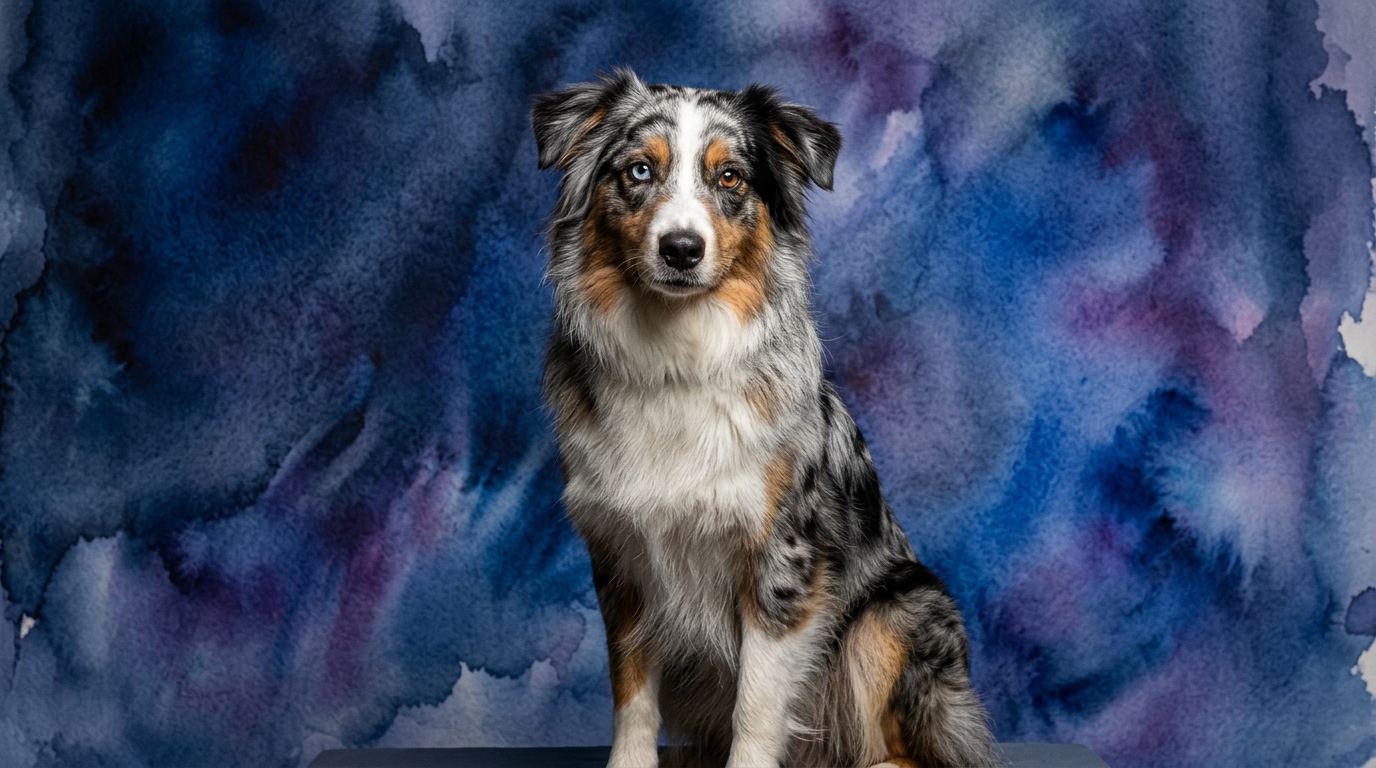
The Cosmic Pet Pet IQ Lab assesses canine intelligence across five critical dimensions, offering a nuanced view beyond simple obedience. For the Australian Shepherd, a breed originating from a demanding herding lineage, their profile reflects a strong aptitude for complex, human-directed tasks. They achieve a perfect 5/5 in Problem Solving, indicating an exceptional ability to navigate intricate challenges and adapt to new situations. Their Training Speed also scores 5/5, suggesting a rapid grasp of new commands and concepts, often requiring fewer repetitions than many other breeds. Social Intelligence is rated 4/5, showing a keen awareness and responsiveness to human cues and emotional states, crucial for effective partnership. An Instinctive Drive of 5/5 highlights their powerful inherent inclination towards work and purpose, often expressed through herding behaviors. Finally, their Memory at 5/5 underscores an excellent capacity to recall commands, routines, and experiences over time.
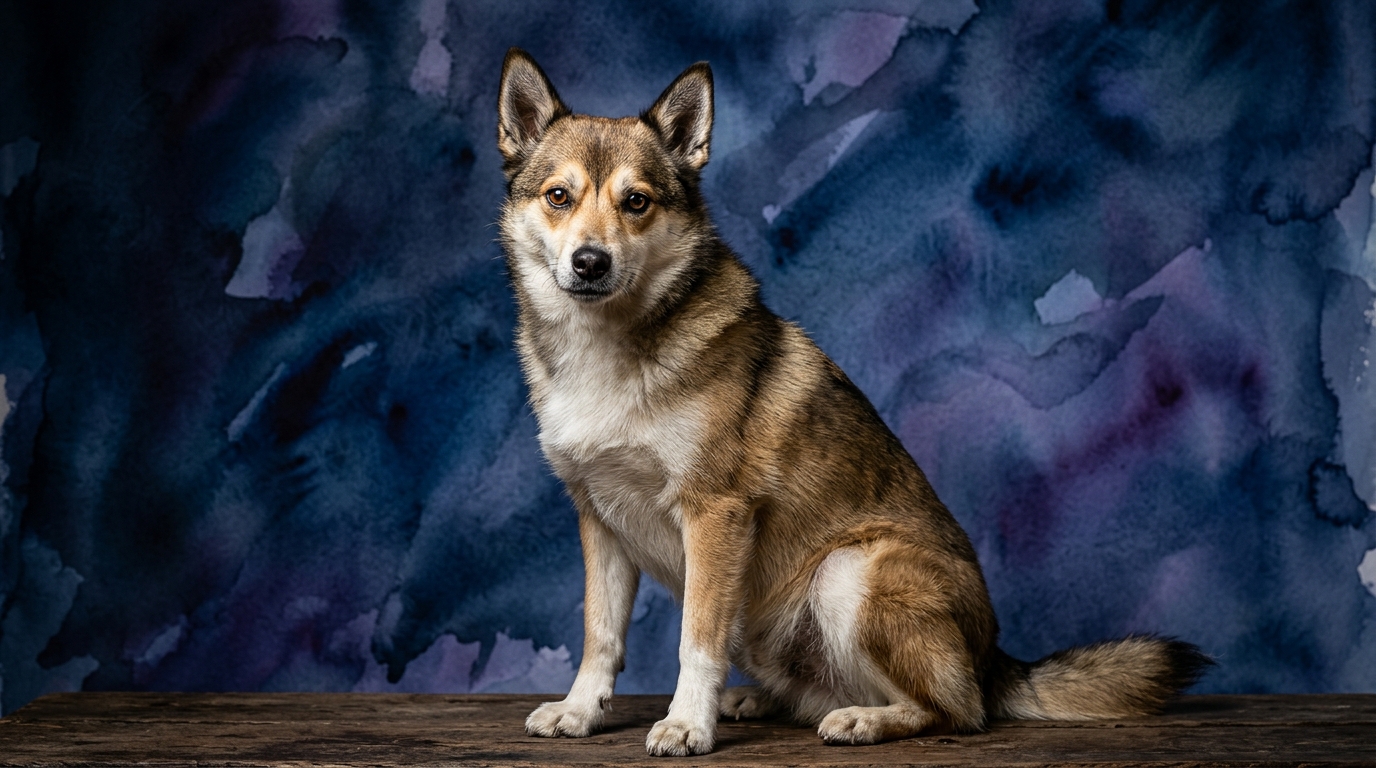
In contrast, the Norwegian Lundehund, a rare breed with an ancient history of hunting puffins in treacherous coastal environments, presents a different cognitive blueprint. Their Problem Solving is rated 3/5, reflecting an intelligence geared more towards independent navigation and survival rather than collaborative tasks. Training Speed also stands at 3/5, indicating that while they are certainly capable of learning, they may require more patience and consistency in training sessions compared to breeds bred for close partnership. Their Social Intelligence at 3/5 suggests a more independent nature, less overtly driven by a desire for constant human validation in complex tasks. An Instinctive Drive of 3/5 pertains specifically to their unique physical and behavioral adaptations for their historical role, such as extreme flexibility and a highly developed sense of smell for finding prey in rocky crevices. Their Memory, also 3/5, is likely excellent for recalling routes and specific environmental details pertinent to their specialized hunting, but perhaps less focused on a vast repertoire of human commands.
Where the Australian Shepherd Excels Cognitively
The Australian Shepherd's cognitive strengths are deeply rooted in their herding heritage, where quick decision-making, foresight, and intricate communication were paramount. Their 5/5 Problem Solving score means they excel at understanding and executing multi-step commands, quickly learning sequences in agility courses, or figuring out how to manipulate latches and puzzles. This isn't just about rote memorization; it's about applying learned principles to novel situations.
Their superior Training Speed (5/5) and Social Intelligence (4/5) combine to create a dog that is incredibly receptive to human instruction and eager to engage. An Australian Shepherd can often pick up a new trick or command in just a few repetitions, and they are adept at reading subtle body language or vocal inflections from their handler, allowing for highly nuanced communication. This makes them outstanding candidates for advanced obedience, competitive dog sports, and even service work where intricate tasks and constant attentiveness are required. Their memory further solidifies this, enabling them to retain a vast vocabulary of commands and remember complex routines over extended periods.
Where the Norwegian Lundehund's Unique Intelligence Shines
While the Norwegian Lundehund's IQ scores may appear lower in human-centric metrics, their intelligence is profoundly specialized and perfectly adapted to their original purpose. Their 3/5 Problem Solving reflects an independent, self-reliant form of cognitive ability. These dogs were bred to navigate treacherous, vertical cliffs and tight crevices to hunt puffins, a task that demanded exceptional spatial awareness, physical dexterity, and the ability to find solutions without human direction. Their problem-solving involves assessing risks, finding secure footholds, and maneuvering their incredibly flexible bodies through constricted spaces.
The Lundehund's Instinctive Drive (3/5) is uniquely focused on these specialized behaviors. They possess an unusual anatomy – six toes on each foot and an extremely flexible neck and shoulder joints – which are direct physical manifestations of their cognitive adaptations for climbing and navigating difficult terrain. Their memory, while perhaps not focused on human commands, is likely highly developed for recalling intricate routes, identifying specific scent trails, and remembering the locations of burrows or nests. This independent, task-specific intelligence allowed them to thrive in an incredibly challenging environment where human assistance was minimal, showcasing a resilience and self-sufficiency that is a distinct form of cognitive strength.
Training: Ease and Behavioral Differences
When it comes to ease of training, the Australian Shepherd clearly has an advantage due to their perfect 5/5 Training Speed and high Social Intelligence. They possess an inherent desire to work collaboratively with their human partners and quickly understand what is being asked of them. This means they are generally responsive to positive reinforcement, eager to please, and can progress rapidly through obedience levels, making them a joyful experience for owners who enjoy structured training.
The Norwegian Lundehund, with a 3/5 in both Training Speed and Social Intelligence, presents a different training journey. Their independent nature, honed by centuries of self-directed hunting, means they are less inherently inclined to look to humans for direction or constant approval. Training a Lundehund requires significant patience, consistency, and a deep understanding of their unique motivations. They may respond better to training methods that tap into their natural curiosity and desire for exploration rather than pure obedience drills. Owners should expect a slower progression and be prepared to make training a fun, engaging puzzle rather than a strict command-and-response session, understanding that their cognitive drive is towards self-directed activity rather than collaborative obedience.
Suitability for Active vs. Relaxed Owners
The Australian Shepherd is an ideal companion for active, engaged owners who are prepared to provide consistent mental and physical stimulation. Their high Problem Solving, Instinctive Drive, and Memory mean they thrive when given a job to do, whether it's herding, agility, obedience, or even complex trick training. Owners who enjoy spending significant time training, participating in dog sports, or engaging in long, stimulating outdoor activities will find an Australian Shepherd to be an incredibly rewarding and fulfilling partner. They require an owner who understands their need for purpose and is willing to invest the time to channel their considerable cognitive energy productively.
The Norwegian Lundehund, while physically active, suits owners who appreciate a more independent companion and are patient with their unique characteristics. Their physical activity often manifests as exploring, climbing, and digging, rather than structured, human-directed tasks. They are not typically suited for owners seeking a highly biddable or constantly 'on-call' companion. An ideal owner for a Lundehund is someone who can provide secure outdoor spaces for exploration, understands their need for mental stimulation that caters to their independent problem-solving (e.g., scent games, climbing structures), and is comfortable with a dog that may not always prioritize human commands over their own instincts. They are excellent for owners who appreciate uniqueness and are prepared for a less traditional canine partnership.
The Verdict
Choose the Australian Shepherd if you desire a highly trainable, collaborative partner for advanced obedience, dog sports, or a working role, thriving on shared purpose and consistent mental engagement.
Opt for the Norwegian Lundehund if you value an independent, resilient companion with unique physical and cognitive adaptations, appreciating a less conventional dog-owner dynamic and their self-sufficient problem-solving.
🧠 Find Your Pet's IQ Score
Our Pet IQ Lab assessment covers 25+ tests across 5 cognitive dimensions — personalized to your breed.
Take the Full IQ Test →Frequently Asked Questions
Is the Norwegian Lundehund difficult to train?
The Norwegian Lundehund is not inherently difficult to train, but their independent nature and specialized instincts mean they require a different approach. They thrive with patient, consistent training that leverages positive reinforcement and taps into their natural curiosity, rather than expecting immediate, eager compliance typical of herding breeds.
Do Australian Shepherds need a lot of exercise?
Yes, Australian Shepherds require significant mental and physical exercise daily. Their high instinctive drive and problem-solving abilities mean they need more than just physical activity; they thrive on tasks, training, and mental challenges to prevent boredom and destructive behaviors.
Which breed is better for a first-time dog owner?
Neither breed is typically recommended for a truly novice dog owner without extensive research and commitment. However, an Australian Shepherd might be more manageable for an engaged first-timer willing to commit to substantial training and activity, due to their higher biddability and clearer communication style compared to the more independent and uniquely wired Lundehund.