Side-by-Side IQ Profile: Australian Shepherd vs. Scottish Deerhound
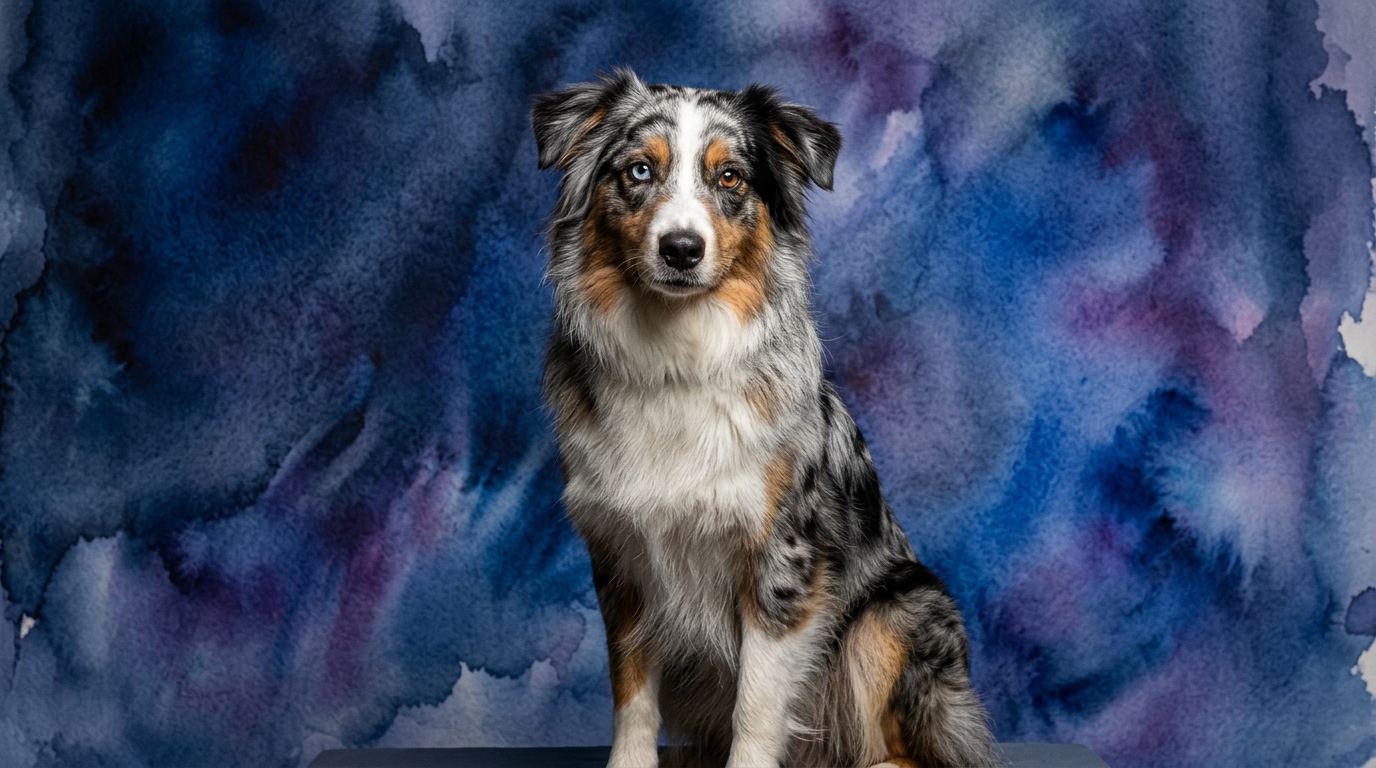
**Australian Shepherd:** This herding breed consistently demonstrates a highly engaged cognitive style. Their **Problem Solving (5/5)** is exceptional, showing ingenuity rooted in their heritage to anticipate movement and adapt to challenges, actively strategizing to find creative solutions. **Training Speed (5/5)** is remarkably swift; they absorb new commands, often grasping concepts in just a few repetitions, driven by their eagerness and focused attention. Their **Social Intelligence (4/5)** means deep bonds with family, though they can be reserved with strangers, adeptly reading emotional states within their trusted circle. A powerful **Instinctive Drive (5/5)** compels them to engage in purposeful activity, manifesting as a persistent desire to manage and organize, often seeking 'jobs.' Their **Memory (5/5)** is outstanding, allowing recall of complex command sequences, past experiences, and locations with precision, aiding their ability to perform intricate tasks.
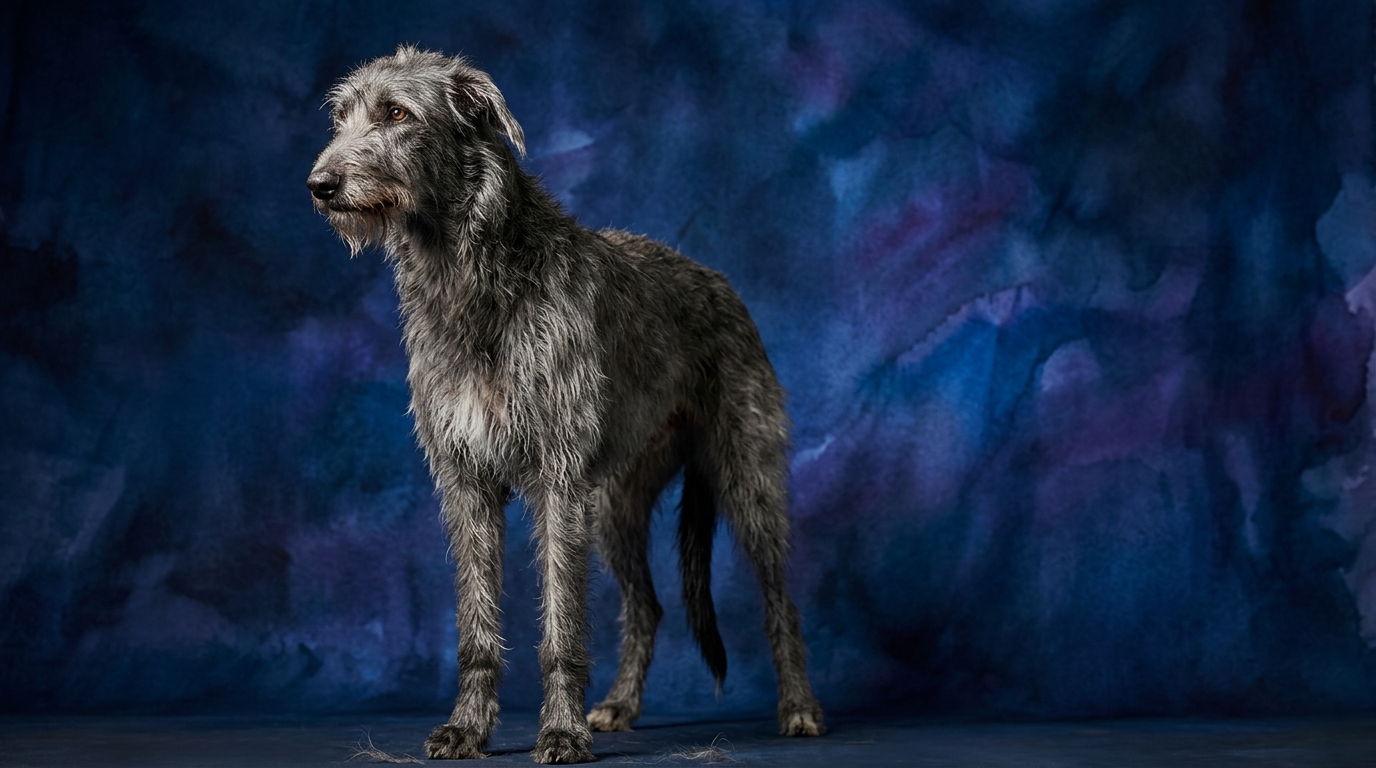
**Scottish Deerhound:** This hound breed exhibits a more independent and measured cognitive approach. Their **Problem Solving (3/5)** is functional; solutions are often found through direct action or persistent exploration rather than intricate strategy, sometimes taking more time. **Training Speed (3/5)** is moderate, requiring more repetition and patience; their independent nature means they might weigh immediate reward against effort rather than automatically complying. Their **Social Intelligence (3/5)** is expressed through gentle, dignified companionship, connecting deeply with family, sensitive to moods but not actively seeking to mediate social situations. The **Instinctive Drive (3/5)**, focused on chasing prey, is present but often latent domestically, surfacing during walks or when spotting fast-moving objects, less about constant engagement and more about bursts of intensity. Their **Memory (3/5)** is functional, remembering routines, people, and places adequately, though complex sequences or less frequently reinforced commands might require more prompting.
Where the Australian Shepherd Wins Cognitively
The Australian Shepherd's cognitive profile shines in areas demanding active engagement and rapid processing. Their 5/5 problem-solving means they anticipate and devise solutions, whether figuring out a child-proof gate or strategizing toy retrieval. This translates into a dog thriving on mental challenges, quickly grasping complex games or multi-step routines. Their perfect 5/5 training speed directly reflects their attentiveness and motivation to work, allowing them to master advanced obedience, agility, or intricate tricks efficiently. Furthermore, their 5/5 instinctive drive, channeled through consistent training, means they approach tasks with focused intensity, making learning a highly rewarding cooperative venture. This drive, combined with their 5/5 memory, ensures that once a concept is learned, it's retained, building a vast repertoire of behaviors.
Where the Scottish Deerhound Wins Cognitively
While the Australian Shepherd excels in active problem-solving, the Scottish Deerhound's cognitive strengths lie in quiet, discerning independence. Their 3/5 social intelligence reflects a nuanced capacity for deep, calm companionship rather than overt social manipulation. They possess a subtle understanding of family emotions, offering comfort without demanding constant interaction. Their 3/5 instinctive drive, focused on the chase, means they are not perpetually seeking a 'job,' which is an advantage for owners desiring a more relaxed presence. This specialized drive results in a dog less prone to compulsive behaviors from lack of constant mental stimulation. Instead, their cognitive energy channels into bursts of focused attention during appropriate outlets, like a vigorous sprint, allowing for extended periods of calm observation and thoughtful contemplation at home. Their problem-solving, though 3/5, often involves patient observation and self-directed exploration, fostering quiet self-reliance.
Which is Easier to Train and Why
Based on IQ profiles, the Australian Shepherd is unequivocally easier to train for most conventional tasks. Their 5/5 training speed and 5/5 memory mean they pick up commands rapidly and retain them long-term. An Aussie's inherent desire to work, driven by a 5/5 instinctive drive, makes them highly motivated partners. They actively seek guidance and thrive on mental engagement, viewing training as a rewarding collaborative game. Teaching an Australian Shepherd a complex multi-step routine, like fetching specific items, can be achieved relatively quickly due to their cognitive agility. In contrast, the Scottish Deerhound, with its 3/5 training speed and 3/5 memory, requires significantly more patience and repetition. Their independent sighthound nature means they are less inclined to blindly comply, often evaluating the perceived value of a command. While they learn, their motivation hinges on high-value rewards and clear understanding of 'what's in it for me.' A Deerhound might understand a command but choose not to execute it if distractions are present or they simply don't feel like it, a manifestation of their self-reliant cognitive style. This means an Australian Shepherd will likely excel in obedience and complex trick training with less effort, while a Scottish Deerhound requires a more nuanced, reward-driven approach and acceptance of their independent decision-making.
Which Suits Active Owners vs. Relaxed Owners
The choice between these breeds heavily depends on an owner's lifestyle and capacity to meet a dog's cognitive and physical needs. An Australian Shepherd, with its 5/5 problem-solving, 5/5 training speed, and 5/5 instinctive drive, is ideal for active owners thriving on daily engagement and mental stimulation. These dogs require consistent 'work' through advanced obedience, agility, herding, or complex puzzle toys. They need an owner who can channel their boundless energy and sharp mind into productive outlets, preventing boredom. An Australian Shepherd flourishes where they are active participants in daily life, constantly learning and problem-solving. Conversely, the Scottish Deerhound, with its more moderate scores, especially its 3/5 instinctive drive, suits relaxed owners appreciating quiet companionship and bursts of intense activity. While requiring regular exercise, their cognitive needs lean towards calm observation and independent thought. They are content to lounge and be a gentle presence, provided physical exercise is met. An owner who enjoys long, quiet walks and appreciates a dog's independent spirit, without the constant need for a 'job,' will find a Scottish Deerhound a wonderfully compatible companion.
The Verdict
Choose an Australian Shepherd if you are an active owner seeking a highly trainable, intensely engaged partner for advanced activities and consistent mental challenges.
Opt for a Scottish Deerhound if you desire a dignified, gentle companion who appreciates periods of calm, possesses an independent streak, and requires focused bursts of exercise.
🧠 Find Your Pet's IQ Score
Our Pet IQ Lab assessment covers 25+ tests across 5 cognitive dimensions — personalized to your breed.
Take the Full IQ Test →Frequently Asked Questions
Do Australian Shepherds get bored easily if not mentally stimulated?
Yes, absolutely. With their 5/5 problem-solving and instinctive drive, Australian Shepherds require significant mental engagement to prevent boredom. A lack of stimulating activities can lead to destructive behaviors or excessive barking as they find their own 'work'.
Are Scottish Deerhounds difficult to live with due to their independent nature?
Not necessarily difficult, but they do require understanding of their independence. They are gentle and affectionate but may not constantly seek interaction or be as eager to please as some other breeds, preferring quiet companionship and making their own choices at times.
How do the memory differences impact daily life with these breeds?
An Australian Shepherd's 5/5 memory means they recall commands and routines with precision, making consistent behavior easier to maintain. A Scottish Deerhound's 3/5 memory means you might need to refresh commands more often, especially if they haven't been practiced recently, and they may be less reliable in recalling complex sequences.